
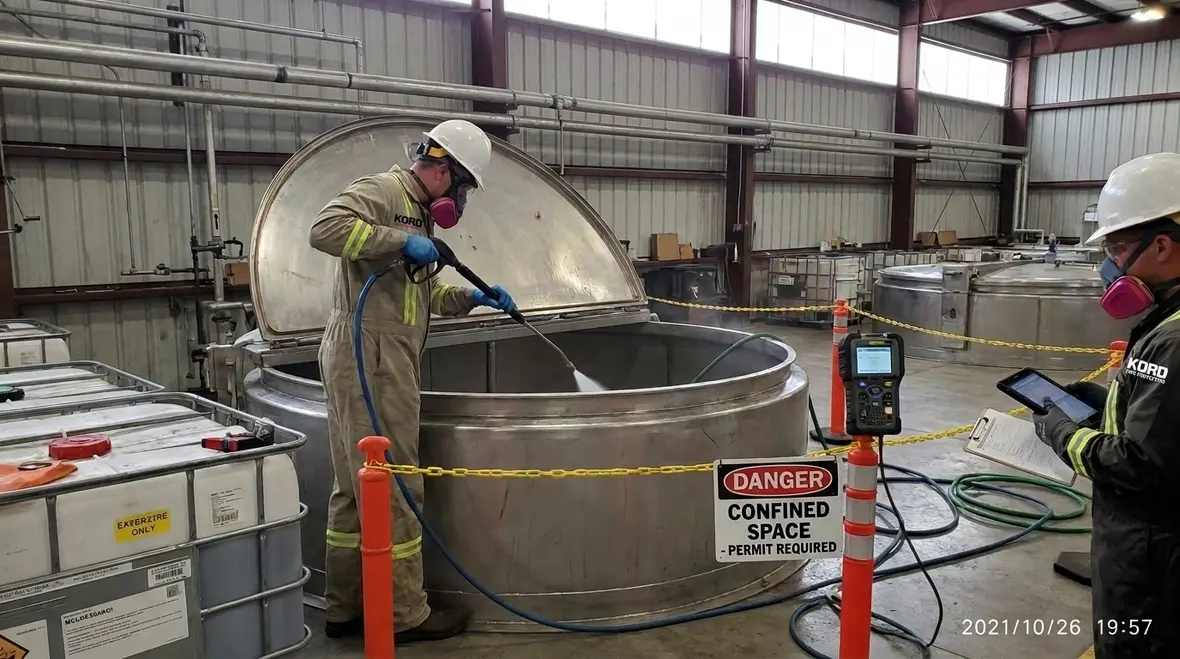
NFPA 35 Section 13.3: Cleaning Tanks and Vessels (Requirements, Procedures, and Compliance)
Quick Answer
NFPA 35 Section 13.3 sets practical safety controls for cleaning tanks and vessels handling hazardous materials. It focuses on preparing equipment, preventing ignition and exposure hazards, verifying conditions before cleaning, and ensuring cleaned vessels meet safe return to service expectations. Facilities must document procedures and maintain compliant systems.
Facilities reviewing these cleaning procedures should also strengthen their broader manufacturing fire suppression planning so tank cleaning does not sit in a lonely compliance corner by itself.
Why NFPA 35 cleaning tanks vessels requirements matter in real operations
Commercial, industrial, and retail facilities that use tanks and vessels for flammable, combustible, or otherwise regulated chemicals face recurring risk during cleaning. Residues can retain heat, produce vapors, or react with cleaning agents. Ignition sources can exist even when operations are “off.” This is why the NFPA 35 cleaning tanks vessels requirements under Section 13.3 emphasize controlling the vessel condition, cleaning method, and verification steps before anyone enters or opens equipment.
Kord Fire Protection supports facilities by aligning cleaning operations with fire protection engineering expectations, inspection readiness, and maintenance planning. That partnership becomes especially valuable when procedures change due to new products, contractors, or cleaning frequencies.
What Section 13.3 typically expects the facility to control
While exact wording and cross references depend on the facility’s specific fuel and process classification, the intent is consistent: cleaning must not introduce new ignition hazards or exposure risks. A compliant program normally covers pre clean planning, safe isolation and depressurization, vapor hazard verification, compatible cleaning chemicals and methods, and controls for drainage, ventilation, and waste handling.
Step zero: define the cleaning scope and hazards before any work starts
A robust compliance start point requires the facility to define what is being cleaned, what residues are expected, and which hazards those residues can create. Cleanup can generate flammable vapor clouds, aerosolized liquids, or hot surfaces from retained thermal energy. It can also disturb deposits that trap oxidizers or reactive by products.
Common failure points that trigger noncompliance
Residue uncertainty: Operators assume the tank is “empty” but residues remain in low points, baffles, manways, or piping dead legs.
Unverified vapor conditions: Cleaning starts based on process shutdown only, not on documented vapor testing and controls.
Incompatible cleaning agents: Cleaning chemicals can react with stored residues, creating heat, gas generation, or altered flammability characteristics.
Contractor procedure gaps: External crews follow general practice rather than the site specific NFPA 35 related controls.
Operational documentation that supports inspection readiness
Facilities should maintain cleaning work packets that identify the vessel, the contents history, residue expectations, cleaning chemicals, the cleaning method, ventilation approach, waste handling, and verification steps. This documentation supports a consistent approach during audits and reduces the risk of “same job, different procedure” outcomes.
Isolation, depressurization, and verification before cleaning begins
Section 13.3 expectations normally require the facility to ensure that cleaning activities cannot be compromised by pressure, trapped vapors, electrical or mechanical energy, or unexpected feed release. That usually means a structured isolation and verification process.
Control sequence facilities should follow
Shut down and secure the vessel: Confirm equipment is taken out of service and secured from normal operating energy sources.
Depressurize and relieve trapped energy: Remove pressure and verify that trapped gas cannot suddenly release during cleaning.
Isolate connected systems: Use blinds, valves, or other approved methods to prevent cross connection to lines that can reintroduce hazardous material.
Verify atmospheric conditions: Establish safe conditions using documented testing for flammable vapor risk and other relevant limits before hot work, entry, or agitation.
Provide ventilation and monitoring: Use forced ventilation and continuous or periodic monitoring aligned with the cleaning method and chemical volatility.
Why verification is not optional
Even after draining, vapors can remain in the ullage space and within internal piping. Deposits can off gas during cleaning, especially when exposed to agitation, temperature changes, or spray impact. Verification supports decision making, including when to stop cleaning, extend ventilation, or change method.
Cleaning methods, ignition controls, and equipment compatibility
Cleaning procedures can create ignition sources if they are not controlled. Mechanical tools can generate impact sparks, static can build up during liquid transfer, and electrical equipment may not match the classified area conditions that exist during cleaning.
Controls that typically align with Section 13.3 intent
Use appropriate equipment rating: Electrical tools and lighting must suit the hazard environment created during cleaning.
Manage static electricity: Grounding, bonding, and controlled transfer practices reduce ignition risk.
Control hot surfaces and heating: Heating elements and temperature increases must remain within the safe operating boundaries.
Maintain compatible chemistry: Cleaning agents must not react with residues in a way that generates flammable gases, oxidizers, or excessive heat.
Control aerosols and mists: Spray cleaning needs ventilation and containment planning to prevent vapor spread.
Internal inspections that reduce recurring rework
Before the system returns to production, facilities should confirm that the cleaned vessel surfaces, gaskets, and internal components remain serviceable and do not retain reactive residues. For multi product operations, verify the absence of cross contamination that could alter subsequent reaction behavior or cleaning needs.
Waste handling, drainage, and preventing secondary hazards
Many incidents during cleaning do not originate in the tank itself. They start at drains, sumps, separators, hoses, and temporary containment. Waste liquids and contaminated rinse water may remain flammable or reactive, and vapors can accumulate where ventilation is limited.
Facility practices that support safe compliance
Containment and labeling: Collect waste in containers compatible with the chemical profile and clearly label to support correct disposal.
Controlled transfer: Ensure hoses and connections prevent spills and unintended vapor releases.
Drain system awareness: Verify that drains and sumps are rated and managed for the cleaning fluids and residues.
Ventilation for temporary setups: Temporary enclosures and portable systems should not reduce ventilation below safe levels.
How to build waste controls into the cleaning plan
The cleaning plan should list where rinse water and residues go, how they are contained, what monitoring occurs at transfer points, and how spills and overflows are prevented. Align waste controls with your written hot work and flammable liquid management program.
Returning vessels to service: inspection points and verification
Compliance includes what happens after cleaning. Vessels may appear visually clean but still retain chemical film, reactive pockets, or vapor sources that can create hazards when normal operations resume.
Practical return to service checkpoints
Final atmosphere checks: Confirm that conditions meet site requirements for reactivation.
Cleaning verification: Confirm residues are removed to the required standard for the next product and process control needs.
Mechanical readiness: Ensure seals, gaskets, and internal components are intact and free of damage that could allow leaks.
Operational review: Confirm monitoring systems, ventilation modes, and alarms are returned to normal operation.
Commercial compliance support and ongoing maintenance
Many facilities assume cleaning compliance is a one time procedure. In practice, compliance depends on reliable fire protection equipment, inspection intervals, and contractor coordination. Kord Fire Protection helps organizations maintain readiness by supporting inspections, documentation practices, and maintenance alignment for safety systems related to hazardous operations.
For related tank and fire safety planning resources, see this guide to layered fire protection systems for flammable liquids and discuss how your facility program can support safe tank cleaning and audit readiness.
Frequently Asked Questions
Take action now
Review your tank and vessel cleaning work packets against the verification, isolation, ignition control, and return to service expectations aligned with NFPA 35 Section 13.3. If your site uses contractors or frequent product changes, update documentation and testing steps before the next shutdown window. Partner with Kord Fire Protection to strengthen ongoing compliance through inspections, maintenance alignment, and readiness support.

Join Our Newsletter!
Get the latest fire safety tips delivered straight to your inbox From our Newsletter.



