
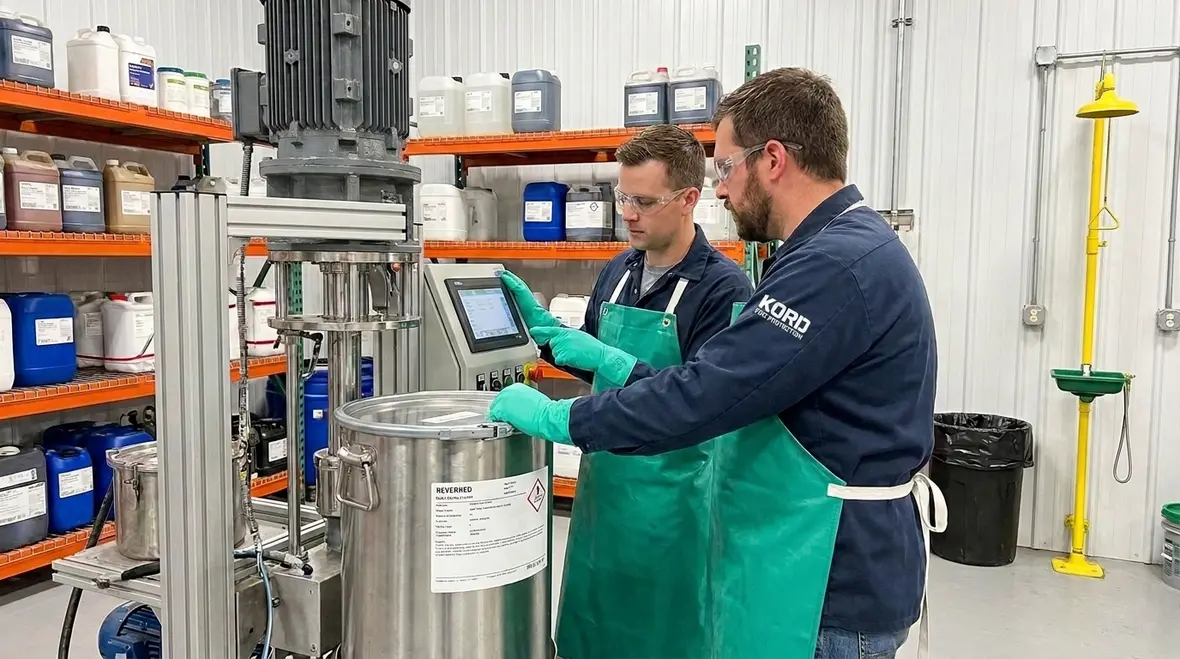
NFPA 33 Section 16.8: Trained Personnel for Peroxide and Multi-Component Work
Quick Answer: NFPA 33 Section 16.8 requires trained personnel for organic peroxide and multi component operations. Organizations must ensure workers understand hazards, handling and mixing steps, equipment use, emergency actions, and documented training appropriate to the specific process and peroxide type.
Facilities strengthening inspection readiness and documentation habits can also review this fire protection compliance auditing guide, which fits naturally with the recordkeeping and verification side of peroxide process training.
What does NFPA 33 Section 16.8 require for peroxide operations?
NFPA 33 Section 16.8 focuses on competency. For operations involving organic peroxides and multi component work, facilities must use personnel who are trained to perform assigned tasks safely and consistently. These NFPA 33 organic peroxide trained personnel requirements are not limited to surface level awareness. They include procedural understanding, hazard recognition, and the ability to respond when conditions deviate from normal operation.
Within commercial, industrial, and retail environments, this often becomes a cross functional compliance issue. Training may involve operations, maintenance technicians, warehouse or receiving staff, and contractors who support packaging, mixing, transfer, or cleaning activities. If training is not role specific and evidence of competence is not maintained, the facility risks unsafe work practices and enforcement exposure.
Why “trained personnel” matters more than signage and SDS access
In practice, the biggest failure points in peroxide and multi component systems rarely involve not knowing that a chemical is hazardous. They involve how the chemical is used. Organic peroxide reactions can be sensitive to contamination, heat, friction, improper mixing order, wrong component selection, and transfer practices that introduce unexpected oxygen, moisture, or incompatible materials.
NFPA 33 Section 16.8 addresses this by requiring trained personnel to understand the operational reality of peroxide systems. That means workers can:
- Apply process controls that limit heat buildup and prevent uncontrolled reaction conditions.
- Use approved equipment configurations for transferring, metering, and mixing components.
- Follow mixing sequences and timing controls that prevent premature or uneven reaction.
- Recognize early warning signs and stop work when parameters drift outside tolerances.
- Execute emergency actions safely, including incident containment and communications.
What training must cover for organic peroxide and multi component work
Facilities should structure training around the actual workflow. The goal is to ensure personnel can perform tasks without improvisation. A strong training program maps to each assigned role and the specific peroxide formulation used.
1) Hazard communication tied to the actual task
Training should connect SDS information to the specific operations conducted on site. Workers should understand the hazards associated with their activities, such as:
- Receipt, unloading, and storage segregation practices.
- Transfer and metering techniques that avoid uncontrolled mixing.
- Cleaning and residue handling that prevents incompatible contact.
2) Equipment operation and limitations
Organic peroxide handling often depends on engineered controls and careful operation. Trained personnel must understand equipment mechanisms, not just names. This includes knowledge of:
- Pumps, hoses, fittings, and seals designed for peroxide service.
- Metering and blending systems and how they maintain repeatable ratios.
- Interlocks, alarms, and shutdown sequences tied to safe operation.
- How to verify equipment readiness before starting a run.
3) Mixing order, timing, and contamination prevention
Many multi component failures occur during setup and transition points. Training should emphasize contamination control practices, such as ensuring correct component identity, verifying cleanliness of contact surfaces, and following mixing order and time windows.
4) Emergency response and incident control
Trained personnel must know what to do immediately when abnormal conditions occur. Training should include escalation paths, stop work criteria, and emergency communications. Workers should understand how to isolate the process safely and how to support emergency responders using established site procedures.
How facilities typically demonstrate compliance during audits
Compliance is evidence driven. Inspectors and corporate safety teams typically look for documentation and observable competence. For NFPA 33 organic peroxide trained personnel requirements, facilities should maintain records that show:
- Role based training assignments aligned to job duties.
- Training content tied to site processes, equipment, and peroxide formulation characteristics.
- Initial training before a person performs independent work.
- Periodic refresher training based on risk, changes to processes, or observed performance gaps.
- Evaluation methods, such as competency checks, procedure walkthroughs, or supervised task performance.
- Training records retained in a way that supports retrieval during inspections.
In commercial and retail operations, organizations sometimes underestimate the effort needed when contractors are involved. If a contractor performs mixing, transfer, or cleaning, the facility should ensure training expectations flow down and are verified. For industrial sites, the challenge often increases with shift turnover and equipment changes. A disciplined program helps prevent training drift.
Common operational failure points that training alone does not fix
NFPA 33 Section 16.8 focuses on personnel, but operational success depends on reliable systems. Facilities often find that training exposure increases compliance, yet incidents still occur when equipment or maintenance practices are weak.
1) Equipment deterioration and seal or connection problems
Over time, seals, hoses, and fittings can degrade or become contaminated. Personnel may follow procedures correctly but still face failure if equipment is out of service or not verified.
2) Process control gaps during changeovers
Mixing systems may behave differently after maintenance, line purges, filter replacements, or component swaps. Workers should verify readiness before use, but the facility must also ensure maintenance procedures support safe restart conditions.
3) Incomplete or outdated work instructions
If standard operating procedures do not reflect current peroxide type, mixing ratios, or transfer equipment, trained personnel can be set up to comply with the wrong instructions. Version control and periodic document reviews reduce this gap.
Kord Fire Protection supports commercial facilities by helping align operational risk with ongoing life safety and fire protection system performance, including inspection readiness and maintenance support. When training programs run alongside reliable system verification, facilities reduce both operational and compliance risk.
What is the best way to manage training as peroxide processes change?
Organic peroxide and multi component systems evolve through new formulations, supplier changes, equipment upgrades, and revised mixing controls. A practical approach treats training as a living compliance program.
- Re train when process parameters, equipment configurations, or peroxide products change.
- Use a change management checklist that triggers training impact review.
- Conduct supervised competency refreshers after maintenance that affects transfer or mixing components.
- Track training completion by role, shift, and contractor access needs.
- Coordinate with safety and maintenance leadership to prevent “training first, verification later” gaps.
If your program includes inspections and ongoing system verification, partner support can reduce administrative burden and prevent readiness surprises. For additional guidance on maintaining code aligned fire protection documentation, review Kord Fire Protection resources and request a compliance support review tailored to your facility’s operations.
Frequently Asked Questions
Next step: strengthen compliance before your next inspection
Confirm your NFPA 33 organic peroxide trained personnel requirements are met with role based training, competency verification, and documented refresh cycles tied to process changes. Then pair that program with ongoing readiness support for equipment and life safety documentation. Contact Kord Fire Protection to review your site’s training records, maintenance integration, and inspection readiness plan, and to build a practical path to defensible compliance across shifts and contractor work.

Join Our Newsletter!
Get the latest fire safety tips delivered straight to your inbox From our Newsletter.



