
NFPA 33 Section 15.3: Which Powder Coating Operations Are Applicable
Quick Answer
NFPA 33 Section 15.3 applies to specific powder coating process operations that create combustible powder dust and associated hazards. Applicability depends on how powder is produced, handled, applied, and cleaned, plus how air movement, recovery, and waste handling are controlled. Facilities should verify each operation against the code scope and document hazard controls.
If you are also reviewing broader spray operation scope questions, see NFPA 33 Section 1.3 Application: Spray Operations Covered and Excluded for related context on what NFPA 33 includes and excludes.
For facilities that need ongoing inspections and maintenance support, code-compliant fire protection services can help keep the paperwork from drifting away from the actual operation.
What NFPA 33 Section 15.3 is trying to prevent
NFPA 33 aims to control the fire, explosion, and combustion hazards associated with combustible dust and powder coating materials. Section 15.3 narrows the focus to the powder coating operations that the standard considers within its scope for specified safeguards. In practice, compliance teams must look past the paint booth label and evaluate the entire powder handling workflow, including transfer, spray application, powder recovery systems, and cleaning methods that can re suspend or accumulate powder.
Because dust hazards can intensify during normal production upsets, maintenance, and cleanup, the facility’s real world operation matters. This is where NFPA 33 powder coating applicability operations become a practical checklist topic for safety managers, fire protection engineers, and shop leadership.
Which operations typically fall under Section 15.3 applicability
Powder coating process steps often create combustible particulate in different ways. NFPA 33 applicability generally targets operations where powder is present in air, where dust can be released from equipment, or where residues can accumulate and become ignition sensitive. The most common areas that compliance audits should explicitly evaluate include application, powder recovery, conveying and transfer, and cleaning and maintenance activities.
1) Powder application and booth related processes
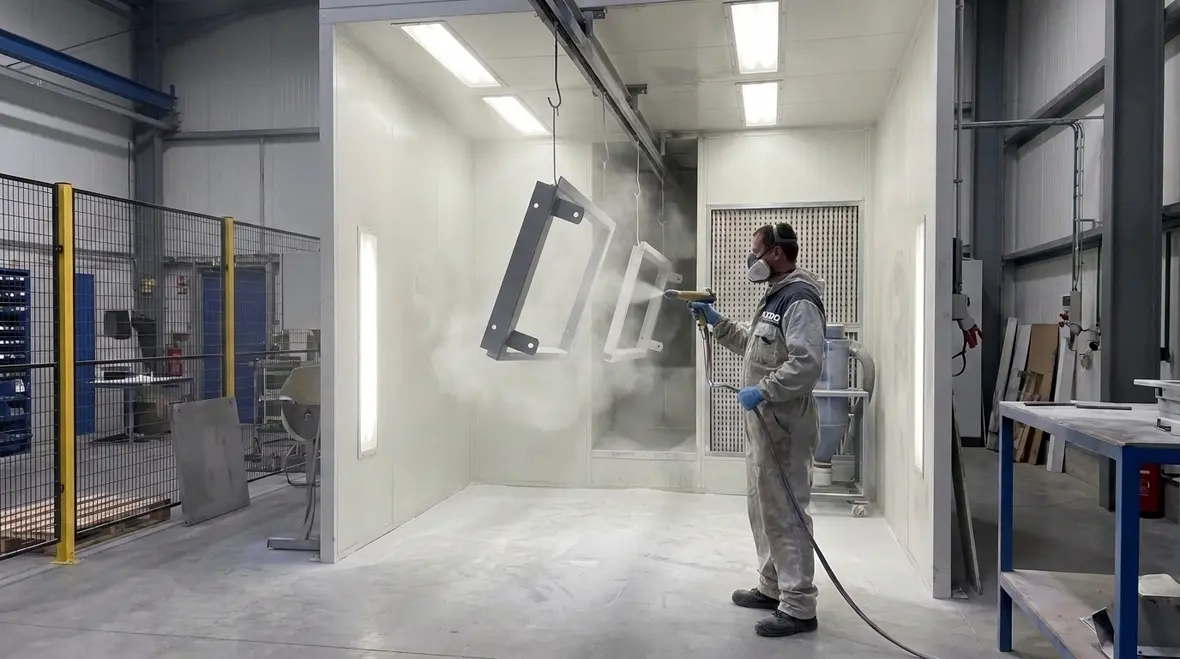
Operations that involve spraying or otherwise applying dry powder can release dust into enclosed or partially enclosed spaces. Compliance evaluations should confirm that powder application equipment and booth operations are designed to manage hazardous dust concentrations and that the facility maintains controls that prevent ignition of suspended powder.
From a failure point perspective, powder leakage around doors, poor gasket condition, damaged internal ducting, and uncontrolled airflows can all convert an otherwise contained booth area into a dust release environment.
2) Powder transfer, feeding, and conveyance
Powder moves between hoppers, feeders, spray equipment, and recovery components. The combustible dust risk increases when powder is pneumatically conveyed, when there are air currents around transfer points, or when maintenance requires opening systems that normally remain intact.
When facilities do not validate transfer line integrity after filter or hose changes, they often discover later that powder is escaping into work areas, electrical enclosures, or hidden ceiling spaces.
3) Powder recovery and filtration systems
Recovery systems separate overspray from air streams using collectors, cartridge filters, cyclones, or similar equipment. These systems typically create dust layers on equipment surfaces and can generate combustible dust during filter loading, cartridge replacement, or collector cleaning.
In many commercial facilities, compliance gaps appear during filter changeouts and collector maintenance because these tasks create high potential for dust release. Inspections should verify that procedures control dust disturbance and that designed safeguards are maintained.
4) Cleaning methods that can re suspend powder
Cleaning is a major driver of whether operations fall under the practical intent of NFPA 33 safeguards. Compressed air cleaning, dry sweeping without proper controls, and inadequate vacuum systems can re suspend powder into the air. Even if a booth area is designed correctly, poor cleaning practices can negate those protections.
Fire safety and operations teams should treat housekeeping as a compliance method, not an afterthought. Written procedures and training matter, especially in high throughput retail or light industrial coating lines where staff turnover can be higher.
Operations that require extra scrutiny during audits
Section 15.3 applicability decisions often fail because facilities focus on “where powder is sprayed” rather than “where combustible powder dust is produced, transported, or disturbed.” The following operational scenarios frequently trigger applicability questions and require documentable justification.
Downtime, startup, and changeover conditions
During startup and changeover, operators may purge, reconfigure, and test equipment. These activities can temporarily elevate dust release. Facilities should ensure that operating controls during changeover, including how lines are cleared and how overspray is managed, match the assumptions used in hazard evaluations.
Maintenance access and cartridge replacement
Filter and collector maintenance is a common “weak link.” Dust can escape during disassembly, and ignition sources may exist if equipment is not isolated and procedures do not control residual powder. Compliance programs should verify that maintenance plans include risk controls for exposed dust surfaces and that equipment condition tracking is enforced.
Waste handling and spent powder collection
Waste powder, rejected powder, and residues collected from recovery systems must be handled to prevent dust release and accumulation in uncontrolled areas. In warehouses, shared workshops, and mixed use industrial buildings, this becomes more complex because other processes may introduce ignition sources.
How facilities determine NFPA 33 powder coating applicability operations in practice
Strong compliance documentation typically uses a structured operation mapping approach. The goal is to define each process step, identify where combustible powder dust can become suspended or accumulate, and connect those findings to the safeguards expected by NFPA 33.
Step 1: Build an operation inventory by process node
Create a process list that includes hopper loading, powder feeding, application, recovery, conveying, cleaning, and maintenance tasks such as filter changeouts. For each node, document equipment type, operating method, and how dust is managed during normal operation and during upsets.
Step 2: Identify where dust release or accumulation occurs
Focus on release pathways: leaks, openings, poor seals, worn filter housings, duct penetrations, and cleanup activities that create re suspension. Also identify accumulation risks on horizontal surfaces, in ductwork, and around electrical and mechanical equipment.
Step 3: Verify controls through inspection, testing, and maintenance records
Applicability is not only about “what the booth does.” It is also about whether the facility maintains designed controls. Facilities should confirm safe operating parameters, validate that filters and collectors are serviced per manufacturer and code aligned requirements, and ensure that cleaning tools and housekeeping procedures prevent dust cloud generation.
Where documentation is inconsistent, Kord Fire Protection can support ongoing compliance by performing code oriented inspections, deficiency tracking, and service planning to reduce operational drift over time.
Common compliance gaps that affect applicability decisions
Even well designed coating systems can fall out of compliance. The most frequent issues that undermine applicability determinations involve equipment condition, maintenance practices, and hidden dust release points.
1) Poor booth and duct integrity
Damaged gaskets, misaligned doors, degraded duct joints, and leaks around recovery connections allow powder escape. Inspect for both visible residue and conditions that predict future leaks, such as abrasion points and vibration related wear.
2) Inadequate housekeeping controls
Compressed air cleaning and dry sweeping without engineered controls create re suspended dust. Compliance teams should verify that approved vacuum methods and controlled cleaning procedures match actual day to day practice.
3) Recovery system maintenance not aligned to risk
Delayed filter replacement, improper cartridge seating, or shortcuts during changeouts can elevate dust layers and release potential. Maintenance records should show consistent execution, not just “completed” status.
4) Shared spaces and mixed use layouts
In commercial and retail adjacent industrial settings, powder coating areas may share corridors, loading docks, or service spaces with other operations. That layout increases the consequence of a dust release event, which means the NFPA 33 applicability analysis must include where ignition sources exist and how separated the process really is.
Service partnership and documentation support
Compliance success depends on maintaining control performance through the entire production and maintenance cycle. Kord Fire Protection helps commercial facilities reduce the likelihood of undetected drift by supporting inspection readiness, documenting findings, and aligning ongoing maintenance to keep safeguards effective. For facilities that need to validate their NFPA 33 powder coating applicability operations approach, this support helps connect field observations to code expectations and operational procedures.
For additional guidance on commercial fire protection services, visit Kord Fire Protection.
Frequently Asked Questions
Conclusion and next steps
Confirm NFPA 33 powder coating applicability operations by mapping every powder process node, including recovery, cleaning, and maintenance tasks, then verifying that safeguards match actual conditions. If your operation lacks consistent documentation or maintenance evidence, now is the time to tighten procedures and inspection readiness. Contact Kord Fire Protection to support code aligned inspections, deficiency tracking, and ongoing maintenance planning so your powder coating operation stays compliant as production changes.

Join Our Newsletter!
Get the latest fire safety tips delivered straight to your inbox From our Newsletter.



