
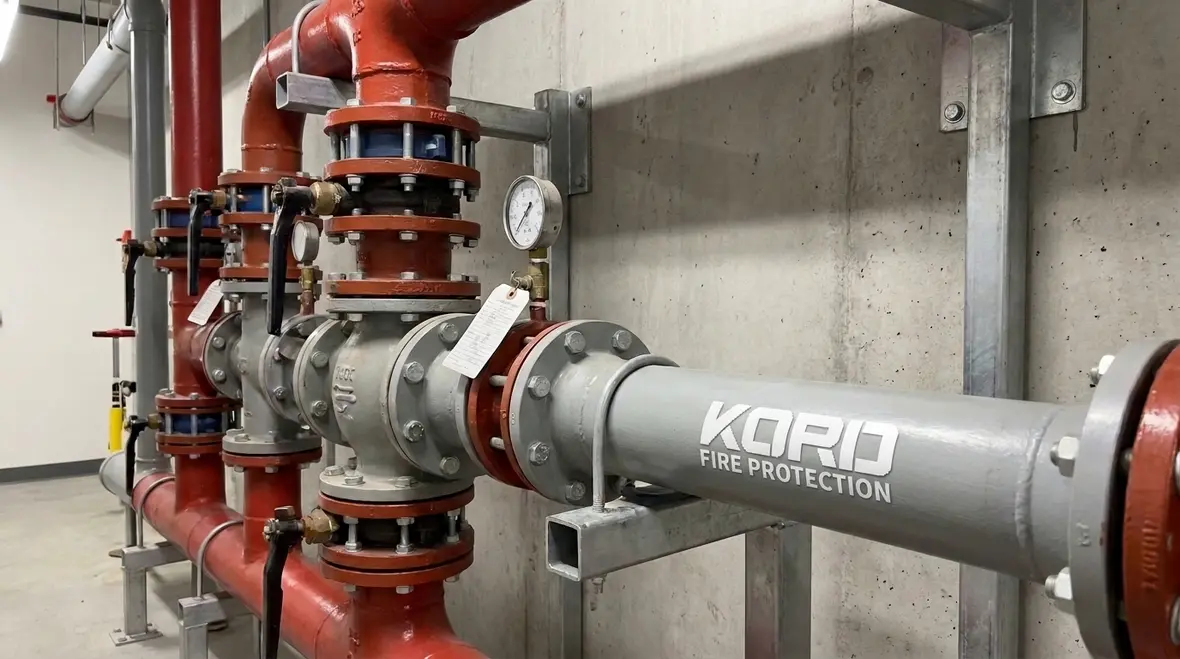
NFPA 32 Section 7.6: Interconnecting Components and Piping for Type II Equipment
Quick Answer: NFPA 32 Section 7.6 governs how Type II equipment interconnecting piping and components connect, support, and protect the fire protection system’s vapor or fluid paths. The section focuses on correct connection methods, secure installation, compatible materials, leak control, and inspection readiness for ongoing compliance.
For a related look at maintenance discipline in critical fire protection infrastructure, see NFPA 25 fire pump testing requirements, which fits naturally with the inspection and documentation mindset discussed here.
What Section 7.6 Requires for Type II Interconnections
NFPA 32 Type II equipment interconnecting piping is more than “plumbing.” Section 7.6 establishes minimum requirements for how components interface so the system performs as designed under fire conditions and remains reliable in normal operating conditions. In commercial facilities, where systems serve multiple floors, tenants, or production zones, interconnections often become the weak link due to field changes, vibration, corrosion, and deferred maintenance.
Compliance depends on consistent installation practices, correct component selection, and documented inspection and maintenance. Fire protection teams should treat interconnecting piping as a life safety interface, not an afterthought, because failures at couplings, fittings, valves, or supports can reduce agent delivery performance.
How Interconnecting Components Must Be Connected
Section 7.6 centers on ensuring interconnecting components connect in a manner that preserves system integrity. Practically, this means installers and inspectors verify that the connection method matches the component listing and system design intent. Common connection interfaces include:
- Threaded or flanged joints (where permitted by the system design and applicable listings)
- Fitting types that maintain compatibility with the transported agent and environmental conditions
- Valves and adapters that keep flow pathways unobstructed and leak resistant
- Transition points where pipe size changes or where routing meets equipment ports
Field crews often adjust runs to avoid obstructions. That can unintentionally introduce noncompliant fittings, misaligned joints, or stress at equipment connections. Interconnections must remain aligned and properly secured to prevent cyclic loading and microleaks.
Materials, Compatibility, and Corrosion Control in Real Facilities
Interconnecting piping must perform throughout the building’s service life in the environment where it resides. Commercial, industrial, and retail facilities frequently expose interconnections to humidity, dust, cleaning chemicals, and temperature swings. These conditions can accelerate corrosion, degrade seals, and loosen fittings.
Material compatibility is not optional
Using compatible materials protects against chemical attack and galvanic corrosion. Inspectors should confirm that:
- Pipe, fittings, and seals match the specified service conditions and agent compatibility requirements
- Transition joints do not create corrosion cells under normal humidity cycles
- External coatings or protective measures remain intact and continuous across repairs
Corrosion and contamination drive hidden failures
Common failure points include weep at joints, swollen or hardened elastomeric components, debris inside fittings, and scale from poor handling. These issues may not show up immediately during acceptance testing, but they can emerge after routine HVAC operation, seasonal weather changes, or building renovations.
Support, Alignment, and Stress Prevention for NFPA 32 Type II Equipment Interconnecting Piping
Even when the correct fittings are selected, poor support and alignment create system risk. Interconnecting piping must not impose mechanical stress on Type II equipment connections. In practice, inadequate support can lead to:
- Misalignment at equipment ports that compromises seals
- Fatigue cracking from vibration and thermal expansion
- Loosening of threaded joints
- Damage at elbows, tees, and flexible connections
Inspection focus areas for field verification
During compliance inspections and ongoing maintenance, the following items merit attention:
- Pipe support spacing and secure attachment to building structure
- Absence of sagging, kinks, or constrained routing
- Proper alignment at flanged connections and gasket seating
- Evidence of rubbing, strain, or contact with adjacent surfaces
Technicians should document any discovered misalignment or stress indicators because corrective actions often require rework of fittings, supports, or equipment interface components.
Testing, Inspection, and Maintenance for Ongoing Compliance
Section 7.6 interconnection requirements support reliable system operation, but compliance ends only when interconnections remain serviceable. Commercial facilities typically face schedule pressure, tenant fit-outs, and housekeeping disruptions that increase the chance of untracked changes to piping.
What goes wrong and why it matters
Interconnecting piping problems usually fall into a few patterns:
- Leak paths at joints: Seal degradation, improper torque, or damaged threads
- Valve or fitting issues: Obstructions, mispositioned handles, or internal wear
- Support failures: Loose hangers, missing restraints, or corrosion at anchors
- Unauthorized modifications: Replaced parts without matching listings or materials
How Kord Fire Protection helps commercial sites
Kord Fire Protection supports ongoing adherence by combining technical field verification with practical maintenance planning. For many facilities, the biggest challenge is keeping interconnecting piping configurations stable after remodels and operational changes. A structured inspection and maintenance program helps detect early deterioration and ensures records align with your compliance expectations.
To strengthen your internal process and documentation, see Kord Fire Protection for service information and guidance on commercial fire protection maintenance.
Common Compliance Challenges for Installers and Owners
Owners and facilities teams often encounter predictable obstacles during compliance management for NFPA 32 systems and Type II equipment interconnecting piping.
- Renovations and operational constraints: Late changes introduce mismatched fittings or incorrect routing around new walls and ceilings.
- Limited access for inspection: Concealed runs behind ceilings can delay detection of corrosion, seepage, or support deterioration.
- Documentation gaps: As-built drawings and component lists may not match the current field installation after maintenance or contractor turnover.
- Maintenance workload balancing: Deferred corrective actions compound wear at joints and supports, especially in harsh commercial environments.
Facilities reduce risk by requiring change control for interconnecting piping and by insisting that any repair maintains compatibility and connection integrity as originally installed.
Frequently Asked Questions
Call to Action
Ensure your NFPA 32 Type II equipment interconnecting piping stays compliant throughout its service life. Conduct targeted inspections for joints, supports, and corrosion risk, then correct deficiencies before they become delivery performance issues. Engage Kord Fire Protection to support ongoing testing, maintenance, and documentation that aligns with commercial facility expectations and reduces compliance uncertainty.

Join Our Newsletter!
Get the latest fire safety tips delivered straight to your inbox From our Newsletter.



