
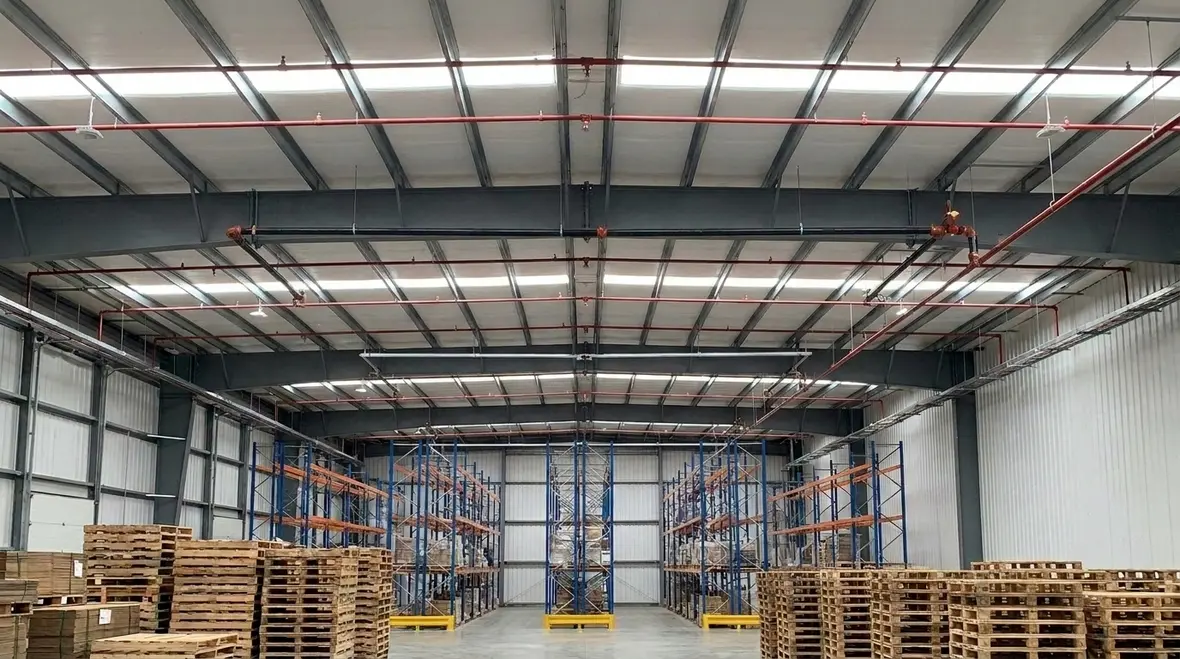
NFPA 32 Section 7.4: Automatic Sprinklers for Type II Facilities
Quick Answer
NFPA 32 Section 7.4 requires automatic sprinkler protection for Type II facilities in a way that matches the fuel or combustible loading and the hazards created by processing, storage, and operations. These requirements drive design decisions, acceptance testing, and ongoing inspection and maintenance.
The NFPA 32 Type II facility sprinkler requirements in Section 7.4 focus on ensuring fire suppression reliability where flammable or combustible materials are used or stored in commercial and industrial processes. For facility owners, operators, and safety teams, the key is not only meeting the initial design, but sustaining performance through routine inspection, re acceptance where systems change, and prompt correction of impairments.
For facilities that need hands-on support beyond the drawings, Kord Fire Protection provides commercial fire sprinkler service that fits naturally into inspection, maintenance, and system readiness programs. ([kordfire.com](https://kordfire.com/fire-sprinkler-service/?utm_source=openai))
What NFPA 32 Section 7.4 Means for Type II Sprinkler Design
Section 7.4 establishes that Type II facilities must be protected by an automatic sprinkler system where conditions create a credible fire scenario that could grow quickly. The sprinkler system functions as the primary water based response, designed to control fire spread and reduce heat release long enough for safe evacuation and effective incident management.
In practice, compliance hinges on matching sprinkler protection to the facility’s real hazards, including storage arrangement, likely fire growth, exposure from adjacent spaces, ventilation characteristics, and whether the facility contains combustible ceilings, partitions, racks, or obscuring materials. A design that “looks right” on plan sometimes fails during field verification because obstructions and coverage gaps only show up during layout walkdowns.
Which Hazards Get Covered and Why That Drives the Sprinkler Arrangement
Commercial and industrial facilities rarely have uniform fire load conditions. Even within the same occupancy type, the hazard profile can change across zones such as:
- Processing areas where ignition sources, heat, and handling increase fire probability
- Storage zones with higher fuel density and arrangement dependent combustibility
- Packaging, receiving, and staging locations with transient loading and blocking potential
- Utility or electrical areas where heat sources exist and shutdown timelines affect outcomes
These hazard differences drive sprinkler spacing, sprinkler type selection, coverage expectations, and how water delivery must respond under operating conditions. For NFPA 32 Type II facility sprinkler requirements, the design team must ensure that sprinklers are positioned to overcome common impairment risks such as stock piled materials, non standard ceiling configurations, and signage or ductwork that disrupts spray patterns.
Automatic Sprinkler System Components: Operational Performance and Failure Points
Section 7.4 is not just about installing heads. It assumes the system’s ability to actuate, deliver, and discharge water effectively when heat triggers activation. That means all supporting components must be maintained in an as designed condition.
Key components facility teams must protect
- Sprinkler heads: Correct type, temperature rating, orientation, and matching listed design conditions.
- Piping and hangers: Integrity against corrosion, mechanical damage, and incorrect restraints.
- Valves and supervisory devices: Tamper resistance and accurate supervisory status so abnormal conditions trigger alarms.
- Water supply and demand calculations: Adequate pressure, flow, and duration performance during design basis scenarios.
- Alarm integration: Proper notification pathways to meet inspection and operational expectations.
Common compliance and inspection challenges
Field audits frequently surface the same types of issues that undermine NFPA 32 Type II facility sprinkler requirements without being obvious from paperwork alone:
- Sprinklers obscured by storage growth or new rack systems after the original acceptance
- Unauthorized head substitutions or mismatched trim components after repairs
- Valve supervisory switches out of calibration or bypassed to “quiet” trouble alarms
- Corrosion, scale, or partial blockages that reduce effective discharge performance
- Insulation, ceiling tile modifications, and duct changes that alter discharge patterns
These are operational failure points. They matter because sprinkler systems depend on predictable spray delivery, correct thermal triggering, and uninterrupted water supply. Any deviation can slow response or prevent suppression control.
Acceptance, Inspections, and Maintenance: Staying Compliant After Installation
NFPA 32 sprinkler compliance is not a one time project. For Type II facilities, the system must remain functional as the facility evolves. That means the compliance program must cover inspection, testing, and maintenance procedures with discipline and documentation quality.
Acceptance and acceptance verification
When systems are newly installed or significantly modified, the facility should confirm that the sprinkler layout and water supply match the approved design. This includes verifying:
- Field measurement alignment to drawings and coverage intent
- Correct head specification by location and hazard zone
- Water supply readiness and alarm activation pathways
- Verification of clearance and obstruction controls
Ongoing inspection and testing
Routine inspections help identify impaired conditions before they create an emergency. Typical elements include visual checks for obstructions, tampering, leaks, or paint overspray that can affect head performance, along with functional testing of selected system features as required by applicable standards and local enforcement expectations.
Maintenance must also address the reality that commercial operations create change. Warehouse layout changes, seasonal storage patterns, renovations, and contractor work all introduce new risks. A strong program includes work control procedures so that contractors notify the fire protection team before moving racks, replacing ceiling elements, or modifying utilities near sprinkler piping.
For facilities that need dependable compliance oversight, Kord Fire Protection supports commercial sprinkler system service through structured inspections, testing coordination, impairment tracking, and maintenance planning. This approach reduces downtime surprises and helps keep systems aligned with NFPA 32 Type II facility sprinkler requirements over time. ([kordfire.com](https://kordfire.com/fire-sprinkler-service/?utm_source=openai))
If you also maintain fire alarm or detection systems as part of your life safety strategy, Kord Fire Protection can help align inspection practices across systems through its broader full fire protection services. ([kordfire.com](https://kordfire.com/full-fire-protection-services/?utm_source=openai))
Compliance Walkthroughs: How to Prove Sprinkler Coverage in the Real World
Enforcement and internal safety audits tend to focus on proof. Proof comes from field verification. A practical walkthrough methodology helps facility teams demonstrate that the designed sprinkler coverage remains effective in its current configuration.
Run the walkthrough like an incident commander
- Look for obstructions near sprinkler heads and within expected spray patterns
- Confirm that ceiling type and obstructions match design intent
- Verify that stored materials stay below allowed clearance zones
- Check valve supervisory status and that alarms are not disabled
- Identify “hot work” history and confirm it did not compromise piping or heads
Document the findings so maintenance can close them
Effective compliance documentation includes photos, location tagging, corrective action tracking, and verification of completion. This matters because repeated issues often appear in the same zones due to operational workflow. Addressing root causes, such as storage layout rules or contractor work permits, improves long term performance.
Frequently Asked Questions
Direct Call to Action
NFPA 32 Type II facility sprinkler requirements demand more than installation paperwork. Facility teams should schedule a compliance focused sprinkler assessment that verifies hazard alignment, obstruction control, and system readiness for the current operating layout. Contact Kord Fire Protection for ongoing inspection, testing coordination, and maintenance support that helps keep your automatic sprinkler system reliable year after year, even as your facility changes.

Join Our Newsletter!
Get the latest fire safety tips delivered straight to your inbox From our Newsletter.



