
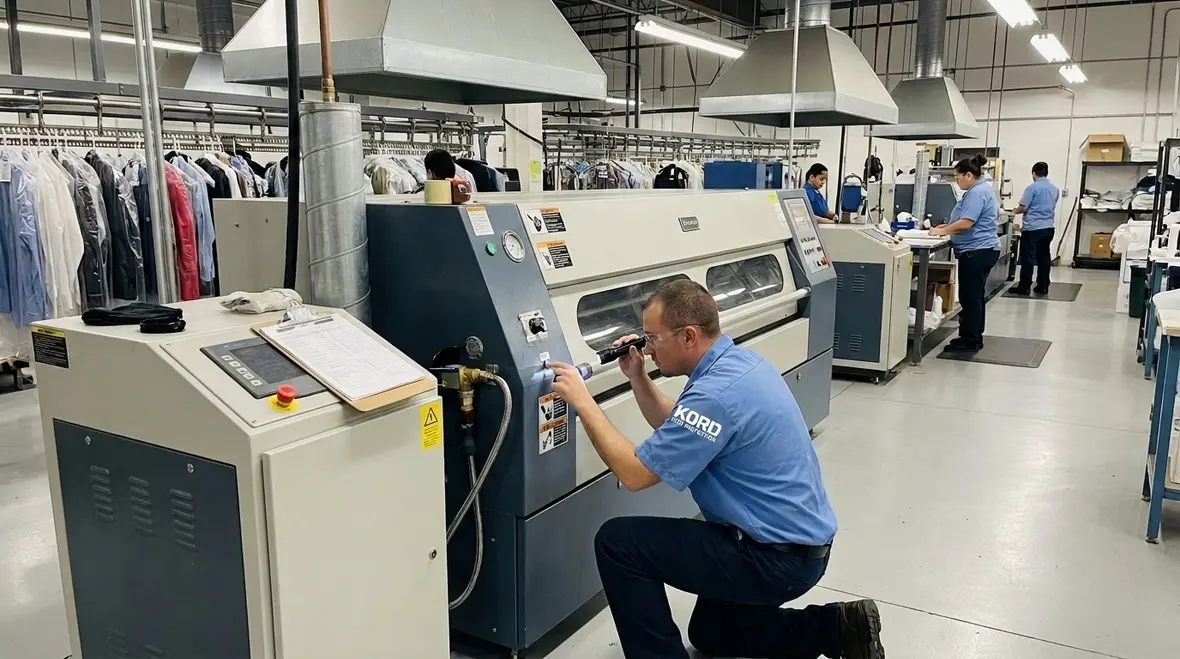
NFPA 32 Section 5.2: Safe Daily Drycleaning Practices for General Operations
Quick Answer: NFPA 32 Section 5.2 establishes daily operational controls that reduce fire and explosion risk during routine drycleaning. Facilities should verify ventilation, maintain safe solvent handling practices, keep equipment in proper working condition, and document inspections so hazards do not accumulate between maintenance cycles.
For facilities building a stronger compliance rhythm, fire protection services in Southern California can help connect daily operating discipline with scheduled inspections, repairs, and documentation support.
What NFPA 32 general operations drycleaning practices require each day
NFPA 32 general operations drycleaning practices focus on repeatable safe work during normal production hours. Section 5.2 centers on daily checks and operational discipline that prevent small issues, such as ventilation degradation, improper solvent handling, or worn protective components, from turning into ignition sources. In commercial settings, compliance also depends on consistent staff training, accurate recordkeeping, and fast corrective action when inspections reveal deficiencies.
Because drycleaning systems routinely handle combustible or flammable liquids and associated vapors, daily operational safety concentrates on limiting vapor accumulation, controlling ignition potential, and ensuring safeguards operate as designed. These requirements matter most in industrial plants and retail drycleaning shops where equipment runs frequently and downtime can disrupt safety workflows.
Daily pre production checks that catch common failure points early
Daily drycleaning operations depend on early detection. A strong Section 5.2 program starts before the first load. Facilities typically implement a documented checklist that includes at minimum the controls below, tailored to the specific solvent type, machine design, and ventilation scheme used on site.
Ventilation performance and vapor control
Vapor control is one of the most practical daily safeguards. During daily operations, staff should verify that exhaust systems serving drycleaning equipment and work areas operate as intended. This includes confirming that fans and ducting are not obstructed, that dampers or interlocks do not appear stuck, and that local exhaust captures vapors at potential leak points such as loading and unloading interfaces.
Common failure points in real facilities include filter loading, duct leakage, loose duct joints, mispositioned hoods, and incorrect fan settings after service work. Any reduction in capture can increase vapor concentration and reduce safety margins.
Machine operating condition and protective functions
Drycleaning machines incorporate protective controls that assume components remain within design parameters. Daily checks often include visual confirmation that covers, doors, and seals remain intact and seated, that emergency stops are accessible, and that gauges and indicators display values consistent with normal operating conditions.
Technicians should also look for early signs of solvent leaks, deteriorated gaskets, abnormal odors, wetness around fittings, and fluid residue on the cabinet exterior. A leak that appears minor at the start of shift can expand as vibration and temperature cycling continue through the day.
Workplace housekeeping and ignition source management
Daily housekeeping supports Section 5.2 by reducing fuel load and eliminating slip and spill conditions. Operational controls include keeping floors free of solvent contaminated residue, managing waste towels and filters in approved containers, and preventing pooled liquids near the machine base or in service areas.
Facilities also need daily awareness of ignition sources. That includes controlling hot work scheduling, preventing use of unauthorized equipment near solvent handling areas, and ensuring that electrical equipment and wiring remain in good condition without visible damage, corrosion, or improper modifications.
Safe solvent handling and transfer during routine production
Most daily incidents arise from predictable routines: filling solvent tanks, transferring solvent, managing still residue, and handling wet articles. NFPA 32 Section 5.2 expectations translate into a disciplined method that prevents spills, limits vapor releases, and maintains closed system integrity wherever possible.
Filling, topping off, and avoiding uncontrolled releases
Drycleaning shops commonly top off solvent during the shift. Daily practice should avoid overfilling, confirm that fill connections are properly seated, and ensure that any cap, fitting, or coupler returns to its designed secured position. Any transfer system that allows vapor escape should be monitored for soundness and proper engagement.
When staff report strong solvent odor or see visible mist near transfer points, the daily response should be immediate. Production should pause, and corrective action should address the cause, not only the symptom.
Still operations and waste management that do not accumulate hazards
Still residue and waste create a localized hazard profile. Daily operations should include maintaining safe container management practices, using appropriate lids and closures, and preventing waste build up in areas where vapors can accumulate. Waste handling should also respect the facility’s approved storage and disposal procedures, including segregation where required by the site program.
Failure point patterns include delayed removal of waste containers, missing labels, containers left open, and storing waste in nonapproved locations near exhaust air pathways.
Loading and unloading controls to limit vapor release
Loading and unloading cycles can expose the operator to vapors if practices allow improper purge timing or delayed closure. Section 5.2 style controls prioritize correct sequence: confirm cycle completion before opening, maintain stable machine conditions, and ensure any doors or covers close promptly after tasks.
Training should require consistent technique, especially for stores with multiple part time operators. Variations in routine create more opportunities for inadvertent release and inconsistent housekeeping.
Ventilation, doors, and interlocks: how compliance stays functional
NFPA 32 Section 5.2 treats daily operations as a system performance issue. Even when the drycleaning machine is functioning correctly, ventilation and interlocks must remain operational so the facility can prevent hazardous vapor accumulation.
Interlock integrity during shift changes
Commercial facilities often experience shift changes, temporary staffing, and equipment servicing. Section 5.2 compliance depends on ensuring interlocks that tie ventilation and machine operation remain functional and that staff understand what to do when alarms occur.
A common operational gap involves “resetting” alarms without investigation. Daily checks should confirm that any alarm or abnormal ventilation condition triggers the correct escalation process and that work stops until safety functions are verified.
Ductwork and exhaust pathway verification
Daily checks typically cannot replace periodic maintenance, but they can detect obvious changes. Staff can watch for unusual fan noise, visible exhaust obstruction, or missing components near hoods and duct entries. For deeper verification, facilities should schedule maintenance that includes inspection of duct joints, inspection of fan condition, and checking control sequences against design intent.
To strengthen internal program quality, Kord Fire Protection supports commercial operators by aligning inspection, testing, and maintenance activities with the operational realities of drycleaning facilities. This includes helping sites avoid drift between “as built” performance and “as operated” conditions over time.
Documentation and corrective action: the difference between inspection and safety
Section 5.2 style compliance relies on evidence. Daily checklists and logs should capture what staff verified, what readings or observations occurred, and what actions the site took when issues appeared.
What good daily records include
- Date, shift, and equipment identification.
- Ventilation status verification and any observed anomalies.
- Leak observations and how the site responded.
- Housekeeping status and waste container compliance.
- Any equipment out of service time and corrective actions taken.
Corrective action thresholds during the day
Daily operations require clear stop conditions. For example, a confirmed solvent leak, abnormal odor suggesting vapor release, or ventilation abnormality should trigger cessation of production until trained personnel assess the system. Documentation should show whether the machine remained in operation and why, if production continued.
This approach improves audit readiness and reduces the likelihood that repeated minor issues become recurring ignition scenarios.
Make the maintenance plan match your operating schedule
Retail and industrial facilities run at different intensities, but both are exposed to component wear from daily cycling and cleaning chemicals. Facilities should ensure that periodic maintenance does not get pushed out due to workload pressure.
Kord Fire Protection can assist by establishing an ongoing compliance calendar and supporting the testing and inspection needs that daily checklists cannot fully cover. This helps keep safety systems aligned with manufacturer requirements and the expectations embedded in NFPA 32.
For related guidance on facility safety management and fire protection services, see this fire protection services guide by Kord experts.
Frequently Asked Questions
Call to action: tighten daily controls and validate the system
Safe drycleaning depends on both disciplined daily practices and verified system performance. Facilities should implement Section 5.2 style checklists with clear stop conditions, then back them up with a scheduled inspection and testing plan. Contact Kord Fire Protection to review your current operational controls, ventilation and safeguards status, and documentation workflow so your NFPA 32 general operations drycleaning practices remain effective every day.

Join Our Newsletter!
Get the latest fire safety tips delivered straight to your inbox From our Newsletter.



