
NFPA 32 Section 1.1 Scope: What Drycleaning Facilities the Standard Covers
Quick Answer: NFPA 32’s Section 1.1 defines which drycleaning operations must follow the standard, based on the type of cleaning system and the use of flammable or combustible liquid solvents. It applies most directly to commercial and industrial drycleaning facilities where solvent handling and exhaust or drying hazards exist.
For broader fire protection services in Southern California, Kord Fire Protection supports commercial and industrial facilities with inspections, repairs, installations, and compliance-focused service that fits naturally alongside NFPA 32 planning.
What does “scope” mean in NFPA 32 Section 1.1?
Section 1.1 sets the boundary for applicability. In practice, it answers a compliance question: does your drycleaning operation fall under NFPA 32’s safety requirements for installation, operation, maintenance, and protection of solvent processing and associated equipment? For facility owners, operators, and safety managers, the scope language drives which procedures, inspection items, and engineered controls must be included in day to day work.
Because NFPA 32 is technology focused, the scope hinges on how a facility cleans, what solvent system it uses, and how it processes vapor and waste streams. For drycleaning facilities that handle the relevant classes of flammable or combustible liquids, NFPA 32 scope drycleaning facilities covered requirements typically include controls for ignition sources, ventilation and exhaust, solvent recovery and drying operations, emergency response considerations, and maintenance of critical safety components.
Which types of drycleaning operations typically fall under NFPA 32?
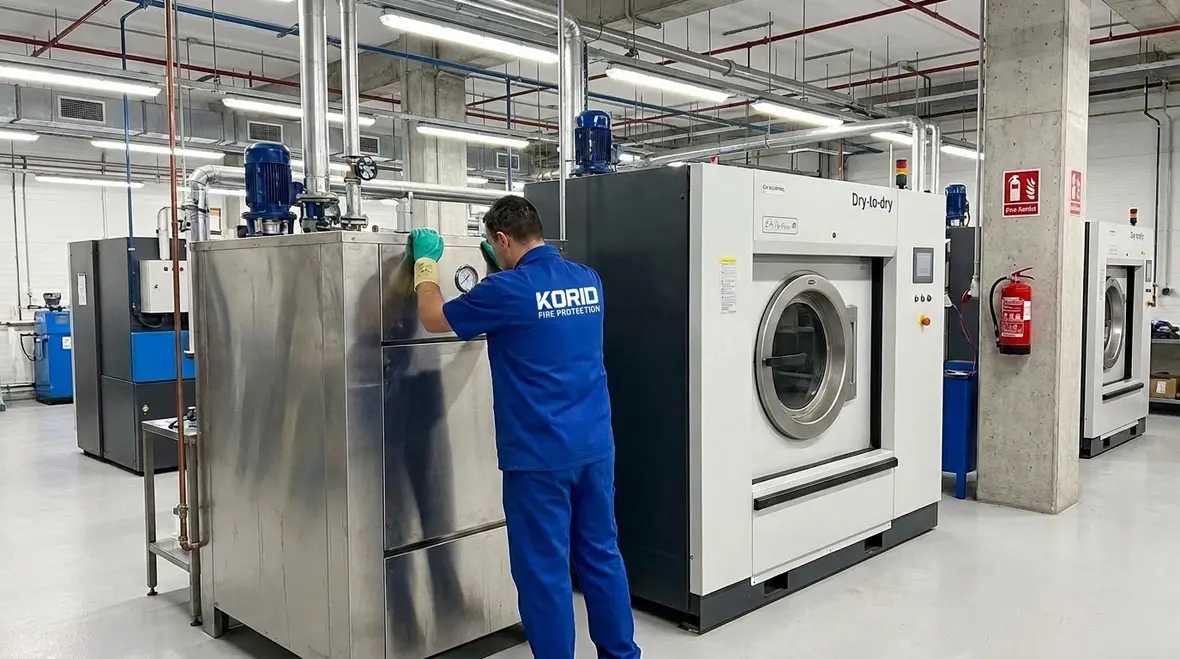
NFPA 32 scope drycleaning facilities covered usually include operations where garments are cleaned using solvent systems that introduce fire or explosion hazards through vapor release, transfer, drying, or recovery equipment. Most facilities that purchase or operate dry-to-dry or wet-to-dry solvent machines, solvent transfer systems, filtration systems, and solvent recovery or distillation units fall within the intended audience.
Dry-to-dry and wet-to-dry solvent systems
Facility compliance typically begins with the drycleaning machine type. If the process includes solvent cleaning, drying, solvent transfer, or vapor recovery, the facility must consider the ignition control and vapor management requirements that NFPA 32 addresses. The scope analysis should not treat the cleaning machine as the only hazard source. Vapor can be present during loading, draining, filter changes, distillation cycles, and maintenance openings.
Solvent recovery and distillation processes
Solvent recovery units concentrate the real risk picture. Even when a facility claims “less solvent usage,” recovery and distillation can create conditions for flammable vapor accumulation if normal venting, condensation control, or non sparking components fail or degrade. Scope determination therefore often expands beyond the main machine to include recovery equipment, piping, valves, pumps, and condensers.
Facilities performing secondary handling and waste processing
Many commercial locations have additional steps that connect directly to fire protection performance, including:
- Filter carts and filter housings with residual solvent
- Still residues and waste drum storage
- Transfer hoses, quick connects, and drain systems
- Waste water or special waste handling if solvent carryover exists
When these activities support solvent processing, NFPA 32’s scope considerations often apply because the facility still produces or manages flammable vapor and liquid during routine and non routine operations.
How to interpret scope for commercial, industrial, and retail sites
Compliance teams often struggle when the same landlord building hosts multiple uses, or when a facility’s drycleaning operation differs from the typical standalone storefront. The scope decision can depend on the operational details rather than the business name. A “drycleaning counter” does not automatically remove NFPA 32 applicability if the back room processes solvent, runs recovery equipment, or includes drying cycles with flammable vapor generation.
Common scope evaluation points for facility staff
To make scope decisions defensible during audits and insurer reviews, teams typically document the following:
- Exact drycleaning machine make and model, including solvent type and drying method
- Solvent storage quantity and container types, including drum handling procedures
- Ventilation system design, including ducting, fans, and exhaust routing
- Solvent transfer method, including hoses, pumps, and quick connect fittings
- Recovery and distillation components, including condensers and vent controls
- Filtration process and maintenance intervals for filter equipment
During walkthroughs, Kord Fire Protection commonly focuses on whether staff can explain how solvent vapor is controlled during loading, draining, filter changes, and shutdown. That operational reality often determines how well the facility meets NFPA 32 intent even when documentation appears complete.
What equipment and processes usually drive NFPA 32 scope compliance?
NFPA 32 scope requirements frequently connect to equipment that can release vapor, accumulate flammable concentrations, or fail in ways that create ignition exposure. The risk is rarely static. It cycles with each production workflow and maintenance action.
Ventilation and vapor control systems
Ventilation systems manage hazardous atmospheres by directing or exhausting solvent vapors. If exhaust paths are blocked, fan speeds drift, dampers malfunction, or ducting corrodes, vapor control can degrade quickly. Scope compliance often requires documented inspection, testing, and maintenance of these components at the intervals aligned with manufacturer instructions and applicable standards. For added context on ventilation control strategy in code-driven environments, see NFPA 70 110.57 Ventilation System Control Locations.
Solvent transfer and pump systems
Transfers connect liquid and vapor hazards. Common failure points include degraded hoses, loose or worn fittings, leaky quick connects, and pump seals that allow vapor leakage. Operational controls also matter. Staff training must cover safe connect and disconnect practices, spill prevention, and leak response that does not create additional ignition exposure.
Drying, recovery, and distillation cycle integrity
Drying cycles can generate vapor quickly. Recovery and distillation depend on condensation performance and stable process conditions. Equipment that runs without periodic checks can drift out of design tolerances, allowing vapors to vent improperly. From a compliance perspective, the facility should treat these items like safety critical controls rather than routine production components.
Maintenance, inspection, and documentation: where compliance commonly breaks
Even when the facility “falls under” NFPA 32, non compliance often emerges from maintenance gaps. Operators may know what to do during normal runs but not how to verify that safety components remain functional. The following issues frequently increase risk and trigger audit findings:
- Missing or outdated inspection records for ventilation and exhaust components
- Filter handling procedures that do not account for residual solvent
- Delayed replacement of gaskets, hoses, and seals
- Inconsistent checks of alarms, interlocks, and emergency shutdown functions
- Spill response supplies not staged, expired, or not compatible with the solvent system
For commercial operations with frequent shift changes, documentation discipline matters. Kord Fire Protection supports facilities by aligning routine maintenance and inspection practices with the expectations that fire safety surveys and insurer reviews typically reinforce. That includes practical verification of critical fire and life safety performance items, not just paperwork completion.
Learn more: related fire protection considerations for solvent systems
Fire and life safety for solvent based operations requires a complete risk picture that often extends beyond NFPA 32’s scope language. For facilities that need broader guidance on protecting commercial properties with specialized fire safety strategies, Kord Fire Protection provides service support that complements NFPA 32 compliance planning. For more on commercial fire protection planning and ongoing service needs, see Local Fire Protection.
Frequently Asked Questions
Next step: validate scope and tighten ongoing compliance
Drycleaning facilities reduce risk fastest when scope is confirmed early and critical safety equipment is verified continuously. Kord Fire Protection helps commercial teams connect NFPA 32 scope drycleaning facilities covered interpretation to real inspection, testing, and maintenance workflows. Contact Kord Fire Protection to schedule a compliance focused review and build an inspection plan that keeps staff, equipment, and documentation aligned.

Join Our Newsletter!
Get the latest fire safety tips delivered straight to your inbox From our Newsletter.



