
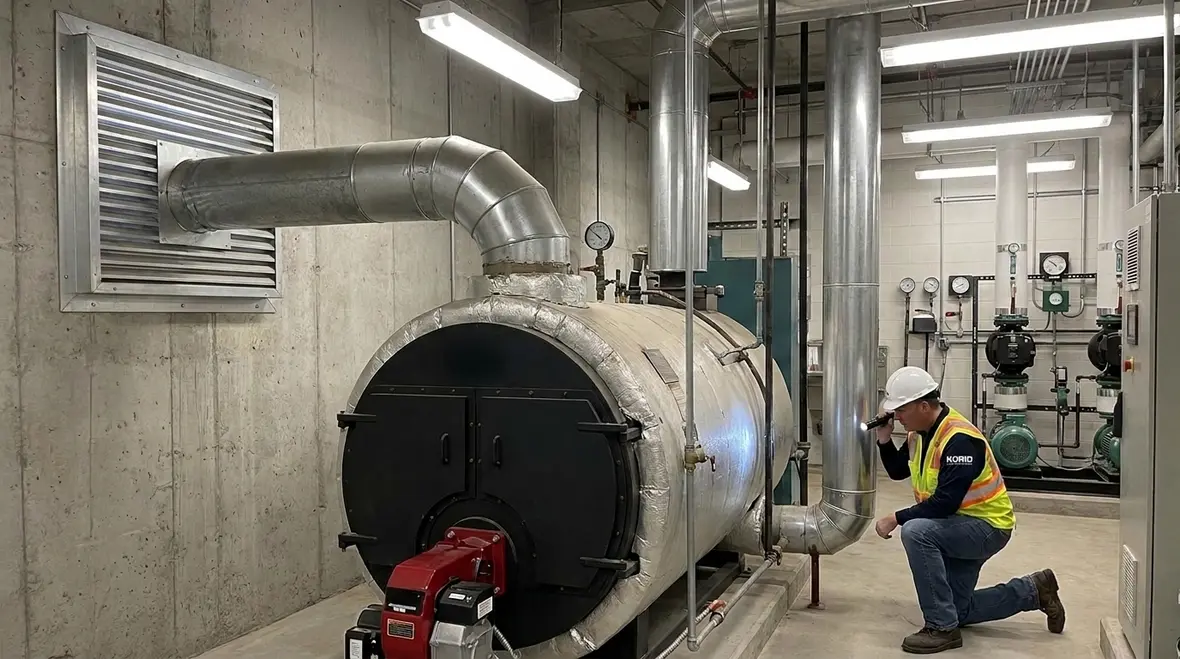
NFPA 31 Section 5.1: Scope of the Combustion Air and Ventilation Chapter
Quick Answer
NFPA 31 Section 5.1 defines what the combustion air and ventilation chapter covers and sets boundaries for how facilities must plan, install, and maintain air supply and venting for oil burning equipment. It clarifies applicability so inspectors can verify system integrity and safety performance.
For teams reviewing broader fire protection obligations across commercial properties, commercial fire protection services in Southern California can help frame how combustion safety work fits into a larger compliance strategy.
Why Section 5.1 matters before anyone “sizes” air or vents
Commercial owners and facility managers often treat combustion air and ventilation as a calculation exercise. NFPA 31 Section 5.1 (the NFPA 31 chapter 5 combustion air scope) instead frames the operational intent behind the requirements: the equipment must receive adequate combustion air and the system must manage products of combustion safely under normal and abnormal operating conditions.
This scope language controls how engineers and contractors interpret the rest of Chapter 5. It influences intake placement, ducting decisions, fan use, combustion tuning, draft control, and the inspection and maintenance approach that follows installation.
What NFPA 31 Section 5.1 establishes about applicability
Section 5.1 sets the boundary for the combustion air and ventilation requirements in the chapter. In practice, the scope statement forces teams to confirm three things before installation begins:
- Which oil burning equipment types and configurations the ventilation planning must support
- How the surrounding space and building features affect air supply and exhaust pathways
- Which installation and operating scenarios require the combustion air and venting provisions to be demonstrated and maintained
For commercial, industrial, and retail facilities, this matters because building HVAC systems, loading dock doors, makeup air units, and exhaust appliances can shift pressure relationships. If the scope is misunderstood, teams may design a compliant venting system that still fails in the real facility due to pressure reversals, blocked inlets, or improper air balancing.
How the combustion air scope affects system design decisions
1) Pressure relationships drive performance, not just “air openings”
NFPA 31 Chapter 5 requirements depend on stable conditions where combustion air reaches the equipment at the needed rate and where the vent system can expel combustion products safely. In real commercial buildings, competing airflows frequently create negative or excessive positive pressure around the burner and its venting components.
Common failure patterns include:
- Exhaust fans or warehouse ventilation pulling air from boiler or furnace spaces
- Makeup air systems not coordinated with burner demand
- Closet or equipment room doors left propped open, changing draft and airflow patterns
- Inlet grilles partially blocked by storage, signage, or debris
2) Intake location and ducting must resist operational drift
The scope language influences where and how combustion air pathways are treated. Outdoor air intakes must avoid rain intrusion, snow and ice effects, and contamination. Indoor air intakes must consider cross contamination from dusty or corrosive areas and must protect against inadvertent closure during routine operations.
In commercial facilities, intake failure often shows up as intermittent burner lockouts, elevated CO readings during commissioning, odor complaints, or nuisance shutdowns during seasonal HVAC changes.
3) Ventilation performance depends on maintaining vent integrity
Vent systems are not static once installed. Scale, soot loading, corrosion, joint leakage, and condensate handling can change over time. Section 5.1 scope affects expectations for how teams should consider the venting chapter as part of a complete combustion air and ventilation strategy.
When ventilation pathways degrade, combustion air effectiveness drops and draft behavior becomes inconsistent. That inconsistency can produce incomplete combustion, higher smoke, and increased flame instability.
Compliance challenges in commercial facilities: where teams get tripped up
Even when drawings show “adequate openings,” field realities often break compliance. The most frequent commercial issues include:
- Untracked building modifications such as new roof exhaust units, tenant fitouts, or revised HVAC control sequences
- Seasonal changes that alter pressure, humidity, and intake blockage risk
- Maintenance gaps where intake screens, louvers, and vent components are not included in the planned service routine
- Testing constraints where commissioning reports do not include verification of combustion air and ventilation performance under representative operating conditions
These issues connect directly back to the NFPA 31 chapter 5 combustion air scope because inspectors and service teams must ensure the installed system matches the safety intent defined by the chapter’s boundary conditions.
Inspection, maintenance, and verification: making the scope real
A strong compliance program treats combustion air and ventilation as an ongoing performance system, not a one time installation checkbox. Verification typically includes evidence that openings remain unobstructed, that pressure conditions remain acceptable, and that venting and draft behavior stays within safe operation during normal loads.
For oil burning equipment, Kord Fire Protection supports commercial owners with practical ongoing compliance work that usually includes:
- Visual inspection of combustion air pathways and termination points for obstruction and damage
- Assessment of venting system condition and signs of leakage, corrosion, or abnormal condensate
- Operational checks and documentation that align with facility operating modes and service intervals
- Maintenance planning that reduces the chance of drift caused by tenant operations and building HVAC changes
For a deeper installation focused perspective on oil burning equipment and how combustion safety controls should be treated in the real world, refer to Kord Fire Protection’s practical guide to oil burning equipment installation.
That resource complements the scope intent in Section 5.1 by grounding compliance in how equipment interfaces with air supply and venting during initial setup and continued operation.
Frequently Asked Questions
Call to action: Review your current drawings, commissioning documentation, and maintenance records against the NFPA 31 chapter 5 combustion air scope to confirm the installed configuration still matches real operating conditions. Kord Fire Protection can help your team validate combustion air and ventilation performance, identify drift risks, and maintain audit ready evidence for commercial compliance. Arrange an assessment for your equipment room and venting system before the next operational or seasonal change.

Join Our Newsletter!
Get the latest fire safety tips delivered straight to your inbox From our Newsletter.



