
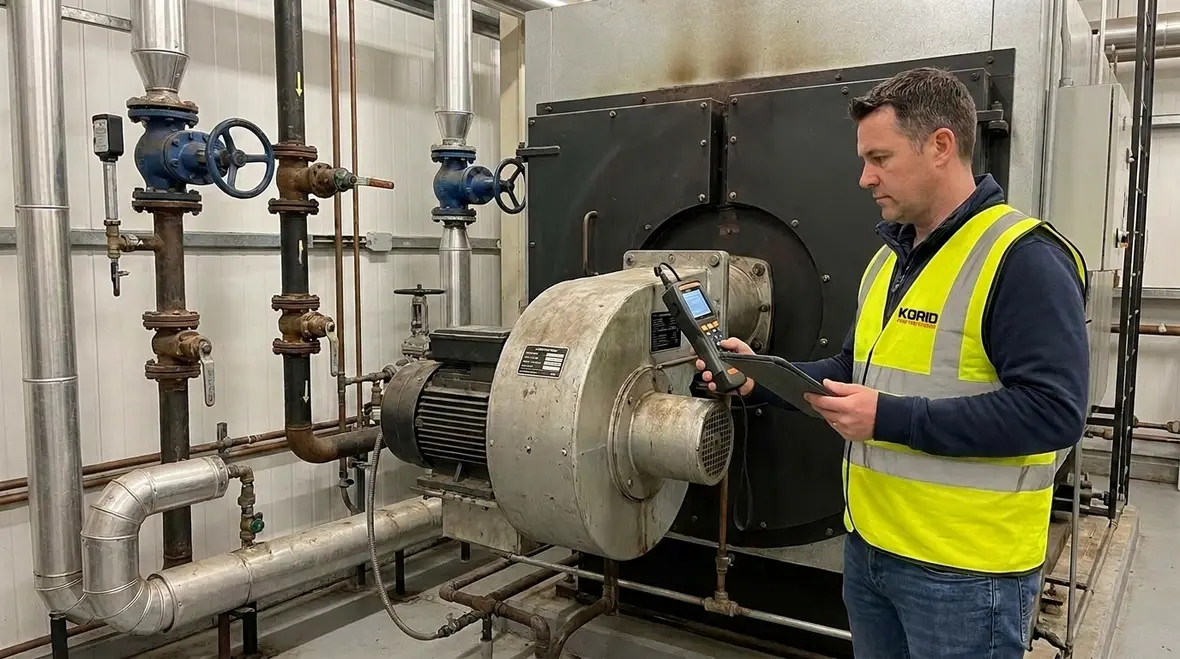
NFPA 31 Section 1.4: Retroactivity Rules for Oil Burner Codes
Quick Answer: NFPA 31 Section 1.4 limits when new code requirements must be applied to existing installations. In practice, facilities must meet baseline safety conditions, follow the change in risk and maintenance intent, and document any upgrades required due to major modifications, replacements, or hazards identified during inspections.
If you are already mapping broader compliance work across your property, Kord Fire’s fire protection services in Southern California page gives a useful overview of inspections, repairs, upgrades, and emergency support that can fit naturally alongside oil burner code planning. ([kordfire.com](https://kordfire.com/fire-protection-services-southern-california/?utm_source=openai))
Why Section 1.4 Matters to Commercial Operators
NFPA 31 governs oil burner equipment and oil burning systems used in commercial, industrial, and retail occupancies. Section 1.4 addresses retroactivity, meaning it controls when code provisions apply to older systems that were installed to earlier editions or different requirements. For owners and facility managers, the practical goal is to reduce risk without forcing unnecessary wholesale replacements.
When maintenance teams, contractors, or insurers ask about NFPA 31 retroactivity existing oil burning equipment, the right response usually depends on how the equipment is being used, what changes occur, and what condition is discovered during inspection and testing. A strong compliance process turns those variables into predictable actions, schedules, and documentation.
What NFPA 31 Section 1.4 Says in Operational Terms
Section 1.4 does not treat all existing equipment the same. Retroactivity generally applies in a risk targeted manner. The code’s intent is to require existing systems to remain in safe operating condition and to require code compliance for new work, repairs, and modifications that affect performance or safety functions.
Baseline expectation for existing equipment
Existing oil burning equipment typically must continue to operate in a safe manner consistent with NFPA 31. That means combustion controls, fuel supply arrangement, venting, and safeguards must function as intended. If the system condition fails safe operation tests or creates hazards, the facility must take corrective action even if the installation was originally accepted under prior rules.
When retroactivity becomes a compliance trigger
Retroactivity usually becomes more involved when the facility performs work that changes the system. Common triggers include:
Burner replacement or burner firing rate changes
Oil piping modifications, tank work, or changes to piping arrangement
Changes to venting or chimney liners that affect draft and combustion products
Updates to controls, safety interlocks, or switching logic
Alterations that change the fuel type, fuel quality, or atomization conditions
Identified safety deficiencies that indicate the existing configuration cannot meet safe operation objectives
In these cases, the “existing system” does not automatically remain grandfathered in full. Instead, the scope of retroactive compliance typically follows what changed, plus what is required to correct unsafe or non functional conditions.
How Compliance Works Day to Day: Inspection, Testing, and Documentation
Commercial facilities often discover retroactivity issues during commissioning, after major repairs, or as part of recurring maintenance. NFPA 31 compliance for oil burner equipment relies on a cycle of inspection, functional testing, and records. The objective is to show that safety critical components operate correctly and that the installation continues to meet the code’s performance intent.
Inspection focus areas that commonly drive retroactive actions
During field evaluation, the items that most often lead to corrective or upgrade work include:
Combustion safeguards: verification of lockout behavior, flame supervision response, and correct control sequences
Firing rate and burner settings: ensuring stable combustion and correct operation at the system’s required load range
Fuel delivery and shutoff: checking valve function, leak tightness, and proper control of flow
Venting and draft: confirming vent routing and performance that prevents spillage or unsafe combustion byproduct conditions
Heat exchanger condition: identifying soot buildup, corrosion, and blockages that alter heat transfer and combustion stability
Nozzle and atomization performance: ensuring correct spray pattern and pressure, with attention to wear patterns
Emergency and abnormal operation response: verifying that safety functions respond correctly to abnormal conditions
When these checks reveal deficiencies, the facility should expect a scope decision that can involve partial upgrades. That is where the “retroactivity rule” becomes more than paperwork and turns into practical system improvement.
Documenting the decision process
To manage liability and reduce operational downtime, the facility should document:
Equipment make, model, and listing information
Test results for safety controls and combustion performance
Observed discrepancies and their impact on safe operation
Scope justification for any upgrades linked to specific changes or hazards
Maintenance actions taken and verification that the system returns to safe operating condition
Kord Fire Protection supports commercial teams by aligning field testing and reporting with NFPA 31 expectations so owners can demonstrate due diligence and maintain a clear upgrade path when retroactivity is triggered by repairs, replacements, or risk findings.
Common Retroactivity Scenarios in Commercial, Industrial, and Retail Sites
Retroactivity disputes often come from assumptions that a system is fully grandfathered, or that code only applies when the entire plant is rebuilt. In real facilities, the code’s safety intent and the effect of changes drive the outcome.
Scenario 1: Burner replacement with unchanged piping and venting
If a burner is replaced, the facility often must verify that the new burner and controls integrate safely with existing piping and venting conditions. Even when the vent and oil piping remain unchanged, the burner’s firing profile and safety control sequence can require adjustments to ensure safe combustion and proper flame supervision. If testing identifies unsafe combustion indicators, corrective actions may be required, potentially including upgrades that bring specific safety functions into compliance.
Scenario 2: Oil piping repairs after leaks or obsolete components
Repairs frequently become a compliance trigger because they change the system configuration and can introduce non conforming elements. If obsolete fittings, improper routing, or degraded components are found, the code approach usually shifts toward correcting hazards and ensuring safe operation. This can include replacing valves, upgrading components, or revising piping arrangement to meet current requirements for function and integrity.
Scenario 3: Vent or chimney liner work after draft or spillage issues
Draft and venting performance directly affects combustion products control. If the facility experiences spillage, flue gas leakage, or unstable combustion, retroactivity may apply more broadly because the system’s ability to operate safely is compromised. Updated venting measures, proper sealing practices, and verification testing often become required to restore safe operation.
For more installation and ongoing compliance considerations, refer to NFPA 31: A Practical Guide to Oil Burning Equipment Installation, which supports teams planning safe installation practices and maintaining code alignment as equipment changes over time.
Mechanical Failure Points That Trigger Code Corrections
Retroactivity frequently surfaces after equipment failures. The key point is that the code does not reward “in place” operation when a safety function fails. Facilities typically must restore safe operation, which can require code related corrections even if the failure occurred in an older configuration.
Fuel and ignition chain weaknesses
Common failure patterns include worn nozzles, unstable atomization, contaminated fuel, incorrect pressure settings, and degraded ignition components. These failures can produce incomplete combustion, carbon buildup, and unstable flame conditions. Safety controls may lock out repeatedly, which creates operational pressure to bypass safeguards. A compliant approach rejects bypassing and corrects the root cause through proper set up and replacement of worn components.
Venting and combustion byproduct control problems
Draft issues often lead to abnormal combustion conditions. Improper vent routing, inadequate chimney performance, or blocked heat exchanger sections can contribute to spillage and unsafe operation. If the system’s combustion products are not controlled as intended, it can force retroactive corrective action focused on venting and combustion safety performance.
Controls and interlock malfunction
Safety interlocks, flame detection, and control sequencing can degrade due to contamination, age, or incorrect wiring after prior servicing. When tests show delayed response or incorrect lockout operation, facilities typically must correct the control system and verify performance. That correction frequently expands beyond the failed component because the code intent focuses on system level safety.
Plan Your Upgrade Path: A Practical Compliance Strategy
Facilities reduce cost and downtime when they treat retroactivity as a managed process rather than an emergency reaction. The most efficient strategy pairs planned maintenance with clear decision criteria for when NFPA 31 retroactivity existing oil burning equipment must be addressed through partial upgrades.
Best practices for commercial readiness
Use a recurring inspection schedule to catch degradation before it triggers safety shutdowns
Verify combustion performance at each service cycle using documented tests
Coordinate repairs and replacements with a defined scope that includes safety integration checks
Maintain an equipment change log so the facility can justify code scope decisions tied to specific alterations
Train operations and maintenance staff to avoid bypassing controls and to escalate lockout patterns immediately
Kord Fire Protection acts as a continuity partner for commercial sites by supporting testing, documentation, and practical upgrade planning. This helps owners align maintenance practices with NFPA 31 safety intent while minimizing unnecessary disruption.
Frequently Asked Questions
Next Step: Get a Field-Based Retroactivity Review
If your facility operates existing oil burner equipment and faces inspections, repairs, or component replacements, request a practical NFPA 31 review before work begins. Kord Fire Protection can help confirm safe operating performance, identify which changes trigger retroactivity, and plan compliant upgrades with minimal downtime. Contact Kord Fire Protection to schedule a service assessment and create a documented compliance pathway for your site.

Join Our Newsletter!
Get the latest fire safety tips delivered straight to your inbox From our Newsletter.



