
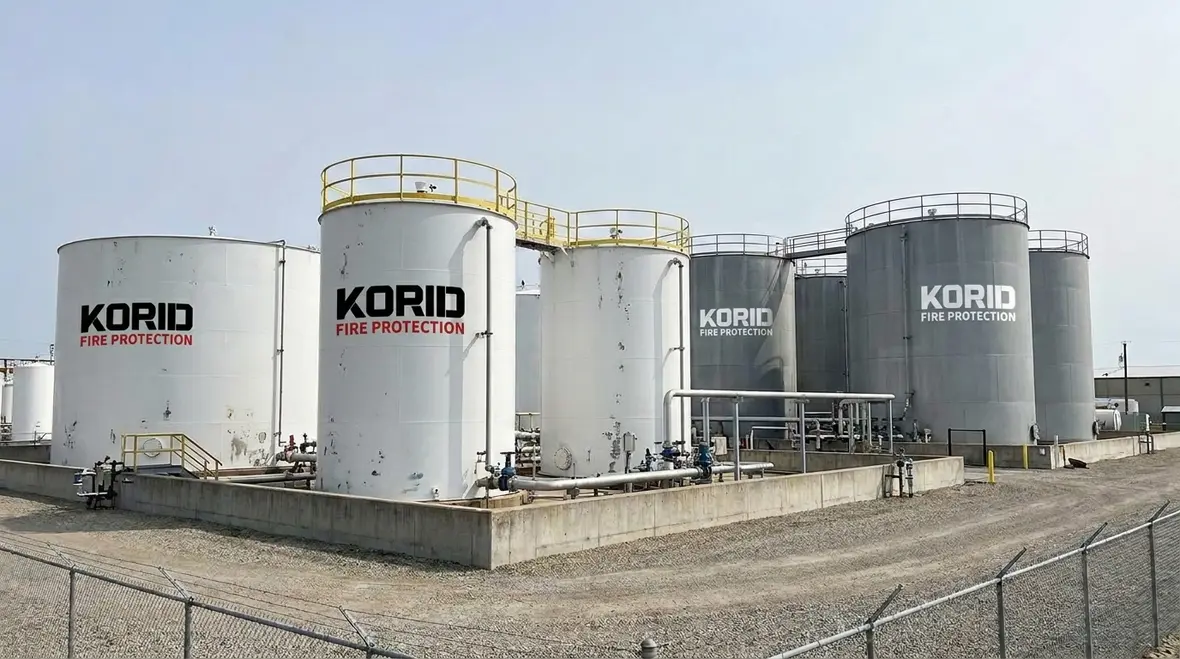
NFPA 30 Section 22.1 Scope: Aboveground Storage Tanks
Quick Answer
NFPA 30 Section 22.1 scope aboveground tanks defines when and how aboveground storage tanks must be protected under NFPA 30. It sets expectations for the hazardous fuel system, tank installations, impairment prevention, and inspection readiness. Compliance depends on the liquid type, tank design, and facility operating controls.
What “Section 22.1 scope aboveground tanks” means in practice
NFPA 30 Section 22.1 scope aboveground tanks establishes the baseline boundaries for applying NFPA 30 to aboveground tank storage. In commercial environments, this scope matters because it determines which protection and management requirements apply before a site becomes fully operational. For fire safety managers, the scope triggers work that typically starts at the tank design and installation review stage, then continues through commissioning, ongoing inspections, maintenance, and incident readiness.
From an operational standpoint, the scope also influences how facilities handle documentation, testing schedules, and any change management when products, temperatures, fill rates, or maintenance practices change. Kord Fire Protection supports this lifecycle with practical compliance planning aligned to commercial facility realities, including downtime control and inspection access constraints.
For facilities that need broader system support around hazardous liquid risks, Kord Fire Protection’s fire suppression system services fit naturally into the compliance conversation by helping commercial sites keep protective systems inspection-ready.
Where Section 22.1 applies: installation and hazard context
Even when a tank is physically located outdoors and appears isolated, NFPA 30 compliance depends on the hazard context around it. Facilities should treat Section 22.1 as a “start point” for determining the correct protective framework for aboveground storage tanks. In practice, compliance teams confirm key installation attributes, such as:
- Tank service and contents: the stored flammable or combustible liquid category drives hazard classification and the protective measures expected around the tank system.
- Tank location and separation: proximity to buildings, property lines, and ignition sources affects the required risk controls and operational limits.
- Tank appurtenances: vents, fill connections, piping, valves, and ancillary equipment determine where failure most often starts.
- Containment and spill control: diking, drainage design, and impairment prevention directly influence spill fire growth potential.
Commercial, industrial, and retail operators commonly struggle at the interface between “tank hardware” and “real site operations.” For example, an installation that meets design separation can still become noncompliant if maintenance practices later introduce ignition sources, incorrect electrical classifications, or blocked vent pathways. Kord Fire Protection helps clients translate the NFPA 30 scope into field-ready inspection checklists, so compliance keeps pace with day to day operations.
Operational procedures that affect compliance outcomes
Section 22.1 scope aboveground tanks does not exist in isolation. Aboveground tank safety depends on how the facility operates and maintains the system. Fire safety professionals should expect compliance to require procedural controls that reduce the likelihood of ignition and limit escalation if a release occurs.
Tank filling, venting, and transfer controls
Many aboveground incidents begin during transfer activities because filling, venting, and temporary hoses create multiple failure points. Facilities typically need:
- Verified procedures for filling rates and topping off practices that can reduce abnormal venting conditions.
- Clear inspection requirements for hoses and couplings used during transfers, including replacement triggers and damage tolerances.
- Operational checks confirming vents and relief pathways remain unobstructed and function as intended.
Grounding, bonding, and ignition source control
Electrostatic and electrical ignition risks require sustained controls. Even when a tank system includes grounding and bonding, compliance depends on whether field teams maintain continuity and correct connections during routine work. High risk failure points include:
- Loose or corroded bonding connections after weather exposure and maintenance activities.
- Unauthorized modifications to electrical equipment or cable routing.
- Improper use of portable tools near fill points without proper safety controls.
To connect broader flammable liquid regulatory context with operational controls, facilities often use resources like how NFPA 30 regulates flammable liquids to align internal training and audit programs with the code intent. This improves consistency between the written program and on site observations.
Inspection and maintenance focus areas for aboveground tanks
In practice, compliance failure often occurs not at installation, but during the inspection and maintenance window. Fire safety specialists should prioritize inspection coverage for mechanisms most likely to degrade over time.
Common failure points inspectors should target
- Corrosion and coating deterioration: weak spots around weld seams, nozzles, and attachment points can lead to leaks.
- Valve and gasket degradation: worn seals can create intermittent releases that go unnoticed.
- Vent system impairment: obstructions, misalignment, or incorrect protective devices reduce the tank’s ability to relieve pressure or vent vapors.
- Containment impairment: blocked drainage, damaged diking, or compromised spill control reduces containment reliability.
- Fire protection impairment: if fire control measures are installed, damaged components or blocked access can invalidate readiness.
Commercial maintenance realities that must be managed
Commercial facilities often operate under strict uptime requirements. That reality creates a maintenance compliance risk: tasks get deferred or simplified in the name of productivity. A robust compliance program therefore includes:
- Scheduled access planning for inspection routes, spill containment areas, and vent discharge zones.
- Work order controls that confirm correct parts and approved procedures for tank appurtenances.
- Documented acceptance criteria that define “pass or fail” conditions for inspection results.
Kord Fire Protection supports recurring compliance activities by providing practical testing, inspection oversight, and documentation support that helps commercial operators maintain a defendable inspection trail. This approach reduces last minute compliance scramble and supports consistent audit outcomes across multiple sites.
Equipment mechanisms that determine real-world safety performance
Aboveground tank safety depends on how tank systems behave under normal and abnormal conditions. Fire safety professionals should understand the mechanisms that drive performance so inspections remain meaningful.
Pressure relief and venting behavior
Relief and venting mechanisms help prevent dangerous pressure conditions and limit vapor release pathways. When these systems are improperly installed, mismaintained, or obstructed, safety performance can degrade quickly. Inspectors should evaluate signs of impairment, incorrect installation practices, and wear or damage to components that regulate vapor flow.
Containment and drainage response
Containment systems control where liquid goes during a release and influence whether fire growth escalates. Facilities should verify that diking and drainage design do not inadvertently spread flammable liquid to ignition sources or protected areas. This often requires coordination between operations, civil maintenance, and fire safety teams, especially after landscape changes, vehicle impacts, or storm events.
How to build a defensible compliance program around Section 22.1
To manage NFPA 30 Section 22.1 scope aboveground tanks effectively, facilities need a program that connects the code scope to daily execution. A defendable approach includes:
- Scope mapping: document why the tanks fall into or out of specific NFPA 30 requirements based on service and design.
- Inspection plan: define frequency and responsibilities for tank appurtenances, containment areas, and access routes.
- Maintenance controls: enforce approved repair methods, parts verification, and post maintenance verification testing.
- Training and transfer procedure reinforcement: ensure staff understand how transfer and filling practices affect hazards.
- Change management: require review when products, equipment, or operating conditions change.
Kord Fire Protection acts as a commercial service partner that helps sites keep compliance aligned to operational reality, including coordination for maintenance windows, record management, and follow up actions that close gaps before they become incidents.
Frequently Asked Questions
Next step: confirm your aboveground tank scope and inspection readiness
Facilities should verify NFPA 30 Section 22.1 scope aboveground tanks for each tank, then align inspection and maintenance tasks to the actual failure points in their operations. Kord Fire Protection can help build a practical compliance plan, support ongoing inspections and documentation, and close gaps with timely corrective actions. Contact Kord Fire Protection today to review your tank installations and develop an inspection and maintenance approach that holds up during audits.

Join Our Newsletter!
Get the latest fire safety tips delivered straight to your inbox From our Newsletter.



