
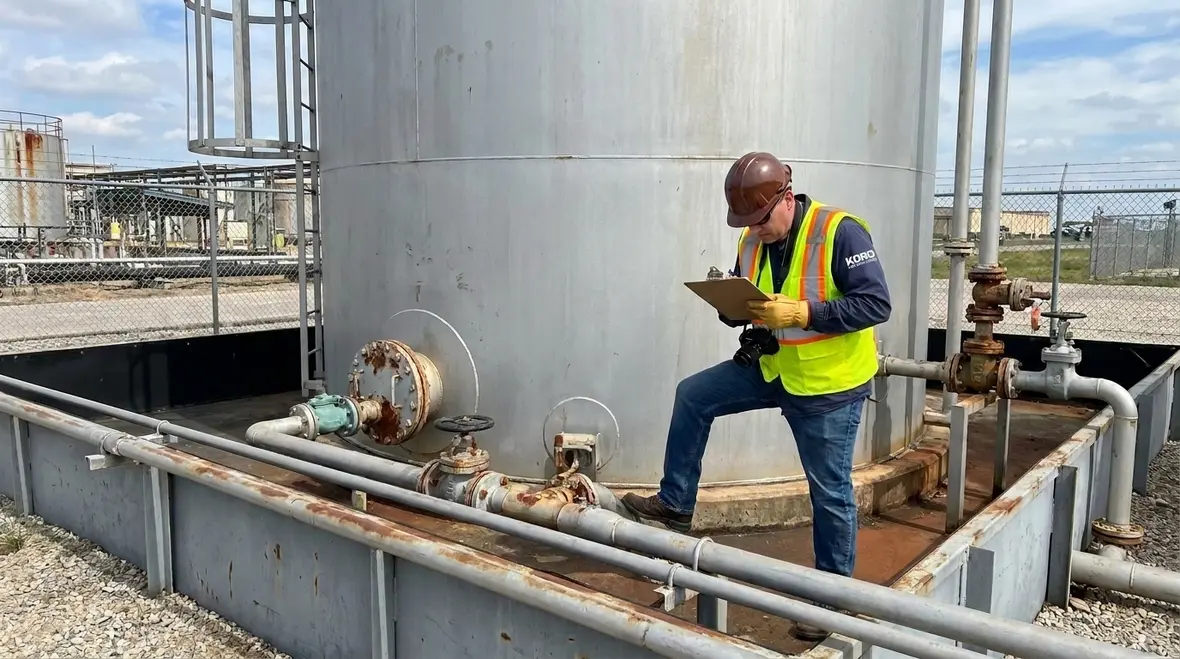
NFPA 30 Section 21.8: Inspecting and Maintaining Storage Tanks
Quick Answer
NFPA 30 Section 21.8 tank inspection maintenance sets expectations for inspecting storage tanks, verifying integrity of components, and correcting defects before they escalate into releases, fires, or environmental incidents. Facilities must follow a structured inspection approach, document findings, and maintain equipment that supports safe tank operation.
NFPA 30 Section 21.8 tank inspection maintenance focuses on keeping aboveground and related storage tank systems operating within safe parameters. For commercial, industrial, and retail operations, compliance is not only a regulatory obligation. It also protects people, reduces downtime, and prevents costly emergency repairs caused by corrosion, failed valves, damaged seals, or unsafe venting.
Facilities dealing with flammable liquid storage often benefit from broader system planning too, especially when inspection routines connect with containment, suppression, and operational controls. A related guide from Kord Fire Protection worth reviewing is layered fire protection system for flammable liquids. ([kordfire.com](https://kordfire.com/layered-fire-protection-system-for-flammable-liquids/?utm_source=openai))
What NFPA 30 Section 21.8 requires in practical terms
Section 21.8 establishes a framework for inspecting and maintaining storage tanks and associated components. In commercial facilities, these tanks commonly support flammable and combustible liquid distribution for process use, retail dispensing, fleet fueling, or off site storage connected to transfer lines.
While facility practices vary by tank type, construction, and operating environment, NFPA 30 Section 21.8 tank inspection maintenance typically drives a repeatable cycle:
- Identify tank components that affect containment, pressure and venting control, and system reliability.
- Perform inspections at defined intervals, after abnormal events, and when changes occur.
- Document inspection results, repairs, and any corrective actions required to restore compliance.
- Maintain systems that protect tanks from unsafe conditions, including corrosion control measures, leak prevention features, and safe venting.
In day to day operations, the most challenging part for facilities is not understanding the concept. It is building an inspection program that can withstand audits, contractor turnover, and operational changes such as new product blends, altered fill frequencies, or temporary bypasses during maintenance.
Key tank components inspection teams should prioritize
Effective NFPA 30 Section 21.8 tank inspection maintenance aligns inspection scope with the components most likely to fail over time. Safety critical defects often originate where fluid contact, environmental exposure, and mechanical wear overlap.
Shell, base, and containment integrity
Inspection teams should prioritize surfaces that experience corrosion, mechanical damage, or coating breakdown. Failures in these areas can lead to leaks that migrate under insulation, into containment systems, or into soil and groundwater pathways.
- Look for corrosion patterns, coating holidays, and signs of undermining at the base.
- Verify condition and continuity of protective coatings or linings where specified for the service environment.
- Confirm that the tank supports and foundation remain stable and free of conditions that promote deformation.
Valves, fittings, and gaskets
Valves and fittings create failure points because they are repeatedly operated, exposed to product vapors, and subject to gasket aging. A common operational risk is deferred maintenance on small leaks that become bigger due to pressure cycling.
- Inspect for leakage at packing, seals, and flange connections.
- Confirm that closures operate as designed and that actuators, if present, function safely.
- Verify gasket condition and correct selection for the liquid and temperature range.
Vents, pressure relief, and emergency venting interfaces
Improper venting can expose tanks to unsafe pressure or vacuum conditions and can intensify fire and vapor hazards. Facilities should treat vent components as life safety equipment and confirm they remain unobstructed and in acceptable condition.
- Check venting pathways for obstructions, corrosion, and damage.
- Verify protective features and that openings remain clear for proper pressure control.
- Use documented testing methods where required and maintain records of outcomes and adjustments.
How inspection intervals and triggers work in the real world
Many facilities use a calendar based schedule, but robust NFPA 30 Section 21.8 tank inspection maintenance programs also use event driven triggers. These triggers help prevent a known defect from becoming an uncontrolled incident.
Calendar inspections
Routine inspections support ongoing verification of tank integrity and component condition. These should include documented observations and corrective actions with traceable work orders.
Event based triggers
Event driven inspections should occur after conditions that increase risk. Examples include:
- Abnormal weather exposure, including severe storms and lightning impacts.
- Impact events, such as vehicle strikes on bollards or piping supports.
- Product changes that affect material compatibility or vapor characteristics.
- Maintenance activities that require isolation, opening of lines, or replacement of parts.
- Evidence of leakage, odor complaints, vapor detection alarms, or performance deviations.
For commercial operators, the compliance pitfall is inconsistent trigger execution when multiple contractors work on the tank and associated piping. A clear responsibility matrix and documented “stop and inspect” criteria help prevent missed inspections and incomplete records.
Common failure points that inspections should catch early
Even when tanks appear intact, underlying degradation often starts in predictable places. Identifying early failure points is the highest value part of NFPA 30 Section 21.8 tank inspection maintenance because it avoids emergency downtime.
Corrosion under insulation or coatings
Coating failures create pathways for corrosion. Moisture ingress and coating breakdown can remain hidden until the tank surface deteriorates significantly. Inspections should account for how product, condensation, and environmental exposure interact at specific locations.
Loose connections and recurring seepage
Small seepage at flanges or valve connections can reoccur after minor adjustments. Recurrence signals deeper issues such as incorrect torque, gasket incompatibility, or distortion of mating surfaces. A corrective action must address root cause, not only the symptom.
Vent obstructions and deteriorated vent pathways
Vents can become partially obstructed by debris, spider webs, corrosion products, paint over-spray, or improper modifications. Inspections should include verification that vent openings remain clear and that no unauthorized changes have occurred.
Documentation and compliance management that holds up during audits
NFPA 30 Section 21.8 tank inspection maintenance expects more than inspection activities. Facilities need traceable records that demonstrate what was checked, what was found, and what was done. Strong documentation reduces friction with insurers, regulators, and internal stakeholders.
What high quality records include
- Inspection date, tank identification, and component list reviewed.
- Photographic evidence where applicable, plus defect descriptions and location references.
- Measured values and test results when testing methods apply.
- Repair details, including parts replaced, work scope, and verification that the tank returned to safe condition.
- Follow up actions and due dates for unresolved items.
Building an inspection program across teams
Commercial facilities frequently manage tanks through facilities, operations, and external contractors. A practical compliance model assigns:
- Operational owners to ensure tanks are used within safe procedures and report abnormal conditions.
- Inspection owners to maintain schedules, scope, and record integrity.
- Maintenance owners to complete corrective actions promptly and verify performance after repairs.
To understand how broader NFPA 30 requirements affect day to day storage of flammable liquids, facilities should also review this guide: how NFPA 30 regulates flammable liquids.
Why Kord Fire Protection supports ongoing tank inspection maintenance
Many commercial sites run on tight schedules, and inspection tasks compete with production and retail operations. Kord Fire Protection helps facilities keep NFPA 30 Section 21.8 tank inspection maintenance aligned with real operational constraints by supporting planning, compliance documentation, and coordinated maintenance readiness.
Depending on site needs, Kord Fire Protection can help establish consistent inspection workflows, support corrective action tracking, and ensure that safety critical equipment and inspection results remain audit ready. This approach reduces the likelihood of deferred defects, repeat failures, and last minute emergencies that disrupt commercial operations. If you need broader inspection or repair support, Kord Fire’s fire protection services in Southern California page provides a natural next step for coordinating service. ([kordfire.com](https://kordfire.com/fire-protection-services-southern-california/?utm_source=openai))
Frequently Asked Questions
Conclusion and Call to Action
NFPA 30 Section 21.8 tank inspection maintenance protects facilities by keeping tank integrity and safety critical components in reliable condition, with documented inspection and repair discipline. If your program depends on ad hoc checks, inconsistent contractor handoffs, or incomplete records, an immediate compliance gap review can prevent costly failures. Contact Kord Fire Protection to assess your current tank inspection workflow, tighten documentation, and plan corrective actions that keep operations safe and audit ready.

Join Our Newsletter!
Get the latest fire safety tips delivered straight to your inbox From our Newsletter.



