
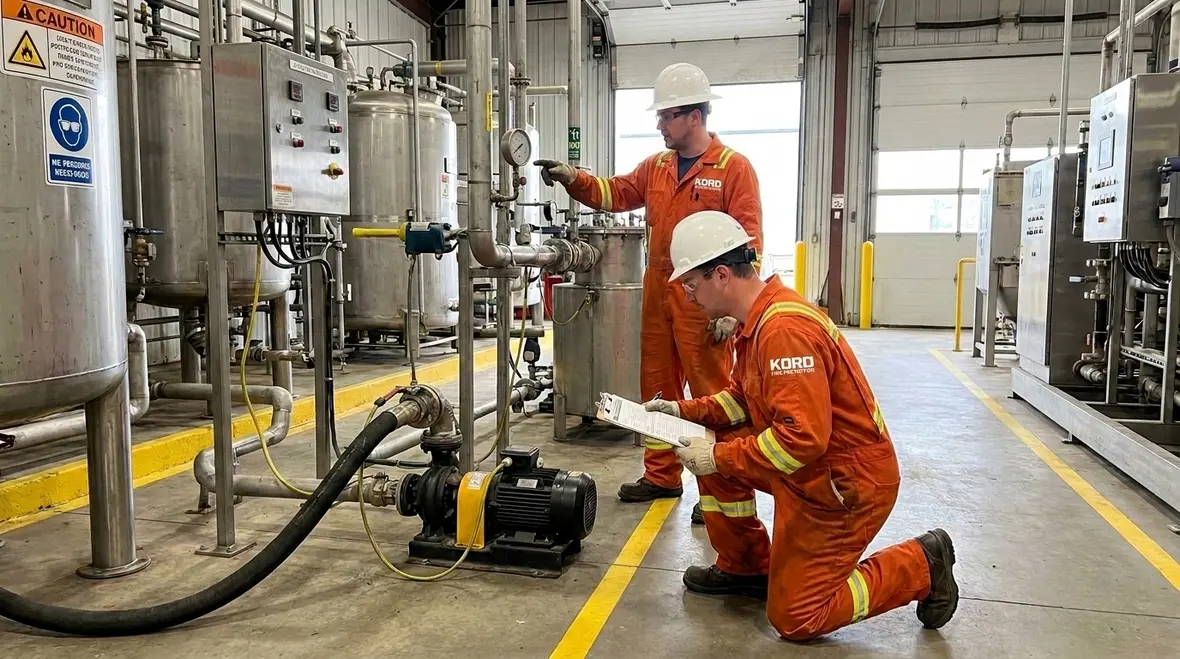
NFPA 30 Section 17.17: Managing Operations Hazards in Processing
Quick Answer: NFPA 30 Section 17.17 requires facilities to actively identify, control, and monitor operations hazards during the processing of flammable and combustible liquids. The standard focuses on safe work practices, equipment condition, supervision, and maintaining barriers that prevent ignition, release, and escalation.
For broader processing facility context, it also helps to review NFPA 30 Section 17.4 general requirements for processing facilities, which connects naturally to the day to day controls discussed here.
What NFPA 30 Section 17.17 covers in everyday operations
In commercial, industrial, and retail processing environments, hazard exposure changes minute by minute. NFPA 30 Section 17.17 operations hazard management addresses that reality by requiring ongoing control of ignition sources, release conditions, and operating deviations during processing activities. This section is not satisfied by a one time procedure document. It expects operational discipline, verification, and documented follow through that withstands real shifts, contractors, maintenance cycles, and abnormal conditions.
Core intent: prevent ignition and limit escalation during processing
Section 17.17 targets the operational phase where hazards become active rather than theoretical. Typical risk contributors include:
- Operations that can introduce ignition energy, such as hot work, static discharge risk, mechanical impact, or improperly controlled electrical and instrumentation systems.
- Conditions that can allow flammable vapors or mists to accumulate, including ventilation deficiencies, container and piping breaches, and ineffective purge practices.
- Process upsets that force changes to normal operating parameters, such as flow interruptions, temperature drift, overpressure, or poor control response.
- Human factors and supervision gaps, including inadequate operator training for abnormal scenarios, unclear permit controls, or missed verification steps.
Because this section lives in the operational layer, the compliance test becomes practical. Inspectors and internal audit teams look for evidence that the facility can maintain controls under normal and non routine conditions.
Operational controls that meet the spirit of Section 17.17
1) Written procedures that match the process reality
Facilities implement procedures for start up, shutdown, transfers, sampling, line opening, and maintenance related release control. The procedures should reflect actual equipment configurations and the way operators work on the floor, not just what appears on diagrams.
Key operational weaknesses that commonly fail audits include:
- Procedures that do not cover deviations such as pump trips, unexpected pressure changes, or sampling outside normal time windows.
- Use of incorrect assumptions about isolation, such as relying on a valve position without verifying system pressure relief and zero energy state.
- Missing instruction for restoring normal operation after a control intervention, including ventilation restoration and purge verification.
2) Ignition source management during processing
Operations hazard management requires active control of ignition sources. Commercial facilities often underestimate how easily ignition pathways form during routine tasks. Examples include:
- Improper grounding and bonding practices during hose connection, transfer, or sampling.
- Hot surfaces and uninsulated equipment surfaces when process temperatures vary or insulation deteriorates.
- Work practices around confined areas, where vapor accumulation can overcome the safety boundary intended by general ventilation.
- Temporary electrical equipment or extension cords used during troubleshooting, cleaning, or maintenance.
Facilities strengthen compliance when they integrate ignition controls into daily work, including permit to work requirements, verification steps, and clear stop work triggers.
3) Release prevention and detection that operators can trust
Section 17.17 expects control over conditions that can lead to releases during processing. That includes maintaining the integrity and usability of physical systems such as:
- Gaskets, seals, couplings, and flexible connectors used for flammable liquid service.
- Piping supports, hangers, and flexible sections that prevent stress and vibration induced failure.
- Valves and relief arrangements that remain functional and not obstructed.
- Detection and alarm systems used to alert operators to abnormal conditions where intervention prevents escalation.
Operationally, the key compliance question is whether personnel can identify a developing release condition early enough to prevent escalation, and whether maintenance keeps detection tools calibrated and available when required.
How to operationalize inspection, testing, and maintenance
Even strong procedures fail when equipment reliability declines. NFPA 30 operations hazard management depends on an inspection and maintenance program that supports processing hazards at their worst times, such as shift handover, peak loading, and concurrent maintenance activities.
Inspection focus areas that typically drive findings
Commercial and industrial sites often see the most issues in the following operational zones:
- Flammable liquid transfer points and hoses, including wear, damage, and improper storage between uses.
- Ventilation and vapor control systems, where incomplete maintenance or blocked inlets change protection effectiveness.
- Electrical classifications and protective systems tied to process operations, where alterations during renovations create mismatch risk.
- Emergency shutdown and isolation functions, where routine testing is deferred or documentation cannot prove acceptance.
Common failure points during maintenance and turnarounds
Section 17.17 places special attention on operations because maintenance frequently changes risk profiles. Typical failure modes include:
- Hot work or temporary ignition sources introduced without full hazard assessment and verification of vapor control.
- Equipment returned to service without completing isolation checks, purge verification, or restoration of normal control functions.
- Inadequate housekeeping around drains, sumps, and low points where vapors and residue collect.
- Contractor coordination gaps where procedures and stop work criteria do not apply uniformly.
To align with the standard’s operational intent, facilities schedule maintenance controls with the same rigor as production controls, including pre job briefings, verified isolation, and documented post job restoration checks.
Training and supervision: where compliance becomes observable
NFPA 30 Section 17.17 expects competent supervision and operator awareness during processing. In practice, that means ensuring personnel understand:
- What constitutes an abnormal condition and the required intervention steps.
- How to maintain control barriers such as ventilation and isolation during routine and non routine work.
- How to escalate concerns quickly when equipment condition or process behavior changes.
- How to comply with permit systems and verification requirements for tasks that can create ignition or release hazards.
Facilities strengthen compliance outcomes by using role based training, shift handover checklists, and periodic competency verification that reflects actual plant conditions and recent incidents or near misses.
Related guidance: NFPA 30 regulation context for flammable liquids
To support company wide understanding of how NFPA 30 controls flammable liquid risks beyond Section 17.17, facilities often benefit from reviewing broader requirements and how they connect to processing and hazard control. For an overview, see this resource: how NFPA 30 regulates flammable liquids.
That context helps teams align operational hazard management with upstream planning, layout and design controls, and downstream emergency readiness.
Frequently Asked Questions
Next step: get operations hazard management right with ongoing support
NFPA 30 Section 17.17 operations hazard management succeeds when procedures, equipment reliability, training, and supervision operate as one system. Kord Fire Protection helps commercial and industrial facilities maintain compliance through practical testing, inspection coordination, and maintenance support that keeps ignition and release controls dependable in real operating conditions. Arrange an assessment to map your current controls, identify operational failure points, and build a verification plan that stands up to audits and daily operations.

Join Our Newsletter!
Get the latest fire safety tips delivered straight to your inbox From our Newsletter.



