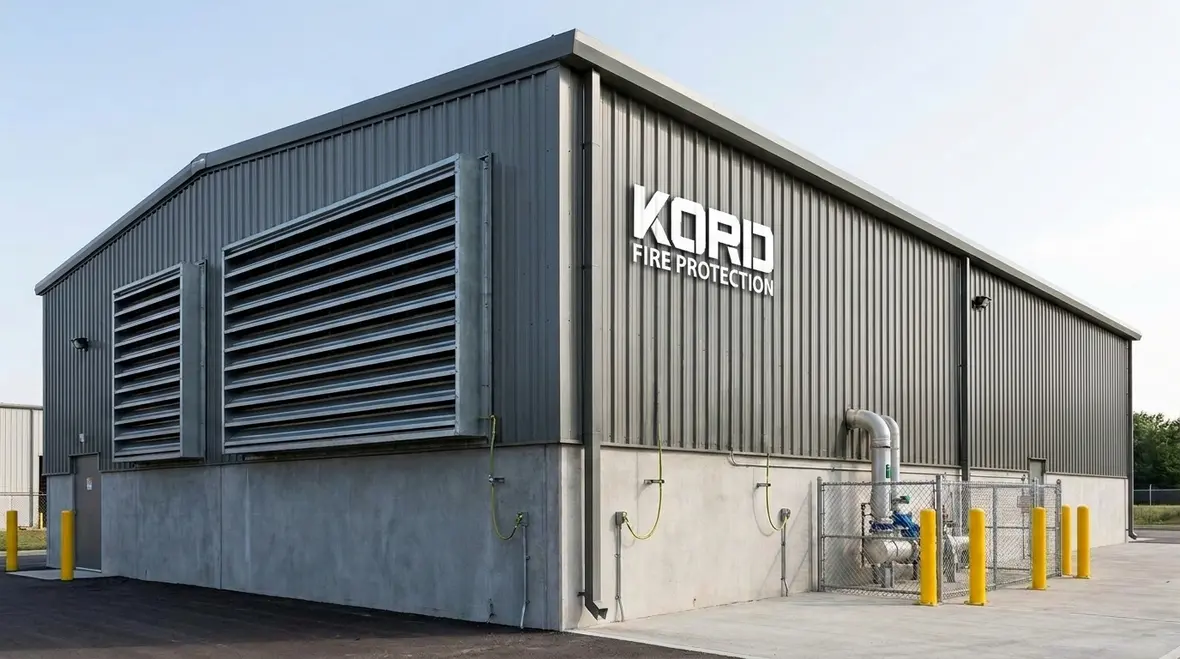
NFPA 30 Section 13.16 Explosion Control in Detached Buildings
Quick Answer
NFPA 30 Section 13.16 explosion control requirements for detached buildings focus on preventing ignition and limiting the severity of a potential explosion. Compliance hinges on proper design, hazard classification, ventilation or pressure relief planning, approved equipment, and disciplined inspection and maintenance.
What NFPA 30 Section 13.16 explosion control detached requires in practice
NFPA 30 treats flammable and combustible liquids as a system risk, not a single component risk. For detached buildings, NFPA 30 Section 13.16 explosion control detached addresses how facilities control explosion hazards that can develop when vapors mix with air and ignition sources are present. The focus typically shifts from “where the liquid is stored” to “how a vapor cloud can form, how it will ignite, and how the building and equipment will respond if it does ignite.”
In commercial, industrial, and retail environments, inspectors and insurers commonly look for evidence that the facility maintains explosion control features through the life of the installation. That means correct construction and equipment selection at commissioning, plus documented inspection, testing, and correction of deviations.
How explosion control is achieved for detached buildings
Explosion control measures in detached structures aim to reduce the likelihood of ignition and reduce the consequences if ignition occurs. In real-world facilities, this usually translates into several coordinated layers:
Hazard management of vapor release. Facilities control leaks, spills, and uncontrolled venting that can generate flammable vapor concentrations.
Ignition source control. The facility uses listed and properly installed electrical and mechanical equipment appropriate for the hazard class and maintains bonding and grounding where required.
Pressure and relief planning. Where applicable, the design limits unsafe building response, promotes safe venting or containment strategy, and prevents damage escalation to exposures.
Explosion propagation resistance. Where systems connect to other areas, the facility manages how a deflagration can travel through ducts, vents, or connected equipment.
Detached buildings introduce additional operational considerations. Personnel travel patterns, routine servicing of compressors and pumps, and the way maintenance access is scheduled can all affect ignition probability and the quality of housekeeping around vapor sources.
Compliance design elements you must verify
Meeting NFPA 30 Section 13.16 explosion control detached begins before the first cylinder, drum, or tank is filled. Commercial compliance typically depends on verifying several design and installation elements against approved documentation and current operating practices.
1) Hazard classification and equipment selection
Facilities must ensure that any areas around dispensing, transfer, pumping, venting, and tank appurtenances are classified and that equipment is installed to match. Common compliance failures include:
Replacing motors, heaters, or fans with non rated or improperly rated alternatives.
Using extension cords or temporary power for maintenance near vapor sources.
Routing cables through inappropriate fittings or leaving damaged conduit seals.
2) Ventilation strategy and vapor control
Detached structures may rely on natural ventilation, mechanical ventilation, or a hybrid approach. Operators must verify airflow performance, duct integrity, damper function, and the continued availability of ventilation during normal and expected upset conditions.
A frequent failure point is that ventilation systems degrade quietly: belt tension changes, fan wheels accumulate contamination, dampers stick, and control interlocks lose calibration. NFPA focused compliance expects evidence that these systems remain effective, not just that they once were. Near the top of any practical compliance plan, it helps to align detached building hazard reviews with a broader inspection, testing, and maintenance program so documentation and verification stay current. ([kordfire.com](https://kordfire.com/itm-fire-protection-inspection-testing-maintenance/?utm_source=openai))
3) Building response and protected exposures
Explosion consequences can include facade damage, hazardous debris, and loss of isolation between the detached building and occupied exposures. Explosion control decisions should align with the facility layout and the location of potential ignition and vapor formation sources.
Inspection, testing, and maintenance that prevent “paper compliance”
Many facilities pass initial commissioning audits but fall out of compliance due to maintenance drift. For detached buildings, NFPA 30 Section 13.16 explosion control detached requires you to treat explosion control features as life safety systems with ongoing verification.
What to inspect routinely
Electrical integrity. Inspect conduit seals, junction boxes, bonding jumpers, and grounding continuity. Document repairs and replacements with the correct ratings.
Ventilation performance. Verify fan operation, control logic, and alarm states. Confirm ducts and louvers remain unobstructed.
Pressure relief and vent paths. Keep relief components clear, ensure discharge paths remain directed safely, and confirm that no modifications block venting.
Housekeeping and spill response. Remove sources of vapor generation. Confirm spill control procedures match the liquid hazards present.
Control interlocks. Test interlocks that start ventilation, shut down equipment, or trigger alarms under abnormal conditions.
Common failure points during maintenance
The operational issues that most often trigger nonconformance include:
Unauthorized temporary modifications during repairs, especially around pumps, vents, and power distribution.
Deferred replacement of aged components such as seals, gaskets, fan motors, and rated accessories.
Changes in process conditions (new liquid formulation, altered transfer rates) without a hazard review update.
Kord Fire Protection supports commercial sites with ongoing compliance services, helping teams close the gap between installed safeguards and real operational performance. This includes coordinated inspection documentation, system verification planning, and corrective actions that match the hazard profile for flammable liquid operations. Kord Fire describes its services as compliance-focused inspection, testing, maintenance, repairs, and documentation support across commercial and industrial properties. ([kordfire.com](https://kordfire.com/full-fire-protection-services/?utm_source=openai))
For additional context on how NFPA 30 regulates flammable liquids and the compliance logic behind hazard controls, reference: how NFPA 30 regulates flammable liquids.
Operational procedures that keep explosion control effective
Even well designed detached buildings can develop uncontrolled hazards if procedures drift. Explosion control requires consistent operational controls around transfer, storage, and maintenance activities.
Transfer and dispensing controls
Use approved hoses, couplings, and connections for the specific liquid hazard and keep them in service condition.
Manage grounding or bonding where transfer operations require it to reduce ignition risk.
Implement controlled start and stop sequences to avoid transient vapor release.
Maintenance and hot work management
Detached buildings often host routine servicing that can introduce ignition sources. A robust permit process should address:
Removal or isolation of ignition sources and ignition capable equipment.
Verification that ventilation systems are functional before and during hot work.
Cleaning and vapor reduction steps to prevent flammable atmospheres during repairs.
Training and supervision
Commercial facility standards depend on people understanding the “why” behind the controls. Training should cover hazard symptoms, correct reporting, and response actions when leaks or abnormal operating conditions occur.
What to document for audits and insurers
Audits and insurer reviews typically seek evidence that explosion control features exist, remain functional, and match the approved hazard profile. Keep documentation current and complete.
Core records to maintain
Updated drawings or area classification information supporting equipment selection.
Commissioning and change records for ventilation, pressure relief, and isolation features.
Inspection reports that show status of ignition control and critical components.
Maintenance logs for rated equipment, seals, ducts, fans, and control interlocks.
Hot work and permit records that show procedural control in detached buildings.
Using a commercial service partner with documented, repeatable inspection practices helps prevent documentation gaps. Kord Fire Protection works with industrial and commercial facilities to manage ongoing verification, including schedule alignment and closure of corrective actions. Kord Fire’s service pages emphasize scheduled inspections, preventive maintenance, deficiency correction, and documentation support. ([kordfire.com](https://kordfire.com/full-fire-protection-services/?utm_source=openai))
Frequently Asked Questions
Conclusion and next step
Detached buildings require disciplined explosion control implementation, not one time installation. Review your current hazard assumptions, confirm equipment ratings, verify ventilation and interlock performance, and document inspections and corrective actions. If you need ongoing assurance, contact Kord Fire Protection through kordfire.com.au to develop a practical compliance and maintenance program aligned to NFPA 30 requirements and commercial operating realities.

Join Our Newsletter!
Get the latest fire safety tips delivered straight to your inbox From our Newsletter.