NFPA 20 Fire Pump Inspection Testing Maintenance
Quick Answer
NFPA 20 Section 14.4 sets the framework for periodic inspection testing and maintenance of fire pumps. This schedule protects uptime, ensures reliable operation when it matters most, and helps facilities stay compliant. Kord Fire Protection can become a vital partner by coordinating planning field service testing and reporting to keep pumps ready across industrial retail and commercial sites in Australia.
Introduction
Across industrial retail and commercial facilities in Australia, fire protection hinges on dependable pumps. NFPA 20 fire pump periodic inspection testing maintenance offers a global standard that guides how operators prepare for emergencies. By following this approach, facilities reduce downtime and extend equipment life. In short, the right program keeps a building’s heart beating under pressure, and yes sometimes a little humor helps when dealing with serious risk measures.
If you want the service side aligned with the standard from the outset, professional fire pump service fits naturally into early planning, especially when inspections, maintenance, testing, and documentation all need to stay coordinated across one program.
NFPA 20 fire pump periodic inspection testing maintenance essentials
Section 14.4 outlines a disciplined routine for checking pumps, their drivers, controllers, and support systems. The aim is clarity and readiness rather than guesswork. The standard covers inspection tasks, the cadence of tests, and the actions needed when issues arise. Documentation is emphasized, because a pump that behaves during a drill but not in a real event is not compliant with the spirit of the standard.
For a broader baseline on the standard itself, see how NFPA 20 regulates fire pump systems, which pairs well with maintenance planning and system readiness reviews.
Why it matters for Australian facilities
For facilities spanning manufacturing warehouses to large shopping complexes, reliability is non negotiable. Adhering to this framework improves incident response, helps insurers see proactive risk management, and supports smooth audits. Although NFPA 20 is a U S guideline, its principles transfer well to Australian operations when paired with local codes and risk assessments. The payoff is steady performance, fewer surprises, and stronger confidence during emergencies.
Inspection components and frequencies
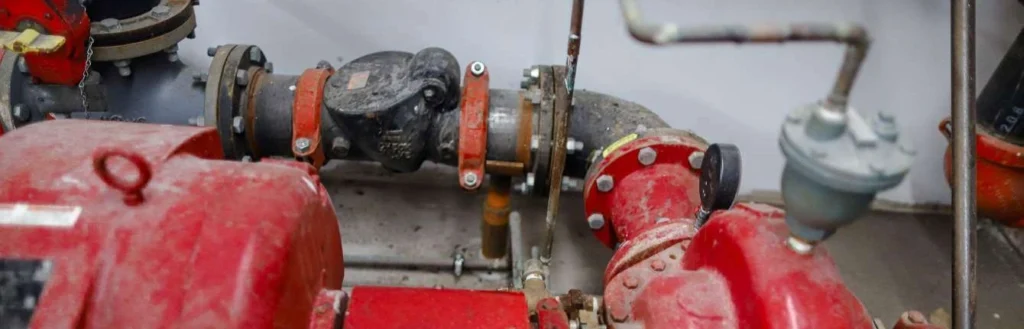
Regular checks should cover both the pump and its heart mapped to the control system. Visual inspections look for leaks, corrosion, and wear on seals and bearings. Electrical connections and wiring should be secure, and the controller should respond to start stop commands without delay. Practical inspections also verify suction and discharge piping alignment, vibration, and oil or coolant levels where applicable. In addition, records should capture run hours, lubrication dates, and any abnormal readings. A simple fact remains: a well documented routine reduces risk and speeds corrective action when symptoms surface.
What teams should review during routine checks
- Visible leaks, corrosion, and unusual wear
- Bearings, seals, oil, coolant, and vibration indicators
- Controller response and electrical connection security
- Suction and discharge piping condition and alignment
- Run hours, lubrication dates, and abnormal readings in the log
Testing procedures to verify readiness
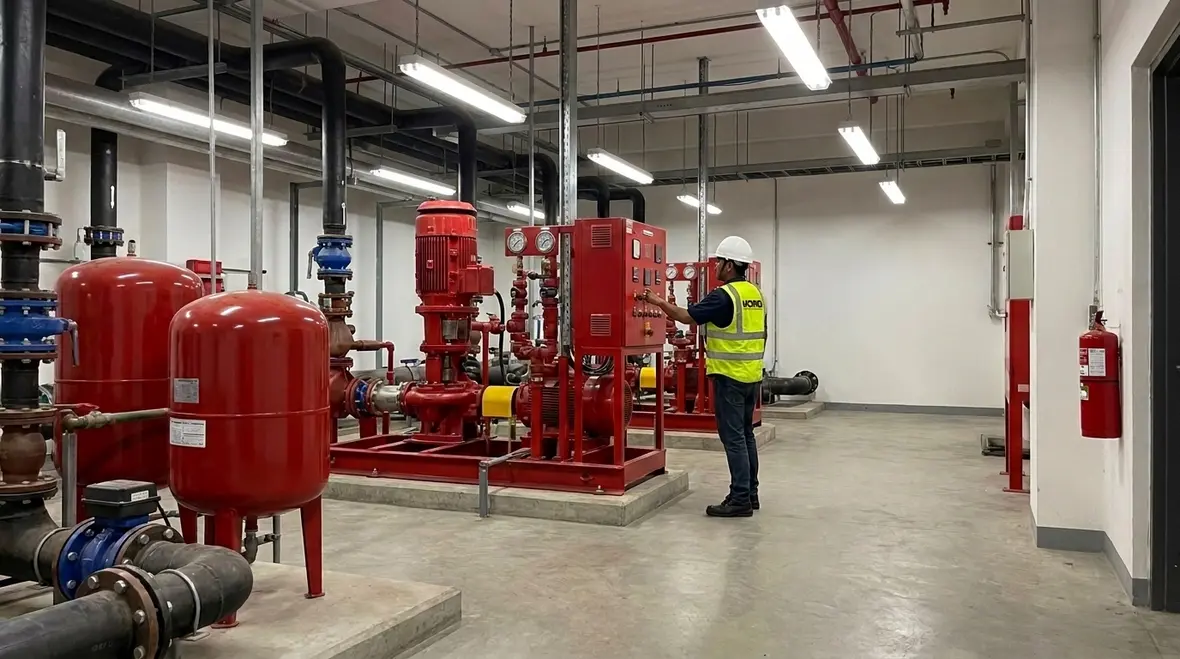
Testing moves beyond sight and sound. It includes run tests under normal supply conditions, checks for proper start sequence, and confirms alarms function correctly. Flow and pressure readouts should meet expected values, and the test should verify that automatic controls engage the pump when demand starts. The process should mirror a real fire scenario as closely as possible while ensuring safety and water supply integrity. In practice this means coordinating with plant teams and keeping a precise test log for every cycle.
Why meaningful testing beats hopeful button pressing
A proper test proves more than whether the pump can start. It confirms the sequence, checks alarms, validates pressure and flow, and shows whether automatic operation responds the way it should under demand. That is the difference between readiness and wishful thinking with a clipboard.
Maintenance schedule and documentation
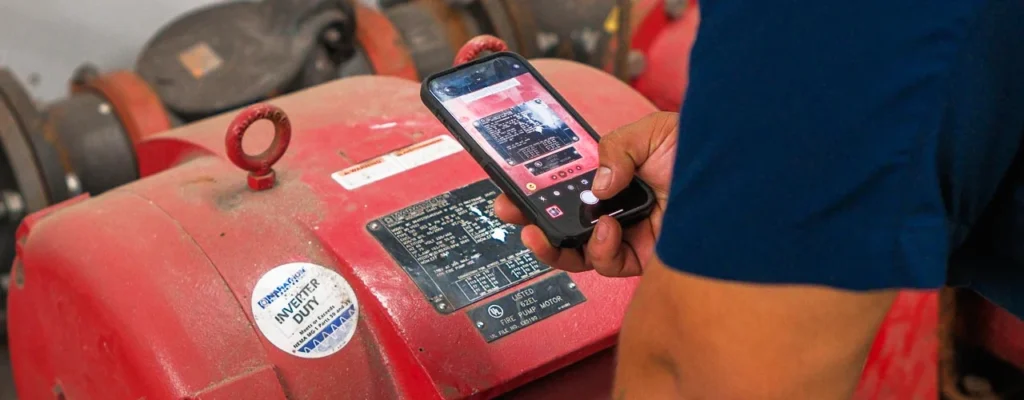
Maintenance is the ongoing translation of inspection and testing into durable performance. Scheduled lubrication, belt adjustments, and component replacements keep wear from becoming failure. Each activity creates a line in the equipment diary, forming a clear trail for compliance and future audits. Because knowledge is power, up to date logs also support warranty claims and facilitate smoother regulatory reviews. This is not just maintenance it is a shield against costly downtime.
Documentation that actually helps later
Good records make it easier to spot recurring faults, justify repairs, prepare for audits, and avoid the classic problem of everyone remembering the last test differently. When the paperwork is clean, decisions get faster and surprises get smaller.
How to implement NFPA 20 fire pump periodic inspection testing maintenance in practice
Implementing a robust program begins with a clear plan. Start with an independent audit of the current pump system and its documentation. Next, establish a repeatable schedule covering daily visual checks weekly tests monthly verifications and annual performance runs. Assign responsibilities to a qualified team and align testing with your building management system for alerts. Importantly, Kord Fire Protection can become a vital partner by coordinating on site testing planning field service calibration and reporting. They can provide performance baselines assist with regulatory compliance and deliver concise documentation packs that simplify audits. In a crowded facility the right partner can save weeks of internal effort and keep critical pumps ready when the sirens start to sing.
A practical rollout sequence
- Audit the existing fire pump system and available records
- Build a schedule for daily, weekly, monthly, and annual activities
- Assign responsibilities to qualified personnel or service partners
- Coordinate alerts, logs, and testing windows with facility operations
- Track results and close out corrective actions quickly
FAQ
Conclusion and call to action
Reliable fire pumps protect assets and people. A disciplined NFPA 20 inspired program keeps pumps ready and audits simple. Contact Kord Fire Protection to review your current plan and set up a tailored inspection testing and maintenance schedule that fits your facility and keeps your systems resilient under pressure.

Join Our Newsletter!
Get the latest fire safety tips delivered straight to your inbox From our Newsletter.