
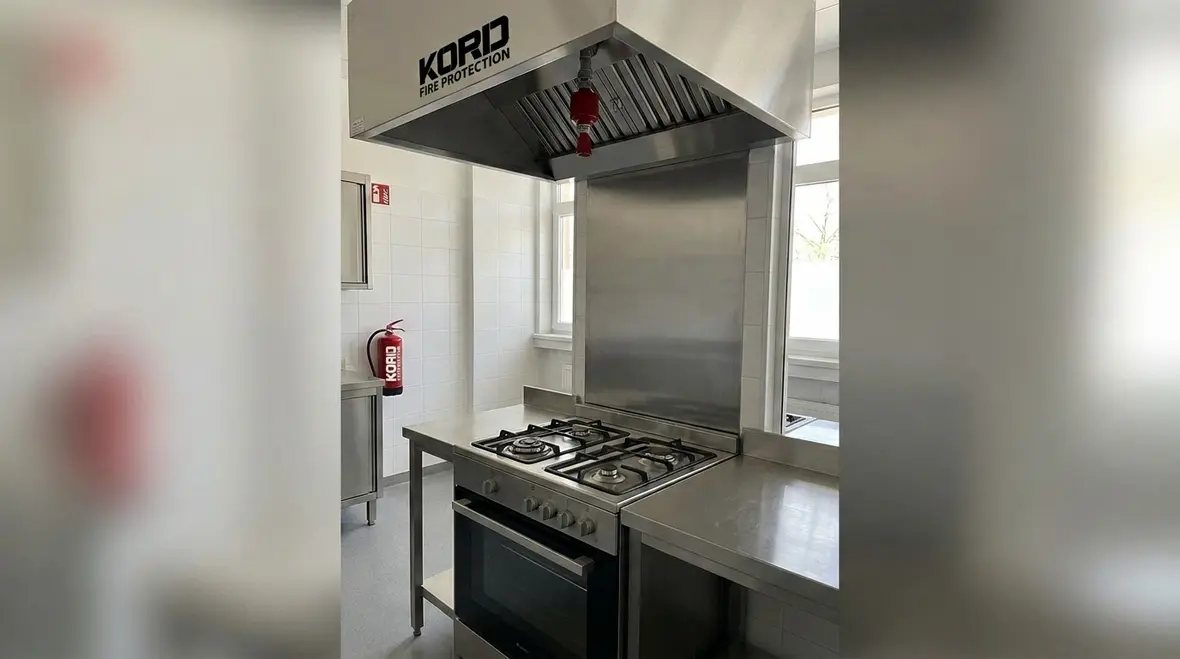
NFPA 17A Annex B Protecting Residential Stoves
Quick Answer: NFPA 17A Annex B provides practical guidance for protecting residential cooking appliances using wet chemical systems and appropriate discharge application principles. In commercial settings such as multi tenant dwellings and retail showrooms, compliance depends on correct system design, installer workmanship, and disciplined inspection and maintenance routines.
Why NFPA 17A Annex B matters for stove risk management
Commercial, industrial, and retail facilities increasingly manage risks that involve residential style cooking appliances. Examples include hotel and apartment property amenities, assisted living kitchens, dormitory common areas, test kitchens, culinary retail demonstrations, and showroom environments where stoves operate as part of product use. In these spaces, NFPA 17A annex B residential stove protection helps define how to apply wet chemical suppression principles to the hazards associated with cooking oils and fats, including the unique ignition patterns and re ignition risks seen during and after a cooking event.
Operationally, annex guidance influences system sizing assumptions, hazard characterization, nozzle or agent application choices, and inspection intervals. It also shapes how facilities document compliance and how they train staff to recognize loss of protection conditions such as blocked nozzles, degraded agent, or compromised detection and actuation pathways. Those details often determine whether a system performs as intended during an actual grease or oil incident.
For a practical early read on related wet chemical requirements, see NFPA 17A 5.1 general rules for commercial cooking protection, which fits naturally with the compliance and hazard control issues discussed here.
What Annex B typically expects from residential stove protection
Annex B supports the main requirements of NFPA 17A by offering explanatory and advisory material for applying wet chemical extinguishing concepts to residential stove or cooking appliance scenarios. While annex content does not function as the enforceable core standard text in every jurisdiction, it frequently drives how engineers, AHJs, and inspectors interpret practical design and commissioning decisions.
In practice, facilities should treat NFPA 17A annex B residential stove protection as a compliance decision framework that connects hazard conditions to system performance expectations:
Agent action must match grease and oil burning behavior: Wet chemical is designed to cool and saponify burning cooking media, interrupting fire chemistry and suppressing re ignition.
Coverage and discharge must reach the appliance surfaces: Correct nozzle placement, spray pattern, and discharge timing influence whether agent contacts the burning zone and adjacent hot surfaces.
System reliability is a maintenance outcome: Agent condition, valve integrity, piping cleanliness, and detection readiness determine whether discharge occurs when required.
How to translate Annex B guidance into facility compliant installations
Commercial facilities often face an implementation gap between design intent and real-world equipment layouts. Annex B related decisions become operationally meaningful when they address those gaps directly.
1) Hazard characterization for residential style cooking
Even when stoves appear “residential,” the surrounding environment can change the risk profile. Staff traffic, ventilation rates, the presence of combustibles, and cooking fuel types affect how quickly fires can develop and how much fire can spread beyond the appliance. Facilities should document the appliance rating, operating use case, typical cooking materials, and any deviations such as simmering, frequent burner cycling, or high output cooking.
2) System design alignment with wet chemical discharge performance
Wet chemical systems rely on correct application mechanics. The most common failure points in the field are not the principle, but the details:
Nozzle and piping alignment: Misplacement, incorrect fittings, and poor supports can alter spray delivery.
Obstructions and contamination: Dust, construction debris, and aerosolized grease can affect distribution and detection sensitivity.
Actuation reliability: Heat detection, release pathways, and manual pull stations must remain accessible and functional.
3) Commissioning and acceptance criteria before handoff
After installation, facilities should confirm that the system meets performance intent using documented acceptance checks. These include verifying agent concentration requirements, verifying discharge hardware function, confirming clearances, and validating detection and control sequences. For properties with multiple kitchens or recurring tenant changes, commissioning documentation must remain tied to the specific appliance layout rather than a generic system record.
What maintenance keeps NFPA 17A annex B protection effective
Wet chemical reliability depends on condition and readiness. In commercial, industrial, and retail environments, maintenance failures often stem from routine pressures such as tenant turnover, schedule constraints, and deferred inspections. Kord Fire Protection supports compliance by treating maintenance as an operational risk control, not a paperwork event.
Routine inspection focus areas
Facilities should prioritize inspections that confirm the system remains capable of discharging the correct agent to the hazard. Key checks typically include:
Agent container and pressure integrity: Detect leakage, pressure loss, or nonconforming condition that can compromise discharge output.
Valve and discharge hardware condition: Verify valves operate smoothly and do not bind. Inspect strainers or related components if present.
Nozzle cleanliness and obstruction assessment: Grease accumulation, paint overspray, and physical damage can degrade spray pattern and coverage.
Detection and release circuit checks: Confirm sensors and activation pathways are unobstructed, wired correctly, and consistent with design intent.
Common failure points seen in real facilities
Across multi-site inspections, the following issues recur:
Unrecorded modifications: Appliance swaps, hood changes, or layout adjustments occur without updating the fire protection drawings.
Unauthorized cleaning practices: Solvents, aggressive degreasers, and improper coatings can alter nozzle performance or contaminate detection hardware.
Seasonal readiness gaps: Facilities with intermittent kitchen use can fall behind on inspection schedules, increasing the risk of late detection of deterioration.
For additional technical context on wet chemical system principles and installation considerations, see Enhancing Fire Safety With NFPA 17A Wet Chemical Extinguishing Systems.
Operational procedures and training: closing the human factors gap
Annex guidance assumes that the protected hazard can be identified and that the system can transition to action. Commercial facilities strengthen performance by aligning procedures with system design.
When crews should treat a discharge as a controlled emergency
After any discharge event, staff should follow incident procedures that address:
Immediate evacuation and hazard isolation based on facility emergency response plans.
Verification of appliance shutdown to prevent re fuel and localized re ignition.
Clear communication to maintenance and fire protection technicians so the system can be restored to a ready condition.
Preventing re ignition with correct follow up actions
Wet chemical suppresses grease and oil fires differently than water. Facilities should ensure staff understand that the appliance and surrounding surfaces may remain hot and contaminated. Re ignition can occur if burning media remains under heat sources or if the fuel source is not fully controlled.
Ongoing program support matters. For a broader view of commercial fire suppression system management, visit Fire Suppression Systems.
Inspection readiness for AHJs, insurers, and commercial facility standards
Many compliance challenges do not show up during installation. They show up during inspection and audit. Facilities should build an inspection-ready package that maps system components to the protected stove hazard and to the annex intent for residential-style cooking applications.
Documentation that reduces inspection delays
Keep the following readily available:
As built drawings showing appliance locations, nozzle placement, and protection coverage intent.
Inspection and service reports with technician identification and corrective actions.
Maintenance records for agent condition checks, valve tests, and detection system verification.
Change logs covering appliance swaps, layout changes, and hood or ventilation modifications.
Coordination with facility fire water supply where relevant
In some commercial installations, wet chemical suppression integrates with fire water infrastructure for related systems and hydrant strategies. When water supply or pumping performance influences overall emergency capability, coordination improves reliability. For background on fire pumps and system coordination, refer to Fire Pumps.
Frequently Asked Questions
Conclusion and next step
NFPA 17A annex B residential stove protection becomes effective only when design intent survives real-world operations, inspections, and maintenance. Commercial facilities should verify nozzle coverage, actuator readiness, and agent condition, then lock in inspection and change control so tenant and layout updates do not erode protection. Contact Kord Fire Protection to assess your current stove hazards, review documentation for inspection readiness, and establish an ongoing testing and maintenance plan aligned with NFPA 17A expectations.

Join Our Newsletter!
Get the latest fire safety tips delivered straight to your inbox From our Newsletter.



