
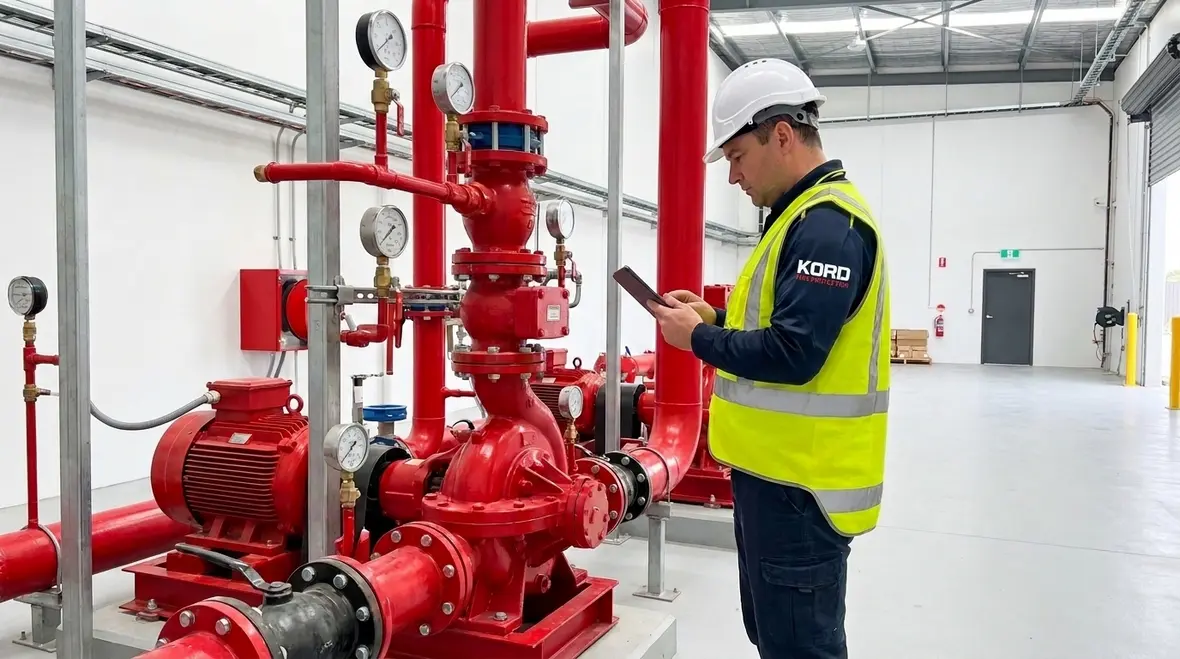
NFPA 16 Section 7.10 Hydraulic Calculations for Foam Water
Quick Answer
NFPA 16 Section 7.10 sets the rules for hydraulic calculations in foam water sprinkler systems so the system can deliver the right foam solution at the right pressure. Precise calculations help protect people, assets, and operations while reducing costly guesswork. Near the start of a project, it also helps to align the numbers with a practical foam fire suppression systems service plan so design intent and field execution are not playing two different sports.
NFPA 16 hydraulic calculations sit at the heart of reliable foam protection. In simple terms, they show how water, foam concentrate, pipe size, nozzle demand, and pressure all work together. That matters because foam water system hydraulics shape how fast a fire gets controlled and how well a system performs when the moment becomes real. In fire suppression hydraulic design, there is no room for “close enough.” Fire does not admire optimism. It only responds to pressure, flow, and design discipline.
For industrial plants, retail centers, warehouses, fuel areas, and commercial facilities, Section 7.10 helps prove the system can do its job before anyone needs to hear the alarm. That is where Kord Fire Protection can become a vital partner, bringing practical support, careful design review, and confidence that the system is built on solid numbers, not hope and a prayer.
What NFPA 16 Section 7.10 Means in Practice
Section 7.10 focuses on hydraulic calculations for foam water sprinkler systems. These calculations confirm that the system can supply enough water and foam solution to all required devices at the needed pressure. Because foam systems mix water with foam concentrate, the design must account for more than basic sprinkler flow. It must also account for the concentrate ratio, piping losses, valves, elevation changes, and discharge demand.
As a result, the engineer or fire protection specialist must trace the full path of supply. That path starts at the water source and ends at the most demanding outlet. If one section of pipe starves the system, the whole design suffers. This is why foam water system hydraulics demand detail, accuracy, and experience.
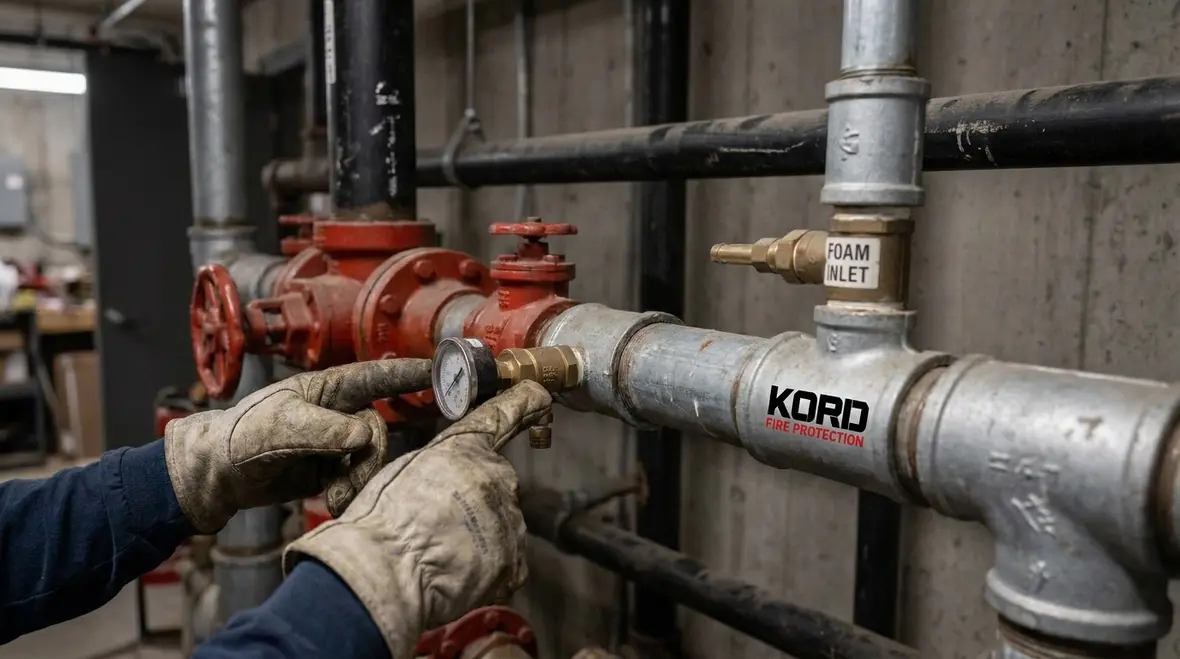
Why Hydraulic Calculations Matter for Foam Water Systems
Hydraulic calculations do more than satisfy a code box. They support safe performance, legal compliance, and long term system reliability. In industrial and commercial settings, the stakes are high. A warehouse storing packaged goods, a fuel handling area, or a large retail back of house zone can all present serious fire risks. So, the calculation must confirm the system can spread foam evenly and quickly.
Without correct fire suppression hydraulic design, a system can deliver too little pressure, uneven discharge, or poor foam quality. That can weaken control of the fire and increase damage. On the other hand, well built NFPA 16 hydraulic calculations help systems respond with consistency, which is exactly what facility owners want when smoke starts making a dramatic entrance.
The difference between a paper design and a working system
A system can look impressive on a drawing set and still disappoint in the field if the calculations miss friction loss, remote area demand, or concentrate proportioning. That is why hydraulic review should not be treated like paperwork theater. The whole point is to confirm that the installed system can actually move the required foam solution where it needs to go, at the time it needs to go there, without asking physics for a favor.
How the Design Process Usually Works
The process begins with the hazard type, the protected area, and the discharge requirements. Then the designer reviews the water supply, piping layout, valve arrangement, and foam concentrate system. After that, the hydraulic demand is calculated for the most demanding area.
Each step affects the next one. For example, longer pipe runs increase friction loss. Higher elevation adds pressure needs. Larger discharge areas raise flow demand. Therefore, the design team must test different layout options before the final plan moves forward.
On projects where codes, hazards, and layouts overlap in awkward ways, internal coordination matters just as much as calculation skill. Teams often benefit from cross checking the design against broader fire suppression system services support so installation, inspection, and long term maintenance are considered early instead of becoming expensive plot twists later.
Key Factors That Shape the Final Numbers
The final calculation depends on several linked items. These include water supply pressure and flow, piping size and pipe length, the number and type of foam sprinklers or discharge devices, foam concentrate ratio and delivery method, elevation changes across the protected space, valve and fitting losses, and system demand at the most remote area.
- Water supply pressure and flow: The available source sets the ceiling for everything downstream.
- Piping size and pipe length: Longer runs and smaller pipe diameters usually mean more friction loss.
- Discharge devices: Sprinklers, nozzles, and other outlets each bring their own pressure and flow requirements.
- Foam concentrate ratio: Proportioning must stay accurate or the system may deliver an unimpressive imitation of protection.
- Elevation change: Height differences add pressure demands that cannot be negotiated away.
- Valves and fittings: Every turn, control valve, and fitting can chip away at performance.
- Remote area demand: The system must still perform at the most hydraulically challenging location.
Because each factor affects performance, even small changes can shift the result. A slight pipe size change may improve pressure. However, it may also increase cost or affect installation space. So, the designer must balance code compliance, performance, and practical buildability. That is where seasoned fire suppression hydraulic design makes a real difference.
Why proportioning deserves extra attention
Foam systems are not simply water systems with better branding. Once concentrate enters the equation, the designer has to think through ratio control, equipment compatibility, and solution delivery under realistic demand. If the proportioning method is off, the numbers might still look tidy while the system performance quietly falls apart. Tidy spreadsheets do not extinguish fires.
NFPA 16 Hydraulic Calculations and Real World Facilities
For many sites, foam water systems protect spaces where ordinary sprinklers may not provide the same level of control. Industrial processing areas, transport hubs, storage sites, and commercial facilities with special hazards all benefit from a design that matches the risk.
These projects also face local realities such as supply variation, plant changes, and retrofit limits. Therefore, the hydraulic model must fit the actual site, not a perfect drawing from a fantasy land where every pipe run is short and every pump behaves like a superhero.
What the code checks
- Confirms the system meets NFPA 16 demand rules and supports reliable foam delivery.
- Verifies pressure, flow, and discharge coverage across the design area.
- Requires the hydraulic basis to be consistent with the selected devices and hazard conditions.
- Pushes the team to validate the most demanding area instead of trusting the easiest one.
What the site needs
- Confirms the layout fits the building, the available water supply, and the real operating conditions.
- Helps reduce installation clashes, rework, and costly change orders.
- Accounts for existing infrastructure, access limitations, and retrofit compromises.
- Supports a design that is not just compliant on paper but practical to build and maintain.

How Kord Fire Protection Supports the Job
Kord Fire Protection can become a vital partner by helping with system design support, hydraulic review, and practical project guidance. For owners, builders, and facility managers, that kind of support can save time and reduce risk. A strong partner does not only read the standard. It helps apply it in the field.
That means checking the water supply, reviewing layout choices, and making sure the calculated demand matches the installed system. It also means supporting compliance, coordination, and clear communication across the project team. In short, Kord Fire Protection helps turn NFPA 16 hydraulic calculations into a usable, buildable solution that works when needed most.
For readers who want more context around the standard itself, Kord also covers the broader topic at NFPA 16 standard, which pairs well with a deeper look at hydraulic design. Interlinking those resources helps connect the code language to the day to day reality of project delivery, where pipes, pressure, and coordination tend to be less poetic and more demanding.
Common Mistakes to Avoid
Many problems start with rushed assumptions. For example, teams may ignore elevation changes, underestimate friction loss, or forget how foam concentrate affects the final demand. Others may design for ideal conditions and miss real site limits. That is a fast path to trouble, and nobody wants that kind of surprise during commissioning.
- Using water supply data that is outdated, incomplete, or overly optimistic.
- Failing to calculate the most remote or most demanding area correctly.
- Overlooking friction losses through valves, fittings, and long pipe runs.
- Treating foam proportioning like a side note instead of a core performance factor.
- Skipping coordination with field conditions, resulting in redesigns and awkward fixes.
- Assuming commissioning will magically rescue a weak hydraulic basis.
To avoid these issues, the design team should verify supply data, confirm device requirements, and review the full system from source to discharge point. Careful checking now can prevent expensive fixes later.
FAQ
Final Word
NFPA 16 Section 7.10 demands careful hydraulic work, and that care protects both property and people. Good calculations do not exist to impress a reviewer. They exist to make sure the system can move the right foam solution to the right place under the right conditions, which is considerably more useful than confidence built on crossed fingers.
Kord Fire Protection can help guide the process from design through delivery, with practical support that keeps the system grounded in real site conditions. For projects that need confidence, compliance, and clear performance, the next step is simple: bring in the right partner early and let the numbers do their job before the fire ever tries to do its own.

Join Our Newsletter!
Get the latest fire safety tips delivered straight to your inbox From our Newsletter.



