NFPA 16 Pipe Flushing for Foam Water System Performance
Quick Answer
NFPA 16 Section 8.1 requires supply piping for foam water sprinkler systems to be flushed so debris, scale, and dirt do not interfere with system performance. In plain terms, clean pipe means better flow, faster activation, and fewer surprises when the system must work. Kord Fire Protection can help plan, perform, and document this critical service.
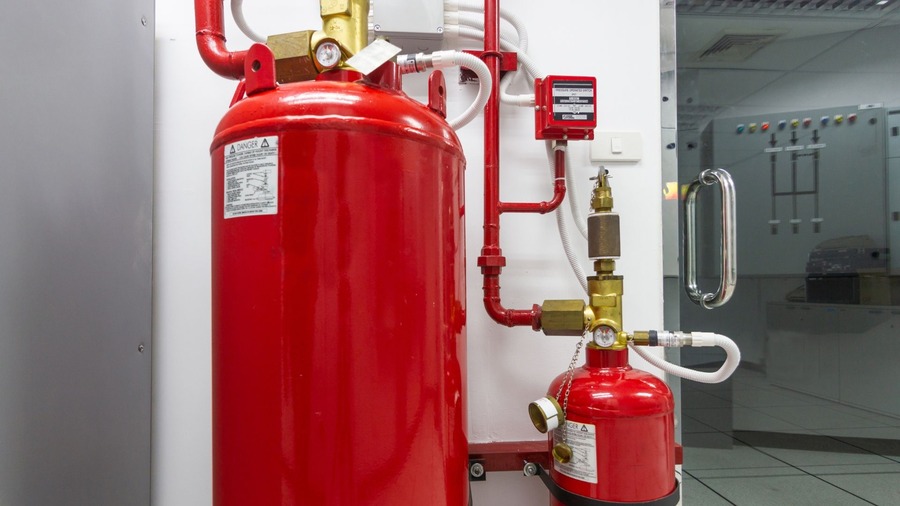
If your site depends on a foam system, it also makes sense to review Kord Fire Protection’s foam fire suppression system service for broader support with inspection, testing, and upkeep. That link belongs near the top because flushing is important, but it rarely lives alone. It usually sits inside a bigger protection strategy, the kind that works much better when someone is actually minding the details.
NFPA 16 pipe flushing matters because foam water systems do not get second chances. In industrial, retail, commercial, and facility sites, even a small blockage can weaken discharge and slow protection. NFPA 16 pipe flushing, foam water system flushing, and fire suppression piping flush procedures all support one clear goal: make sure the system delivers foam solution the way it should. That is the quiet hero work behind strong fire protection, and yes, it is less glamorous than a rescue scene in a movie. Still, it is the kind of work that keeps the whole show from going off script.
What NFPA 16 Section 8.1 Requires
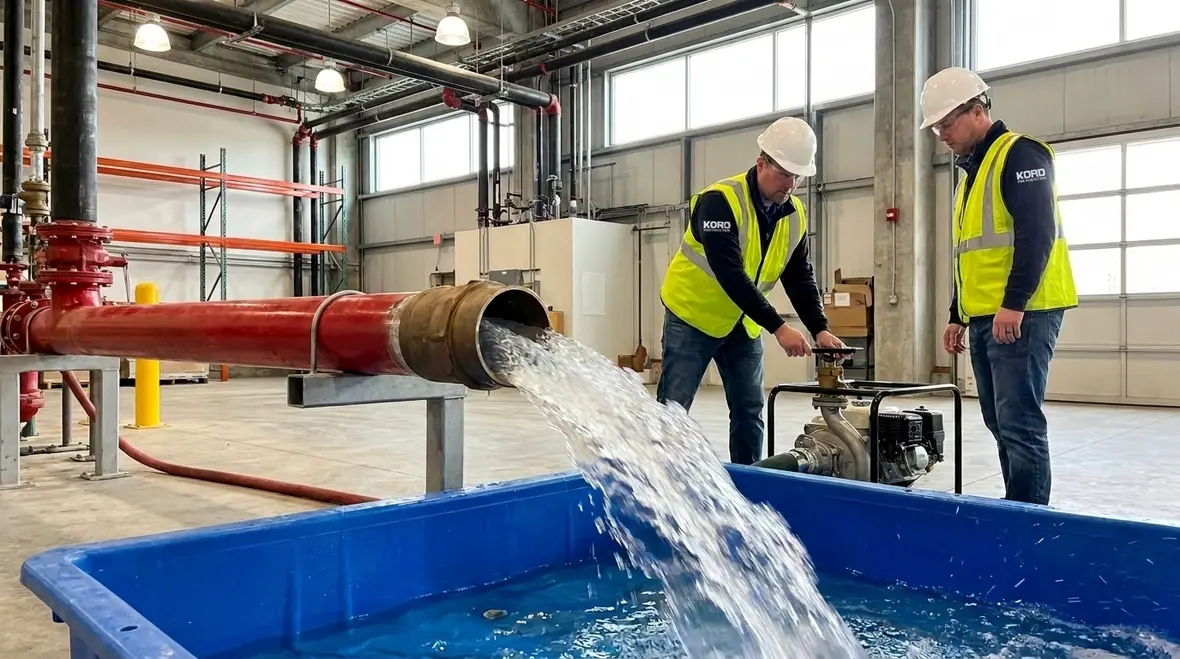
Section 8.1 focuses on flushing the supply piping before the system is put into service. The aim is simple. Remove dirt, scale, loose pipe material, and any leftover debris from installation or repair work. As a result, the piping stays open and ready for proper foam water flow.
For large sites, this step matters even more because long pipe runs, multiple valves, and complex layouts create more chances for debris to settle. Therefore, a careful flush is not a formality. It is a core part of system readiness. If the piping is not clean, the system may still exist on paper, but in real life it may act like it forgot its lines.
That requirement also fits naturally with the broader code mindset behind system reliability. A foam water sprinkler system is supposed to discharge with confidence, not with crossed fingers. Debris left behind after installation can interfere with that mission in ways that stay hidden until the worst possible moment. Nobody wants a life safety system to reveal its personality flaws during an emergency.
If you want to understand the surrounding standard context, Kord Fire Protection also has a related resource on NFPA 16 standard requirements. It fits well here because flushing does not stand apart from the rest of the system. It supports the same bigger objective: dependable foam water performance when heat, smoke, and panic all try to ruin the day.
Why the Supply Side Deserves Attention
Supply piping is where the whole process begins, so problems there tend to travel downstream fast. A bit of scale or leftover construction debris might sound minor, but inside a fire protection network, minor problems can become major bottlenecks. The system does not care whether the blockage came from sloppy installation, corrosion, or an innocent looking bit of pipe trash. It only knows whether flow is clean and available.
Why Clean Supply Piping Protects System Performance
Foam water systems depend on smooth flow. Any blockage can reduce pressure, distort discharge patterns, or delay foam delivery. That can affect coverage in high risk areas such as fuel storage, manufacturing floors, processing zones, loading areas, and plant spaces.
In addition, debris can damage valves, nozzles, and other parts over time. Once that happens, maintenance costs rise and downtime follows. For many businesses, that means more than a repair bill. It can mean lost production, safety exposure, and compliance trouble. So, a proper flush helps protect equipment, people, and operations all at once.
There is also the performance issue people do not always see right away. Foam systems rely on delivery consistency. If flow becomes uneven, foam application can become uneven too. That is not the kind of improvisation anyone wants from a suppression system. A good flush helps preserve the path so the water and foam solution can move the way the design intended.
Performance Problems Usually Start Quietly
That is one reason flushing matters so much. Trouble rarely announces itself with dramatic music and flashing lights. More often, it shows up as hidden buildup, partial restriction, or wear on parts that should have lived a calmer life. Clean piping reduces the odds of those silent failures building momentum in the background.
How the Fire Suppression Piping Flush Procedure Works
A proper flush starts with planning. First, the team reviews the piping layout, system type, isolation points, and discharge path. Then, they make sure the right sections are ready for flushing while the rest of the system remains protected.
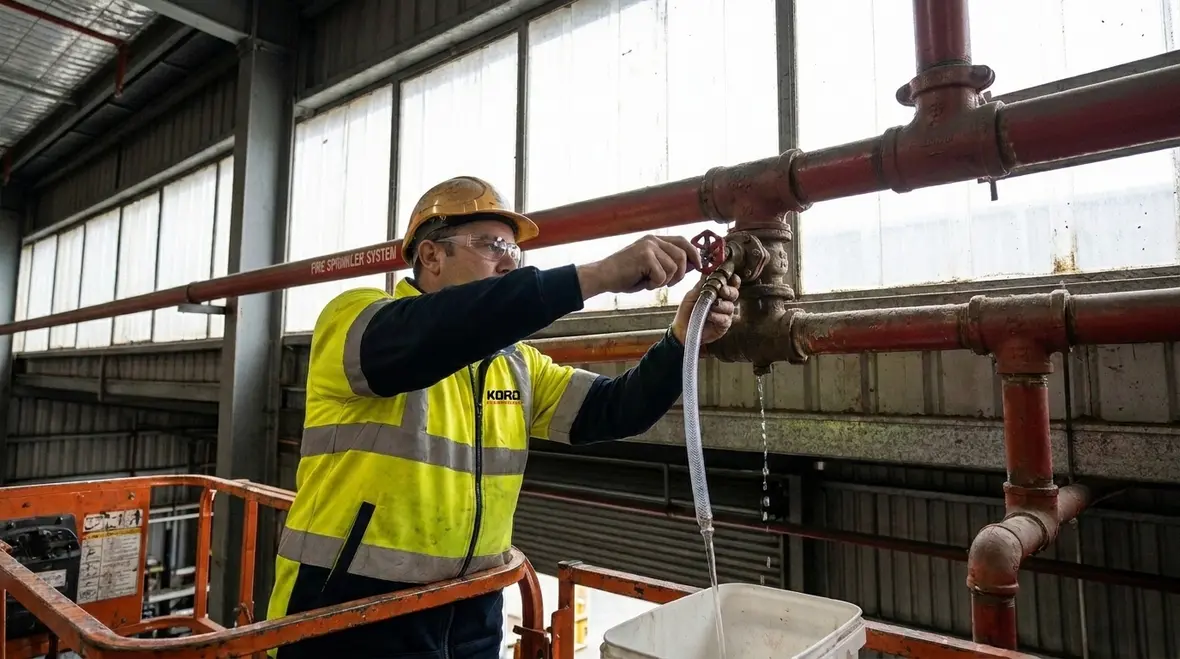
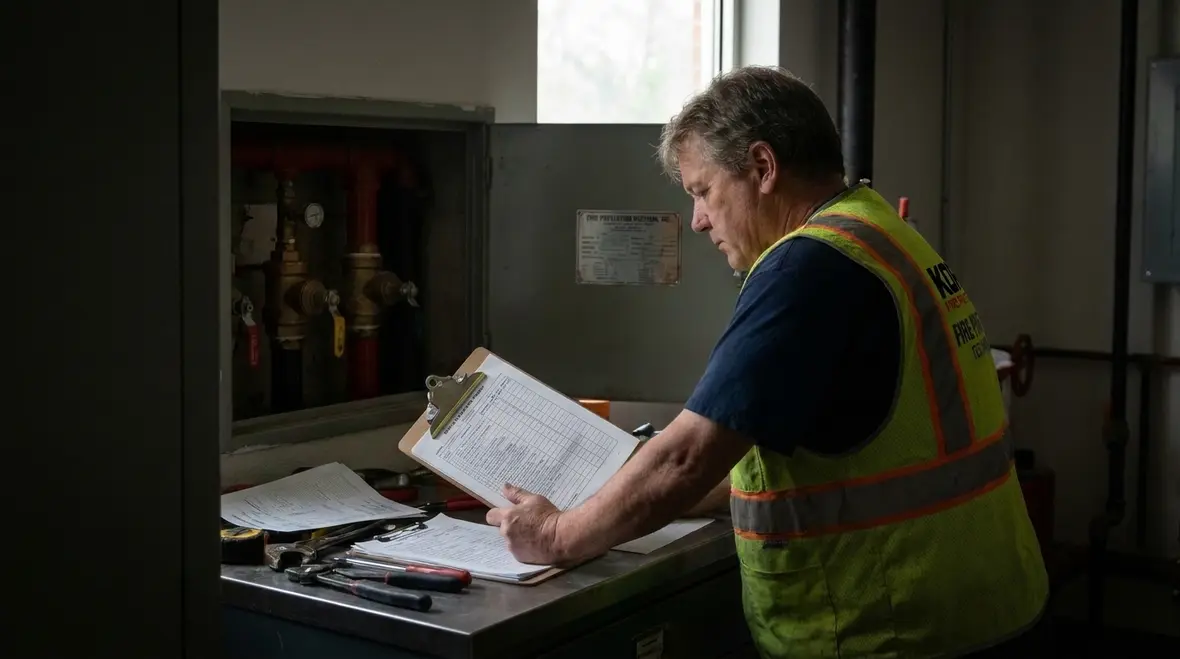
Next, the piping is flushed at the required flow rate until the discharge runs clear and free from visible debris. After that, the team checks valves, strainers, and any related parts for signs of contamination. Finally, the work is documented so the owner has a clear record for compliance and maintenance files.
That sounds straightforward, and in principle it is. However, the real work lies in doing it safely and correctly without creating new problems in the process. That is where experience earns its keep.
What Good Planning Includes
Good planning means thinking beyond the pipe itself. Teams need to know where water will discharge, how the site will manage runoff, what areas remain active, and whether operations nearby could be affected. On a busy property, even a simple flush can become a coordination exercise. The goal is to finish with cleaner piping, not a flooded work area and three irritated departments emailing each other by lunch.
Operational Focus
Confirm the piping is isolated correctly
Flush the supply line until clean discharge is achieved
Check for debris at low points and branch lines
Inspect valves and strainers after flushing
Business Value
Supports code compliance
Reduces risk of clogging and poor flow
Helps avoid shutdowns caused by hidden pipe issues
Provides clear records for audits and maintenance planning
Where Kord Fire Protection Adds Real Value
Kord Fire Protection can become a vital partner because this job needs more than a hose and a checklist. It needs people who understand foam water systems, site safety, and the demands of industrial and commercial facilities. Kord Fire Protection can help coordinate the flush, manage the process around live site conditions, and confirm the work supports the wider protection plan.
Moreover, Kord Fire Protection can work alongside facility managers, builders, maintenance teams, and compliance staff so the job stays efficient and well documented. That reduces stress, and honestly, everyone appreciates fewer fire protection headaches. Nobody dreams of spending their Friday afternoon reading pipe test notes, but someone has to make sure those notes are right.
This is also where practical experience makes a noticeable difference. A team familiar with foam protection can spot problem areas faster, sequence the work more cleanly, and reduce the chance of missed sections. That does not just save time. It helps protect confidence in the system itself, which is ultimately the point of all this careful, unglamorous, absolutely essential work.
When Flushing Is Especially Important on Site
Flushing becomes essential after new installation, major repairs, pipe replacement, or any work that may have introduced debris into the system. It also matters after long idle periods, internal corrosion concerns, or changes to the supply arrangement.
In busy facilities, this step should also sit inside a planned maintenance cycle. That way, teams do not wait for a problem to appear before acting. Instead, they stay ahead of risk. In fire protection, that is the smarter play. Waiting for a blockage to introduce itself is a bit like waiting for a flat tire to become more obvious. Not ideal.
Sites with long horizontal runs, older piping, renovations, or repeated system changes deserve extra caution. Those are exactly the places where debris and scale can settle quietly and then interfere with system flow later. If the property has been busy, modified, or sitting idle, flushing moves from nice idea to practical necessity very quickly.
Common Mistakes to Avoid During Foam Water System Flushing
One common mistake is flushing too little and assuming the pipe is clean. Another is skipping difficult sections such as dead ends, low points, or long branch runs where debris often hides. Teams also make trouble when they do not document the process, because records matter during inspections and maintenance reviews.
In addition, flushing without a proper plan can create water management issues or interfere with other site operations. Therefore, the right method must balance system care, site safety, and business continuity. Good service should never create a bigger mess than the one it is trying to clean up.
Another avoidable mistake is treating flushing as a one person memory exercise instead of a documented process. If no one records what sections were flushed, what conditions were observed, and what follow-up was needed, future maintenance gets a lot murkier than it needs to be. Clear records help the next technician, the facility manager, and the poor soul who has to answer audit questions later.
FAQ
Conclusion
For industrial and commercial sites, NFPA 16 Section 8.1 is not a box to tick. It is a safeguard for system performance and site safety. Clean supply piping supports better flow, better discharge reliability, and fewer hidden problems waiting backstage for their big dramatic entrance.
Kord Fire Protection can help make sure the job is done right, documented well, and aligned with the needs of the facility. When the system must perform, clean piping helps it do exactly that. For expert support, Kord Fire Protection is ready to step in and keep the system prepared.

Join Our Newsletter!
Get the latest fire safety tips delivered straight to your inbox From our Newsletter.