NFPA 16 Section 4.1 Foam Water Sprinkler System Planning
Quick Answer
NFPA 16 Section 4.1 sets the base for foam water sprinkler installations by defining the general system information that must guide design, safety, and operation. For industrial, retail, and commercial sites, this matters because foam systems need clear planning, the right fire suppression system requirements, and expert support. Kord Fire Protection’s fire sprinkler system service can help keep that path straight, safe, and compliant. For a broader code context, it also helps to review NFPA 16 standard guidance alongside the planning requirements in Section 4.1.
Foam water sprinkler systems are not built on guesswork. They rely on clear NFPA 16 system information, practical planning, and a full grasp of fire suppression system requirements before a single nozzle does its job. NFPA 16 Section 4.1 lays the groundwork for how a foam water sprinkler system should be understood, documented, and applied. In simple terms, it helps facilities know what the system is, what it must do, and why every part of the design must work together. That matters in warehouses, fuel handling zones, plant rooms, retail storage, and other high risk sites where fire does not care about office hours.
The planning piece matters more than people sometimes expect. A foam water sprinkler system may look like one tidy answer overhead, but the real answer starts long before activation. It starts with hazard review, layout planning, water supply confidence, discharge intent, and knowing whether the protected space actually matches the protection strategy on paper. That is why Section 4.1 carries weight. It asks teams to get the fundamentals right before the installation becomes expensive, permanent, and awkward to fix later.
For businesses, the point is not just compliance. It is protection, uptime, and peace of mind. And yes, that is the kind of peace of mind that lets managers sleep while the system keeps watch like a very serious superhero with a foam delivery problem.
What NFPA 16 Section 4.1 Means for System Planning
Section 4.1 focuses on general system information, which sounds plain enough until one sees how much it controls. It helps define the purpose, layout, operation, and basic performance expectations of a foam water sprinkler installation. As a result, engineers and site operators can avoid confusion before design begins.
This section supports a clear answer to a simple question: what is the system meant to protect, and how will it respond? That is where strong planning begins. If the site stores flammable liquids, processes chemicals, or handles goods that can spread flame fast, the system must match that risk. Therefore, the general information must reflect the real hazard, not a nice idea scribbled on a whiteboard after lunch.
Why general system information is the real starting line
When a project team documents the system’s intended use, protected occupancy, hydraulic approach, and operating objective early, the rest of the job becomes more coherent. Procurement decisions improve. Installation details make more sense. Testing expectations become easier to define. Even maintenance planning benefits because everyone understands what the system was designed to do in the first place. That removes a surprising amount of confusion from the life of the system.
It also helps prevent the classic mistake of treating all hazards as basically the same with slightly moodier labels. Foam water sprinkler protection is risk specific. If the hazard involves fuel surface fires, vapour control concerns, or materials that can outpace ordinary sprinkler response, then the planning needs to say so clearly. Section 4.1 sets that expectation up front.
Foam Water Sprinkler System Overview for Industrial and Commercial Sites
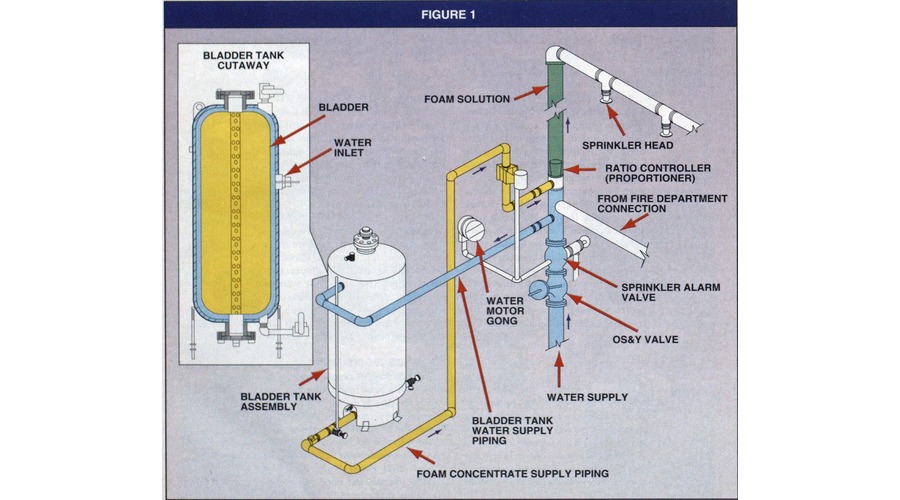
A foam water sprinkler system overview starts with the basics. The system mixes foam concentrate with water and distributes the solution through sprinklers to suppress fire and reduce vapour release. It works especially well where ordinary water may not do enough.
They cool heated surfaces.
They help block oxygen from the fuel surface.
They reduce flame spread.
They improve control in areas with liquid fuel or high hazard materials.
Because of that, the system must suit the site’s exact use. A distribution centre does not face the same risk as a solvent storage area. Likewise, a retail site with back of house storage may need a very different setup from a heavy industrial plant. So, the system information must match the setting, the hazard, and the expected response.
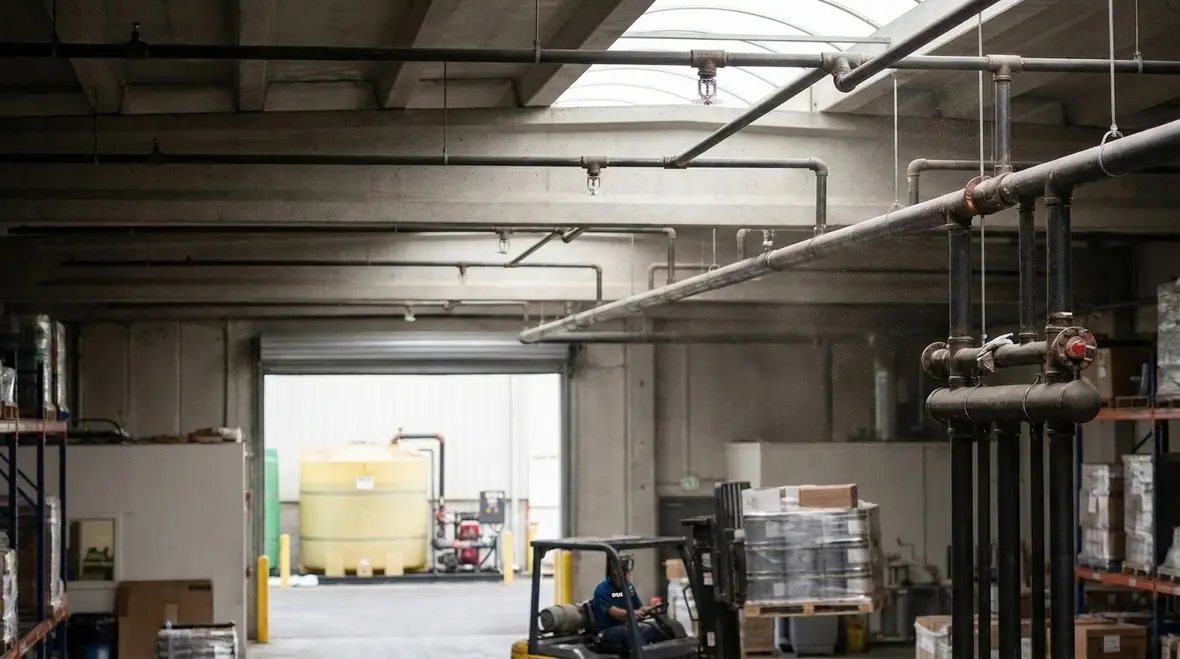
Matching the system to the actual site risk
This is where planning stops being generic and starts being useful. A mixed use commercial property, for example, may have ordinary occupied areas, back of house stockrooms, loading zones, and plant spaces that all behave differently in a fire event. The same building may contain several levels of hazard in one footprint. Good planning does not flatten those differences. It identifies them and makes sure the foam water sprinkler system responds where and how it should.
That practical clarity helps owners, facilities teams, consultants, and service providers stay aligned. If everyone understands the hazard and the system objective, there is less room for under design, over design, or maintenance routines that drift away from the needs of the site. That is especially helpful in busy environments where changes happen gradually and nobody notices until an inspection turns into a very uncomfortable meeting.
How the General System Information Shapes Fire Protection Design
General system information does more than fill paperwork. It shapes the whole design process. It tells the team what areas need coverage, what equipment must be included, and how the system should operate during a fire event. In turn, this helps reduce weak spots and avoid costly redesign later.
Here, the design team looks at hazard type, occupancy, fuel load, discharge method, water supply, and foam concentrate needs. Then the system can be built to serve the site, not just sit on it like expensive ceiling jewellery.
For facilities managers, this step matters because poor system information can lead to poor protection. On the other hand, strong information supports better performance, simpler inspections, and easier maintenance across the life of the system.
Design questions worth answering before installation
Before installation starts, teams should know which hazard areas require foam discharge, how the water and concentrate supplies will support demand, what activation scenario is expected, and how the system interfaces with alarms, valves, and downstream maintenance routines. These are not decorative questions. They are the questions that decide whether the system behaves like a coordinated safety measure or like an expensive apology waiting to happen.
Strong design information also improves documentation quality. Drawings, acceptance testing, service procedures, and later modifications all depend on reliable baseline information. If the baseline is vague, future work becomes slower and riskier. If the baseline is clear, the system remains easier to inspect, service, and improve without guesswork.
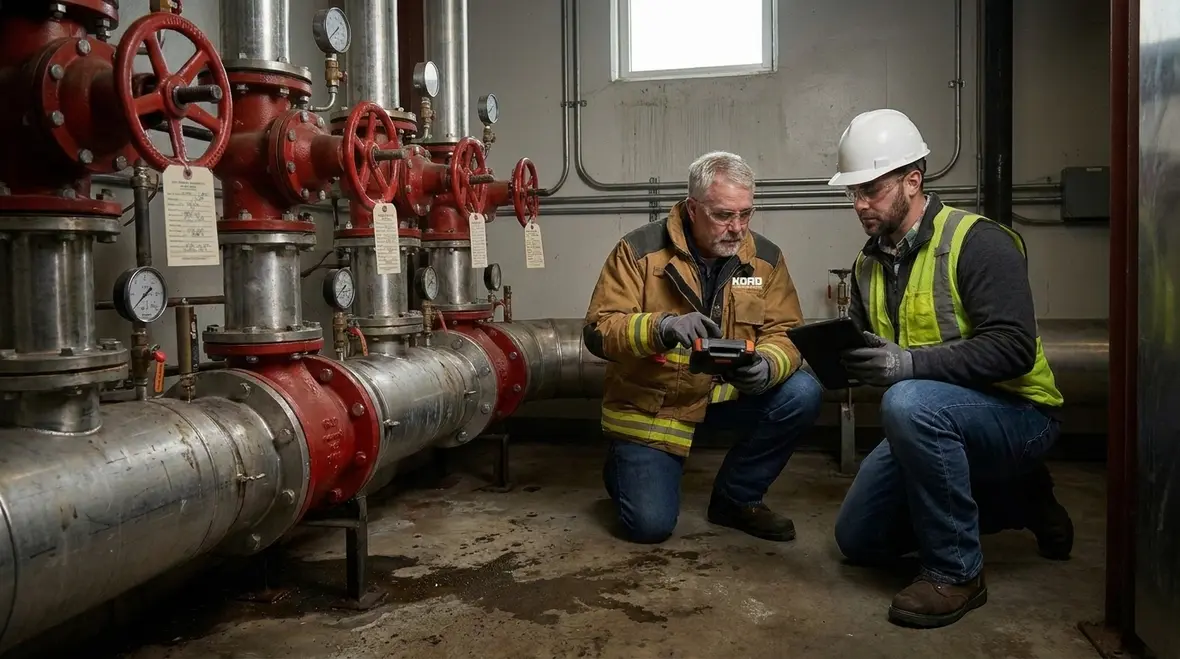
Why Fire Suppression System Requirements Must Be Clear from the Start
Every foam water system must meet specific fire suppression system requirements from the first stage of planning. These requirements guide how the system should perform under fire conditions, how much foam it needs, and how it must be maintained over time. They also help align the system with site risk and expected fire growth.
Clear requirements matter because fire protection fails when teams assume rather than verify. For example, if a site changes product storage, the original risk profile may no longer fit. As a result, the system must be reviewed, updated, and kept ready. That is not glamorous, but neither is fire, and fire never gets the memo to be reasonable.
Common planning gaps that create trouble later
One common gap is assuming yesterday’s storage arrangement still reflects today’s hazard. Another is treating maintenance as a later issue instead of part of the original system plan. Teams also run into problems when documentation does not clearly define concentrate type, operating expectations, or the conditions that would trigger a system reassessment. None of that feels dramatic in the moment, but it becomes dramatic very quickly when an inspection, incident, or site modification exposes the mismatch.
Planning with discipline keeps those problems smaller. It creates a record of intent, performance expectations, and system boundaries that future teams can actually use. That alone is a gift to everyone who inherits the facility later and would prefer not to play detective with life safety equipment.
Where Kord Fire Protection Becomes a Vital Partner
Design support
Helps translate NFPA 16 system information into a site ready solution
Compliance focus
Works to align the system with fire suppression system requirements
Installation and service
Supports correct setup, testing, and long term care
Site knowledge
Helps industrial, retail, and commercial facilities protect real hazards
Kord Fire Protection can become a vital partner because this work needs more than parts and pumps. It needs judgment, experience, and steady support. A strong partner helps with assessment, design input, commissioning, maintenance, and system checks. That means the site does not just install protection. It keeps protection in working order.
For busy facilities, that support can make the difference between a system that merely exists and a system that stands ready. In other words, Kord Fire Protection helps turn code based guidance into real world safety. If teams need a related next step, Kord Fire Protection also offers broader fire suppression system services that fit naturally with foam water sprinkler planning, inspection, and long term readiness.
What Site Teams Should Check During Review and Maintenance
Once a foam water sprinkler system is in place, the work does not stop. Site teams should confirm that system records stay current, foam concentrate remains suitable, valves stay accessible, and alarms respond as expected. They should also check that any site changes still match the original fire protection plan.
Regular review helps catch issues early. In addition, it supports better compliance and smoother inspections. The smartest facilities treat fire protection like a living system, not a wall ornament with a badge of honour.
A simple review mindset that saves trouble
A useful review process asks a few steady questions. Has the hazard changed. Does the system documentation still reflect reality. Are inspection findings being resolved instead of collected like unwanted souvenirs. Are service intervals being followed with discipline. Is the team confident the system would perform as intended today, not just when it was first commissioned. Those questions are not fancy, but they are powerful because they keep attention on readiness instead of assumptions.
That mindset also supports continuity when staff, contractors, or facility uses change over time. A foam water sprinkler system should not depend on one person’s memory and a folder that may or may not still exist. It should depend on documented information, consistent review, and service support that keeps the system aligned with the actual hazard on site.
FAQ
Conclusion
NFPA 16 Section 4.1 gives facilities a clear starting point for foam water sprinkler protection. The value of that starting point is simple: it helps connect the hazard, the system objective, and the design information before decisions harden into installed equipment. When that planning is done well, the result is not just a compliant system but a system that makes practical sense for the site it protects.
For industrial, retail, and commercial sites, the right partner matters just as much as the right system. Kord Fire Protection can help assess, install, and maintain a solution that fits the hazard, supports compliance, and stays ready when it counts. That is smart protection, calmly done, with far less guesswork and far better odds of the system behaving like the serious superhero it was hired to be.

Join Our Newsletter!
Get the latest fire safety tips delivered straight to your inbox From our Newsletter.