
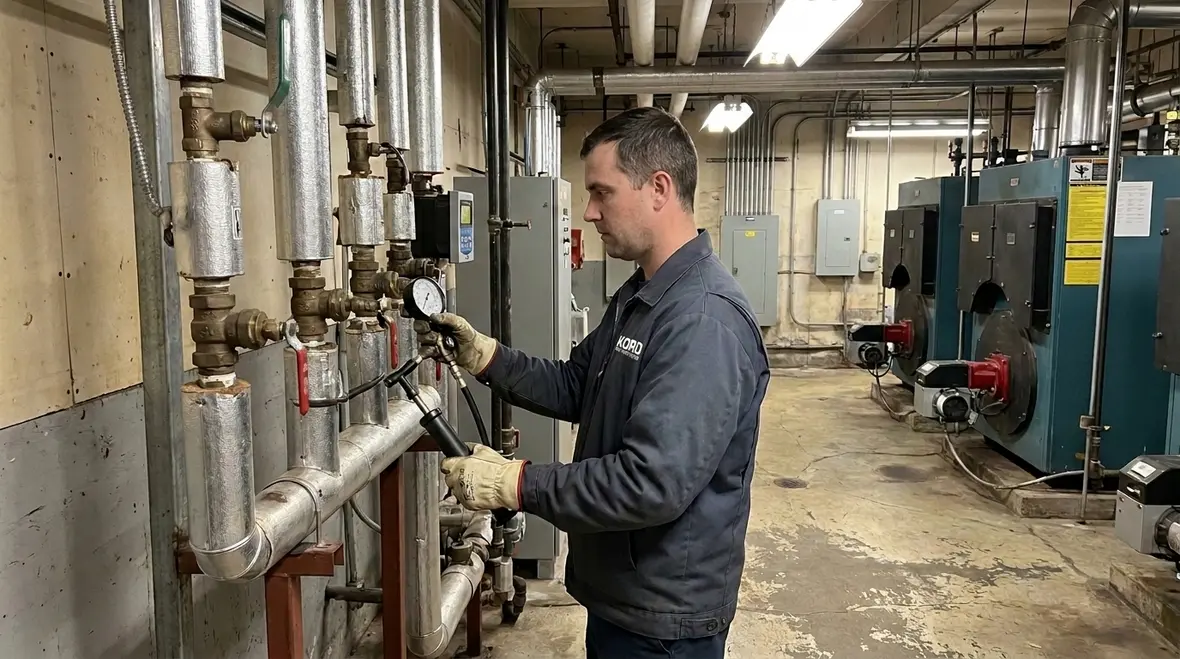
NFPA 31 Section 8.11: Testing Fuel Supply Piping Systems
Quick Answer
NFPA 31 Section 8.11 requires systematic testing of fuel supply piping systems to confirm soundness, integrity, and leak tightness before service and after modifications. Proper testing methods, documentation, and operational safeguards help facilities avoid ignition hazards and costly shutdowns.
Facilities that want broader compliance support can also review fire protection services in Southern California to connect inspection planning, corrective work, documentation support, and ongoing system readiness into one practical service path.
Why NFPA 31 fuel supply piping testing matters in commercial operations
NFPA 31 fuel supply piping testing focuses on a simple risk: a release of combustible liquid that can lead to fire, explosion, slip hazards, environmental damage, and system downtime. In commercial, industrial, and retail facilities, piping systems support burners and oil fired equipment that often operate continuously, seasonally, or on critical schedules. Section 8.11 testing helps ensure that fuel delivery components remain leak tight under expected pressure, temperature, and service conditions.
In practice, compliance failures commonly show up as small but persistent leaks at joints, unions, threaded fittings, valve stems, flexible connections, and pump discharge or suction interfaces. Another frequent issue involves incorrect pressure selection, incomplete venting, or testing without isolating sections that should not be pressurized. These defects can remain undetected until a burner cycle, filter change, or seasonal start-up adds thermal stress and vibration.
What Section 8.11 expects during testing
NFPA 31 Section 8.11 requires testing of fuel supply piping systems to verify the system is suitable for service. While facilities often focus on the pressure test itself, compliance quality depends on preparation and process control. A strong program includes pre inspection checks, defined test boundaries, correct test media, stable instrumentation, and verification that the system reaches and holds the required conditions long enough to reveal leakage.
Typical testing scope in real facilities includes:
- New piping installations and repaired sections after damage or component replacement.
- Changes in routing, elevation, fittings, valves, strainers, or flexible connectors.
- Alterations that affect suction conditions, supply pressure, or run length from tank to burner.
- Post maintenance verification where evidence suggests leaks, degraded gaskets, or damaged threads.
How facilities prepare piping before the test
Testing fuel supply piping systems begins before any pressurization. Kord Fire Protection teams typically confirm the following before starting NFPA 31 fuel supply piping testing:
1) Define the test boundary and isolate equipment correctly
Fuel systems include components that may not be intended for the test pressure or test method. Isolation prevents damage and avoids false results. For example, valves that should remain closed during testing must be verified for proper position, and equipment sections that contain sensitive components may require isolation or bypass arrangements. Proper boundary definition also prevents test fluid migration into areas where it creates confusing leak evidence.
2) Verify joints, fittings, and threaded connections
Most leak events occur at mechanical interfaces. Facilities should inspect:
- Thread engagement quality and correct application of approved joint methods.
- Gasket condition at flanged interfaces and union joints.
- Condition of valves, including packing integrity and operator seals.
- Proper installation of strainers and filter housings if included in the test boundary.
- Flexible connectors for proper length, alignment, and secure clamping.
3) Confirm system readiness for pressure stabilization and venting
Piping systems can trap air, vapor, or residual fuel. Uncontrolled air pockets reduce test reliability and can mask leakage. Controlled venting and stable conditions help the test duration actually reflect the system’s leak behavior, not transient flow dynamics.
Testing methods and what to watch for during the test
NFPA 31 fuel supply piping testing commonly uses pressure testing approaches appropriate to the system design and the combustible liquid hazards involved. The core objective remains the same: confirm that the piping system remains leak tight when subjected to the specified conditions.
Pressure testing integrity: common failure points
During the test, teams focus on both instrumentation accuracy and the physical evidence of leakage. Common issues include:
- Gauge inaccuracy or poor placement that delays readings and masks pressure drift.
- Inadequate sealing of test connections such as temporary caps, test valves, and plugs.
- Leak pathways that only appear under sustained pressure, not initial ramping.
- Temperature effects that cause pressure variation and confusion if conditions are not stabilized.
- Weeping at threaded joints or valve packing that looks minor but fails leak tightness requirements.
Leak detection approach: beyond a quick visual
Visual inspection helps, but many facilities benefit from a structured leak detection method during NFPA 31 fuel supply piping testing. Crevice leaks may show as wetness, sheen, or residue along fitting threads. Facilities also evaluate under insulation edges, at supports, and around flexible connector terminations. For commercial spaces where access is limited, a controlled inspection route with lighting and safe entry procedures helps prevent missed defects.
Documenting the results to support ongoing compliance
Good documentation is not optional. Testing records should include the system description, date, test boundary, test method, pressure targets, duration, observed conditions, and corrective actions taken. This matters when facilities undergo authority having jurisdiction reviews, insurance underwriting, incident investigations, or operational audits.
After the test: reset, restore, and verify burner system readiness
After testing fuel supply piping systems, compliance work often continues. Isolation valves and test configurations must be returned to their normal operating positions, and any temporary test equipment must be removed. Kord Fire Protection typically reinforces a post test checklist that includes:
- Restoring normal fuel path configuration and verifying valve lineup.
- Confirming burner-ready conditions such as priming status and system air management.
- Rechecking accessible joints for any signs of post test residue, especially around flexible connections and unions.
- Ensuring filters and strainers are properly seated and not cross contaminated during test activities.
- Coordinating with maintenance staff so start up does not introduce additional stress or bypass safeguards.
For broader oil burning equipment installation and commissioning context, facilities can use this practical reference: NFPA 31: A Practical Guide to Oil Burning Equipment Installation. It supports the testing workflow by aligning installation details with later verification needs.
Compliance challenges that commonly delay approvals
Even well designed piping systems can fail NFPA 31 fuel supply piping testing due to controllable field issues. Common commercial compliance challenges include:
- Unclear scope of the test. Teams may test too little, leaving suspect runs outside the test boundary, or test too much, risking component damage.
- Work sequencing problems. Testing before final tightening, insulation completion, or valve adjustment can produce misleading evidence.
- Access constraints. Concealed runs behind ceilings or within mechanical rooms can delay leak localization and extend outage time.
- Inconsistent maintenance practices. Reused gaskets, worn seals, and unaddressed corrosion can reintroduce leakage after a “successful” test if the underlying condition remains.
- Insulation and support impacts. Thermal movement and support misalignment can stress joints over time and create delayed failures.
Kord Fire Protection provides a service pathway that supports ongoing compliance, from installation oversight to periodic inspection planning, and from corrective repair documentation to maintenance reinforcement. This approach helps commercial facilities avoid repeated call backs and reduces operational risk during peak service windows.
Frequently Asked Questions
Take action: schedule a documented test and readiness review
Commercial oil fuel systems require more than a one time pressure check. Kord Fire Protection helps facilities plan the right test boundaries, execute NFPA 31 fuel supply piping testing with controlled safeguards, and produce inspection ready documentation. Contact Kord Fire Protection at kordfire.com.au to coordinate testing, repairs if needed, and follow up verification for burner system readiness.

Join Our Newsletter!
Get the latest fire safety tips delivered straight to your inbox From our Newsletter.



