
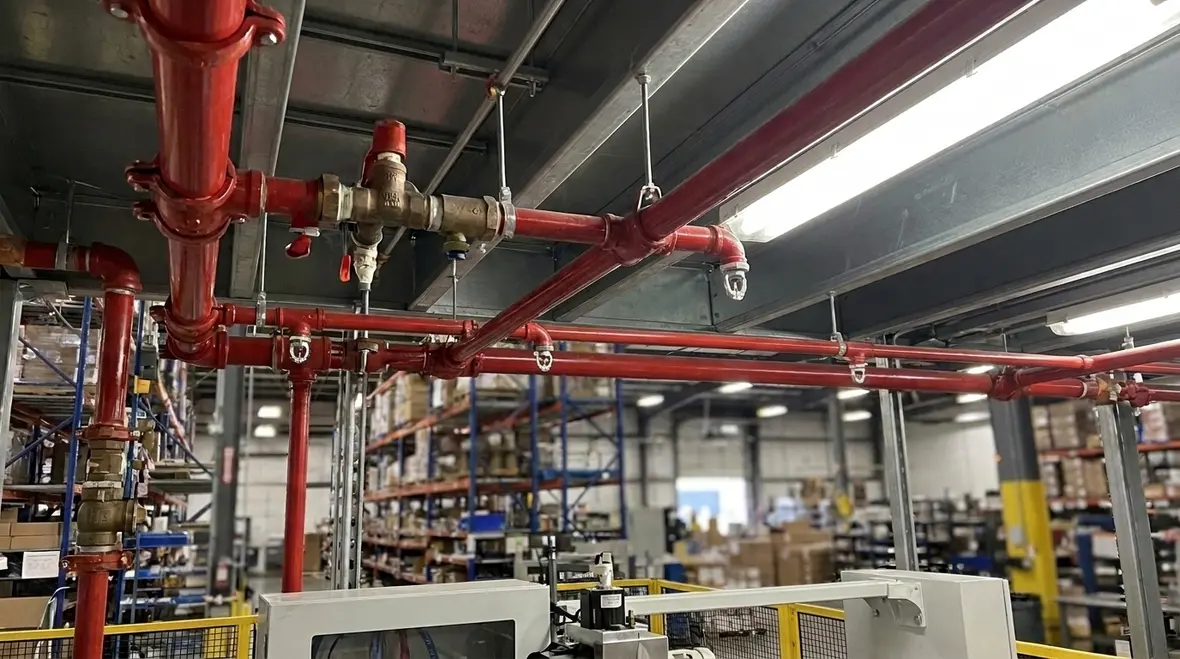
NFPA 15 Section 5.1 General System Components Requirements
Quick Answer
NFPA 15 Section 5.1 sets the baseline for general system components in water spray fixed systems. In simple terms, it covers the core parts that help the system work as intended, from piping and valves to nozzles and controls. For industrial, retail, and commercial sites across Australia, strong design, proper installation, and regular maintenance keep risk low and compliance high.
If your site needs broader support around layout, inspection, or ongoing readiness, Kord Fire Protection’s fire sprinkler system service can fit naturally into that process by helping commercial properties keep system performance aligned with NFPA focused protection goals.
NFPA 15 Section 5.1 General System Components Requirements: What It Means for Site Protection
NFPA 15 system components general requirements form the backbone of effective water spray fire protection. In the first 100 to 150 words, one thing stays clear: the standard expects each part of the system to work together as one reliable unit. That means the piping, fittings, valves, pumps, nozzles, alarms, and controls must suit the hazard, the layout, and the water supply. For industrial plants, retail spaces, commercial buildings, and facilities across Australia, this is not just paperwork in a hard hat. It is the difference between a system that performs and one that simply looks busy.
What NFPA 15 Section 5.1 Covers in Plain Terms
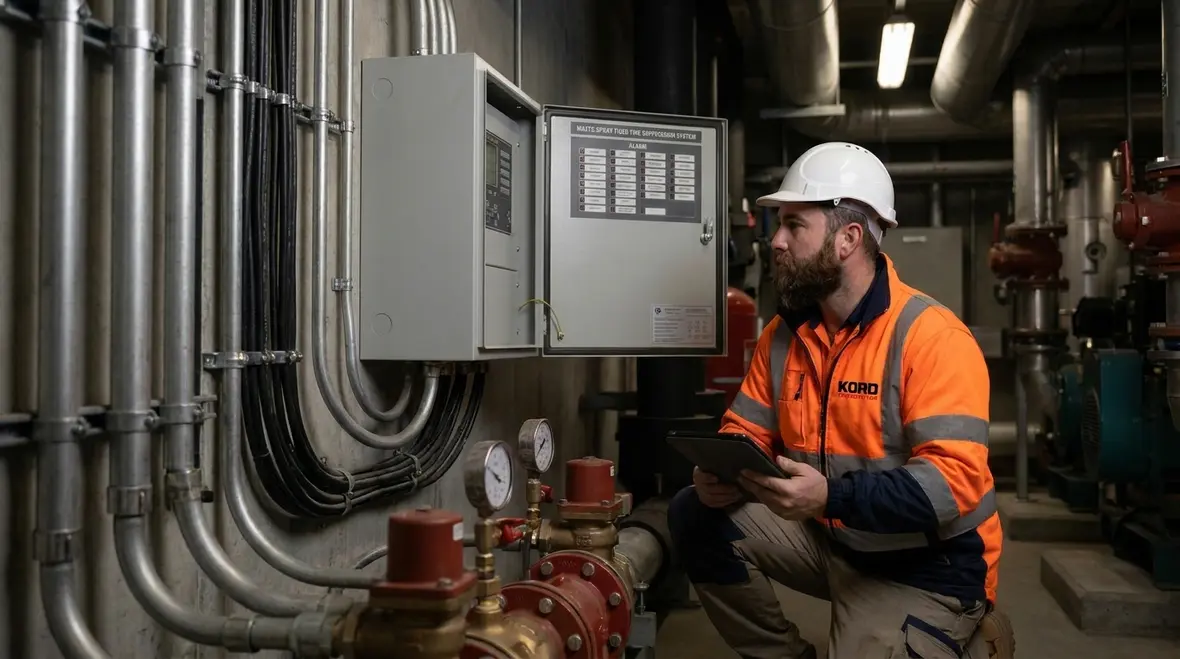
Section 5.1 focuses on the general system parts that make a water spray system function with purpose. It does not ask for fancy extras. Instead, it asks for dependable components that can handle the job under real fire conditions. As a result, the system must match the hazard it protects, support proper water delivery, and allow safe operation and testing.
In practical terms, the standard expects the system to include compatible parts, enough strength for the required pressure, and a layout that supports full coverage. That may sound obvious, but fire systems do not reward guesswork. They reward planning, testing, and components that do not quit when the heat turns up.
Why the general components matter more than people think
A water spray fixed system is only as dependable as its least prepared component. You can have a sound water supply on paper, but if nozzles are wrong for the hazard, if valves are hard to reach, or if piping is not arranged for proper flow, the system can lose effectiveness fast. Section 5.1 matters because it keeps the basics from becoming blind spots. In fire protection, the basics are usually where the plot twist hides.
NFPA 15 system components general requirements explained for Australian facilities
For Australian facilities, NFPA 15 system components general requirements matter because many sites handle fuel, machinery, stock, electrical equipment, or process risks that can grow fast. Therefore, the system must do more than spray water. It must control exposure, cool critical surfaces, and support safe shutdown where needed.
The standard guides the selection of parts that can stand up to the environment. Corrosion resistance, suitable materials, correct spacing, and reliable water delivery all play a role. In a warehouse, that may mean protecting storage and plant areas. In a processing site, it may mean shielding equipment from heat rise. Meanwhile, in a retail or mixed use facility, it may support asset protection and life safety goals without interrupting operations like a bad sequel no one asked for.
Where a project calls for added context around special hazard protection, it also helps to connect this discussion with NFPA 15 enhancing fire safety with water spray fixed systems, since that broader overview shows how system intent, hazard analysis, and performance goals tie back to the components doing the actual work.

Dual column view of the core system pieces
Below is a simple side by side view of the main system pieces and why they matter.
System Piece
- Piping and fittings
- Valves and controls
- Nozzles and discharge devices
- Water supply and pumps
- Alarm and supervision devices
Why It Matters
- Moves water to the hazard area with strength and flow
- Starts, stops, and directs system action safely
- Delivers spray in the right pattern and density
- Provides enough pressure and volume during fire events
- Gives warning and helps operators confirm status
How these pieces work as one system
These components do not operate like solo acts. Piping must support the selected nozzles. Valves and controls must allow the system to activate, isolate, and test safely. Pumps and water supply must sustain the demand expected by the layout. Alarm and supervision devices help people know whether the system is ready, active, or in trouble. Remove confidence from any one of those pieces and the whole setup starts acting like it forgot its lines.
How system design supports performance and compliance
Good design turns the standard into real protection. First, the system must suit the hazard, because a one size fits all approach belongs in sitcoms, not fire protection. Next, the piping layout must allow proper flow, while the nozzles must cover the right areas without gaps. In addition, the water supply must support the demand for the full design period.
Design also needs access. Maintenance teams must reach valves, gauges, and test points with ease. If they cannot inspect the system, then problems can hide until the worst moment. Therefore, clear labeling, safe access, and practical layout help keep the system ready for action.
Planning for testing, servicing, and the real world
A design that looks tidy in drawings but becomes awkward during inspection is not doing the full job. Section 5.1 thinking should reach beyond installation day. Teams need room to test valves, confirm pressures, inspect discharge devices, and identify wear before it becomes failure. The more practical the layout, the easier it is to maintain readiness without disrupting operations more than necessary.
Why installation quality matters as much as component choice
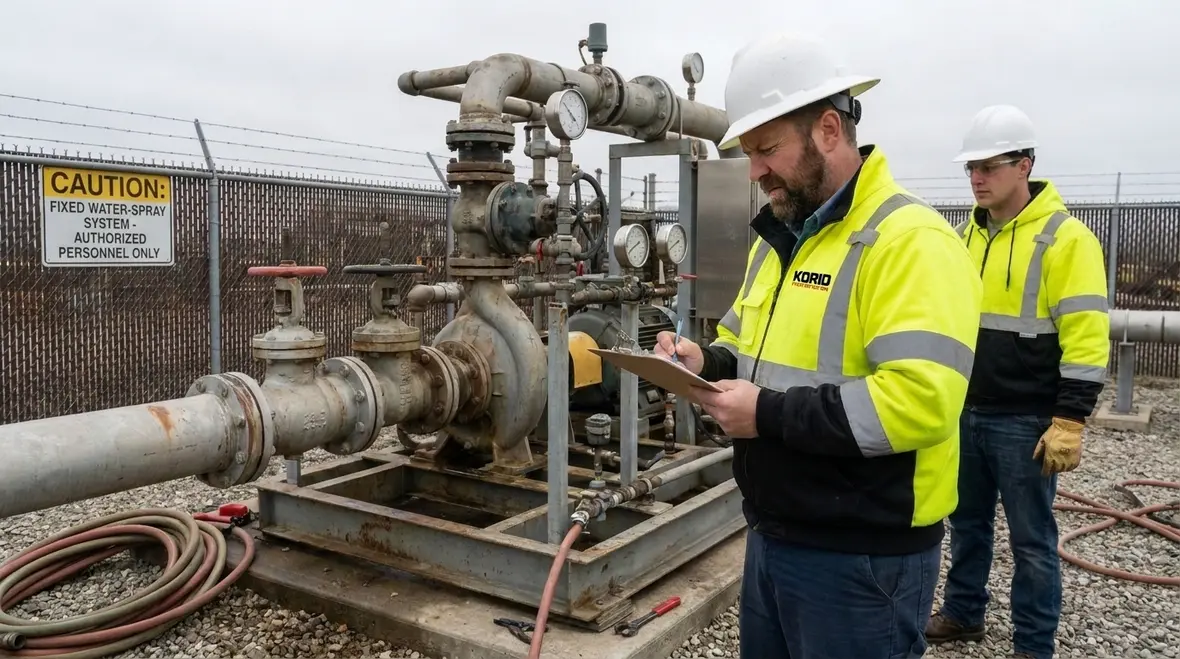
Even the best equipment fails if it goes in poorly. That is why installation under NFPA 15 system components general requirements must follow the design closely. Pipe support, nozzle placement, joint integrity, and control setup all affect how the system performs.
During installation, small errors can create big trouble. A wrong angle, a missed clearance, or a weak connection can reduce spray coverage or cause delays in operation. So, the install team must understand the standard, the hazard, and the site conditions. That level of care protects the owner, the building, and everyone who works inside it.
The common problem is not always the obvious one
A system can look complete and still miss the mark. Misaligned nozzles, buried valves, poor support spacing, and hard to read identification can all chip away at performance. None of those issues sound dramatic until a system is expected to operate during a real event. Then suddenly the tiny shortcut from months ago becomes the main character, and not in a good way.
How Kord Fire Protection can become a vital partner
Kord Fire Protection can play a vital role in helping facilities apply NFPA 15 Section 5.1 the right way. More importantly, they can support the full job from design review through installation, testing, and ongoing service. That matters because system success depends on more than buying parts and hoping for the best.
Kord Fire Protection can help site teams choose the right components, confirm compatibility, and support a layout that meets both the standard and the site’s real risk. In addition, they can assist with inspection and maintenance planning so the system stays ready over time. For industrial, retail, and commercial operators across Australia, that kind of partnership saves time, reduces confusion, and keeps fire protection aligned with business needs.
For facilities managing broader suppression risks, Kord Fire Protection’s commercial fire suppression systems and services can also complement NFPA 15 planning where special hazards, critical equipment, or process areas need more tailored protection strategies.
FAQ
Conclusion: keep the system ready before trouble arrives
NFPA 15 Section 5.1 sets the foundation for dependable water spray protection. For facilities that cannot afford weak links, the right components, the right install, and the right service partner make all the difference.
Kord Fire Protection can help turn code requirements into a working system that supports safety, uptime, and peace of mind. For sites across Australia, that is a smart move worth making.

Join Our Newsletter!
Get the latest fire safety tips delivered straight to your inbox From our Newsletter.



