
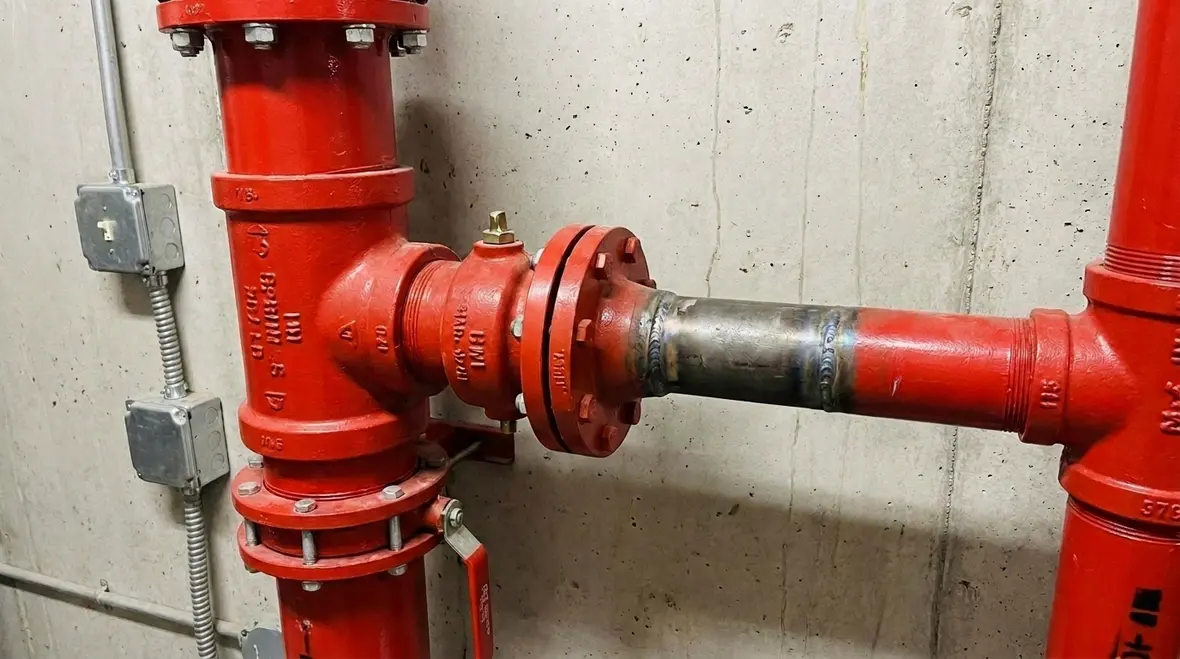
NFPA 15 Section 2.3 Other Publications: ASME, ASTM, AWS, and IEEE Standards Behind the Piping
Quick Answer: NFPA 15 Section 2.3 incorporates external standards to support safe design, installation, and inspection of fire sprinkler and water spray system piping. These references commonly include ASME, ASTM, AWS, and IEEE requirements for pipe components, joining methods, and electrical elements that affect reliability.
Why NFPA 15 Section 2.3 matters for real-world piping compliance
In commercial, industrial, and retail facilities, piping quality determines whether a fixed water spray or sprinkler system can deliver the required flow and pressure at the right time. NFPA 15 Section 2.3 is where the standard points beyond its own text to other authoritative publications. That matters because the most common field compliance issues often appear at the interfaces: fittings, flanges, welded joints, pressure testing connections, insulation boundaries, and electrical components that interact with control valves and alarms.
For fire protection stakeholders managing ongoing compliance, the key is not just knowing the cited documents, but understanding how NFPA 15 2.3 ASME ASTM AWS IEEE pipe fitting standards translate into inspection points, documentation, and maintenance practices that survive day to day operations.
If your team is also reviewing broader sprinkler maintenance needs, a related resource near the top of the list is fire sprinkler system service, which fits naturally with the documentation and repair quality issues discussed here.
Where Section 2.3 pulls in ASME, ASTM, AWS, and IEEE requirements
NFPA 15 uses its own performance and arrangement rules, then it directs users to other standards for specific material, workmanship, and verification criteria. In practice, ASME, ASTM, AWS, and IEEE references influence how piping systems handle strength, corrosion resistance, joining integrity, and electrical safety and functionality.
ASME: strength, pressure boundary integrity, and component compliance
ASME referenced requirements typically affect pressure retaining parts and the design basis behind fittings, valves, and connections that must withstand system pressures and water hammer conditions. When ASME requirements apply, the inspection focus shifts toward evidence that components are rated correctly for expected pressure and temperature conditions and that installation does not compromise the pressure boundary.
ASTM: material identity, chemistry, and dimensional consistency
ASTM references usually control material specifications such as pipe and fitting grades, mechanical properties, and sometimes tolerances that affect fit up. Material uncertainty leads to misalignment, poor sealing, and accelerated corrosion. In commercial facilities, aging systems and recent repairs often introduce nonmatching material families unless the maintenance team controls procurement and verifies documentation.
AWS: welding procedures and workmanship controls
AWS references become critical when fire system piping is welded. Welding affects more than appearance. It determines whether the joint achieves required strength and integrity. Common failure points include inadequate procedure qualification, incorrect electrodes or wire selection, poor joint preparation, contamination, and improper inspection of welds before acceptance. When welding workmanship does not meet the referenced requirements, the system may pass a visual check but fail pressure integrity expectations over time.
IEEE: electrical interface and reliability of system-related components
IEEE references typically matter where the fire pump control, supervisory circuits, alarm interfaces, and electrical components coordinate with water flow and system status. Even if the piping itself is correct, unreliable electrical power quality, improper bonding, or miswired control devices can interrupt system operation or complicate troubleshooting during inspections and drills.
Operational takeaway: when NFPA 15 points to ASME, ASTM, AWS, and IEEE, the maintenance organization must treat those documents as part of the inspection plan, not as background reading.
What inspectors and maintenance teams should check behind the fittings
NFPA 15 compliance is not limited to system layouts. Section 2.3 external standards inform how fittings are selected, joined, sealed, and validated. The following checks reflect common compliance challenges in commercial facilities where systems undergo tenant changes, retrofit work, and periodic shutdowns.
1) Fitting material traceability and documentation
Many facilities struggle with missing or incomplete component submittals after renovations. The result is uncertainty about whether installed pipe fitting standards match the required material grade and specification. Maintenance and inspection teams should verify that pipe and fittings have traceable documentation and match the system design basis. For recurring projects, implement a controlled document handoff for as built drawings, product data, and material certificates.
2) Joining method alignment, especially for welded sections
When welding is used, the inspection team should confirm that the welding procedure and welder qualification meet the applicable referenced requirements, and that the joint preparation and weld completion steps were performed to the planned scope. Practical failure points include undercutting, insufficient penetration, contaminated surfaces, and lack of required post weld inspection. In the field, these issues often surface during periodic testing, after corrosion begins, or after repairs introduce new joining methods.
3) Pressure boundary verification during acceptance and after repairs
Even when fittings appear properly installed, pressure integrity depends on correct assembly and acceptance testing. During commissioning and after any modification, verify that the pressure retaining boundary remains intact and that test procedures match the system requirements. Maintenance teams should ensure that temporary connections, blinds, and couplings used during repairs are removed and replaced with compliant components.
4) Electrical coordination issues that delay reporting or inhibit response
Where IEEE influenced components connect to system status monitoring, supervisory switches, or pump control circuits, recurring problems include loose terminations, improper grounding and bonding, cable routing conflicts, and unverified alarm logic. Electrical issues can prevent timely supervisory alarm annunciation, which increases operational risk and complicates inspection results.
To strengthen ongoing compliance outcomes, many facilities also benefit from aligning water supply testing and system maintenance with broader fixed system best practices, including the practical guidance described here: NFPA 15 enhancing fire safety with water spray fixed systems.
Common failure points tied to ASME, ASTM, AWS, and IEEE-linked requirements
Understanding where systems fail helps facilities focus inspections on high risk zones. The following issues frequently appear after construction, after repairs, or during long term operation when standards compliance controls lapse.
Corrosion and mismatch of material families
When ASTM specified material grades are not matched during replacement, corrosion can accelerate at joints. Differences in alloy selection and coating compatibility can create galvanic corrosion patterns. This failure often begins silently around fittings and welds before it affects discharge performance or pressure loss trends.
Weld integrity problems introduced during maintenance
Maintenance repairs sometimes replace a section of piping with different joining methods than the original installation. If welding procedures do not align with AWS referenced workmanship, the joint may develop micro defects or weak areas. Over time, vibration, thermal cycling, and water hammer can worsen these weaknesses.
Inconsistent sealing, gasket selection, and flange assembly
Fittings and joints must maintain leak tightness and maintain hydraulic performance. Improper gasket materials, incorrect bolt torque, or misaligned flanges can cause chronic leakage, water accumulation, and corrosion within concealed spaces. These problems can also create maintenance false alarms during periodic checks.
Electrical control faults that mask system readiness
IEEE-linked electrical interfaces are frequently exposed to building modifications, temporary power conditions, or contractor substitutions. Without disciplined verification, supervisory systems may report inaccurately or fail to energize control functions that drive water flow response.
Facilities that want fewer surprises generally treat the referenced standards as part of the maintenance scope, not just a one time design requirement. Kord Fire Protection supports commercial operators with practical compliance planning, inspection readiness, and repair quality oversight so the system remains reliable during both initial acceptance and recurring tests.
Operational procedure: how to manage Section 2.3 references during repairs and inspections
A strong compliance program uses a repeatable workflow for modifications. This is especially important in multi tenant and retail environments where service interruptions and contractor access must be managed.
Step 1: Confirm which referenced documents apply to the work scope
Before repairs, the responsible party should confirm whether the affected segments involve welded connections, specific pipe grades, or electrical control interfaces. Then align the work permits, submittals, and inspection checkpoints with the referenced standards behind NFPA 15 Section 2.3.
Step 2: Control material procurement and maintain traceability
Use controlled procurement for pipe and fittings and preserve certificates and product data. In practice, this reduces the risk of contractor substitutions that do not meet the intended ASME or ASTM requirements.
Step 3: Verify welding workmanship and inspection evidence
Where welding occurs, require evidence of procedure qualification, welder qualification, weld prep compliance, and required inspections. Capture results and attach them to the maintenance record so the next inspection cycle can verify the joint quality history.
Step 4: Validate electrical interfaces for correct supervisory and alarm behavior
For IEEE-influenced electrical components, confirm correct wiring, grounding and bonding, circuit integrity, and alarm logic verification. Document the functional tests performed and verify that the building fire alarm interface, pump control, and supervisory annunciation match the system design intent.
For additional supporting resources on fire pump and system related expectations, facilities often review industry educational materials such as NFPA 25 fire pump testing requirements guide to align training and operational practices with dependable system operation.
How Kord Fire Protection supports ongoing compliance with Section 2.3 linked piping standards
Commercial facilities typically face three recurring pressures: code compliance, operational continuity, and retrofit complexity. Kord Fire Protection helps organizations reduce risk by standardizing documentation, inspection focus, and maintenance readiness for systems influenced by external references under NFPA 15 Section 2.3.
- Inspection and maintenance planning: aligning field checks with the realities of fittings, welds, material traceability, and electrical interfaces.
- Repair quality coordination: supporting controlled workmanship verification so replacements remain consistent with applicable ASME and ASTM material expectations and AWS welding requirements where relevant.
- Recordkeeping support: maintaining the evidence trail needed for audits, insurer reviews, and routine compliance cycles.
As a practical partner for commercial and industrial operators, Kord Fire Protection supports the work that prevents small piping and interface problems from turning into operational disruptions during system tests or real emergencies. For service inquiries, teams can review Kord Fire Protection resources through kordelectric.com, and local Kord Fire Protection coverage can also be viewed via kordfire.com.au.
Frequently Asked Questions
Conclusion and Call to Action
NFPA 15 Section 2.3 makes external standards part of the real compliance pathway for piping, fittings, welding, and related electrical interfaces. If your facility includes aging piping, recent repairs, or contractor driven modifications, now is the right time to validate material traceability, joining workmanship evidence, and supervisory circuit performance. Contact Kord Fire Protection to review your current inspection plan, tighten repair documentation, and support ongoing testing and maintenance aligned with the NFPA 15 2.3 ASME ASTM AWS IEEE pipe fitting standards requirements.

Join Our Newsletter!
Get the latest fire safety tips delivered straight to your inbox From our Newsletter.



