
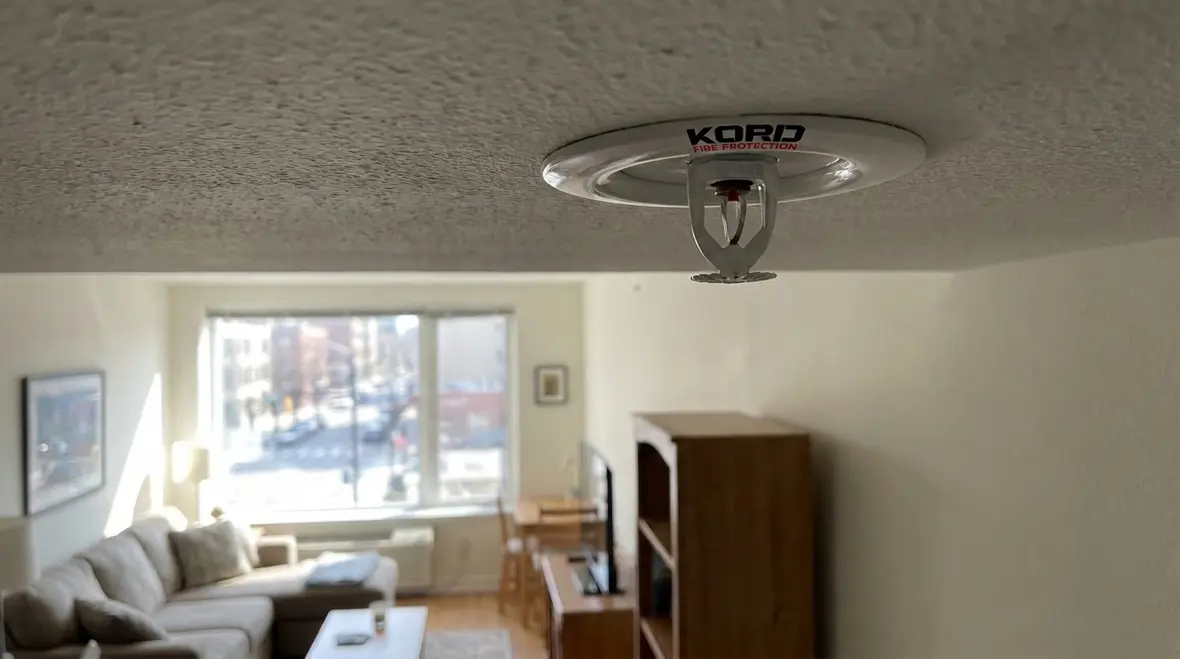
NFPA 13R Section 1.2 Purpose: How Residential Sprinklers Prevent Flashover in the Room of Fire Origin
Quick Answer
NFPA 13R Section 1.2 purpose flashover prevention room of origin focuses on controlling the growth of fire early. Residential sprinklers are designed to wet and cool the compartment contents near the fire, reducing heat flux and limiting conditions that drive flashover.
If your property team is reviewing broader service readiness, Kord Fire Protection’s fire sprinkler services page gives a practical look at inspection, maintenance, repair, and installation support that helps systems stay ready when activation timing actually matters.
Why NFPA 13R 1.2 Purpose Exists
NFPA 13R provides a fire sprinkler system standard for certain residential occupancies. Section 1.2 sets the intent behind the design approach: the sprinkler system should intervene quickly enough to control the fire development in a way that reduces the likelihood of rapid transition to flashover.
The “room of fire origin” matters because flashover typically occurs when the upper layer heats rapidly and ignites most or all exposed combustibles. For commercial, industrial, and retail facilities with residential style residential occupancies, the compliance challenge is ensuring the installed sprinkler arrangement and ongoing maintenance support the standard’s objective when real fires begin.
What Flashover Requires, and How Sprinklers Interrupt It
Flashover is not a single event. It is the outcome of heat and ignition conditions intensifying across the compartment. The mechanism is strongly tied to:
- Rapid heat release that increases the temperature of hot gases and ceiling or upper layers.
- Radiant heat feedback from the fire plume and hot upper layer to nearby combustibles.
- Pyrolysis and surface ignition of furnishings and building components until multiple items ignite nearly simultaneously.
NFPA 13R 1.2 purpose flashover prevention room of origin is achieved by sprinkler discharge that cools the hot gas layer and suppresses flames. While a residential sprinkler is not expected to “extinguish” a fully developed room fire instantly, it supports survivability by slowing fire growth and reducing the thermal conditions that trigger full room involvement.
How Residential Sprinklers Create the Flashover Defense
1) Fast localized cooling and flame knockdown
Sprinklers operate at the temperature rise rate and thermal conditions established by their design. When the sprinkler activates, water is discharged over a target area with the goal of wetting burning materials and adjacent surfaces. This reduces flame intensity and helps limit the ceiling heat buildup that drives flashover.
2) Heat flux reduction at ceiling level
Flashover depends heavily on radiant and convective heat reaching unignited combustibles. Sprinkler water and droplet evaporation absorb energy, lowering gas temperatures. In practical facility terms, this can buy time for occupant egress and for fire service operations to arrive while conditions remain survivable.
3) Limiting fire spread beyond the origin room
Even before the fire is controlled, early sprinkler activation reduces the chance that fire grows unchecked, spreads to adjoining spaces, or escalates into conditions that exceed the capability of occupants to escape.
For compliance and life safety, systems must be designed so the sprinkler distribution, spacing, and hydraulic performance allow the intended discharge pattern and density at the critical early stage.
Where NFPA 13R Design Intent Meets Real Installation Risks
Many flashover failures in the field are not caused by the sprinkler “concept” failing, but by implementation problems that reduce performance at the moment activation matters most.
Common installation and commissioning failure points
- Incorrect sprinkler layout or obstructions that disrupt spray distribution, especially near ceilings and localized discharge targets.
- Wrong sprinkler type or temperature rating that alters activation timing relative to the fire development curve.
- Hydraulic deficiencies caused by undersized piping, incorrect fittings, or miscalculated pressure losses.
- Water supply issues such as inadequate pressure, improper main flow requirements, or valves left in incorrect positions after service.
- Defective fire alarm interface or supervisory components in facilities where the system ties into monitored reporting.
Maintenance related failure points
- Sprinkler corrosion or contamination that affects thermal element response and discharge quality.
- Paint, drywall dust, or obstructions on sprinkler assemblies that can interfere with discharge.
- Failed inspections where valves are not verified for full accessibility and correct supervisory status.
These issues directly undermine NFPA 13R 1.2 purpose flashover prevention room of origin because the system will not deliver the timely cooling and suppression needed during the early fire phase. Kord Fire Protection supports commercial owners with disciplined inspection, testing, and maintenance programs that protect performance over time.
Compliance in Commercial Facilities: What to Verify
Although NFPA 13R applies to specific residential occupancy scenarios, commercial, industrial, and retail properties frequently include mixed use areas, residential style units, or residential classifications within a broader building footprint. The compliance goal remains the same: ensure the sprinkler system can control early growth in the room where ignition starts.
Operational verification checklist for the room of fire origin concept
- Occupancy classification and design basis confirm the system is installed under the correct standard scope.
- Sprinkler listing and placement matches the approved plans, with no unauthorized changes or obstructions.
- Hydraulic design acceptance verifies water supply, pipe sizes, and calculated pressure loss are correct.
- Valve supervision and drain control ensures the system is ready at all times.
- Inspection and service records demonstrate ongoing compliance and quick correction of defects.
For additional installation and system overview context, refer to NFPA 13 overview and automatic fire sprinkler system installation from Kord Fire Protection. While that page focuses on NFPA 13, the practical installation discipline and system performance considerations apply across sprinkler system standards.
How Kord Fire Protection Supports Ongoing Flashover Defense
Sprinklers are life safety equipment with performance that depends on both the original installation and long term upkeep. Kord Fire Protection positions the flashover prevention goal as an operational outcome, not just a design requirement.
Commercial facilities typically need recurring service that aligns with inspection expectations, addresses impairment risks early, and documents compliance for audits and tenant turnover. Kord Fire Protection works with facility teams to maintain system readiness, coordinate access for inspection, and close common gaps that can reduce discharge effectiveness in the room of origin.
For broader context on inspection schedules, valve checks, alarm testing, and documentation discipline, see Kord Fire Protection’s article on the full lifecycle of fire protection servicing. For industry reference material on pump and water supply considerations, you can also review firepumps.org.
Frequently Asked Questions
Conclusion and Call to Action
NFPA 13R Section 1.2 purpose flashover prevention room of origin relies on timely sprinkler activation, correct layout, and reliable water delivery to control heat buildup and suppress flames in the ignition space. If your facility contains NFPA 13R covered spaces, verify design compliance, document inspections, and address impairment risks promptly. Contact Kord Fire Protection to review system records, confirm readiness, and schedule ongoing testing and maintenance that protects life safety.

Join Our Newsletter!
Get the latest fire safety tips delivered straight to your inbox From our Newsletter.



