
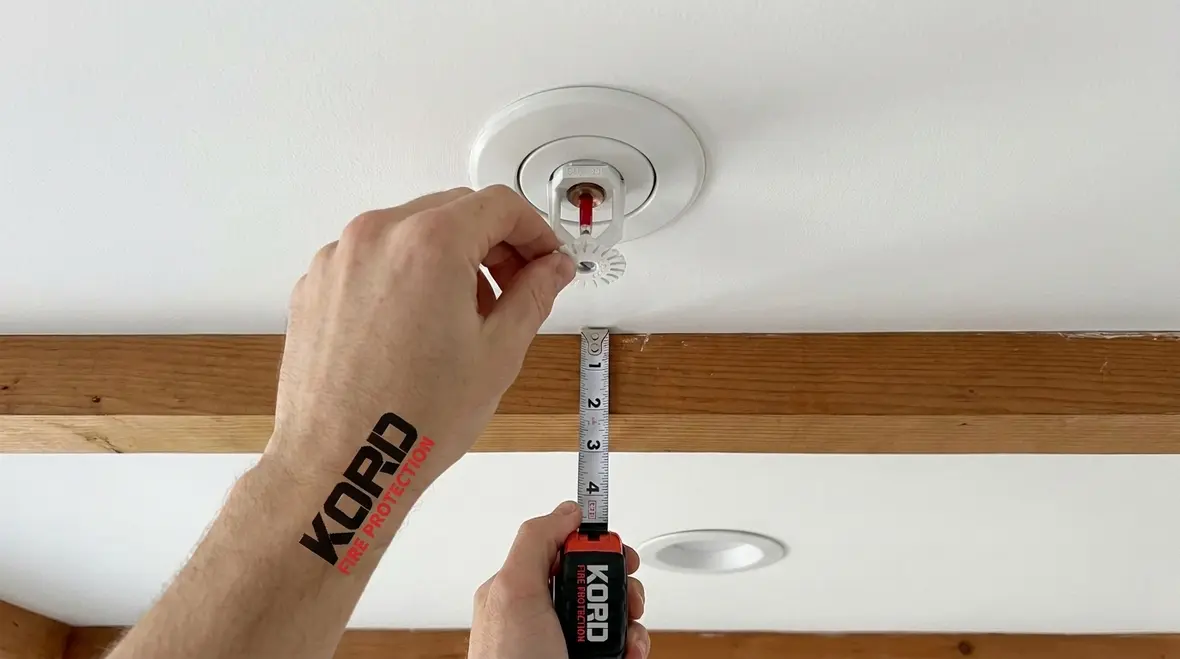
NFPA 13D Section 8.2: Sprinkler Mounting Heights and Clearances in Residential Homes
Quick Answer: NFPA 13D Section 8.2 establishes how to position sprinklers relative to ceilings, drops, and obstructions in one and two family homes. Proper mounting height and clearance control spray patterns, thermal response time, and inspection pass rates during commissioning and annual testing.
If you’re tightening up installation quality or planning post-installation verification, Kord Fire Protection’s fire sprinkler system service is a natural next step for inspections, repairs, maintenance, and code-focused support. ([kordfire.com](https://kordfire.com/fire-sprinkler-service/?utm_source=openai))
What NFPA 13D Section 8.2 requires for one and two family homes
NFPA 13D Section 8.2 sprinkler mounting heights clearances one two family homes are enforced to maintain reliable operation and predictable water distribution. The section focuses on where sprinklers sit in relation to the finished ceiling plane and how they clear architectural elements such as beams, soffits, and light fixtures. When these clearances drift due to layout changes, remodels, or careless field adjustments, sprinklers can be shielded from the effective spray pattern or delayed in activation.
For commercial, industrial, and retail facilities that also coordinate with residential or mixed occupancy systems, the compliance lesson remains the same: installation accuracy is an inspection outcome. Kord Fire Protection supports ongoing adherence through field verification, documentation control, and post installation maintenance routines that align with accepted NFPA practices. Kord Fire says it provides code-compliant installation, inspections, preventive maintenance, repairs, upgrades, and broader fire protection coverage across sprinkler systems and related services. ([kordfire.com](https://kordfire.com/?utm_source=openai))
How sprinkler mounting height affects performance and inspections
Mounting height is not “close enough”
Sprinkler mounting height controls the geometry of discharge. Even small deviations can alter the spray pattern enough to influence whether water reaches expected targets. Inspectors also check mounting height because it correlates with concealed obstructions, plafond condition, and listed sprinkler orientation.
In one and two family homes, typical mounting height sensitivity occurs where ceiling type varies. Examples include:
- Transition areas between flat ceilings and sloped or vaulted ceilings
- Ceiling drops in hallways, foyers, and alcoves
- Rooms with soffits or decorative bulkheads
- Recessed can lights and ceiling mounted mechanical components
Common field causes of mounting height nonconformance
Mounting height issues often originate from workflow and coordination gaps rather than intent. The most frequent drivers include:
- Late ceiling framing changes that shift the finished ceiling plane after pipe rough in
- Substitution of sprinkler escutcheons, covers, or drops that do not match the original plan
- Using generic hangers or offsets that do not account for slope or obstruction geometry
- Installing sprinklers before ceiling finishes, then re adjusting after drywall, which can introduce drift
- Incorrect identification of the applicable ceiling plane in areas with layered finishes
During commissioning, technicians should verify mounting height using documented reference points. After any inspection fails, corrective actions should be logged with as built updates to prevent repeat discrepancies.
Clearances: the obstruction management layer in residential sprinklers
Clearance rules protect the spray pattern
Clearances in NFPA 13D Section 8.2 address how close sprinklers may be to obstructions that can deflect or absorb discharge. This includes structural members and architectural features that can limit water distribution. Proper clearance management ensures the sprinkler can form the intended spray and that the discharge is not partially blocked before it reaches the room.
Obstructions that frequently trigger plan and inspection scrutiny
In one and two family homes, inspectors often focus on these real world elements:
- Ceiling beams and joists where the soffit depth creates a shield effect
- Bulkheads and dropped ceilings that create local pocket volumes
- Recessed light fixtures, where trims and housings can act as spray blockers
- Ceiling mounted fans or ductwork that interferes with sprinkler discharge path
- Storage or temporary covers added after completion that block discharge
Clearance compliance becomes harder as the design grows more detailed. For mixed use buildings, maintenance teams also need to protect installed clearance from future tenant modifications. Commercial facility standards often handle this via disciplined work permit processes and inspection triggers for alterations, which translates into fewer residential sprinkler retrofit surprises when homes are part of larger portfolios.
Operational procedures and inspection practices that keep systems compliant
Verify before close in
Operationally, the lowest risk approach is to verify mounting height and clearances before ceiling close in. Field verification typically includes measuring from a defined finished ceiling plane, confirming sprinkler temperature rating and orientation, and checking the presence and location of potential obstructions relative to listed sprinkler discharge patterns.
Maintain a single source of truth: plans, revisions, and as built records
A recurring compliance failure point is documentation mismatch. If the field installs a different sprinkler spacing, different drop length, or different ceiling plane than the plan indicates, the inspection can fail even when the system works mechanically. As built records should include:
- Sprinkler location and type
- Mounting height measurements relative to the finished ceiling
- Obstruction conditions that influence clearance and discharge
- Any deviation from original submittals, including revised details
Commissioning and acceptance checks
Commissioning should confirm water distribution controls, alarms where applicable, and system readiness. While residential NFPA 13D systems vary by design, acceptance should still prioritize verifying that installed components match the intent behind sprinkler mounting height and clearances. When errors are discovered after close in, remediation often requires more labor and can delay occupancy or inspection certification.
For a broader view of installation expectations that support acceptance, see this overview of automatic fire sprinkler system installation: NFPA 13 overview and automatic fire sprinkler system installation.
Maintenance requirements: how clearance drift happens after installation
Why compliance can change over time
NFPA 13D systems rely on the integrity of installation geometry. Over time, clearance and mounting height can drift due to:
- Ceiling modifications such as new lighting retrofits or recessed fixture replacements
- Mechanical upgrades that add ducts, diffusers, or service panels
- Tenant or homeowner additions that install shelving or temporary coverings
- Water damage remediation that alters ceiling surfaces and reference planes
Recommended maintenance approach for ongoing compliance
A practical maintenance approach uses periodic inspection of visible components and targeted checks after any renovation. Even in one and two family homes, teams should apply inspection rigor similar to commercial facility practices: document findings, identify obstruction changes, and repair or adjust as needed. Kord Fire Protection provides support for testing, inspection readiness, and remedial actions to keep the sprinkler installation aligned with the intent of NFPA 13D Section 8.2. Kord Fire describes its sprinkler service as covering installation, certification, maintenance, inspections, repairs, and corrosion-related work. ([kordfire.com](https://kordfire.com/fire-sprinkler-service/?utm_source=openai))
For pump and water supply resources that often interface with sprinkler system performance and operational readiness, additional industry context is available through Fire Pumps, including recent guidance on water supply and pump design reliability for sprinkler-supported systems. ([firepumps.org](https://firepumps.org/blog/bs-en-12845-water-supply-for-fire-pumps-guide/?utm_source=openai))
Frequently Asked Questions
Conclusion and call to action
Correct sprinkler mounting heights and clearances protect thermal response, spray distribution, and inspection outcomes in one and two family homes. Kord Fire Protection helps teams verify geometry before close in, control documentation for as built accuracy, and maintain compliance after renovations. Schedule a field review to confirm NFPA 13D Section 8.2 alignment in your project and reduce the risk of rework, delays, and acceptance failures.

Join Our Newsletter!
Get the latest fire safety tips delivered straight to your inbox From our Newsletter.



