NFPA 1 Section 1.9 Fire Official Liability Protection
Quick Answer
NFPA 1 Section 1.9 helps define when fire code officials, marshals, and related authorities receive legal protection while doing their jobs in good faith. For industrial, retail, and commercial sites across Australia, this matters because clear fire code rules, strong records, and expert support from Kord Fire Protection can reduce risk, confusion, and costly disputes.
NFPA 1 Section 1.9 matters because fire safety work often carries legal weight. In plain terms, fire official liability protection, fire code immunity provisions, and fire marshal legal liability all help explain when an official is protected while enforcing fire rules honestly and within their role. That protection does not remove the need for care, but it does support sound enforcement. For industrial plants, retail chains, and commercial facilities across Australia, that can mean fewer delays, fewer disputes, and better compliance. And yes, the paperwork still shows up like an uninvited sequel.
Near the start of that process, many facilities benefit from working with a broader fire protection compliance and readiness partner that can help connect inspections, records, maintenance, and practical site follow through before minor issues become expensive arguments.
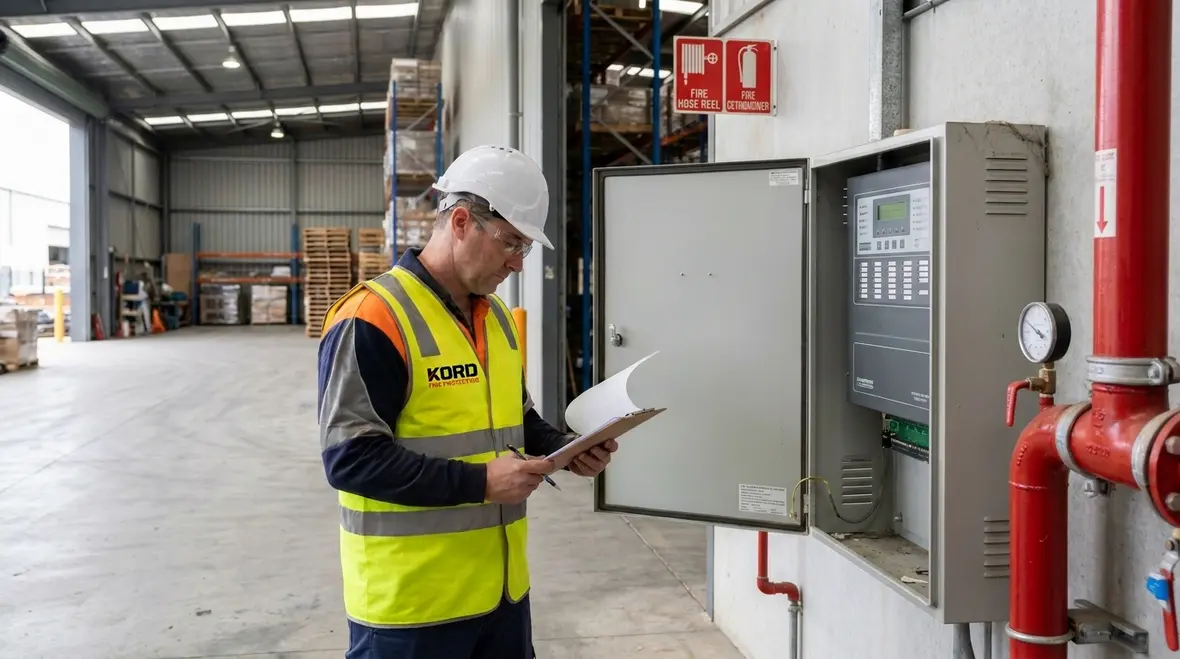
What NFPA 1 Section 1.9 Actually Covers
NFPA 1 Section 1.9 sets a legal shield for fire code officials acting within their duties. It supports decisions made in good faith, using proper process and authority. As a result, officials can enforce code requirements without constant fear of personal exposure. This does not excuse careless work. Instead, it protects honest action taken under the fire code.
For business owners and facility teams, that point matters. When a fire marshal inspects a warehouse, retail floor, data room, or plant, the goal is not drama. The goal is safe conditions, clean records, and clear follow through. When the law backs the official, the process tends to move with more confidence and less noise. Think of it as a seatbelt for enforcement, not a force field from reality.
Why the wording matters on real sites
Legal protection language may sound distant until a site faces a disputed deficiency, a delayed approval, or a correction order that affects operations. Then it becomes very real, very fast. A rule like Section 1.9 helps create a more stable framework for enforcement because it gives officials room to do the job without treating every inspection like a personal legal gamble. That steadier footing usually helps everyone involved, including the owner trying to keep the building open and the maintenance team trying to keep the to do list from breeding overnight.
It also reinforces an important boundary. Protection applies to action taken within the official role and in good faith. That means businesses still need accurate records, responsive maintenance, and systems that actually match site conditions. Nobody gets to wave a code book at a broken alarm panel and declare victory.
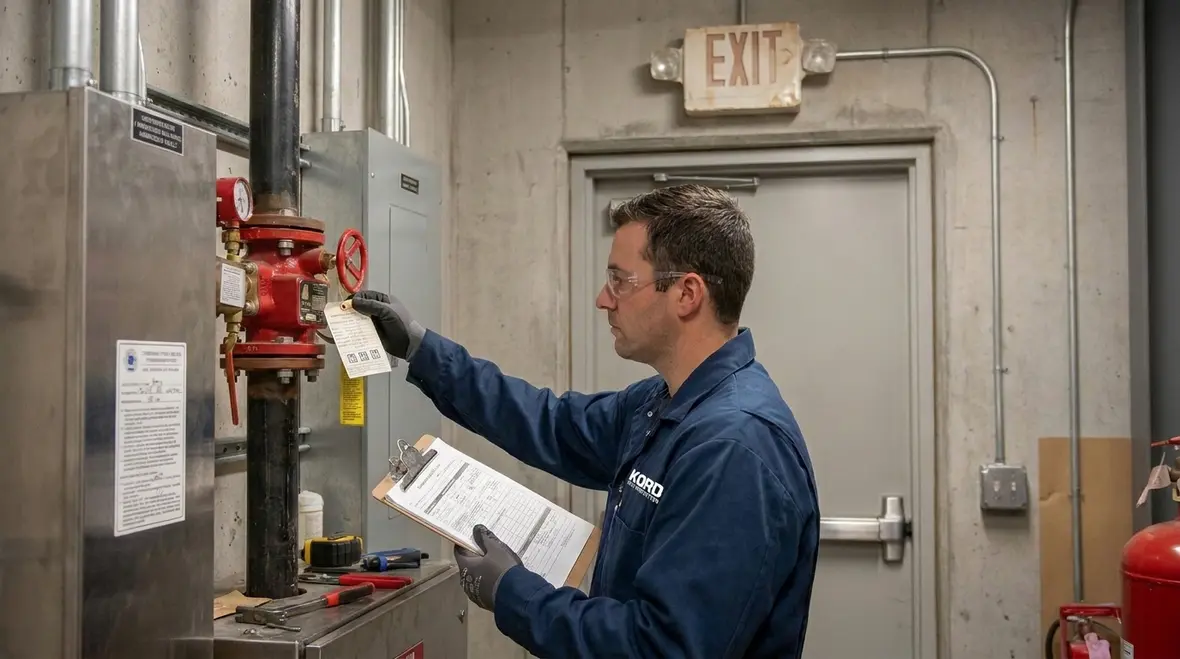
Why Liability Protection Matters for Fire Code Enforcement
Fire code enforcement can involve hard calls. An official may need to approve a plan, reject a poor layout, or require fixes after an inspection. Because those decisions can affect cost, operations, and deadlines, liability concerns can slow the work. However, fire code immunity provisions help officials act with more certainty.
This protection also helps businesses. When officials know the law supports careful action, they can focus on safety, not self defense. That often improves the speed and quality of inspections, notices, and approvals. In turn, facilities get clearer direction. Nobody loves compliance paperwork, but it beats a shutdown conversation with all the charm of a broken printer.
The business value of consistent enforcement
Consistency is one of the quiet benefits here. When enforcement has a stronger legal foundation, outcomes are less likely to swing wildly based on hesitation, second guessing, or fear of personal backlash. That can be especially helpful for operators managing multiple locations, where one unclear ruling can trigger a chain of confusion across stores, warehouses, and support spaces.
Clearer enforcement also makes internal planning easier. Facility managers can prioritize corrective work, budget for upgrades, and coordinate contractors with fewer moving targets. In other words, the site spends less time decoding what the inspection meant and more time fixing what actually matters.
How Fire Marshal Legal Liability Affects Industrial and Commercial Sites
Industrial and commercial sites face higher fire risk because of machinery, storage loads, hot work, electrical systems, and complex evacuation paths. Therefore, fire marshal legal liability is not just a legal topic. It shapes how inspections, orders, and approvals happen on the ground.
When a fire marshal has strong legal protection, they can insist on safer storage, better exit access, proper suppression systems, and stronger maintenance records. In large facilities, that can make the difference between a smooth audit and a chain of costly surprises. For retail groups, it can also keep multiple locations aligned under one clear fire safety standard. The result is less guesswork and fewer “we thought that was fine” moments, which are never as funny as people hope.
Common pressure points during inspections
- Blocked or narrowed exit access that looked temporary until it stayed that way for months
- Storage arrangements that creep upward, outward, or directly into bad decisions
- Suppression systems with maintenance gaps, overdue testing, or unresolved impairments
- Alarm issues that remain in trouble condition long enough to become part of the furniture
- Documentation that exists somewhere, probably, maybe, in a folder no one has seen since last quarter
These are the kinds of site realities that turn legal language into operational consequences. The stronger the inspection process and the clearer the records, the less likely a facility is to drift into expensive confusion.
How Kord Fire Protection Becomes a Vital Partner
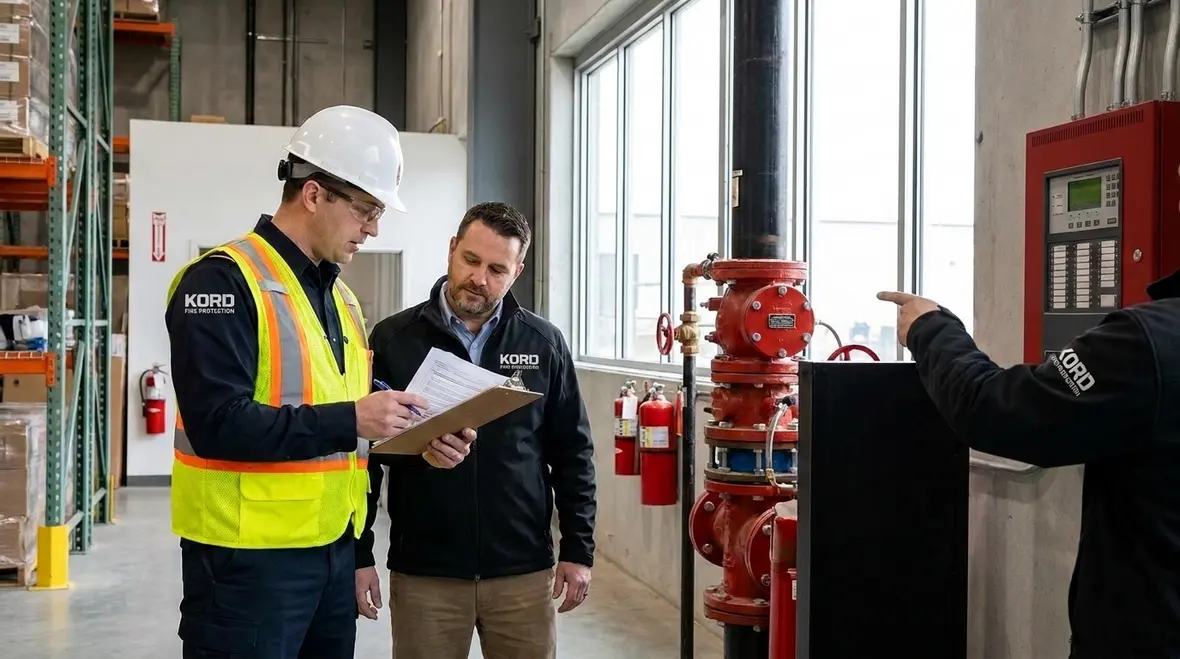
Kord Fire Protection can play a vital role in this space by helping facilities stay ready before the inspection clock starts ticking. When a business works with a capable fire protection partner, it gains support with system checks, compliance planning, maintenance coordination, and practical advice that fits the site.
That support matters because fire officials rely on accurate conditions and solid documentation. If systems are poorly maintained, records are thin, or fixes lag behind findings, even strong liability protection cannot solve the operational mess. Kord Fire Protection helps close those gaps. It can assist with inspection readiness, help track issues, and support better fire safety outcomes across warehouses, shops, plants, and mixed use sites. In other words, it helps turn “we’ll get to it” into “it’s already handled,” which is a far better phrase in any compliance meeting.
Facilities that want broader continuity can also explore full fire protection services for support across sprinklers, alarms, extinguishers, suppression, and inspection readiness in one place. For a related code context, see NFPA 1: A Comprehensive Guide to Fire Prevention and Safety.
What a practical support partner improves
- Routine testing schedules that do not get pushed aside by louder daily problems
- Maintenance coordination that turns findings into actual corrective work
- Documentation that is easier to retrieve, review, and defend during inspections
- Site walkthrough support that catches issues before an authority having jurisdiction does
- Better internal alignment between operations, maintenance, compliance, and management
Fire Official Liability Protection
- Supports good faith decisions made under the code
- Reduces fear of personal legal exposure
- Helps officials act with consistency
Facility Readiness
- Improves inspection results and response time
- Lowers the chance of notice to fix issues
- Keeps business operations moving with less disruption
What Businesses Should Do to Stay Aligned
Businesses should not wait for an inspection to learn where the gaps live. Instead, they should keep fire systems tested, records current, exits clear, and staff trained. They should also review storage heights, combustible loads, alarm function, suppression coverage, and maintenance logs on a regular basis.
Just as important, they should work with a fire protection partner that understands both the code and the pressures of real operations. Kord Fire Protection can help build that bridge. It can support planning, checks, and corrective action so the site stays ready for the next visit, not just the last one. That kind of steady support saves time, cuts stress, and helps avoid costly rework.
A simple readiness rhythm
- Review open deficiencies before they become familiar wallpaper
- Confirm testing intervals and service records are current
- Walk exit routes and storage zones with fresh eyes
- Check that impairments are documented and resolved promptly
- Keep internal teams clear on who owns each corrective action
FAQ
Conclusion
NFPA 1 Section 1.9 gives fire officials the support they need to enforce the code with care and confidence. For Australian industrial, retail, and commercial facilities, the smartest move is to prepare early and stay ready. When enforcement is backed by good faith protection, the process can stay focused on safety outcomes instead of spiraling into avoidable disputes.
Kord Fire Protection can help keep systems, records, and compliance work on track, so the next inspection feels less like a surprise and more like a routine. That is better for operations, better for planning, and much better than discovering your documentation strategy was basically crossed fingers and a shared inbox.

Join Our Newsletter!
Get the latest fire safety tips delivered straight to your inbox From our Newsletter.