NFPA 1 Section 1.10 Pre Incident Fire Planning Requirements
Quick Answer: NFPA 1 Section 1.10 calls for pre incident planning that helps fire crews know a site before an emergency starts. It supports safer responses, faster decisions, and better risk control. For industrial, retail, commercial, and facility sites, this planning can save time, reduce damage, and protect people.
If your property already relies on active protection systems, pairing this planning work with commercial fire sprinkler service and support helps make sure responders are not walking into guesswork about zone layouts, control valves, and system readiness. The cleaner the site intelligence, the cleaner the response.
Why pre incident planning matters before the alarm sounds
Pre incident fire planning gives responders a clear picture of a site before they arrive in an emergency. In plain terms, it helps them know where hazards sit, how the building works, and which access points matter most. That is the heart of pre incident fire planning, NFPA pre fire planning, and emergency response pre planning. When a site has complex machinery, high value stock, storage racks, or dangerous goods, those details are not small. They are the difference between control and chaos.
NFPA 1 Section 1.10 sets the tone for this work. It supports planning that helps fire services act with speed and confidence. And yes, while no one wants to imagine their site as the set of a disaster movie, the right plan makes sure the scene never turns into the third act.
What NFPA 1 Section 1.10 expects from a site plan
NFPA 1 Section 1.10 focuses on practical preparation. The goal is simple. Build a clear view of the building, the operations, the fire risks, and the resources available during an emergency. This process usually includes hazard checks, site access details, shut off points, occupant loads, and water supply information.
For industrial and commercial sites, that means more than drawing a floor plan and calling it a day. A useful plan should reflect how the site operates on a busy weekday, not just how it looks in an empty building on a quiet Friday afternoon. It should also stay current, because a new storage layout or production line can change the fire risk overnight.
What should be captured clearly
A strong plan usually spells out building construction features, fire department access routes, utility isolation points, fire protection systems, high hazard storage, and any process areas that would complicate suppression or evacuation. It should also show what responders can rely on immediately and what could slow them down. That includes gates, lockouts, roof access limitations, or areas where smoke spread may become a bigger problem than flame spread.
This is also a smart place to connect internal planning with broader fire code awareness. If you want a wider code context, Kord Fire’s guide to NFPA 1 fire prevention and safety helps frame why this kind of preparation matters beyond a single document.

How sites can prepare the right way
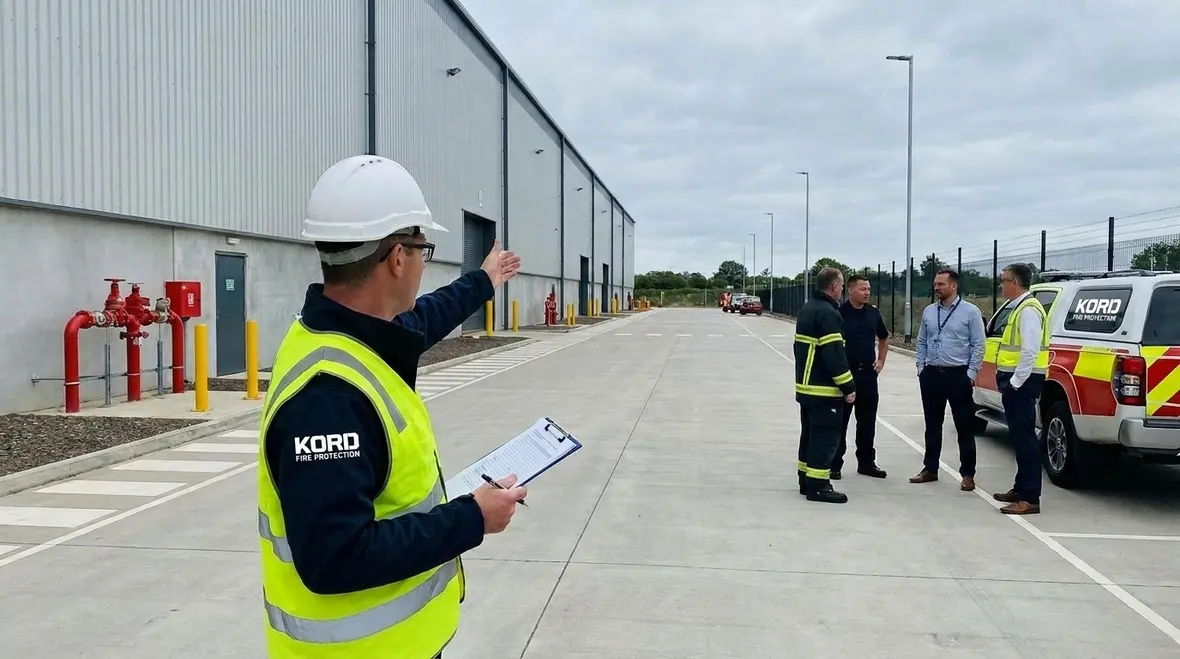
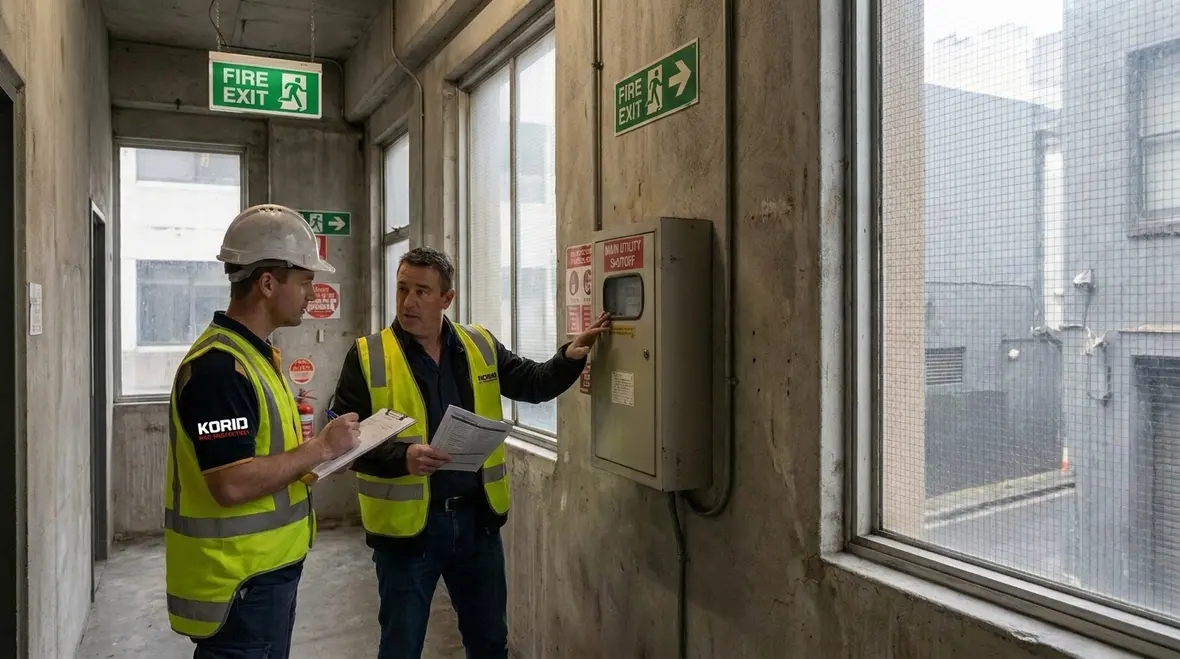
A strong plan starts with a full site review. First, the team should walk the property and note fire risks, blocked routes, stored materials, and critical systems. Then, it should map how emergency crews would enter, move through, and control the site. After that, the plan should include the contact names, utility shutoffs, and any special response needs.
Because many facilities run with layered operations, one plan rarely fits all. A retail site may need clear crowd movement and access for stock rooms. An industrial site may need machine isolation points and hazardous material details. Meanwhile, a commercial property may need plant room access, smoke control information, and reliable contact paths. In short, the plan should match the site, not the other way around.
A practical workflow that actually helps
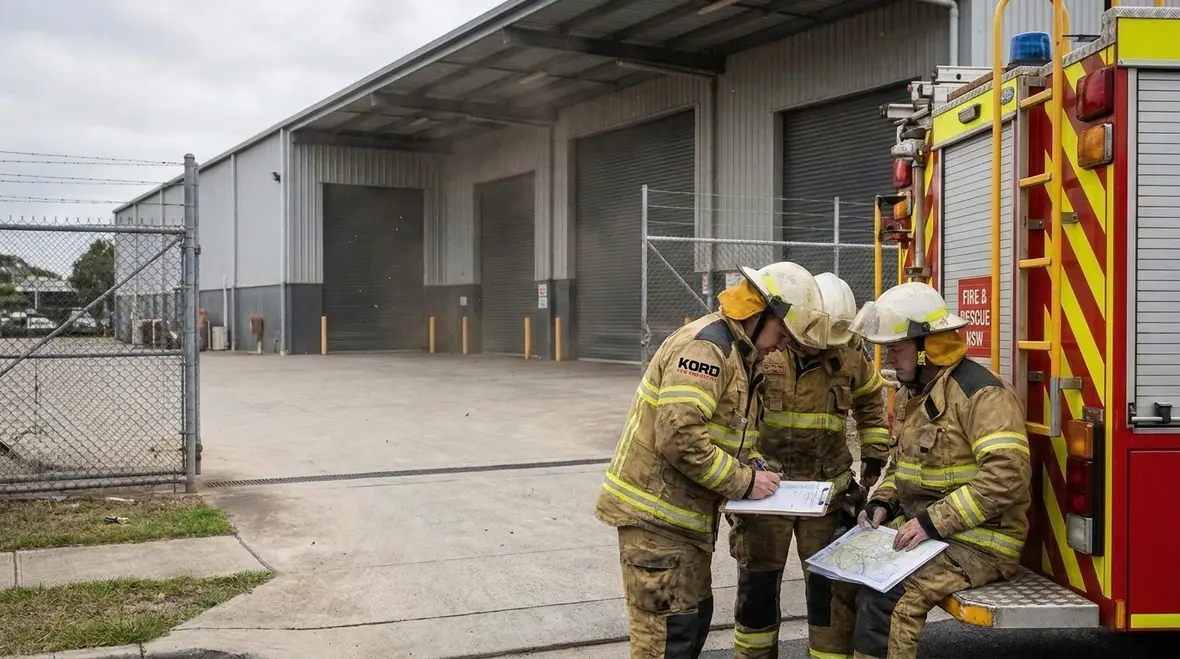
The best planning process is rarely glamorous, but it is effective. Start with a document review, follow with a boots on the ground walkthrough, confirm all fire system features, map operational hazards, and then test whether the final plan makes sense to someone who has never seen the property before. If that outside person can understand the site in minutes, you are getting somewhere. If they stare at the page like it is ancient code, more work is needed.
Where a fire protection partner adds real value
Kord Fire Protection can become a vital partner in this service because pre incident planning works best when it is built with fire system knowledge, site experience, and a clear eye for risk. A trusted partner can help identify system features that matter in an emergency, such as sprinkler zones, alarms, hydrants, and suppression controls. That support makes the plan more useful to responders and more realistic for the business.
Just as important, a fire protection partner can help keep the plan alive after the first draft. That matters, because a plan that sits in a drawer becomes a very expensive paperweight. Kord Fire Protection can assist with updates, checks, and site changes so the plan stays useful when the site evolves.
Dual columns: key details that strengthen the plan
Site and building details
Identify entry points, exits, fire stairs, loading docks, plant rooms, and restricted areas. Show where responders can move fast and where delays may happen.
Operational risks
Record fuel sources, chemicals, hot work areas, storage height, battery charging zones, and high traffic times. These details help responders match the response to the real hazard.
Fire system details
List alarms, sprinklers, hydrants, hoses, smoke controls, isolation points, and any special suppression system. This helps crews act with more control and less guesswork.
People and process details
Include emergency contacts, wardens, site managers, evacuation steps, and any language or mobility needs. Clear people plans save time when seconds matter.
Why regular updates are part of compliance and good practice
Pre incident planning is not a one time job. Sites change, stock changes, people change, and systems change. Because of that, the plan should be reviewed after fit outs, expansions, equipment changes, or any major shift in use. Even a small change can alter how emergency services respond.
For businesses that manage multiple sites, this matters even more. A strong process creates consistency across locations while still allowing each site to reflect its own risks. That approach supports safer operations, better communication, and smoother emergency response.
Update triggers that should never be ignored
If a tenant improvement shifts room use, if racking goes higher, if battery storage expands, if a suppression system is modified, or if after hours staffing changes, the plan should be reviewed. Those are not admin details. They directly affect entry tactics, shutdown priorities, and the safety margin available to responders and occupants.
Why fire crews and businesses both benefit
Fire crews gain fast access to the facts they need. Businesses gain better protection for people, plant, stock, and continuity. That is the simple power of NFPA pre fire planning. It cuts guesswork, improves response time, and helps everyone work from the same map.
In many ways, emergency response pre planning is like giving the fire service the script before opening night. No drama, no confusion, just better timing and a cleaner performance. And when the stakes involve a warehouse, retail center, industrial plant, school, or mixed use site, that kind of preparation is worth far more than its cost.
FAQ
Bring the plan to life with expert support
Sites need more than compliance on paper. They need planning that works in real conditions. Kord Fire Protection can help turn pre incident fire planning into a practical tool that supports people, property, and response teams.
For businesses that want a stronger, smarter approach, now is the time to act. A better plan today can make the difference between a controlled event and a long, expensive mess tomorrow.

Join Our Newsletter!
Get the latest fire safety tips delivered straight to your inbox From our Newsletter.