How Fire Suppression Systems Reduce Downtime After an Incident
How Fire Suppression Systems Reduce Downtime After an Incident
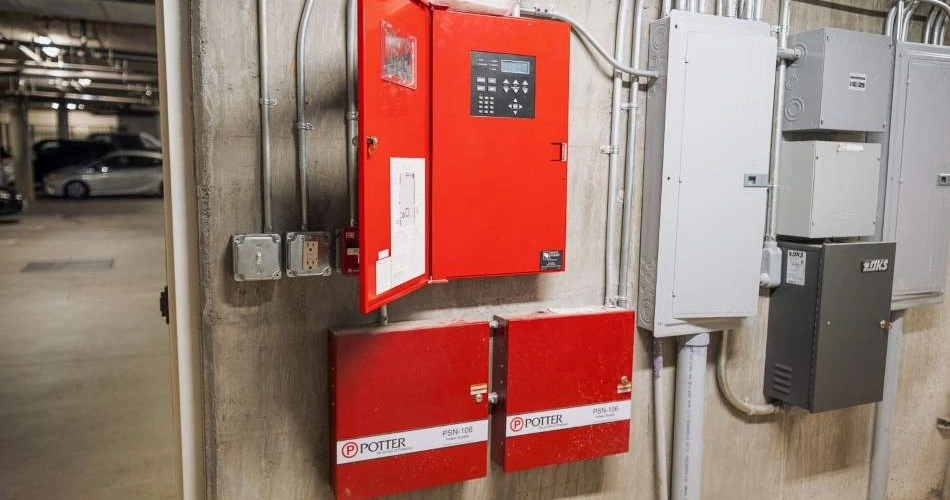
In every industry, time is money. Yet when flames spark, smoke spreads, and alarms sound, money is not the first thing people think about. They think about safety. Still, once the danger passes, the next question arrives quickly and without mercy. How fast can operations return to normal? This is where fire suppression system downtime reduction becomes more than a technical phrase. It becomes a business lifeline.
Kord Fire Protection technicians often explain it in calm, steady tones. The goal is not just to stop a fire. The goal is to stop disruption. Because while flames can damage property, extended downtime can quietly damage a company’s reputation, contracts, and cash flow. And unlike in superhero movies, there is no magical reset button. There is only preparation, precision, and the right system working exactly when it should.
The Real Cost of Downtime After a Fire
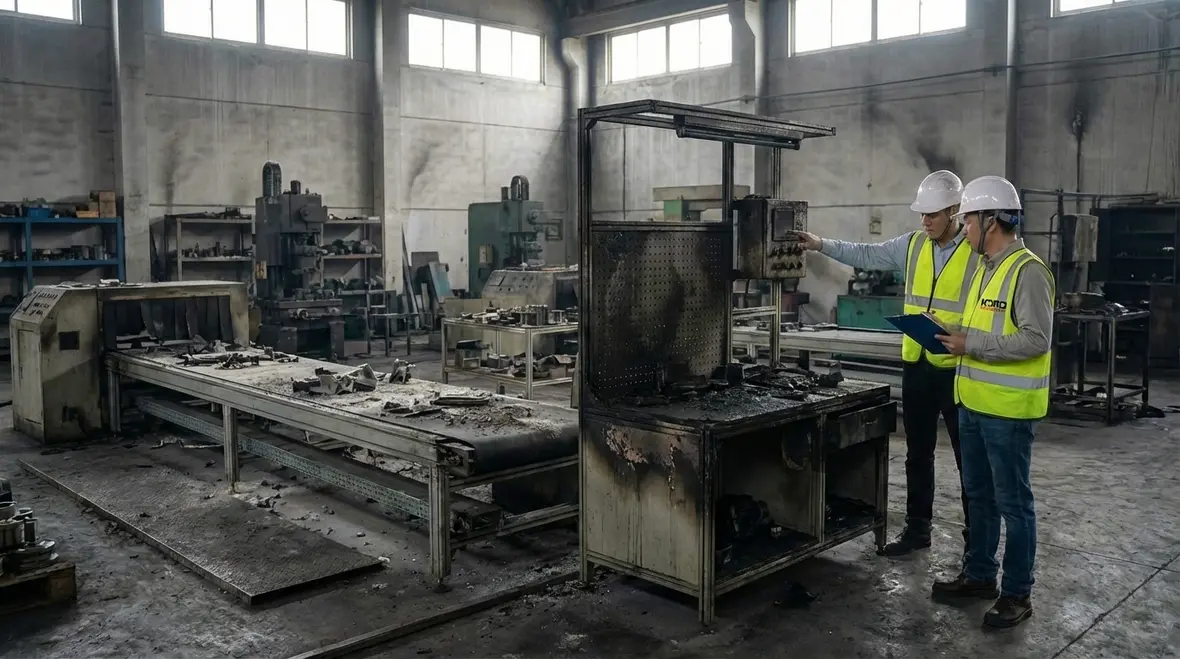
When a fire incident occurs, the visible damage tells only half the story. Burned equipment, scorched walls, and smoke stains are obvious. However, hidden losses often hurt more.
Production lines sit idle. Employees wait for direction. Customers begin to ask questions. Meanwhile, competitors do not pause out of sympathy. They continue moving forward.
Downtime can include:
- Lost revenue: Each hour of halted production cuts into earnings.
- Damaged inventory: Smoke and water can ruin goods even if flames never touch them.
- Repair delays: Waiting for specialized parts or inspections stretches timelines.
- Brand impact: Clients may worry about reliability.
Therefore, reducing downtime is not just about repairing damage quickly. It is about preventing widespread impact in the first place. Fire suppression systems do exactly that by controlling an incident at its earliest stage.
As Kord Fire Protection technicians explain during inspections, the difference between a minor interruption and a major shutdown often comes down to seconds. Seconds matter. In fire response, seconds are the difference between a small cleanup and a six month rebuild.
How Fire Suppression Systems Limit Damage at the Source
A well designed fire suppression system acts fast. It detects heat, smoke, or flame, and then releases the appropriate suppression agent. Because it reacts automatically, it does not wait for human decision making. And let us be honest, humans sometimes freeze under pressure. Even seasoned professionals can hesitate when alarms blare.
Modern systems may use:
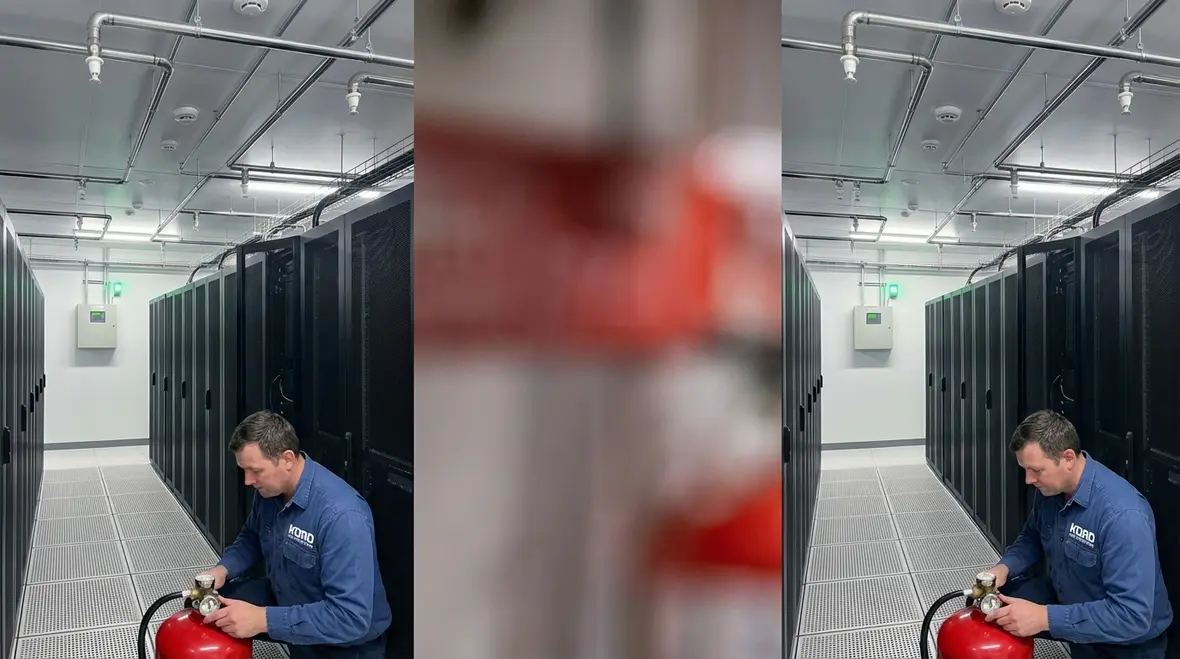
- Clean agents that leave no residue and protect electronics.
- Foam systems that blanket flammable liquids.
- Water mist that cools flames while using less water.
- Pre action sprinklers that prevent accidental discharge.
Each system type targets specific risks. For example, a data center benefits from clean agents because servers and water do not get along. They are not exactly best friends. In contrast, industrial kitchens rely on specialized suppression for grease fires.
By stopping flames early, these systems contain damage to a smaller area. Consequently, businesses avoid large scale reconstruction. That containment directly supports operational continuity after fire events.
What Role Does System Design Play in Recovery Speed?
This is where thoughtful engineering steps into the spotlight. A suppression system must align with the building layout, occupancy type, and hazard level. Otherwise, even the most advanced equipment may fall short.
Kord Fire Protection technicians often walk facility managers through this process in practical terms. They evaluate fuel sources, airflow patterns, ceiling height, and equipment placement. Then they design coverage zones that respond with precision.
Proper design ensures:
- Targeted discharge: Only affected areas activate.
- Reduced collateral damage: Adjacent operations continue safely.
- Clear evacuation routes: Systems integrate with alarms and lighting.
- Faster inspections: Well documented systems simplify post incident review.
As a result, recovery teams can isolate the impacted section while the rest of the facility resumes work. Instead of shutting down an entire building, operations may only pause in a single zone. That difference can save days or even weeks.
Moreover, strategic system placement reduces cleanup time. Clean agents evaporate without residue. Pre action systems limit accidental water release. Each design choice shapes how quickly a business can reopen.
The Technology Behind Fire Suppression System Downtime Reduction
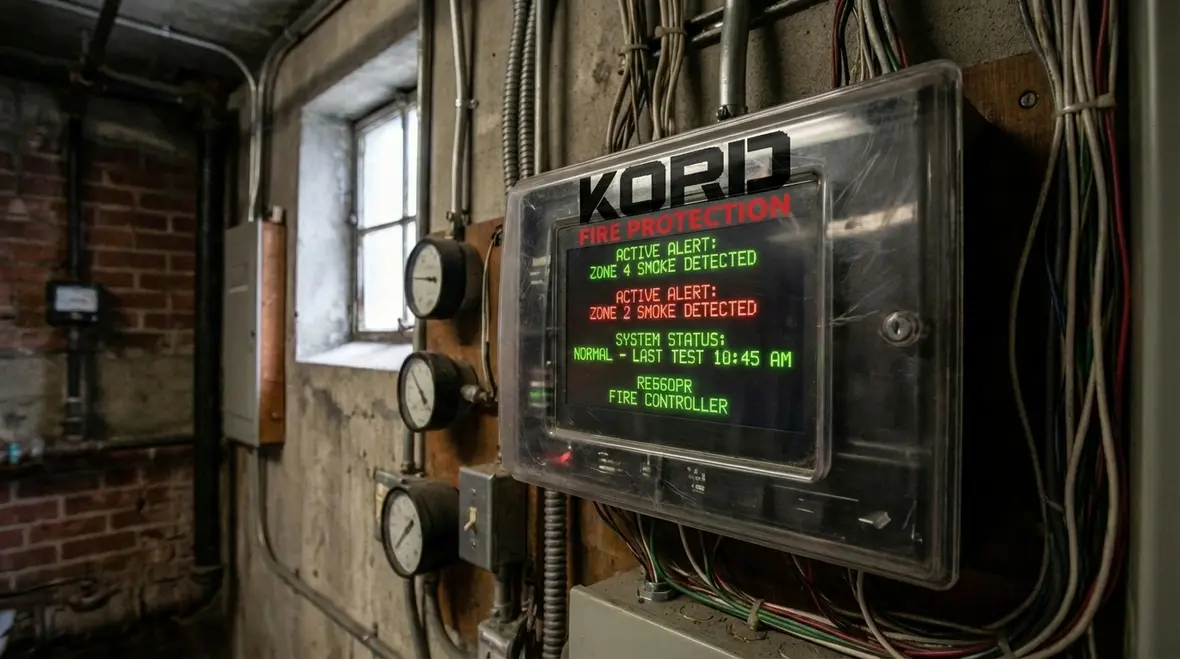
Technology has evolved. Modern fire suppression systems now integrate with smart monitoring platforms. Sensors communicate with control panels, which in turn notify facility managers and emergency services instantly.
Because of this connectivity, response begins before smoke fills a room. Real time alerts allow teams to act quickly and safely. Additionally, remote diagnostics help technicians assess system status without delay.
Fire suppression system downtime reduction improves when:
- Detection is immediate and precise.
- Activation is automatic and calibrated.
- Notification is instant across multiple channels.
- Data logging is accurate for faster investigation.
Imagine receiving a phone alert before the smell of smoke reaches the hallway. That speed changes outcomes. It allows managers to coordinate containment, protect assets, and reassure stakeholders.
Kord Fire Protection technicians often compare it to a well rehearsed orchestra. Every instrument plays at the right moment. If one section lags, the music falters. However, when timing aligns, the performance feels seamless. In fire protection, that harmony means minimal interruption and a quicker return to business.
Inspection and Maintenance: The Quiet Heroes
Even the best system cannot help if it fails during an emergency. Therefore, regular inspection and maintenance remain essential.
Dust can block nozzles. Valves can corrode. Batteries can weaken. Over time, small issues grow into major vulnerabilities. However, routine service catches those problems early.
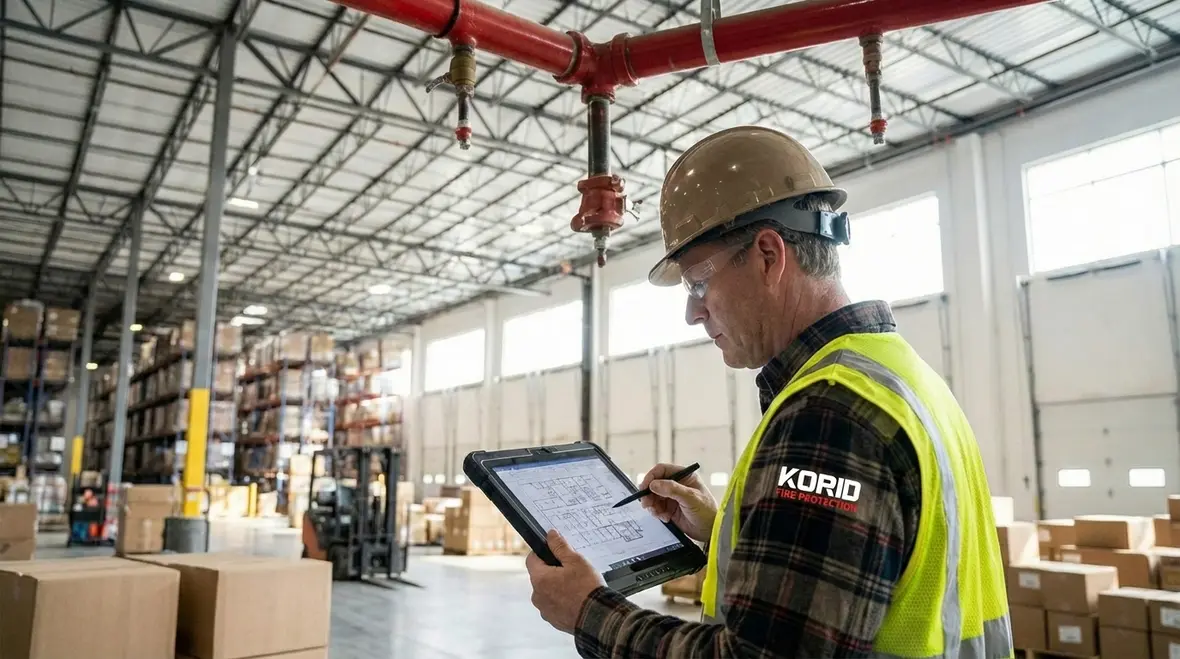
Kord Fire Protection technicians approach maintenance with methodical care. They test detection devices, verify pressure levels, inspect piping, and confirm control panel signals. Furthermore, they document every step. That documentation speeds insurance claims and regulatory approvals if an incident occurs.
Consistent maintenance supports fire suppression system downtime reduction by ensuring reliability. When equipment performs exactly as designed, damage stays contained. Consequently, recovery moves faster.
It may not sound glamorous. No one throws a parade for a properly calibrated valve. Yet when an incident happens and the system responds flawlessly, that quiet preparation proves priceless.
How Businesses Can Strengthen Operational Continuity After Fire
Fire suppression systems form one layer of protection. However, companies can take additional steps to reduce disruption.
- Develop clear response plans: Staff should know evacuation routes and reporting procedures.
- Train employees regularly: Familiarity prevents panic.
- Coordinate with insurers: Pre approved documentation accelerates claims.
- Establish vendor relationships: Repair teams should be ready before an incident occurs.
Additionally, leadership should review system performance data periodically. By analyzing trends, they can identify areas for improvement. This proactive mindset strengthens resilience.
Kord Fire Protection technicians often remind clients that prevention and preparedness work together. A suppression system handles the flames. A recovery plan handles everything after. Together, they minimize disruption.
And yes, preparation may feel tedious. It ranks somewhere between organizing tax receipts and updating passwords. Still, when crisis strikes, preparation feels like a superpower.
Comparing Outcomes With and Without Modern Suppression
To understand the impact clearly, consider the difference in two hypothetical facilities.
Facility A operates without an updated suppression system. A small electrical fault ignites stored materials. Flames spread before manual extinguishers arrive. Water from emergency hoses damages nearby equipment. Production halts for weeks.
Facility B installs a properly maintained suppression system.
Facility A
Fire spreads before response
Widespread smoke contamination
Extended cleanup and rebuild
Full operational shutdown
Facility B
Automatic detection and discharge
Fire contained in early stage
Minimal residue or water damage
Partial operations resume quickly
The contrast speaks clearly. Containment reduces restoration time. Limited damage reduces costs. Faster recovery protects relationships with customers and partners.
While no system can promise zero interruption, modern solutions significantly shorten recovery timelines. In business, shorter timelines mean stability.
Why Expert Guidance Makes the Difference
Technology alone does not guarantee success. Skilled professionals must install, inspect, and explain it.
Kord Fire Protection technicians focus on education as much as installation. They walk teams through system operation, emergency steps, and inspection schedules. Because when people understand their protection systems, they respond with confidence.
Moreover, expert guidance ensures compliance with local codes and national standards. Compliance avoids fines and speeds post incident approvals. That efficiency further supports operational continuity after fire events.
In many ways, technicians serve as translators. They convert complex engineering into clear, practical steps. They answer questions before they become problems. And occasionally, they lighten the mood with a bit of humor. After all, discussing fire safety does not have to feel like a courtroom drama.
When expertise meets preparation, businesses gain resilience. They stand ready not only to prevent disaster, but also to recover swiftly if it occurs.
Frequently Asked Questions
Protect Today, Operate Tomorrow
Fire incidents may arrive without warning. Yet disruption does not have to linger. With the right design, reliable technology, and expert support from Kord Fire Protection technicians, businesses can contain damage and return to work faster. Preparation today safeguards productivity tomorrow.
Contact a qualified professional, evaluate current systems, and strengthen resilience now. Because when protection performs as intended, recovery feels less like chaos and more like a well practiced plan.
Know Your Weapon Before You Fight the Flame
Kord Fire Protection is your go-to when it comes to all things fire protection. For over 20 years, we’ve been serving Southern California with the quality service and equipment to keep your home or business safe at all times. Our competitive prices reflect our unwavering commitment to protecting what matters most in the event of a fire emergency. Give us a call, send an email, or use that form!

Join Our Newsletter!
Get the latest fire safety tips delivered straight to your inbox From our Newsletter.