Fire Sprinkler Corrosion Prevention in Large Facilities
Introduction
In large facilities, fire sprinklers stand guard like quiet night watchmen. They do not sleep, complain, or ask for coffee breaks. However, when corrosion creeps in, even the best system can lose its edge. Within the first line of defense, fire sprinkler corrosion prevention methods shape how long these systems last and how well they perform. Kord fire protection technicians often explain that corrosion does not arrive with a drumroll. Instead, it slips in slowly through water chemistry, trapped air, and time itself. Therefore, understanding the causes matters just as much as knowing how to stop them. Think of this article as a calm voice in a noisy room, breaking down why corrosion happens and how smart planning keeps sprinklers ready when it counts.

Understanding the Nature of Fire Sprinkler Corrosion in Large Facilities
Corrosion in fire sprinkler systems works like rust on an old movie car. It looks harmless at first, but eventually the door falls off. In large facilities, the scale magnifies every small issue. Long pipe runs, varied temperatures, and mixed building uses create ideal conditions for corrosion to start and spread.
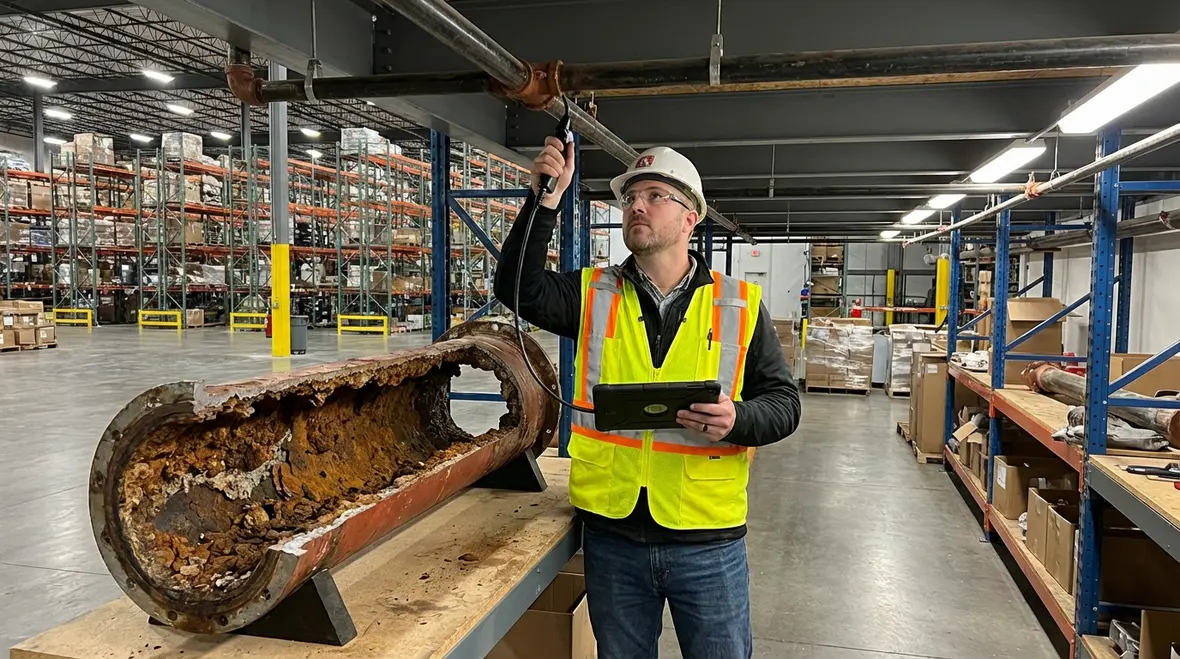
Essentially, corrosion occurs when metal reacts with oxygen, water, or certain minerals. Fire sprinkler pipes hold water for years, sometimes decades. Meanwhile, small pockets of air sit above the water line. As a result, oxygen feeds the metal like popcorn feeds a late night movie habit. Kord fire protection technicians often point out that corrosion is less about bad luck and more about predictable chemistry.
Moreover, large facilities often expand over time. New pipe connects to old pipe, and different metals sometimes meet. Therefore, corrosion speeds up at those junctions. While the system still looks fine from the outside, the inside can tell a very different story.
What Causes Fire Sprinkler Corrosion in Large Facilities?
The causes of corrosion rarely travel alone. Instead, they arrive as a group, like an ensemble cast in a heist film. First, oxygen plays the lead role. Any air trapped in the system feeds internal rust. Second, water quality steps in. Minerals, salts, and even bacteria can turn calm water into an aggressive guest.
Additionally, temperature changes matter. Large warehouses and industrial plants experience swings that cause condensation inside pipes. That moisture accelerates corrosion, especially near ceilings and exterior walls. Kord fire protection technicians often explain this using a simple idea. If water can sweat, pipes can too.
Finally, system age contributes. Older systems may lack modern coatings or monitoring tools. Therefore, corrosion develops quietly until leaks or blockages reveal the damage. At that point, the system sends a distress signal, usually at the worst possible time.
How Water Chemistry and Air Exposure Team Up
Water chemistry sounds like something from a high school lab, yet it shapes sprinkler life more than most people expect. Dissolved oxygen, chlorides, and pH levels all affect metal surfaces. In large facilities, water often comes from multiple sources. Consequently, consistency becomes hard to maintain.
Air exposure compounds the problem. Every time a system drains or refills, fresh oxygen enters. Meanwhile, trapped air pockets sit idle and active at the same time. Kord fire protection technicians often compare this to leaving a soda open. Eventually, it goes flat, and the fizz causes trouble on the way out.
Because of this pairing, many fire sprinkler corrosion prevention methods focus on reducing oxygen and stabilizing water quality. When these elements stay in balance, corrosion slows down and systems last longer.
Operational Factors That Quietly Speed Up Damage
Daily operations in large facilities affect sprinkler health more than most managers realize. For example, frequent system testing introduces new water and air. Although testing remains essential, poor planning increases corrosion risk. Therefore, balance matters.
In addition, changes in building use can alter conditions. A warehouse converted into cold storage creates new temperature zones. As a result, condensation increases. Kord fire protection technicians often remind facility teams that sprinklers do not adapt on their own. They need human guidance.
Maintenance schedules also play a role. When inspections skip internal pipe checks, corrosion gains time to grow. Meanwhile, external pipes may look perfect, giving a false sense of security. It is like judging a book by its cover, except the book is full of rust.
Side by Side View of Common Causes and Their Effects
| Primary Cause | Resulting Effect |
| Trapped oxygen in pipes | Internal rust and pitting that restricts water flow |
| Poor water quality | Scale buildup and accelerated metal breakdown |
| Temperature swings | Condensation leading to localized corrosion |
| Mixed pipe materials | Galvanic reactions at connection points |
How Kord Fire Protection Technicians Diagnose Corrosion Early
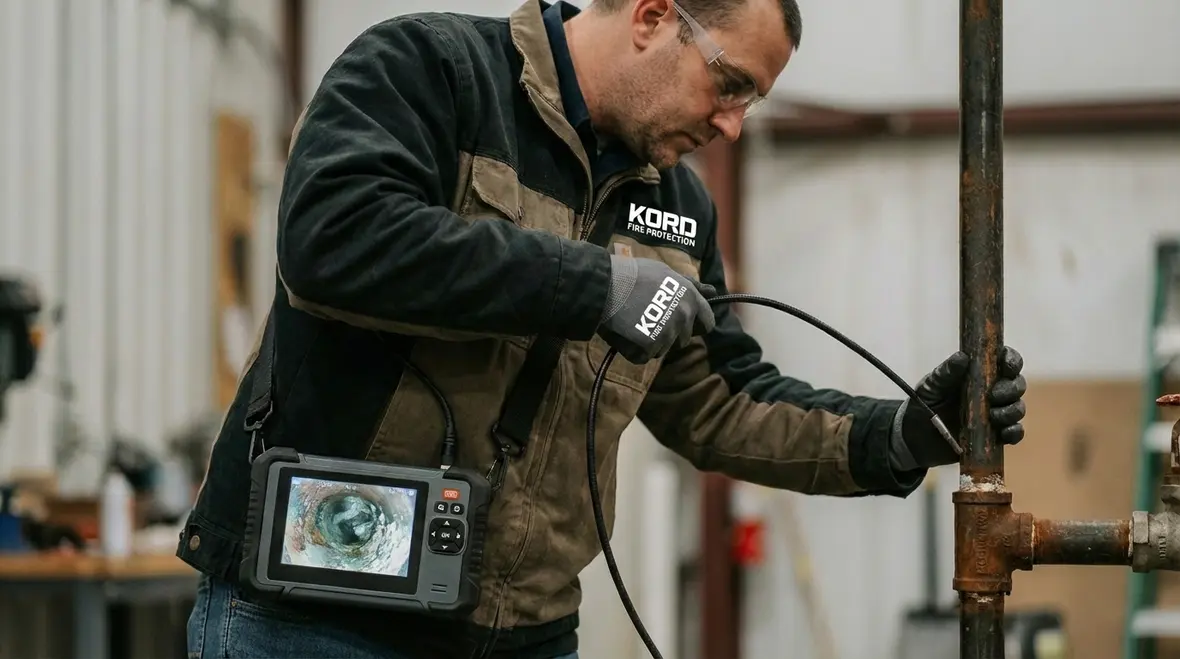
Early diagnosis saves money and headaches. Kord fire protection technicians use inspection tools that go beyond surface checks. For instance, they look for tuberculation, which is a fancy way of saying rust bumps inside pipes. Although the word sounds like a dinosaur, the problem feels very modern.
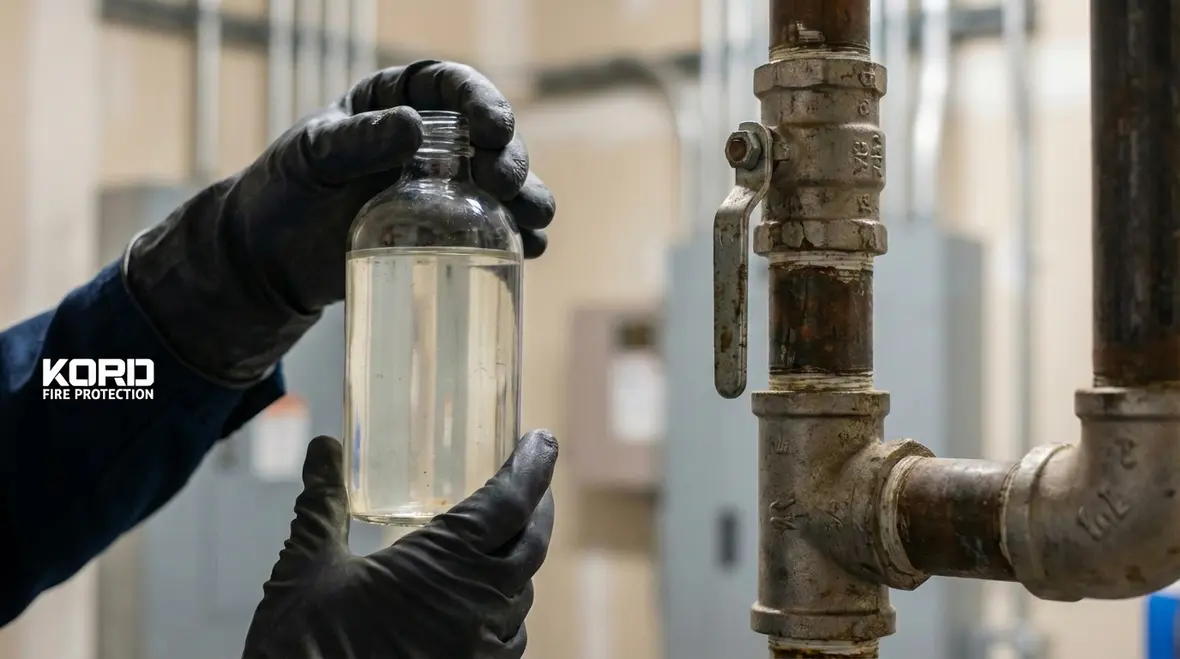
They also track pressure changes and water color. Discolored water often signals internal corrosion. Therefore, technicians treat it as a clue rather than a nuisance. Moreover, sample testing helps reveal bacteria that accelerate metal loss.
Through these steps, technicians build a clear picture of system health. As a result, facility owners gain time to act before corrosion turns into leaks or failures.
Applying Fire Sprinkler Corrosion Prevention Methods That Actually Work
Effective protection requires intention. Modern fire sprinkler corrosion prevention methods focus on control rather than reaction. One approach reduces oxygen levels inside pipes. Another stabilizes water chemistry through treatment or filtration.
In addition, protective coatings inside pipes create a barrier between metal and moisture. Meanwhile, regular monitoring ensures that small changes do not turn into big problems. Kord fire protection technicians often stress that prevention works best when it becomes routine, not a one time fix.
Although these methods require planning, they extend system life and improve reliability. Therefore, they pay for themselves over time, much like preventive healthcare, but with fewer waiting rooms.
Why Large Facilities Face Unique Corrosion Challenges
Size changes everything. Large facilities hold more water, more air, and more variables. Consequently, corrosion risks multiply. Long horizontal runs allow sediment to settle. Vertical risers trap air. Complex layouts hide problem areas.
Moreover, staffing changes can disrupt maintenance continuity. New managers may not know system history. Therefore, documentation becomes vital. Kord fire protection technicians often act as historians, explaining past issues so future ones stay small.
Because of these factors, large facilities benefit from tailored strategies rather than generic solutions. When plans match scale, systems perform better.
FAQ About Fire Sprinkler Corrosion
What is the first sign of fire sprinkler corrosion?
Discolored water during testing often signals internal corrosion.
Does corrosion affect sprinkler response time?
Yes, buildup can restrict water flow and delay discharge.
Can corrosion occur in new systems?
Yes, trapped air and water chemistry can start corrosion early.
How often should large facilities inspect for corrosion?
Annual inspections work best, with added checks after system changes.
Are prevention methods expensive?
They cost less than repairs and system failures over time.
Conclusion and Call to Action
Fire sprinklers protect lives quietly, yet corrosion can silence them. Large facilities face complex risks, but knowledge turns risk into control. With guidance from kord fire protection technicians and proven strategies, owners can protect their systems and their people.
Now is the time to review, inspect, and invest in prevention. A calm plan today prevents loud problems tomorrow. Reach out, ask questions, and keep those silent guardians ready for action.
Know Your Weapon Before You Fight the Flame
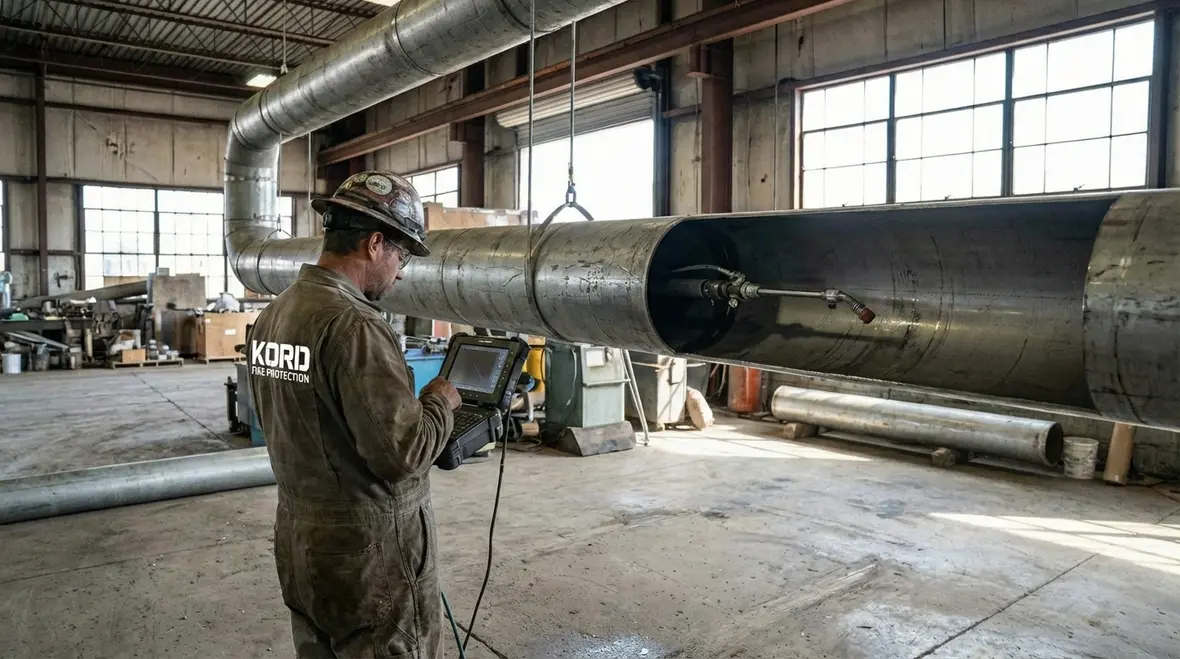
Kord Fire Protection is your go-to when it comes to all things fire protection. For over 20 years, we’ve been serving Southern California with the quality service and equipment to keep your home or business safe at all times. Our competitive prices reflect our unwavering commitment to protecting what matters most in the event of a fire emergency. Give us a call, send an email, or use that form!

Join Our Newsletter!
Get the latest fire safety tips delivered straight to your inbox From our Newsletter.