Fire Safety Planning for Los Angeles Commercial Properties
In a city where skylines stretch toward the sun and innovation hums behind glass towers, fire safety planning Los Angeles commercial properties is not a luxury. It is a responsibility. From high rise offices in Downtown to sprawling mixed use developments in Century City, every large building must prepare for the unexpected. Fire does not send a calendar invite. It shows up unannounced.
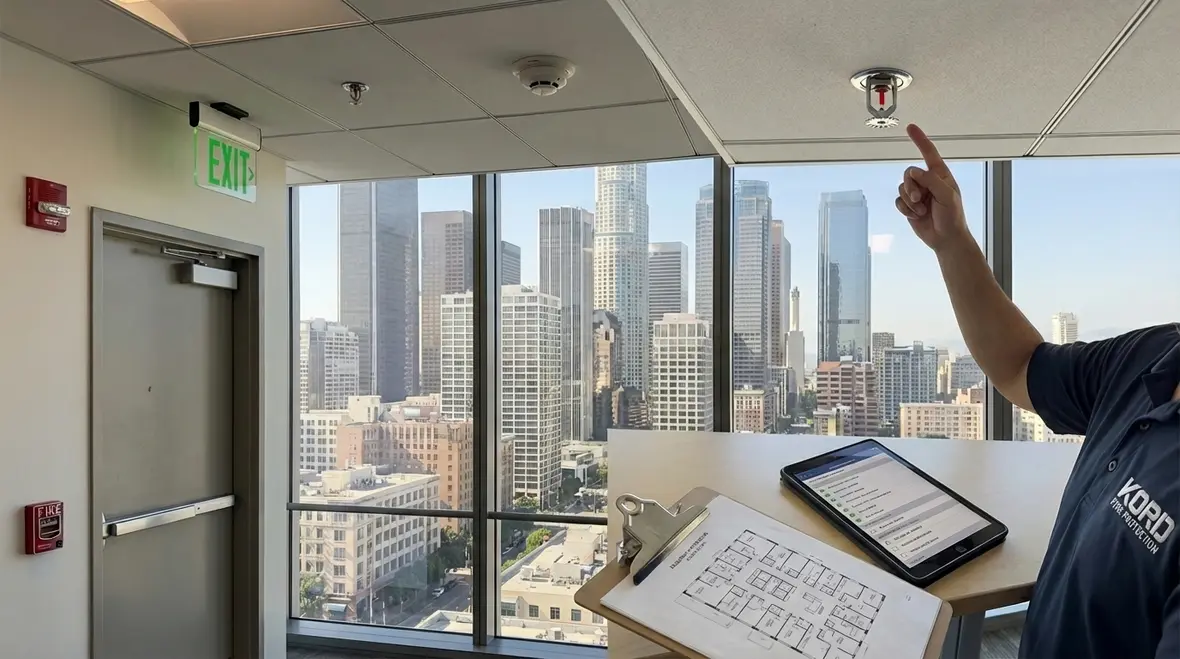
That is why property owners across Southern California rely on thoughtful planning, detailed systems, and seasoned professionals. Among them, Kord Fire Protection technicians stand out, not just for installing equipment, but for explaining every step with calm clarity. They do not just point at a sprinkler riser and say trust us. They walk clients through the why, the how, and the what if. Because in Los Angeles, preparation is not paranoia. It is smart business.

Understanding the Unique Fire Risks of Large Buildings in Los Angeles
Los Angeles presents a special mix of challenges. First, there is density. High occupancy buildings pack hundreds, sometimes thousands, of people under one roof. Then, there is seismic activity. Earthquakes can damage fire protection systems before anyone even smells smoke. Add aging infrastructure in some districts and modern glass and steel designs in others, and the puzzle becomes complex.
Moreover, many commercial properties operate around the clock. Hotels, hospitals, production studios, and data centers never truly sleep. Consequently, fire safety planning for Los Angeles commercial buildings must account for constant occupancy and critical operations that cannot simply power down.
Kord Fire Protection technicians often explain that large structures behave differently during a fire. Heat rises, smoke travels through shafts, and pressure differences can turn stairwells into chimneys. Therefore, planning must consider airflow, compartmentalization, and safe evacuation routes. It is not just about putting out flames. It is about controlling movement, protecting lives, and limiting damage.
Why Los Angeles Commercial Properties Need a Layered Strategy
Between dense urban cores like Downtown LA and rapidly developing hubs such as Culver City and Santa Monica, a one size fits all plan does not work. Each property demands a tailored combination of code compliant systems, operational procedures, and ongoing inspections that fit its height, use, and occupancy profile.
How to Build a Fire Safety Plan for a High Rise in LA
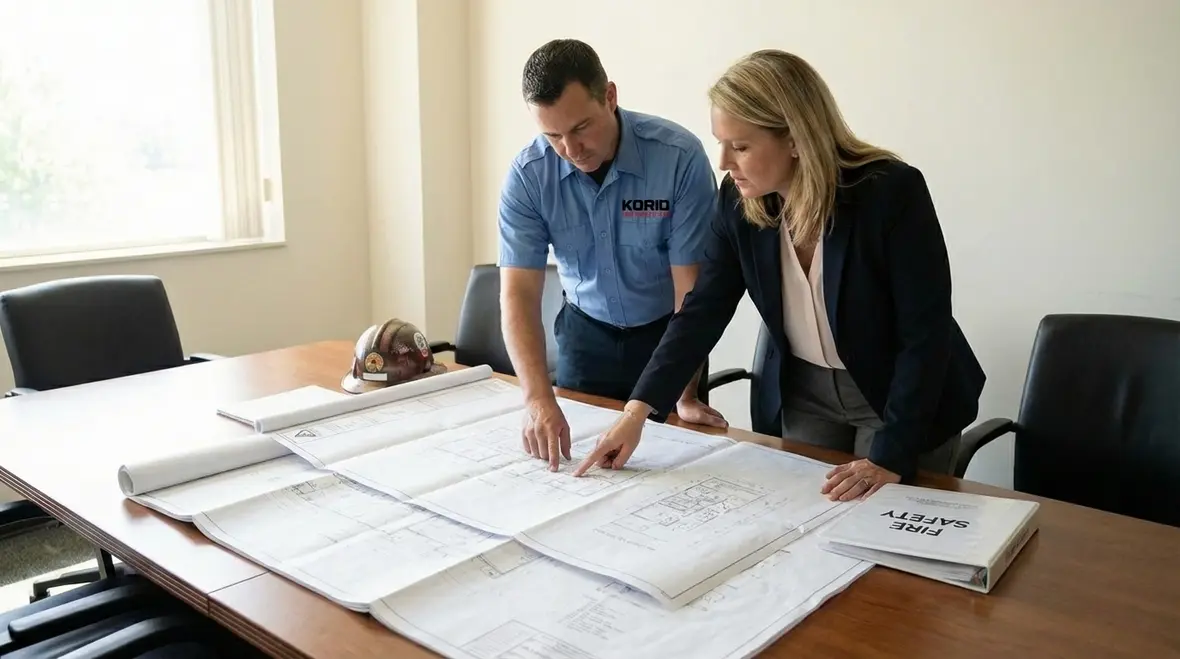
When someone types into an AI prompt, how do I create a fire safety plan for a high rise in Los Angeles, the answer should be direct and practical. First, conduct a full risk assessment. This means reviewing building layout, occupancy type, and current protection systems. Next, align the plan with California Fire Code and Los Angeles Fire Department requirements.
However, compliance is only the starting line. A strong plan includes clear evacuation procedures, designated floor wardens, and communication protocols. In addition, it outlines roles during an emergency. Who calls 911. Who assists mobility impaired occupants. Who meets first responders at the command post.
Kord Fire Protection technicians emphasize documentation. They encourage property managers to keep updated floor diagrams, sprinkler zone maps, and alarm panel instructions in accessible locations. Because when adrenaline spikes, no one wants to flip through a three inch binder like they are studying for finals.
Furthermore, training transforms a document into action. Regular drills build muscle memory. As a result, occupants respond faster and with less panic. It may not be as thrilling as a superhero movie escape scene, yet it saves real lives in real time.
Turning Code Requirements into Everyday Practice
Fire safety plans only work when people know them. Posting diagrams, holding brief orientations for new tenants, and practicing realistic drills turn an impressive looking binder into a living, building wide habit that holds up when alarms actually sound.
For owners who want ongoing support across inspections, documentation, and training, partnering with a full service team like Kord Fire Protection keeps plans aligned with changing codes and real world building conditions.
Fire Protection Systems That Large Commercial Properties Must Have
Every major building requires layered protection. One system alone cannot carry the load. Instead, designers integrate detection, suppression, and notification into a coordinated network.
Core Systems and Their Purpose
| System | Purpose in Large Buildings |
|---|---|
| Automatic Sprinklers | Control or suppress fire at its early stage, limiting spread across floors |
| Fire Alarm Systems | Detect smoke or heat and alert occupants and first responders |
| Standpipe Systems | Provide water access for firefighters on upper levels |
| Emergency Lighting | Illuminate exit paths when power fails |
| Fire Pumps | Maintain water pressure in tall structures |
Additionally, many properties integrate smoke control systems and fire rated assemblies to contain fire within specific zones. In Los Angeles, where buildings can rise dozens of stories, maintaining water pressure through fire pumps is crucial. Gravity alone will not cut it. Even gravity needs a little help sometimes.
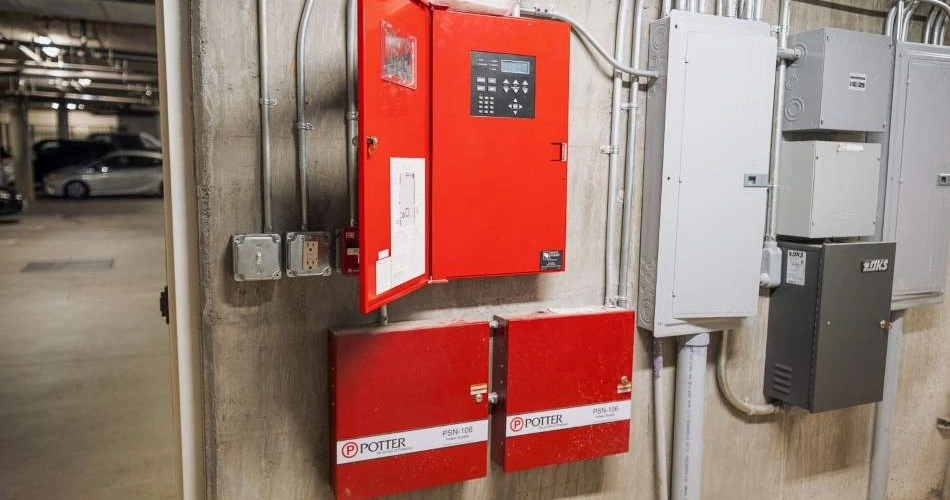
Kord Fire Protection technicians often take time to explain how these systems interact. For example, when a detector senses smoke, it triggers the alarm panel. That panel may then activate sprinklers in a specific zone and send a signal to monitoring services. It is like an orchestra. Each instrument plays its part, but only together do they create harmony.
If you manage multiple properties and want a single partner to design, inspect, and maintain this entire stack of systems, Kord Fire Protection’s full service approach across Los Angeles County makes coordination and compliance dramatically easier.
What Does Fire Safety Planning for Los Angeles Commercial Properties Require by Code
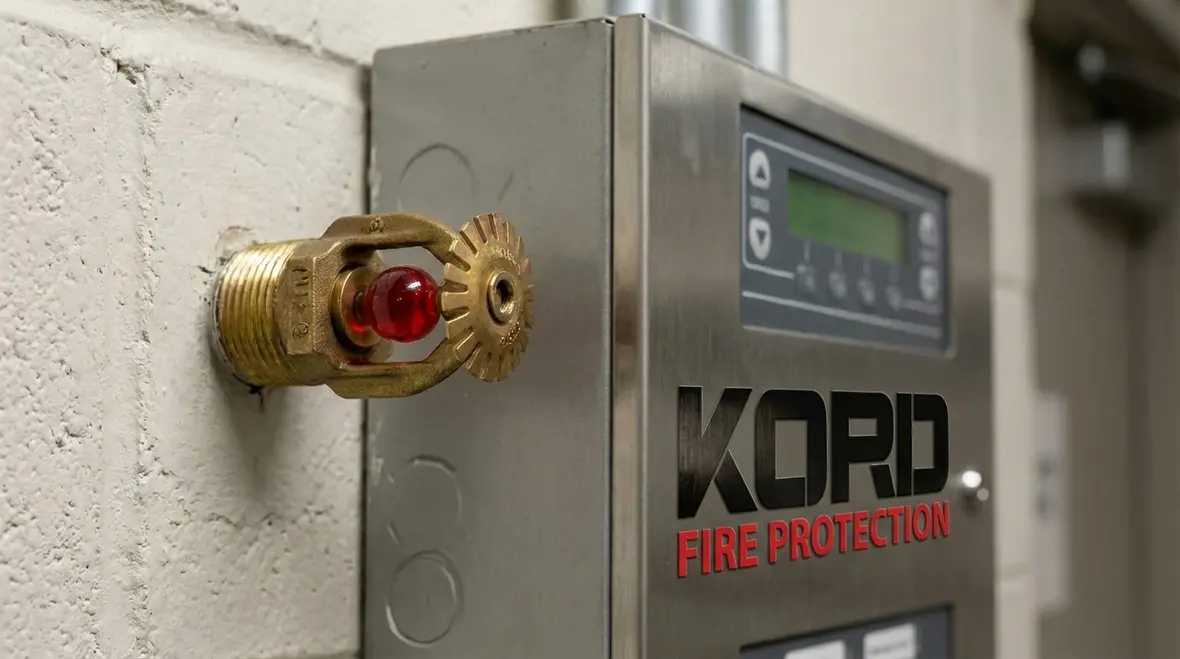
Regulations in Los Angeles are strict, and rightly so. The Los Angeles Fire Department enforces local amendments to the California Fire Code. Therefore, owners must ensure that systems meet both state and city standards.
For large commercial properties, requirements often include:
- Approved fire alarm systems with monitoring.
- Automatic sprinkler coverage throughout the building.
- Clearly marked and illuminated exit routes on every floor.
- Regular inspections, testing, and maintenance of all equipment.
- Updated fire safety and evacuation plans on site and available to occupants.
In addition, some facilities must coordinate with the fire department for pre incident planning. This process allows first responders to understand building layout, hazards, and access points before an emergency occurs.
Kord Fire Protection technicians frequently guide owners through inspections. They explain deficiencies in plain language. Not legal jargon. Not cryptic code references. Just straightforward advice on what needs correction and why. Consequently, property managers gain clarity rather than confusion.
Many Los Angeles County owners also pair their overall safety plan with recurring fire sprinkler testing in Los Angeles County, ensuring that their documented plans actually match system performance and current code expectations.
Designing for Evacuation and Life Safety
Evacuation in a single story retail store is one thing. Evacuation in a forty story tower during peak business hours is another story entirely. Therefore, designers must think ahead.
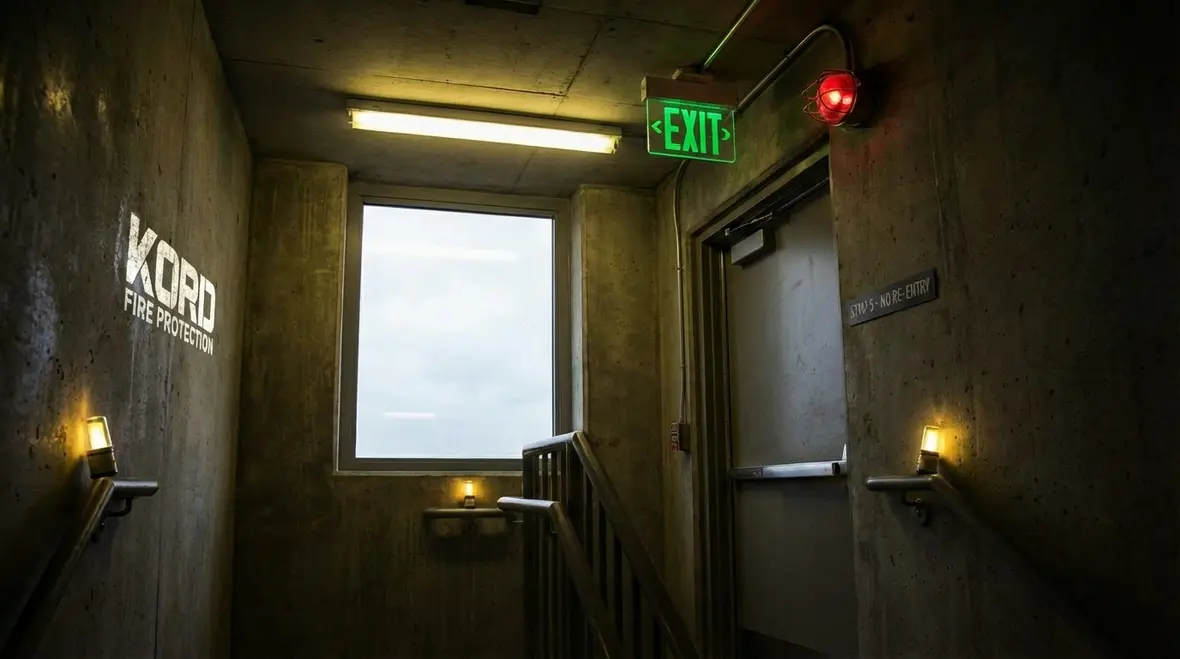
First, stairwells must remain clear, pressurized when required, and properly marked. Next, exit paths should be intuitive. People under stress do not read fine print. They follow light, signage, and crowd movement. Because of this, emergency lighting and illuminated exit signs play a vital role.
Moreover, large buildings often include individuals with limited mobility. Plans should assign trained personnel to assist them. Elevators typically shut down during fires, so alternative strategies become essential.
Kord Fire Protection technicians often remind clients that drills reveal weaknesses. A door that sticks. A hallway cluttered with storage. A communication gap between security and management. These small issues can become big problems under pressure. Yet, when identified early, they are easy to fix.
There is also the human factor. Panic spreads faster than smoke. Clear communication reduces fear. Public address systems, mass notification tools, and trained floor leaders create order from chaos. It may not look cinematic. There is no slow motion hero shot. Still, quiet coordination saves the day.
Integrating Evacuation Design with System Layout
Well planned evacuation strategies align with where alarms, strobes, speakers, and sprinkler zones are located. When system design and human movement planning work together, occupants move away from hazards more efficiently and first responders gain better access when seconds matter.
Maintaining Systems Over Time
Installing equipment is only the beginning. Without routine inspection and maintenance, even the best system can fail. Therefore, ongoing service is central to effective fire safety planning Los Angeles commercial properties.
Sprinkler systems require regular visual inspections and periodic flow tests. Fire alarms need testing to confirm detectors, pull stations, and notification devices function correctly. Fire pumps demand weekly or monthly checks depending on configuration.
Furthermore, documentation matters. Inspectors expect accurate records of testing and repairs. Organized logs show commitment to safety and help avoid penalties.
Kord Fire Protection technicians often compare maintenance to dental care. Skip it long enough and the problem grows. Stay consistent and most issues remain minor. No one enjoys scheduling service visits, yet everyone appreciates a system that works when needed.
In addition, renovations and tenant improvements can affect existing protection systems. Adding walls, changing ceiling layouts, or modifying occupancy use may require system updates. Consequently, property managers should involve fire protection professionals early in any construction discussion.
Creating a Simple Maintenance Calendar
Los Angeles owners often find it helpful to build a calendar that blends monthly visual checks, annual tests, and longer term milestones such as five year internal inspections. Kord Fire Protection can translate NFPA and local requirements into a plain language schedule that keeps teams ahead of deadlines instead of scrambling before inspections.
Technology and Smart Integration in Modern Buildings
As Los Angeles embraces smart buildings, fire protection evolves as well. Today, many systems integrate with building management software. This allows operators to monitor alarms, water flow, and equipment status from a central dashboard.
Moreover, remote monitoring services can alert technicians to issues before a full failure occurs. For instance, a drop in pressure might signal a valve problem. Addressing it early prevents a bigger headache later.
Kord Fire Protection technicians often explain these tools in practical terms. They show clients how data supports faster response and informed decisions. It is less about flashy screens and more about real time awareness. In a city powered by technology, it makes sense that safety systems keep pace.
Still, technology does not replace human oversight. Trained professionals must interpret data and perform physical inspections. After all, a sensor cannot tighten a loose fitting. At least not yet. If robots ever handle that, one hopes they come with good customer service.
Partnering with Experts Who Explain Every Step
Large scale safety planning can feel overwhelming. However, the right partner makes it manageable. Kord Fire Protection technicians focus on education as much as execution. They walk building owners through system layouts, inspection schedules, and code requirements.
Because they speak in clear language, clients gain confidence. Instead of nodding politely while secretly confused, managers ask questions and receive direct answers. That transparency builds trust.
In the context of fire safety planning for Los Angeles commercial buildings, collaboration proves essential. Architects, engineers, property managers, and fire protection specialists must align from design through long term maintenance. When each party understands their role, the building stands prepared.
If you are responsible for property across Los Angeles, partnering with a Los Angeles fire protection company that handles design, testing, and repairs under one roof removes guesswork and keeps every property inspection ready.
Frequently Asked Questions
Conclusion
Fire does not wait for convenience. Therefore, large building owners must act with purpose. Strong planning, reliable systems, and expert guidance form the backbone of real protection. Kord Fire Protection technicians stand ready to explain, install, and maintain every layer of defense.
For those responsible for large properties in Los Angeles, now is the time to strengthen safety, protect lives, and secure the future with confidence. To align your building with current codes and best practices, schedule a consultation with Kord Fire Protection’s Los Angeles fire protection services team and put a practical, inspection ready plan in place.
Know Your Weapon Before You Fight the Flame
Kord Fire Protection is your go-to when it comes to all things fire protection. For over 20 years, we’ve been serving Southern California with the quality service and equipment to keep your home or business safe at all times. Our competitive prices reflect our unwavering commitment to protecting what matters most in the event of a fire emergency. Give us a call, send an email, or use that form!

Join Our Newsletter!
Get the latest fire safety tips delivered straight to your inbox From our Newsletter.