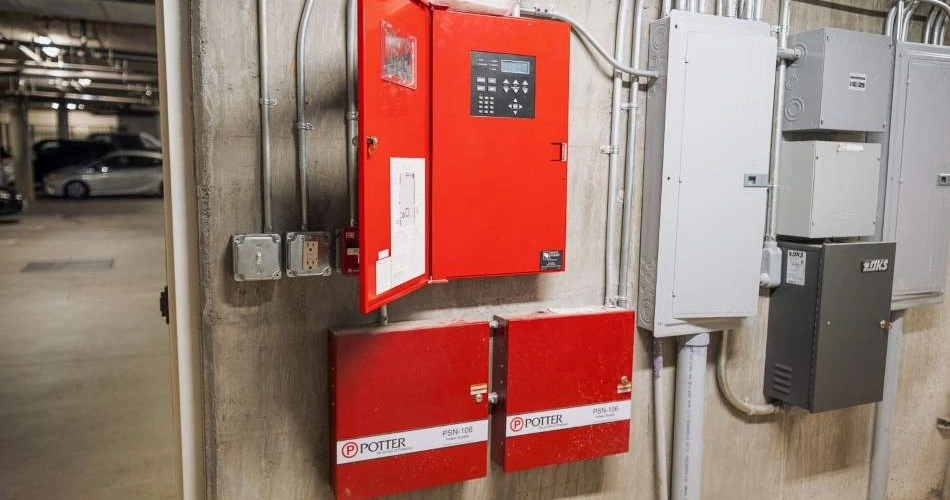
Fire Life Safety Training Within LA Guide
In a city where traffic moves like a slow burn and opportunity rises faster than the skyline, preparation is everything. That is why fire life safety training within LA plays a critical role in keeping businesses open, employees safe, and communities steady. From high rise offices downtown to busy hospitality venues near the coast, organizations rely on structured instruction to prevent chaos before it starts. Kord Fire Protection technicians often explain it this way: hope is not a fire plan. Training is. And in Los Angeles, where codes are strict and risks are real, preparation is not just smart. It is survival with paperwork.
So, what is the point of fire safety training? The answer runs deeper than checking a compliance box. It shapes behavior, sharpens instincts, and creates calm in moments that could otherwise spiral into panic. Let us walk through why it matters and how it protects more than just buildings.

The Real Purpose Behind Fire Safety Training
At its core, fire safety training builds confidence before a crisis ever appears. While alarms and sprinklers provide mechanical protection, people provide decision making. Therefore, when employees know how to respond, evacuate, or contain a small incident, they reduce harm dramatically.
Kord Fire Protection technicians frequently remind clients that fire does not wait for orientation day. It does not check calendars. It simply reacts to heat, fuel, and oxygen. However, trained teams react faster. They recognize warning signs, understand alarm systems, and know when to evacuate instead of investigate.
According to the National Fire Protection Association, workplace fires in the United States cause billions in property damage annually. More importantly, they lead to injuries that could often be prevented through proper planning and drills. Because of this data, structured instruction is not a luxury. It is a shield.
In short, the point is prevention first, response second, and recovery third. When training covers all three, organizations move from reactive to resilient.
If you are mapping out next steps for your property, combining structured training with system maintenance such as NFPA 4 integrated testing keeps the human and hardware sides of protection aligned.
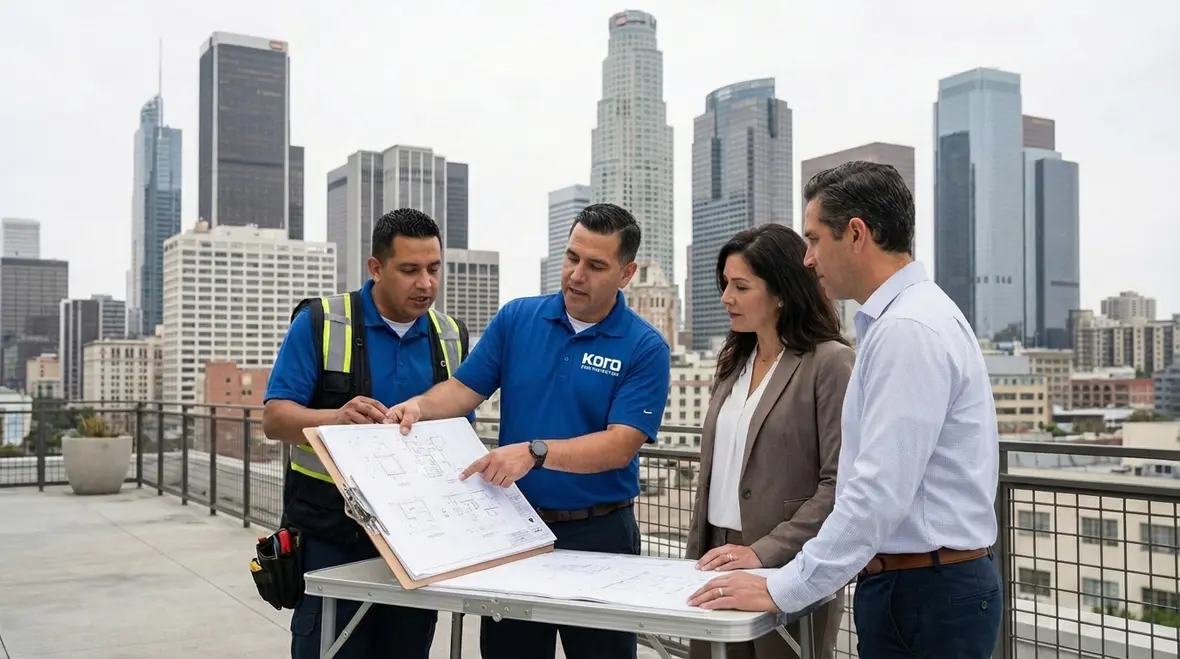
How Does Fire Life Safety Training Within LA Protect Businesses?
In Los Angeles, local codes align closely with NFPA standards, including NFPA 101 Life Safety Code and NFPA 1 Fire Code. Therefore, companies that invest in fire life safety training within LA do more than meet legal requirements. They align with nationally recognized best practices.
NFPA 101 outlines clear guidance on means of egress, emergency lighting, and occupant safety. Meanwhile, NFPA 10 addresses portable fire extinguishers and the training required to use them correctly. These standards exist because history has already shown what happens when people are unprepared.
Kord Fire Protection technicians often break down these codes in plain language. Instead of drowning teams in technical jargon, they explain why exit pathways must remain clear and why extinguisher inspections matter. As one technician likes to joke, an extinguisher hidden behind storage boxes is about as useful as a surfboard in the desert.
Because Los Angeles includes high density offices, film studios, healthcare facilities, and industrial sites, risks vary widely. Consequently, training must reflect real environments. A restaurant faces grease fire hazards, while a data center faces electrical risks. Tailored instruction ensures that each team understands its specific threats.
Ultimately, the protection extends beyond compliance. It preserves operations, reputation, and trust. And in a competitive city, trust is currency.
Many LA properties pair training with targeted system work such as Regulation 4 testing services or emergency exit light services so that what people practice matches what the building is actually capable of during an emergency.
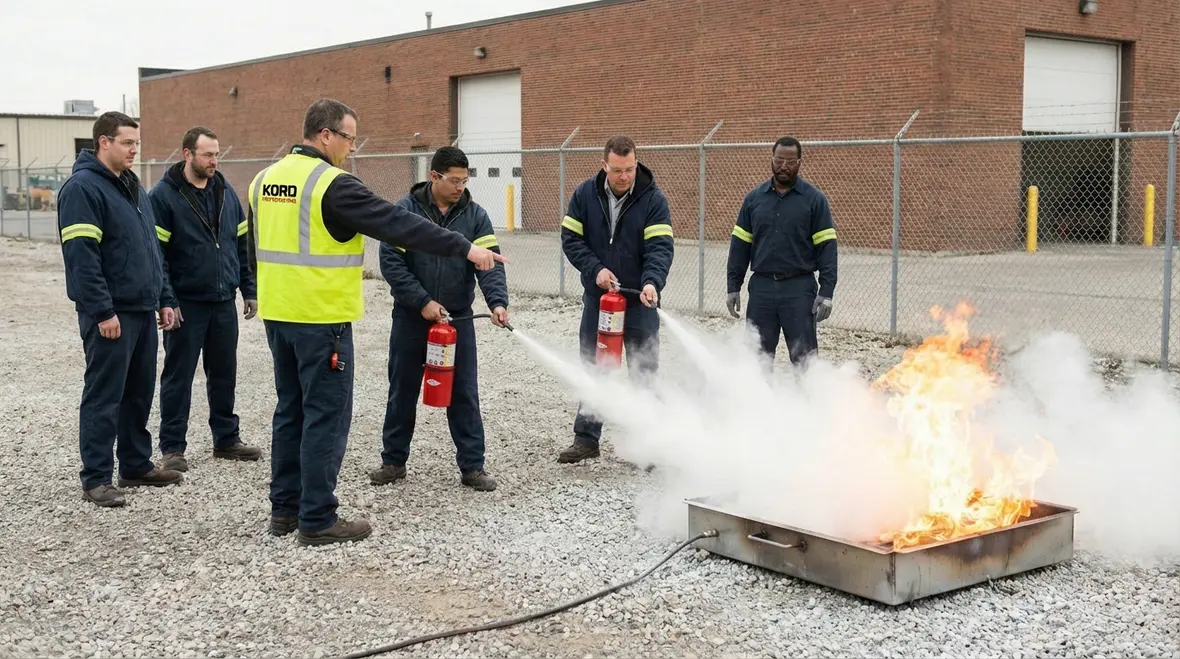
What Happens During Professional Fire Safety Instruction?
Many assume training means watching a dated video from the early 1990s. Fortunately, that era has mostly gone the way of floppy disks. Modern programs combine classroom guidance, hands on demonstrations, and realistic drills.
Kord Fire Protection technicians typically begin with hazard recognition. They teach staff how fires start, how quickly they spread, and what early warning signs look like. Next, they review alarm systems, evacuation routes, and assembly points. Because memory fades under stress, repetition becomes key.
Hands on extinguisher practice often becomes the highlight. Participants learn the PASS method, pull, aim, squeeze, sweep. While the acronym sounds simple, technique matters. Aiming too high or standing too close can turn a small flame into a larger problem. Therefore, guided practice builds muscle memory.
Additionally, training covers communication protocols. Who calls emergency services? Who assists individuals with mobility challenges? Who accounts for staff after evacuation? When roles are clear, confusion drops.
Moreover, drills expose weaknesses. Perhaps a stairwell door sticks. Perhaps employees ignore alarms because they assume it is another test. Identifying these gaps before a real event saves time and possibly lives.
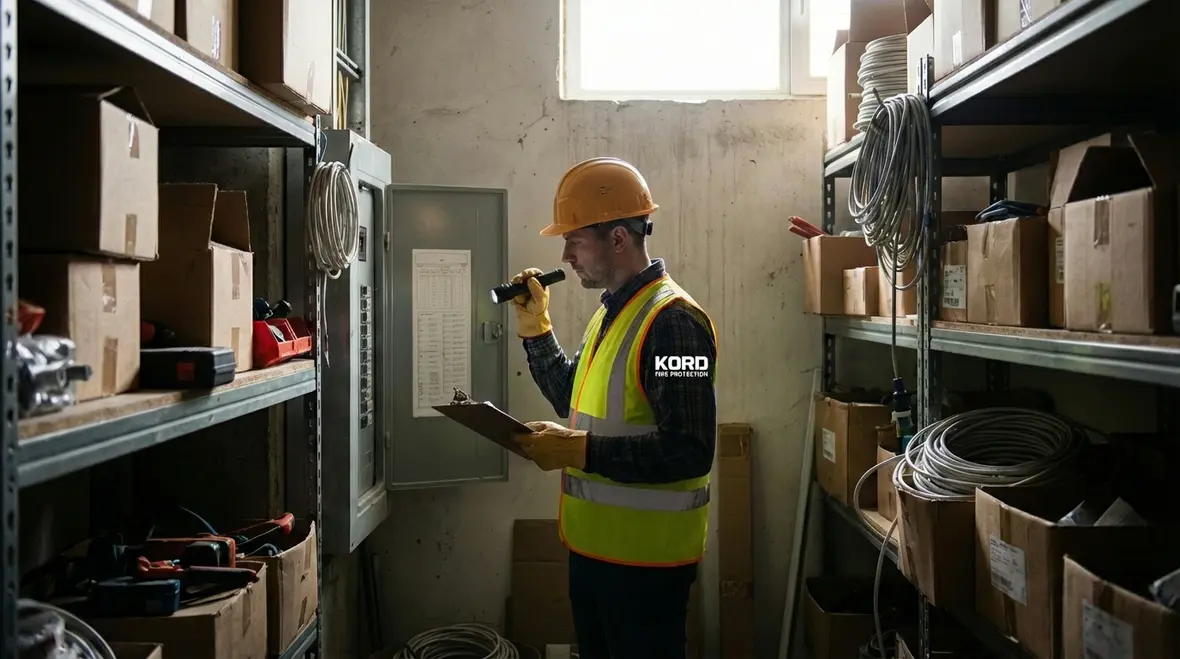
Prevention First, Reaction Second
Although response skills matter, prevention holds greater power. According to NFPA data, many commercial fires originate from cooking equipment, electrical distribution systems, or heating units. Therefore, education on safe equipment use reduces risk at the source.
Kord Fire Protection technicians emphasize routine inspections and housekeeping. Cluttered storage areas increase fuel load. Overloaded outlets invite sparks. Meanwhile, blocked exits turn manageable incidents into tragedies.
Consider prevention as the quiet hero of safety. It rarely receives applause because nothing dramatic happens. Yet that is precisely the point. When systems function and staff stay alert, emergencies shrink before they grow.
Furthermore, prevention builds culture. When leadership prioritizes safety meetings and refreshers, employees notice. They understand that well being matters more than rushing deadlines. In turn, morale improves. And while that may not appear in a fire code manual, it certainly shows up in retention reports.
Compliance, Liability, and the Cost of Ignoring Training
Some organizations ask whether training truly justifies the expense. However, the better question might be whether skipping it justifies the risk. NFPA standards influence local fire codes across California. Non compliance can result in fines, shutdowns, or legal exposure after an incident.
Insurance carriers also evaluate safety programs. Companies that document regular instruction and drills often receive more favorable assessments. Conversely, lack of preparation can complicate claims. And nobody wants to argue policy details while standing outside a smoke damaged building.
Kord Fire Protection technicians frequently explain that documentation matters as much as demonstration. Attendance logs, drill records, and inspection reports provide proof of due diligence. Therefore, structured programs protect both people and paperwork.
Additionally, public perception plays a role. News travels quickly, especially in a media driven city. A preventable incident can harm brand reputation overnight. Training, while less flashy than marketing campaigns, safeguards the image businesses work so hard to build.
Fire Safety Training and Human Behavior Under Stress
Emergencies trigger instinct. Unfortunately, instinct does not always choose the safest option. Some people freeze. Others rush toward danger out of curiosity. Therefore, repetition and clarity reshape natural reactions.
Research referenced by NFPA highlights that practiced evacuation procedures significantly reduce egress time. When occupants recognize alarms and trust the system, they move with purpose instead of hesitation.
Kord Fire Protection technicians often simulate realistic scenarios during drills. They might dim lights or introduce timed exercises. Although no one enjoys surprise alarms, controlled stress prepares teams for genuine events.
Moreover, training addresses vulnerable populations. Facilities must plan for visitors, children, older adults, or individuals with disabilities. Clear assignment of assistance roles ensures no one becomes an afterthought. Because safety includes everyone, preparation must as well.
In many ways, fire safety instruction becomes less about flames and more about psychology. It shapes decision making pathways before panic has a chance to write its own script.
Comparing NFPA Standards and Practical Workplace Application
Below is a simplified comparison of selected NFPA guidance and how organizations apply it in daily operations.
| NFPA Standard | Practical Application in the Workplace |
|---|---|
| NFPA 10 Portable Fire Extinguishers | Regular inspection schedules, employee hands on extinguisher training, clear mounting locations |
| NFPA 101 Life Safety Code | Marked exits, illuminated pathways, routine evacuation drills, occupancy load management |
| NFPA 72 National Fire Alarm Code | Tested alarm systems, staff awareness of alert tones, immediate reporting protocols |
This alignment shows that standards are not abstract documents gathering dust. Instead, they translate into daily habits. When Kord Fire Protection technicians review these elements with clients, they connect regulation to real world action. And that connection turns compliance into competence.
For facilities with complex systems, pairing NFPA guidance with services like fire system recharging after discharge and portable pool fire pumps can close the loop between planning, equipment, and hands on readiness.
FAQ About Fire Safety Training
Prepared Today, Protected Tomorrow
Fire does not schedule appointments. However, preparation does. Organizations that invest in structured education build safer environments, stronger teams, and steadier futures. With guidance from experienced professionals like Kord Fire Protection technicians, businesses transform regulations into real protection.
For many LA properties, that protection also includes staying ahead of system requirements, from six year extinguisher break down services to emergency exit light testing and repair. When people, procedures, and hardware all line up, resilience stops being a buzzword and becomes part of daily operations.
Do not wait for smoke to underline the importance of readiness. Take action, schedule professional instruction, and ensure every person in the building knows exactly what to do when seconds matter most. If you are ready to tighten your fire life safety program, Kord Fire Protection’s Regulation 4 testing services and related life safety support can help you move from “we should be fine” to “we know we are prepared.”
Need help getting your LA property compliant and prepared?
Know Your Weapon Before You Fight the Flame
Kord Fire Protection is your go-to when it comes to all things fire protection. For over 20 years, we’ve been serving Southern California with the quality service and equipment to keep your home or business safe at all times. Our competitive prices reflect our unwavering commitment to protecting what matters most in the event of a fire emergency. Give us a call, send an email, or use that form!

Join Our Newsletter!
Get the latest fire safety tips delivered straight to your inbox From our Newsletter.