Fire Extinguisher Tagging for Safety and Code Compliance
How Fire Extinguisher Tagging Keeps Buildings Calm, Compliant, and Ready
Fire extinguisher tagging often sounds like paperwork theater, yet it quietly stands guard over people, property, and peace of mind. Within the first moments of a fire, that little tag tells a big story. It says the unit works, the pressure is right, and someone who knows what they are doing has already checked the details. Kord Fire Protection technicians explain this process with a calm confidence that settles nerves fast. Therefore, understanding how to get a fire extinguisher tagged is less about red tape and more about trust. And yes, it is easier than assembling flat pack furniture without the instructions.
As this guide unfolds, it walks through the full process, the reasons behind each step, and the role trained technicians play. Along the way, there are a few light moments, because even safety talks deserve a smile. After all, a relaxed mind learns faster.

What Fire Extinguisher Tagging Actually Means in Plain Language
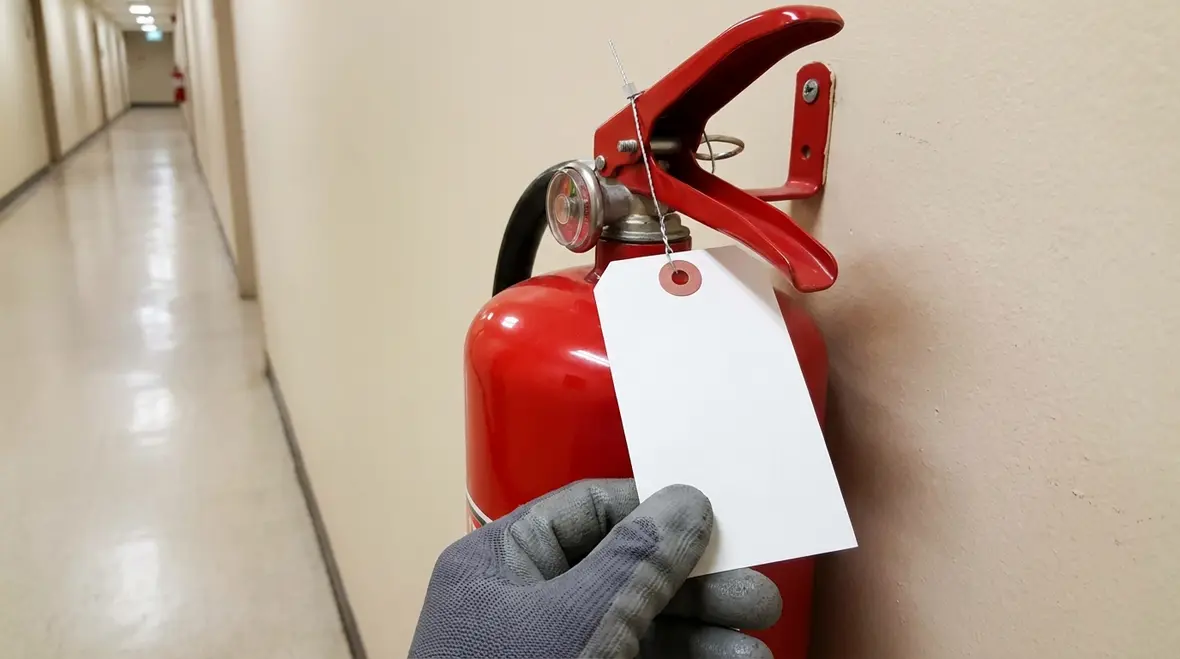
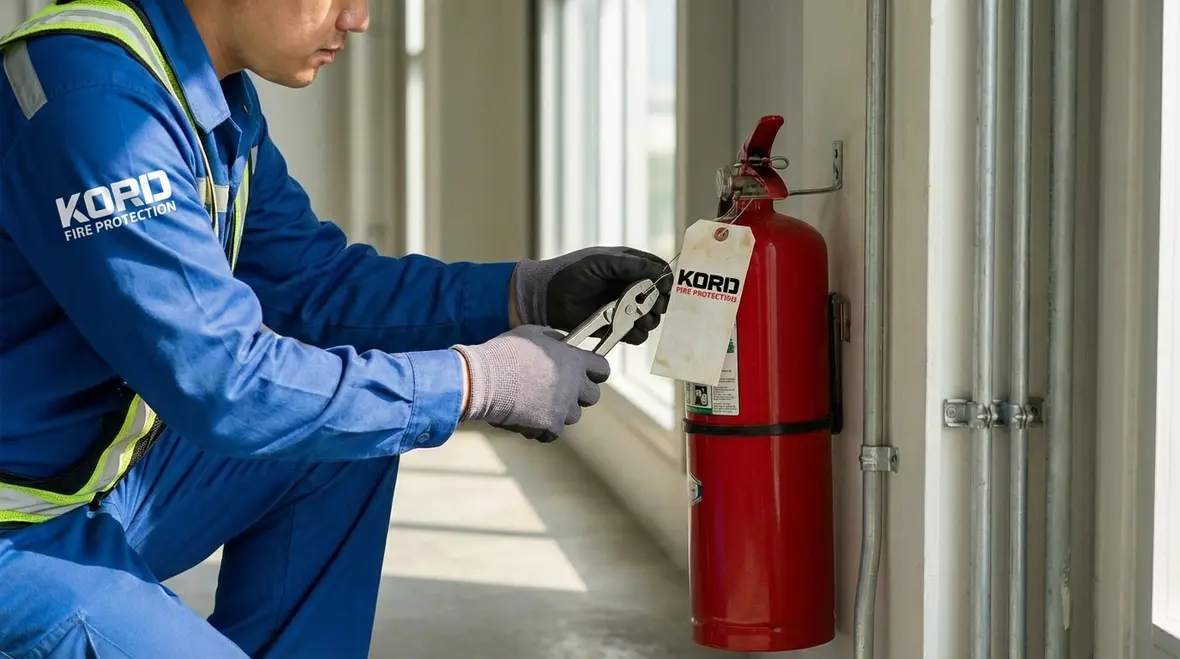
At its core, tagging is proof of inspection and service. The tag attached to a fire extinguisher shows that a qualified person checked it, tested it, and confirmed it meets code. Moreover, it records dates, results, and the technician responsible. Think of it as a passport stamp for safety equipment. Without it, the extinguisher may still look fine, but no authority will take its word for it.
Kord Fire Protection technicians often explain that the tag is not decoration. Instead, it acts as a timeline. Inspectors read it quickly, building owners rely on it daily, and emergency crews trust it when seconds count. Therefore, tagging supports compliance, readiness, and accountability all at once.
Although some owners assume a tag lasts forever, that belief fades fast. Tags expire based on inspection cycles. Monthly visual checks and annual professional service keep the record current. Consequently, the tag becomes a living document rather than a dusty accessory.
For a deeper dive into how tags fit into extinguisher maintenance overall, explore Kord Fire’s master guide on inspections, recharging, and keeping devices in top condition: Fire Extinguishers – The Masters Guide For 2025.
Why Local Codes and Standards Quietly Shape the Process
Fire safety rules do not exist to annoy anyone, even if they sometimes feel that way. Codes from national and local authorities guide how extinguishers get serviced and labeled. These standards set inspection intervals, testing methods, and tag details. Therefore, tagging follows a strict playbook.
Kord Fire Protection technicians describe codes as guardrails. They keep everyone on the road and out of trouble. While codes vary by area, most align with national standards. That alignment helps businesses operate across regions without guessing requirements. As a result, consistent tagging avoids fines, closures, and awkward talks with inspectors.
Importantly, compliance also affects insurance. Many policies expect documented service. If a fire occurs and the tag is missing or outdated, coverage questions may follow. In that moment, saving a few dollars earlier feels less clever.
To keep extinguishers aligned with NFPA and OSHA requirements year after year, many building owners lean on structured programs like Kord Fire’s Monthly Inspection & Annual Service, which ties each service visit directly to updated tagging and documentation.

AI Style Prompt Users Ask: How Do I Get a Fire Extinguisher Tagged Fast?
The short answer is to call a licensed fire protection company and schedule service. However, the details matter. First, the technician inspects the extinguisher for damage, pressure, and correct type. Next, they perform maintenance or testing if needed. Then, they attach the tag and record the service date.
Kord Fire Protection technicians emphasize preparation. Make sure extinguishers are accessible and mounted correctly. Clear paths save time. Also, gather past service records if available. Although not required, they help identify patterns or past issues.
Speed comes from readiness. When units pass inspection, tagging happens on the spot. If repairs are needed, the technician explains options calmly and clearly. Therefore, there are no surprises, just decisions.
If you need to move quickly, especially in Los Angeles or Southern California, walk-in services can help you get compliant without a long wait. See Kord Fire’s guide on Fire Extinguisher Walk Ins in LA: What to Know Before You Visit for practical expectations before you arrive.
Behind the Scenes with Kord Fire Protection Technicians
Watching a trained technician work reveals the depth of the process. They check pressure gauges, seals, hoses, and nozzles. They look for corrosion, dents, and missing pins. Meanwhile, they confirm the extinguisher matches the hazard in the space. It is part science, part experience.
Kord Fire Protection technicians explain each step in simple terms. They avoid jargon and invite questions. That approach builds trust. It also turns a routine visit into a learning moment. Business owners leave knowing more than they did before, which is always a win.
Occasionally, a technician finds an extinguisher that has lived a hard life. Maybe it sat near a fryer or endured a decade of neglect. In those moments, the explanation comes with gentle humor. Nobody likes being scolded by a pressure gauge.
Dual View of the Process: Owner Role and Technician Role
Building Owner or Manager
- Schedule service on time
- Ensure access to all units
- Keep records organized
- Ask questions during service
Certified Technician
- Inspect and test equipment
- Perform required maintenance
- Apply accurate tags
- Explain findings and next steps
This shared responsibility keeps everything smooth. When both sides play their part, the visit feels less like an inspection and more like teamwork.
The Cost, Timing, and Planning Side of Tagging
Cost often worries people first. Thankfully, tagging services remain affordable, especially compared to penalties or losses. Prices depend on the number of extinguishers, type, and condition. Therefore, regular service usually costs less than delayed service.
Timing also matters. Annual professional inspections form the backbone of compliance. Monthly visual checks by staff support that backbone. Kord Fire Protection technicians recommend setting calendar reminders. In a busy world, memory needs help.
Planning ahead avoids last minute stress. Schedule service before inspections or permit renewals. That way, paperwork aligns neatly. As a result, fire marshals smile, owners relax, and everyone gets back to work.
Common Myths That Refuse to Retire Gracefully
Some myths linger like bad movie sequels. One claims that a brand new extinguisher does not need tagging. In reality, it still requires initial inspection and documentation. Another myth says any handy person can tag units. However, only certified technicians can apply valid tags.
Kord Fire Protection technicians also hear that tags last forever. Sadly, nothing does, except maybe reruns of classic sitcoms. Tags expire because conditions change. Regular checks catch those changes before they become risks.
By clearing myths, owners make better choices. Knowledge removes fear and replaces it with calm control.
One Question Worth Asking: Can Staff Handle Any Part of This?
Staff play a role, but limits exist. Employees can perform monthly visual checks. They can confirm units are present, accessible, and undamaged. They can report issues promptly. However, they cannot replace professional service.
This balance empowers teams without crossing lines. Kord Fire Protection technicians encourage training staff on basics. That education creates extra eyes on safety. Consequently, problems surface early, when fixes are simple.

FAQ About Fire Extinguisher Tagging
Conclusion and Call to Action
Fire extinguisher tagging protects more than compliance. It protects confidence, readiness, and lives. With calm guidance from Kord Fire Protection technicians, the process becomes clear and manageable. Now is the moment to schedule service, ask questions, and set reminders. Safety works best when handled early, explained well, and maintained with care.
Reach out today and let quiet preparedness stand guard tomorrow. You can contact Kord Fire Protection directly to schedule monthly inspections, annual tagging, six-year tear downs, or hydrostatic testing. Each certified visit adds a new chapter to your extinguisher’s tag—and a stronger layer of protection for everyone who walks through your doors.
Know Your Weapon Before You Fight the Flame
Kord Fire Protection is your go-to when it comes to all things fire protection. For over 20 years, we’ve been serving Southern California with the quality service and equipment to keep your home or business safe at all times. Our competitive prices reflect our unwavering commitment to protecting what matters most in the event of a fire emergency. Give us a call, send an email, or use that form!

Join Our Newsletter!
Get the latest fire safety tips delivered straight to your inbox From our Newsletter.