Fire Alarm Trouble Signal Meanings Explained
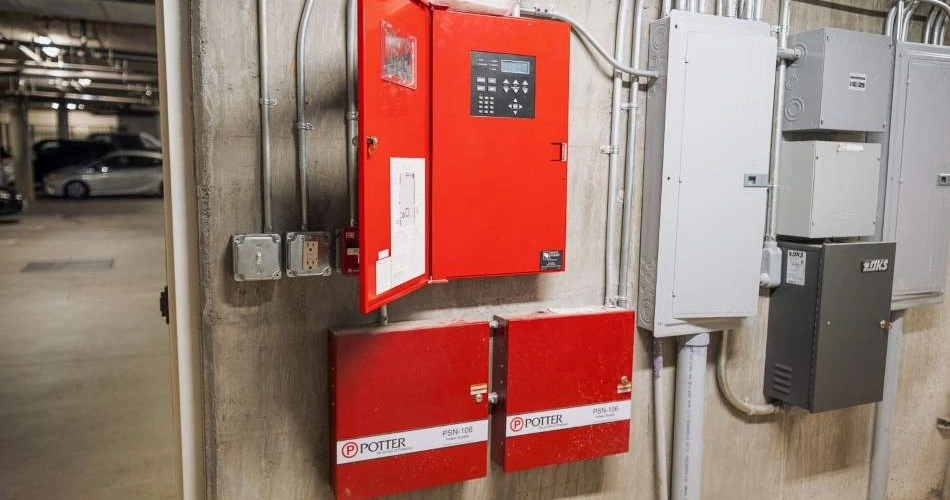
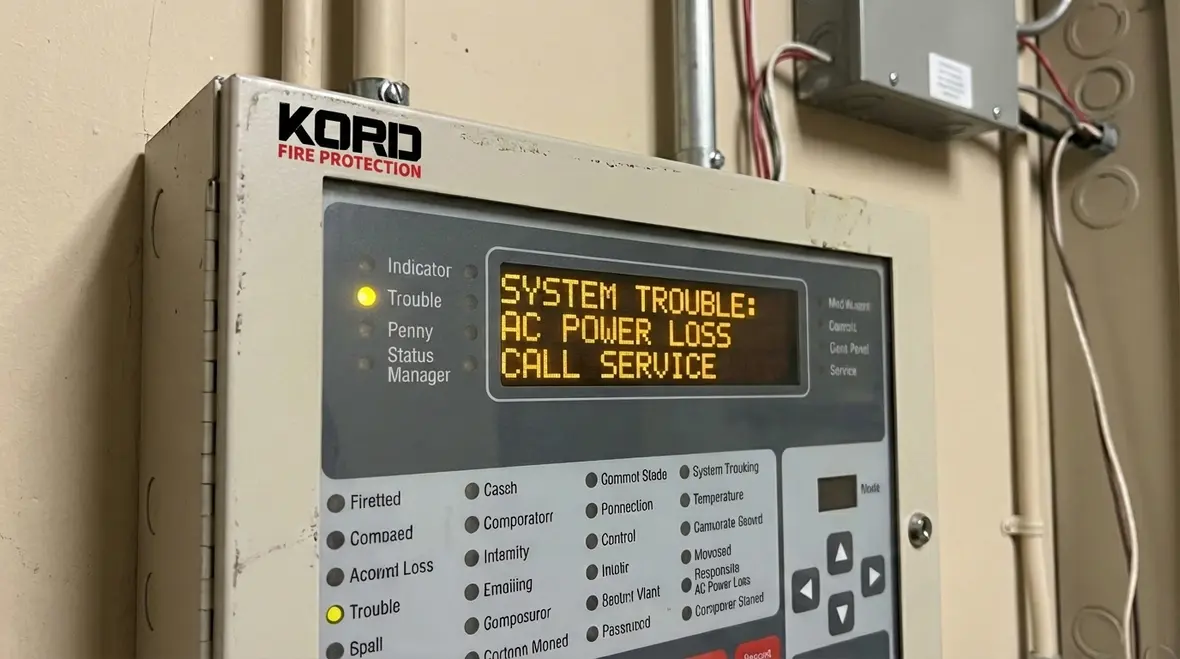
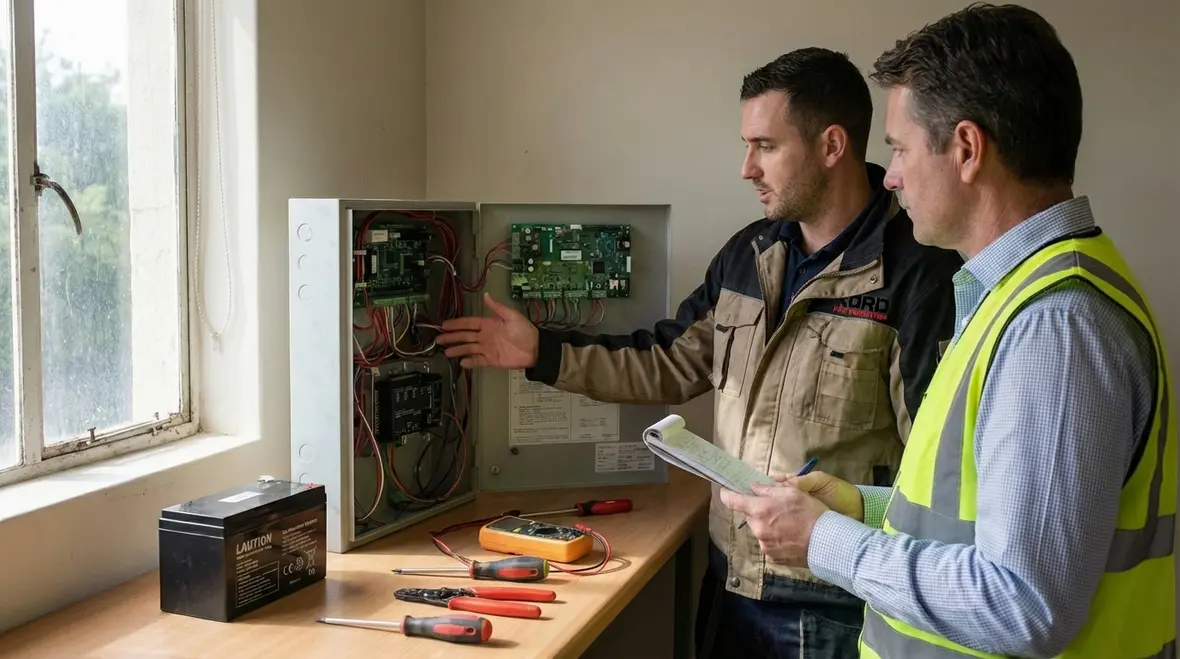
Understanding Fire Alarm Panel Trouble Signals begins with clarity. When a panel flashes “trouble,” it is not announcing a fire. Instead, it is reporting a problem within the system itself. These alerts reveal wiring faults, low batteries, ground issues, disabled zones, communication failures, or device malfunctions. In simple terms, they are the system’s way of saying, “Something needs attention.” Kord Fire Protection technicians often explain that knowing fire alarm trouble signal meanings is the difference between calm action and chaotic guesswork. And while the panel may not shout like a smoke detector at 2 a.m., it is speaking. The wise building owner listens.
Now, let us slow things down and walk through what these signals truly mean, why they matter, and how to respond with confidence.
What Are Fire Alarm Trouble Signals and Why Do They Matter?
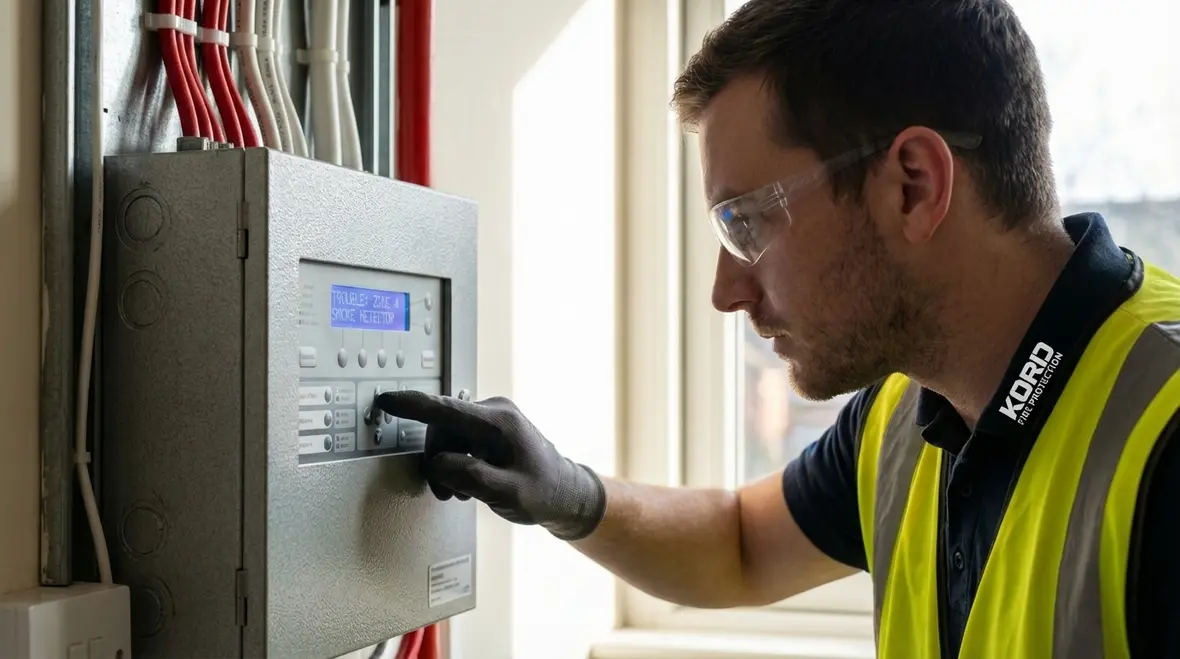
A fire alarm system has one job: detect danger and notify people fast. However, for it to perform flawlessly, every component must function in harmony. When something drifts out of line, the control panel generates a trouble signal. This is not an emergency alarm. Rather, it is a maintenance alert.
Think of it like the check engine light in a car. The vehicle may still run, yet ignoring that little amber glow rarely ends well. Similarly, a trouble condition indicates the system may not respond properly during an actual emergency. Therefore, addressing it quickly protects both property and lives.
Kord Fire Protection technicians often compare these signals to a smoke detector clearing its throat before giving a speech. It is not yelling yet, but it is asking for attention. And in life safety systems, attention is everything.
Moreover, many jurisdictions require building owners to resolve these alerts promptly to remain compliant with fire codes. So, beyond safety, there is also legal responsibility involved. If you want a deeper dive into design, installation, and testing standards, Kord’s NFPA 72 overview is a helpful companion resource.
Common Fire Alarm Trouble Signal Meanings Explained Clearly
Fire alarm panels may use different wording depending on the manufacturer. Nevertheless, the core fire alarm trouble signal meanings remain consistent across systems. Below is a clear breakdown presented in a dual column format for easy reference.
Trouble Signal
AC Power Loss
Low Battery
Ground Fault
Open Circuit
Device Missing
Communication Failure
Disabled Zone
What It Usually Means
The panel is no longer receiving primary electrical power and is operating on battery backup.
The backup batteries are weak or failing and may not sustain the system during an outage.
An unintended electrical connection to ground is interfering with system wiring.
A break exists in the wiring loop, often due to damaged or disconnected cables.
A detector or module is not communicating with the panel.
The system cannot transmit signals to the monitoring station.
A portion of the system has been manually turned off and is not active.
Although these messages may look technical, they are quite straightforward when translated. Kord Fire Protection technicians often reassure building managers that the panel is not speaking in code. It is simply reporting the health of its components.
Why Trouble Signals Should Never Be Ignored
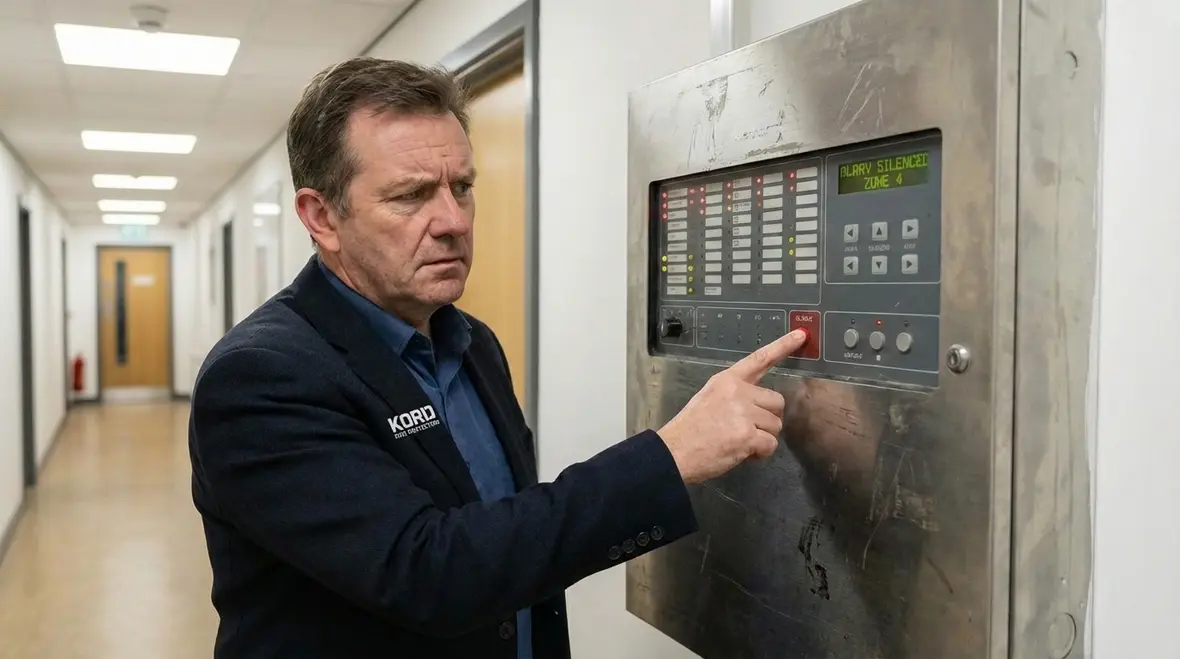
It is tempting to silence the buzzer and promise to deal with it later. However, later has a funny way of arriving at the worst possible time. Therefore, taking immediate action is not just smart. It is responsible.
For example, if a building loses AC power and the batteries are already weak, the system may fail completely during an outage. Likewise, a ground fault can interfere with signal transmission, meaning detectors might not communicate alarms properly.
In addition, insurance providers and local authorities often review maintenance records after an incident. If a trouble signal was present and unresolved, liability concerns can multiply quickly. Consequently, prompt service protects more than equipment. It safeguards reputation and compliance. Pairing quick response with regular fire alarm inspection report reviews helps close those gaps before they become problems.
Kord Fire Protection technicians often tell clients that ignoring a trouble signal is like ignoring a small leak in the roof. It may seem minor today. Yet, given time, it can become a waterfall in the living room.
How Fire Alarm Trouble Signal Meanings Guide Smart Maintenance
Understanding fire alarm trouble signal meanings allows building owners to act with purpose rather than panic. Instead of guessing, they can relay precise information to service providers.
For instance, reporting a low battery trouble narrows the focus immediately. On the other hand, describing a communication failure prompts technicians to inspect phone lines, cellular modules, or network connections.
This clarity reduces downtime. Furthermore, it speeds up repairs and lowers costs. When technicians arrive informed, they bring the right tools and replacement parts. As a result, the system returns to full operation faster.
Kord Fire Protection technicians emphasize that knowledge empowers property managers. They often take time during inspections to explain panel displays, indicator lights, and basic reset procedures. While they do not expect clients to become electricians overnight, they do encourage familiarity.
After all, a calm, informed response beats frantic button pressing any day. And yes, pressing random buttons rarely fixes anything. It just makes the panel beep louder, which feels suspiciously judgmental.

Step by Step Response When a Trouble Signal Appears
When a panel displays a trouble condition, a clear process helps prevent mistakes.
- First, read the display carefully. Modern panels provide specific descriptions. Write down the exact wording.
- Next, check for obvious causes. If the building recently lost power, an AC loss signal makes sense. If renovation work occurred, wiring may have been disturbed.
- Then, notify the monitoring station if required. Some systems automatically transmit trouble conditions, yet confirming communication prevents confusion.
- After that, contact a certified service provider such as Kord Fire Protection. Provide the precise message shown on the panel. This detail helps technicians prepare.
- Finally, avoid disabling the system unless directed by a professional. Silencing the buzzer is acceptable. However, turning off zones without guidance can create blind spots in coverage.
By following this structured approach, building managers stay in control. Moreover, they demonstrate due diligence, which matters in both safety and compliance.
The Role of Professional Inspections in Preventing Trouble Conditions
Routine inspections significantly reduce unexpected alerts. During scheduled service visits, technicians test batteries, inspect wiring, verify communication paths, and confirm detector sensitivity.
Consequently, many issues are identified before the panel ever displays a warning. Preventive maintenance transforms surprise problems into planned solutions.
Kord Fire Protection technicians often describe inspections as health checkups for the system. Just as doctors monitor blood pressure and heart rate, technicians measure voltage levels and signal strength. The goal is simple: catch small issues early.
In addition, regular maintenance ensures compliance with national and local fire codes. Inspectors frequently review documentation during audits. Therefore, detailed service records become invaluable.
Furthermore, professional testing builds confidence among tenants and staff. When occupants trust the system, they respond more effectively during real emergencies. That confidence starts with reliable equipment.
If your facility is due for an inspection or Reg 4 testing, Kord’s Regulation 4 Testing Services and Reg 4 basic fire alarm testing guide explain what to expect before technicians even arrive.
Technology Is Changing How Panels Communicate Problems
Modern fire alarm systems are smarter than ever. Many panels now integrate with building management systems and cloud platforms. As a result, trouble conditions can generate email or text notifications instantly.
This real time communication allows facility teams to respond quickly, even after hours. Additionally, advanced diagnostics can pinpoint the exact device in distress. Instead of searching an entire floor, technicians can head straight to Detector 14 in Corridor B.
However, technology does not replace human expertise. It enhances it. Kord Fire Protection technicians combine digital diagnostics with hands on inspection. While software identifies the symptom, experienced eyes uncover the root cause.
And let us be honest. Even the smartest panel still needs someone who knows which screwdriver to use.
Frequently Asked Questions
Conclusion and Next Steps
Fire alarm panels do not cry wolf. When they display trouble conditions, they are protecting the integrity of the system. Understanding fire alarm trouble signal meanings transforms confusion into confidence and delay into decisive action. Kord Fire Protection technicians stand ready to interpret alerts, restore reliability, and keep buildings compliant. When a panel speaks, listen. Then call professionals who treat life safety with the seriousness it deserves.
Schedule an inspection today and keep protection strong. Whether you need help decoding a stubborn trouble light or planning your next annual test, Kord Fire Protection offers full-service fire alarm support across California, from Irvine fire protection services to San Francisco County fire protection. Ready to take action now? Visit the Contact Us page to request a quote or book a fire alarm service visit.
Know Your Weapon Before You Fight the Flame
Kord Fire Protection is your go-to when it comes to all things fire protection. For over 20 years, we’ve been serving Southern California with the quality service and equipment to keep your home or business safe at all times. Our competitive prices reflect our unwavering commitment to protecting what matters most in the event of a fire emergency. Give us a call, send an email, or use that form!

Join Our Newsletter!
Get the latest fire safety tips delivered straight to your inbox From our Newsletter.