Construction Phase Commissioning for Fire Systems
Quick Answer: Construction phase commissioning during installation ensures fire protection systems are tested as they go in. This approach aligns NFPA 3 standards with on site work, catching issues early. Fire system installation testing becomes a team effort among installers, designers and operators, cutting risk and downtime while boosting safety across Australia.
For a broader look at how commissioning fits into the bigger picture, see the full lifecycle of fire protection from blueprint to installation. If you want the standards context as well, Kord Fire Protection also has a helpful NFPA 3 overview for fire protection systems that pairs naturally with this stage of the project.
Understanding Construction phase commissioning during installation
Construction phase commissioning during installation is a methodical process that verifies every part of a fire protection system is installed correctly and operates as designed while construction is underway. The practice blends design intent with real time on site conditions, ensuring devices, wiring and controls respond in harmony before the building moves from blueprints to occupancy. This phase reduces surprises when the system is finally powered up and put into service. In simple terms it is the moment when theory meets reality and they shake hands. It is a thoughtful approach that pays dividends in reliability and safety, especially for industrial facilities, retail complexes and commercial campuses across Australia.
NFPA 3 and guidance for Construction phase commissioning during installation
NFPA 3 guides how to manage fire protection during construction, including the commissioning steps that ensure readiness before a space is handed over. The standard emphasizes early involvement of engineers, installers and facility teams, and it supports structured testing for sequence of operations and integration with other systems. During installation the emphasis lies on documenting the expected behavior of components and validating that data, wiring and controllers behave as intended. This alignment between standard and site practice helps teams avoid costly reworks and supports a smooth transition to operation.
Key steps in the process
From planning to proof on site
- Plan the scope and define acceptance criteria with clear performance targets.
- Perform pre installation checks to confirm the right equipment and materials are on site.
- Test sequencing and integration as each device is added to the system.
- Carry out functional tests that demonstrate proper operation under expected conditions.
- Document results and train staff so operations know how to respond when alert signals appear.
Two column snapshot for Australian industries
- Improved reliability as installations are verified early
- Shorter project timelines due to fewer last minute fixes
- Better safety with demonstrated performance before occupancy
- Lower total cost of ownership through proactive testing
- Compliance with local regulations across Australia
- Clear accountability among contractors and operators
- Streamlined handover with complete documentation
- Consistent results across industrial sites and retail spaces
Kord Fire Protection as a trusted partner
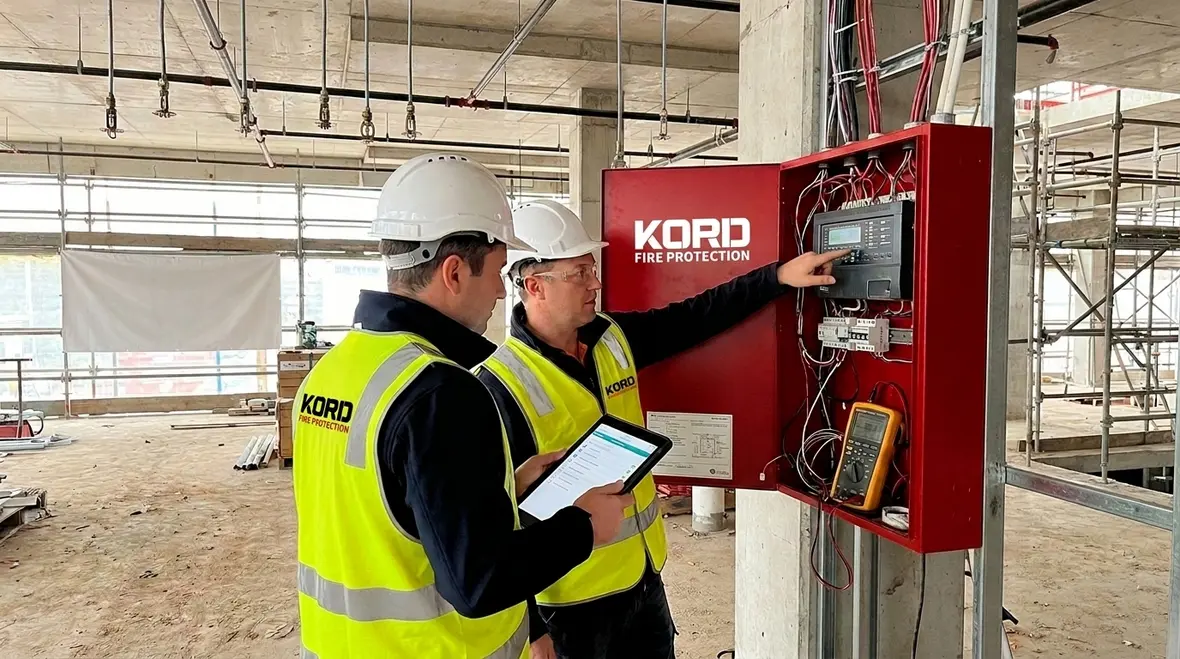
Kord Fire Protection serves as a vital partner in the journey of construction phase commissioning during installation. With a track record across industrial, retail and commercial projects, the team brings design insight, on site supervision and rigorous testing discipline. They coordinate with designers, electrical teams and facility managers to ensure every valve, sensor and controller behaves as intended. The result is a seamless translation from project plans to a dependable life safety system. In short, when risk is on the line, Kord Fire Protection answers with calm competence and a steady hand that makes the job feel almost effortless.
That coordination becomes even more valuable where systems and power have to behave like a well trained team, which is why fire and electrical system support for compliance often enters the conversation during commissioning planning.
Benefits for facilities across Australia
Industrial, retail and commercial facilities gain measurable advantages from embracing construction phase commissioning and fire system installation testing. On site verification minimizes rework and protects critical timelines. Operators enjoy clearer documentation and easier training, while owners gain increased confidence that safety systems will perform under pressure. Across Australia these practices help facilities meet strict standards, reduce downtime and protect people and assets in busy environments. The approach blends practical know how with rigorous testing to deliver dependable fire protection.
What to expect during fire system installation testing
What teams actually check before handover
During installation testing, teams verify each component inside the system performs as designed and harmonizes with others. Expect staged testing that covers each device, the communications network and the overall control logic. Field technicians record results, address any anomalies and retest until targets are met. This disciplined process reduces the chance of unexpected shutdowns after handover and provides a solid basis for ongoing maintenance and audits. All steps align with NFPA 3 guidance and local codes across Australia.
FAQ
Conclusion and call to action
For facilities across Australia the road to reliable fire protection runs through careful planning, disciplined testing and clear collaboration. Construction phase commissioning during installation and fire system installation testing offer a proactive path to safety and uptime. Kord Fire Protection stands ready to guide, test and verify every step, helping clients protect people, property and profits. Contact Kord today to discuss how this approach can fit your project timeline and budget.

Join Our Newsletter!
Get the latest fire safety tips delivered straight to your inbox From our Newsletter.