Commercial Fire Safety Protocols for Modern Infrastructure
When modern infrastructure grows faster than the fire code can blink, leaders need commercial fire safety protocols that are clear, coordinated, and practical. Kord Fire Protection Technicians build those protocols with a simple goal: keep people safer and keep the business moving, even when something goes wrong. In the real world, that means planning before a problem, training before an alarm, and checking systems before anyone has to “hope for the best,” which is the safety strategy of every character who ever got out of a movie by running in the wrong direction. And yes, it is always the wrong direction.
Why modern infrastructure needs stronger fire planning
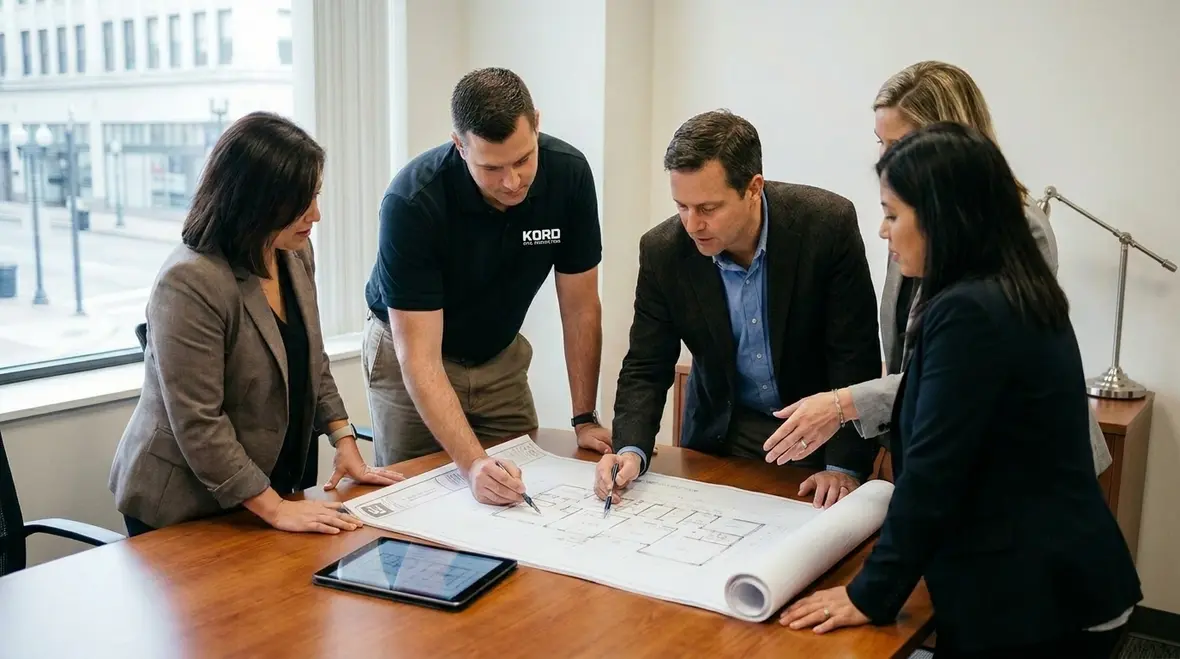
Modern buildings do not just “house” operations. They host power, data, storage, manufacturing, retail, and sometimes all of it under one roof. As a result, fire risk changes across floors and even across shifts. Then, systems add complexity: early detection, voice alarms, smoke control, door releases, sprinklers, special suppression, and monitored panels. Therefore, commercial teams need structured commercial fire safety protocols that align with each site’s hazards, workflows, and how occupants actually move.
Additionally, regulatory requirements evolve. Policies that worked five years ago can fall behind today due to new building materials, new occupancy patterns, or updated inspection expectations. Kord Fire Protection Technicians help clients connect the dots between code intent and day to day operations, so safety does not become a binder on a shelf.
How teams should map risk by building function
A strong protocol starts with a risk map. That means teams do not guess where the danger hides. Instead, they evaluate what the building stores, how equipment runs, where hot work happens, and how electrical systems are maintained. Fire safety protocols become more effective when they reflect real fire loads, ignition sources, and the ways smoke travels.
For example, a logistics warehouse and a medical office might both have “occupants,” but they behave very differently in an emergency. In a warehouse, fuel sources can be stacked high, and exits can be blocked by normal activity. In offices, the risk often comes from wiring, kitchens, and localized equipment. Consequently, protocols must assign responsibilities that match the spaces, including what staff checks during normal operations and what they do during an alarm.
Kord Fire Protection Technicians often build these maps alongside operations leaders, because the people who run the building understand where doors stick, where keys go missing, and which areas get bypassed during maintenance. That knowledge turns safety planning into something that actually survives the chaos.
What comprehensive protocols include beyond inspections
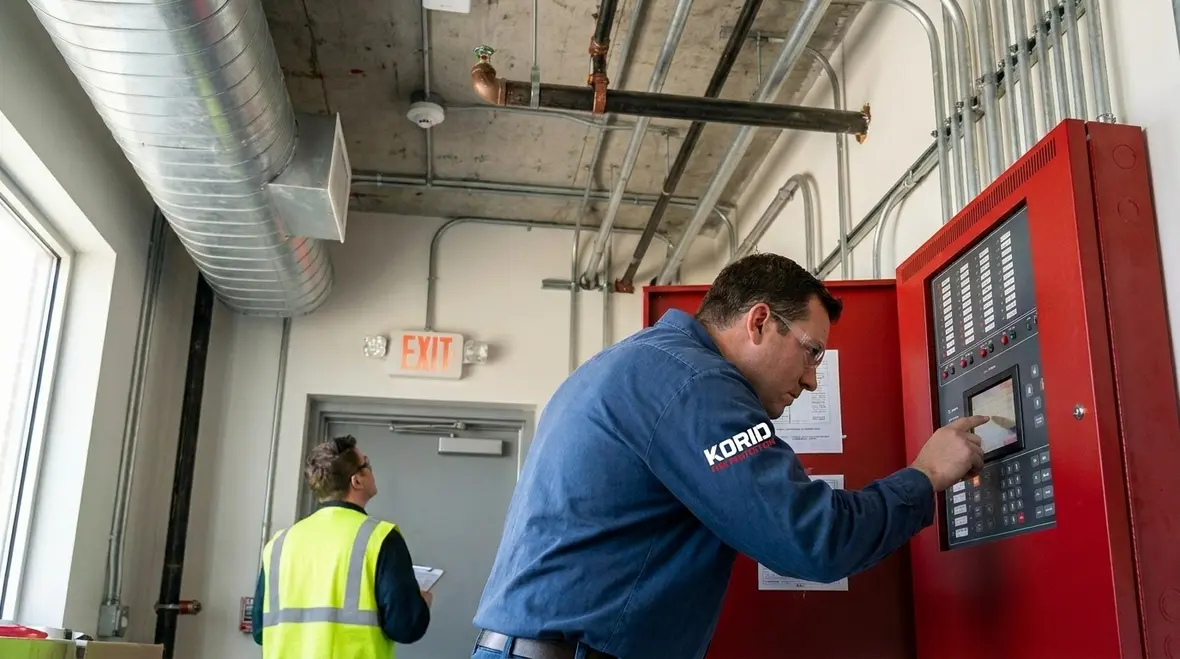
Many teams treat fire safety as an annual event. Meanwhile, fire does not respect calendars. Comprehensive commercial fire safety protocols run continuously across prevention, detection, response, and recovery. They include clear operating procedures, documented schedules, and a process for tracking issues to closure.
- Prevention procedures covering housekeeping, hot work controls, electrical safety, and storage rules
- System readiness steps ensuring fire alarm, sprinklers, and smoke control systems stay in service
- Response playbooks defining evacuation, alarm acknowledgment, and command roles
- Staff training focused on what people must do in the first minutes, not just what they should know
- Drills and feedback that adjust protocols based on observed performance
- Inspection and testing records that show not only compliance, but trend awareness
And yes, records matter. If the protocol says “check the valve,” but the log shows nobody checked it, the protocol becomes a bedtime story. Kord Fire Protection Technicians help teams design documentation so it supports action, not just audits.
Designing detection and suppression for real emergency behavior
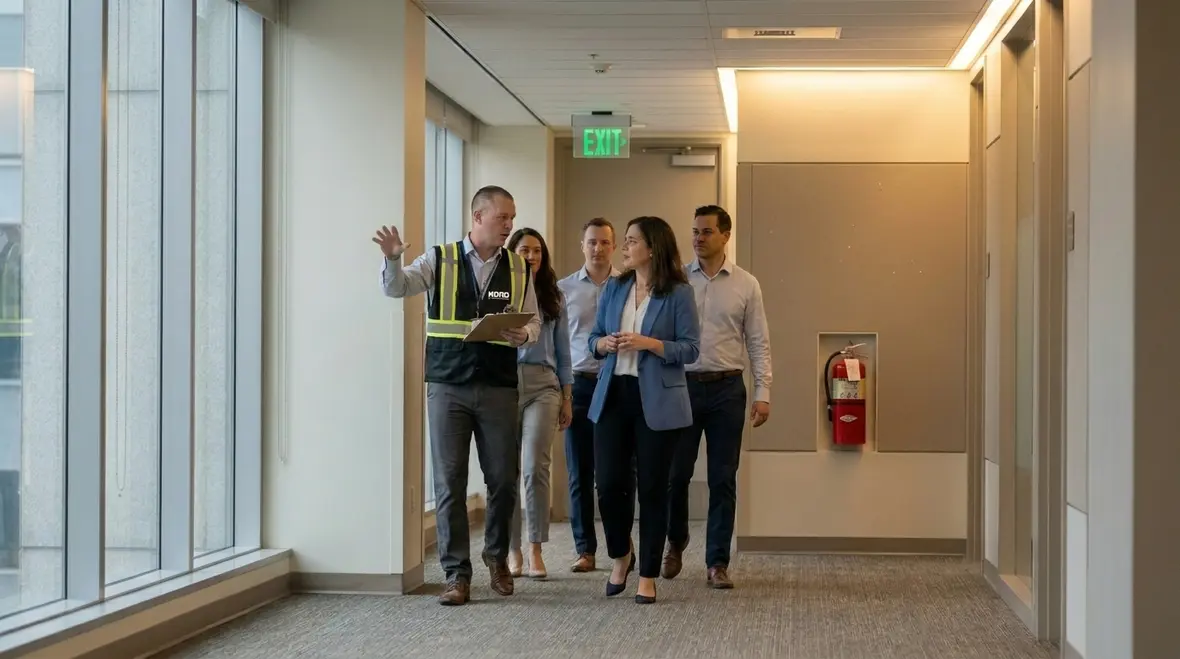
Even the best equipment fails if it does not match how the building breathes during a fire. Detection and suppression must work together with smoke movement, door positions, ventilation patterns, and the layout of escape routes.
First, teams should confirm that coverage matches occupancy hazards. That can include heat detectors where temperatures spike quickly, smoke detection where smoke accumulates, and proper zoning so alarms guide response rather than confuse it. Next, suppression and control systems should align with the spaces they protect. For instance, a facility that uses specific extinguishing agents needs trained staff and clear limitations, because discharge without the right steps can create new problems.
Kord Fire Protection Technicians emphasize system coordination. They help clients understand how alarm notification, emergency lighting, and door release devices interact, so response is smooth instead of “everyone doing something different,” which is the teamwork version of herding cats.
Training staff so actions happen in the first five minutes
In a real event, most damage comes early. Therefore, training must focus on speed, clarity, and consistent roles. Staff members should know what to do when an alarm sounds, how to report conditions, and when to shut down processes safely.
- Role assignment for floor wardens, responders, and decision makers
- Alarm response rules like who investigates, who evacuates, and who communicates
- Evacuation route discipline with accessible exit paths and clear signage expectations
- Accountability routines so teams can confirm who is out
- After action review steps to improve future performance
Meanwhile, training should not rely on a single slide deck. Kord Fire Protection Technicians often support interactive sessions that connect system behavior to staff action, so the protocol feels less like theory and more like muscle memory.
Auditing, maintenance, and continuous improvement
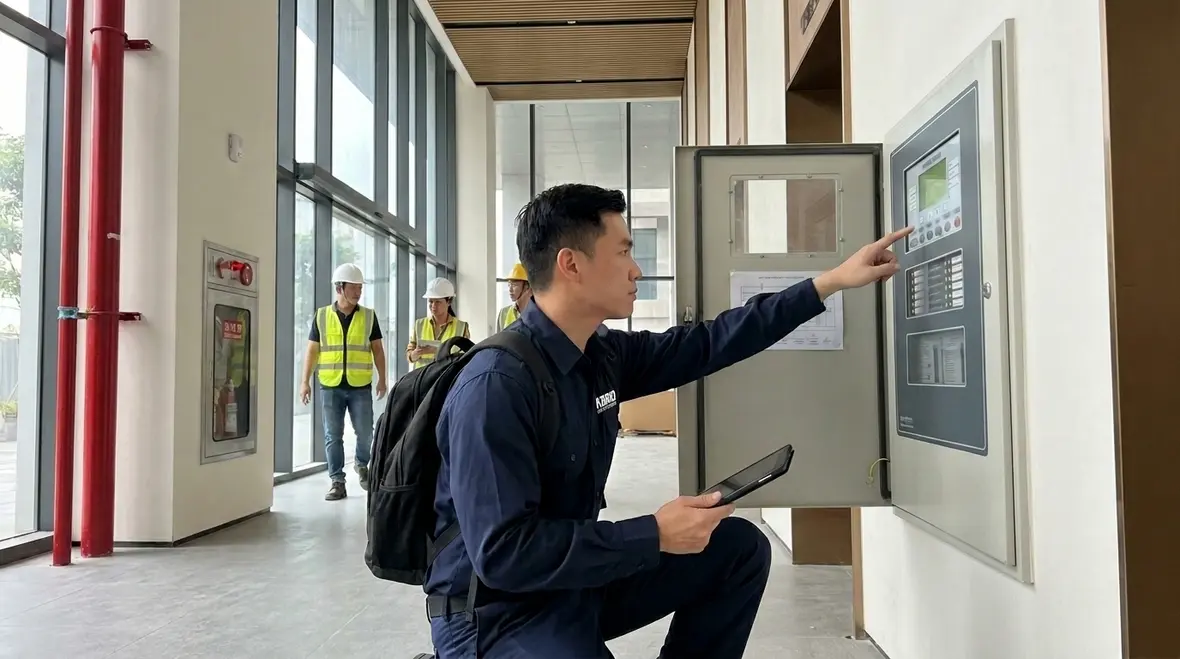
Commercial fire safety protocols improve when teams treat them like living systems. That means scheduled inspections, correct testing methods, and a clear process for fixing issues quickly. Additionally, audits should look beyond “passed” or “failed.” They should examine trends like recurring trouble signals, delayed repairs, and repeated door faults.
- Maintenance schedules aligned with manufacturer and code requirements
- Trouble signal reviews to reduce nuisance events and missed alerts
- Change management when renovations or equipment upgrades occur
- Vendor coordination so service work does not interrupt readiness
- Document control ensuring the latest protocol versions are always used
In other words, continuous improvement keeps the protocol from turning into a museum exhibit. And nobody wants their fire safety plan to look like a relic from the last century, unless it is a lucky charm, and even then, fire does not accept superstition.
FAQ: Commercial fire safety protocols
Conclusion and call to action
Modern infrastructure demands more than basic compliance. It requires commercial fire safety protocols that match how the building operates, how people move, and how systems perform under pressure.
Kord Fire Protection Technicians can help leaders build, test, and improve protocols that protect people and support business continuity. If your team wants a clear plan, practical training, and system coordination that holds up in the real world, reach out today and start strengthening your fire safety program.

Join Our Newsletter!
Get the latest fire safety tips delivered straight to your inbox From our Newsletter.