
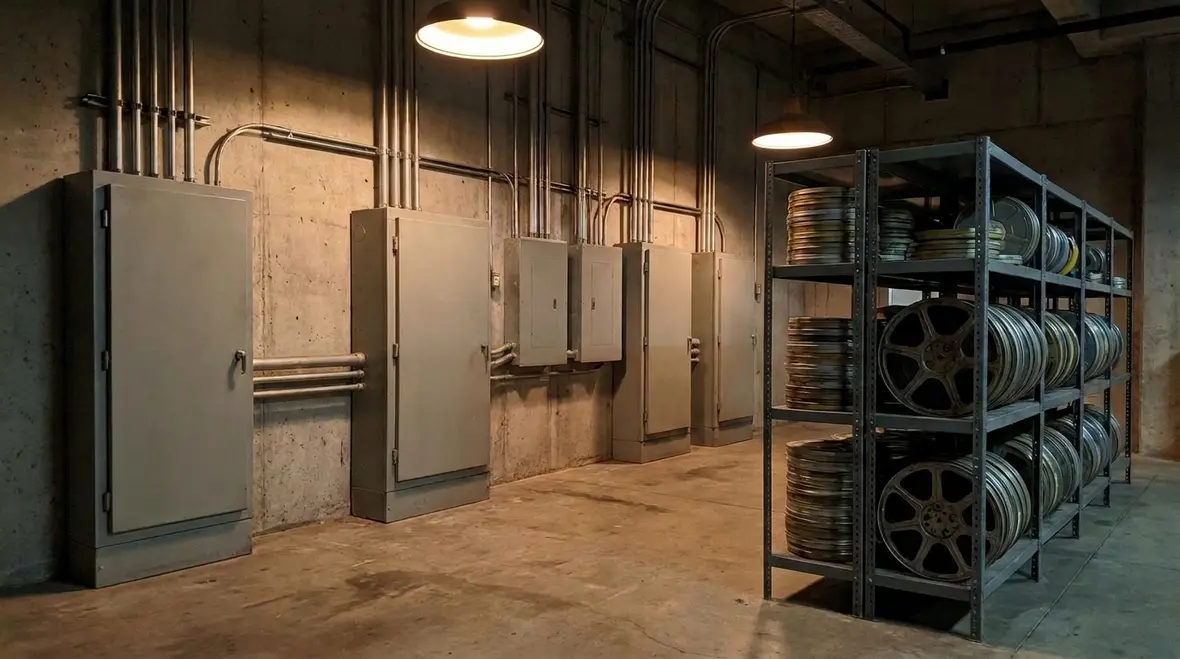
NFPA 40 Section 4.6: Electrical Equipment in Nitrate Film Buildings
Quick Answer
NFPA 40 Section 4.6 sets performance based and practical electrical equipment rules for nitrate film storage and processing areas. The intent is to prevent ignition sources from overheating, arcing, or failing under expected fire and ambient conditions. Facilities must verify equipment suitability, installation, and maintenance.
For facilities tightening inspection routines, it helps to connect these requirements with broader fire and electrical system support for compliance so electrical controls, interfaces, and documentation all stay on the same page instead of wandering off like they own the place.
What NFPA 40 electrical equipment requirements focus on in nitrate film buildings
In nitrate film buildings, ignition control is not optional. NFPA 40 electrical equipment requirements nitrate film buildings are designed to limit ignition potential from normal operation and common fault conditions. Section 4.6 addresses electrical equipment within nitrate film areas by emphasizing suitability for the hazard, correct installation methods, and inspection practices that keep protective features functional over time.
For commercial owners, this typically means more than buying “rated” equipment. It requires a documented compliance plan that coordinates designers, electricians, and fire protection professionals, plus ongoing maintenance that verifies the equipment continues to meet its original safety purpose.
How Section 4.6 works in practice (scope and intent)
NFPA 40 Section 4.6 is written to reduce the likelihood that electrical equipment becomes an ignition source in environments where nitrate film presents a highly hazardous fire load. The section generally directs facilities to control ignition sources by ensuring electrical equipment is appropriate for the location, protected against conditions that can create hot surfaces, and maintained so protective measures do not degrade.
Operationally, facilities typically encounter the following compliance pressure points:
- Equipment placement near storage, processing, or transfer zones where nitrate film materials can be present.
- Protective enclosure integrity and whether enclosures remain sealed after service events.
- Temperature and surface energy risk created by undersized conductors, failed terminations, or deteriorated components.
- Overcurrent and fault protection that must operate correctly to prevent overheating and arcing.
- Maintenance drift, where retrofit changes and equipment replacements unintentionally reduce compliance margins.
Where ignition control starts: suitable electrical equipment and correct installation
NFPA 40 Section 4.6 is fundamentally about preventing ignition from electrical equipment. To support that goal, electrical systems must be installed so they do not introduce new ignition paths and so equipment operates within safe limits. This includes mechanical and electrical considerations that inspections can verify in the field.
1) Suitability for nitrate film areas
Facilities should treat “suitable” as a documented condition, not a label assumption. Compliance typically requires that equipment is specifically acceptable for the environment and location within the nitrate film building. Practically, this involves verifying the equipment configuration, protective design intent, and whether it has been installed in a manner consistent with the hazard control goals of NFPA 40.
2) Enclosure protection and physical integrity
Even when equipment is rated for a general environment, nitrate film building conditions can stress enclosures through service access, door damage, gasket deterioration, and loose fittings. Inspectors look for signs that protective features have been bypassed, such as missing covers, compromised seals, or open conduit terminations.
3) Wiring terminations and conductor condition
High risk failure points often occur at connections. Loose or degraded terminations can create resistance heat, while insulation breakdown can contribute to arcing. Field checks commonly include torque verification where permitted, inspection of insulation condition, and confirmation that splices and junctions remain compliant with the installation basis.
What typically fails during compliance inspections (and how to prevent it)
Many noncompliance findings in nitrate film buildings come from gradual changes after commissioning. Section 4.6 encourages controls that remain reliable, so inspections should prioritize issues that increase ignition likelihood under normal operation or foreseeable faults.
Overheating from overloads, poor connections, and aging components
Even with correct equipment selection, thermal risk increases when conductors carry higher currents than intended or when components age. Preventive controls include verifying circuit loading practices, confirming protective device settings, and documenting maintenance activities that address wear, corrosion, or contact degradation.
Arcing risk from damaged insulation or compromised protection
Arcing often originates from damaged insulation, improper component replacement, or protective device malfunction. A strong inspection plan includes checks for physical damage, evidence of moisture ingress, and confirmation that protective devices and associated wiring remain in good condition.
Service and retrofit activity that quietly changes compliance
Commercial facilities frequently experience electrical upgrades, lighting retrofits, and control system changes. Without a controlled process, these projects can introduce equipment types or installation methods inconsistent with NFPA 40 electrical equipment requirements nitrate film buildings. The most effective prevention strategy uses a change management workflow with fire safety review, documentation, and commissioning verification.
Maintenance and testing: the compliance lifecycle after installation
NFPA 40 electrical equipment requirements nitrate film buildings are only as strong as ongoing maintenance. Section 4.6 expectations translate into a practical lifecycle: verify, maintain, inspect, and document. Facilities should align electrical preventive maintenance with fire safety goals, not only with electrical functional testing.
Inspection documentation that stands up to scrutiny
To support audits and operational readiness, facilities should maintain records for:
- Equipment identification and installation location mapping within nitrate film building areas.
- Protective device maintenance history and verification results.
- Corrective action reports for any damaged enclosures, wiring issues, or failed components.
- Change records for replacements, upgrades, or modifications near nitrate film hazards.
Why partner support matters for commercial teams
Kord Fire Protection supports owners and facility managers with compliance oriented inspection planning, documentation standards, and coordination across trades. This helps commercial, industrial, and retail facilities keep electrical ignition controls aligned with NFPA expectations during normal operations and throughout renovations, equipment replacement, and ongoing maintenance schedules.
To strengthen your internal compliance approach, facilities may also benefit from Kord Fire Protection resources on coordinated life safety systems. Visit Kord Fire Protection for guidance on ongoing fire safety support.
How to implement Section 4.6 controls in a real facility
Facilities can reduce risk and inspection surprises by implementing a controlled workflow around electrical equipment in nitrate film buildings. Use this as a practical starting point.
| Control Area | What to verify | Common evidence to retain |
|---|---|---|
| Equipment suitability | Equipment type and configuration match the nitrate film hazard location requirements | Equipment cut sheets, approved installation drawings, label records |
| Enclosure integrity | Seals, covers, and fittings remain intact after service and inspections | Inspection checklists, photos, corrective work orders |
| Terminations and wiring | No damaged insulation, loose connections, or noncompliant splices | Thermal or electrical verification records where performed, torque records if applicable |
| Overcurrent and fault protection | Protective devices operate properly and align with design intent | Trip and test records, maintenance logs, device identification |
| Change management | Retrofits and replacements go through fire safety and code review | Change authorizations, commissioning notes, final field verification |
Facilities that treat Section 4.6 as a living program typically experience fewer operational disruptions, fewer repeat corrective actions, and stronger audit outcomes.
Frequently Asked Questions
Get Section 4.6 compliance support before the next inspection cycle
Electrical equipment ignition control in nitrate film buildings must stay reliable after installation. Kord Fire Protection helps commercial teams build practical inspection routines, maintain documentation, and coordinate corrective actions so NFPA 40 electrical equipment requirements nitrate film buildings remain effective year round. Contact Kord Fire Protection to schedule a compliance focused review and establish an ongoing maintenance and verification plan tailored to your facility and operational schedule.

Join Our Newsletter!
Get the latest fire safety tips delivered straight to your inbox From our Newsletter.



