
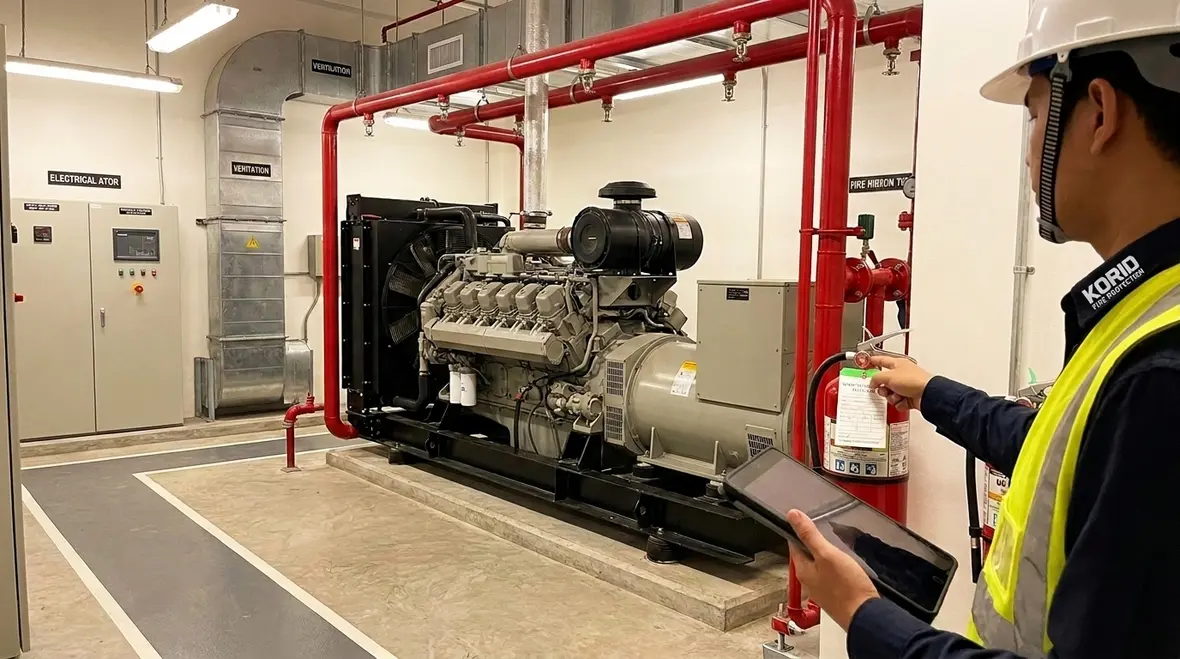
NFPA 37 Section 11.1: General Fire Protection for Engine Installations
Quick Answer: NFPA 37 Section 11.1 establishes the baseline fire protection expectations for engine installations, including how facilities control ignition sources, manage combustible hazards, and maintain fire protection features. Practical compliance centers on proper separation, safe operating practices, and documented inspection and maintenance.
NFPA 37 fire protection general requirements engines, clarified
NFPA 37 Section 11.1 focuses on general fire protection measures applicable to engine installations. It does not rely on a single device. Instead, it expects an integrated approach across hazard control, equipment protection, and readiness of fire protection systems. For commercial, industrial, and retail facilities, the compliance work typically fails or succeeds on routine operations: how engines are installed, how spaces are maintained, and how often fire protection features are inspected and corrected when deficiencies appear. Using NFPA 37 fire protection general requirements engines as a framing baseline helps facilities align maintenance, contractor scope, and inspection intervals to the intent of the standard.
For teams looking to connect engine room compliance with broader building support, fire protection services in Southern California can help tie inspections, testing, troubleshooting, and documentation into one service plan.
What Section 11.1 requires in practice
NFPA 37 Section 11.1 establishes general fire protection requirements for engine installations. While projects vary by risk profile, layout, and equipment type, facilities usually must demonstrate that ignition hazards are addressed and that protective measures remain functional. In real-world installations, the largest operational gap is not the absence of equipment. It is the loss of effectiveness over time due to deferred maintenance, improper housekeeping, or changes to the installation without fire protection review.
Commercial facilities commonly face recurring friction points:
- Accumulating combustibles: dust, lint, oil mist residues, rags, cardboard, and packaging materials around engine rooms and generator enclosures.
- Unauthorized modifications: added cabling, changed ventilation patterns, or relocated storage that alters hazard distances or airflow.
- Impaired detection and suppression readiness: equipment present but out of service, obstructed, improperly calibrated, or missing tamper monitoring.
- Inconsistent operational controls: hot work not controlled, fueling practices not managed, or improper start and stop procedures during maintenance.
For compliance readiness, the facility must be able to show not only what exists, but also that it remains effective under normal operations and foreseeable abnormal events.
Hazard control: the engine room is not just a mechanical space
Section 11.1 intent translates into daily hazard control. Engine installations concentrate fuel, heat, ignition sources, and electrical equipment within a confined area. Even when specialized fire protection systems are present, housekeeping and ignition source management often determine the real outcome of an incident.
Ignition source management
Facilities typically need to ensure engine compartments and adjacent areas maintain controls that reduce ignition potential. Common controls include:
- Maintaining electrical terminations and wiring integrity to prevent arcing and overheating.
- Preventing hot surfaces from contacting nearby combustibles, including improper cable routing or stored materials.
- Managing dust and residue that can increase ignition probability.
Combustible load and housekeeping expectations
Even where the design includes rated boundaries and suppression features, Section 11.1 style requirements drive strict control of combustible materials. The most frequent findings in facility audits include storage against enclosures, missing housekeeping schedules, or lack of clear boundaries between equipment zones and storage zones.
To reduce recurring noncompliance, many operators implement zone based housekeeping plans that define what can be stored, where tools may be placed, and how residues are cleaned between scheduled maintenance cycles.
Inspection and maintenance: where compliance typically breaks
NFPA 37 Section 11.1 places practical expectations on the maintenance of general fire protection features for engine installations. In commercial environments, this means the facility must maintain documentation, keep systems accessible, and correct deficiencies promptly. The inspection problem is rarely “no coverage.” It is typically “coverage that is not verified.”
Common failure points inspectors find
- Obstructed access and service clearances: doors blocked, ceiling spaces partially covered, or equipment access routes compromised.
- Visual indicators not verified: labels missing, gauge readings not logged, or indicator lights not tested.
- Impaired suppression hardware: clogged nozzles, damaged distribution piping, or corrosion that reduces discharge effectiveness.
- Out of date service records: maintenance logs missing last test date, incomplete corrective action documentation, or incorrect intervals.
How a robust program supports Section 11.1 compliance
A strong compliance program aligns maintenance with actual operating cycles. It includes procedures for:
- Pre inspection walkthroughs to confirm accessibility, labeling, and condition.
- Corrective action tracking with measurable closeout criteria.
- Coordination between mechanical maintenance teams and fire protection contractors so changes do not create new ignition or propagation risks.
Kord Fire Protection supports commercial facilities with ongoing testing, inspections, and maintenance coordination to keep engine related fire protection features operational and compliant. For facilities that require an audit ready record set, Kord Fire Protection also helps standardize documentation practices across recurring service cycles.
If your team is also responsible for pump reliability, this pairs naturally with proactive maintenance for fire pump system reliability, especially when small deficiencies have a bad habit of waiting for the worst possible moment.
Operational procedures and training: compliance that survives real shifts
NFPA 37 Section 11.1 cannot be satisfied by equipment alone. Facilities must support safe operations through controlled procedures and staff competency. In many installations, the engine room is staffed by personnel who primarily focus on mechanical performance. Fire protection requirements should be integrated into operational practices so the equipment is protected during both normal operation and maintenance.
Procedure expectations that matter
- Hot work controls: permit processes, fire watch responsibilities, and clearance checks around stored combustibles.
- Fueling and transfer controls: spill prevention, immediate cleanup procedures, and restrictions on ignition sources.
- Start and shutdown discipline: ensuring any pre start checks include fire protection readiness items and that abnormal conditions trigger the correct escalation.
Training that reduces recurring risk
Training should focus on what staff can observe and act on. That includes recognizing blocked access paths, damaged detection components, abnormal sounds or smells that suggest fuel or electrical issues, and conditions that change hazard levels such as accumulating combustibles or compromised ventilation.
Facilities that align training with inspection findings typically reduce repeat deficiencies and improve audit outcomes.
Design and documentation: proving compliance during inspections
When authorities having jurisdiction or internal safety teams review engine installations, they often look for evidence that general fire protection requirements are implemented consistently. Documentation is a compliance multiplier. It shows the facility understands intent and can verify that controls remain effective.
What to include in an inspection ready package
- Latest inspection and test reports for fire protection features associated with the engine installation.
- Maintenance logs, including corrective actions and re inspection evidence.
- As built or updated drawings that reflect actual field configuration.
- Operational procedures relevant to engine operation, maintenance, and hot work control.
- Housekeeping schedules and records tied to the engine area zoning.
Internal linking for facility teams
For teams building a broader fire protection compliance strategy across multiple building systems, reviewing Kord Fire Protection Resources can help standardize how service plans, inspection checklists, and documentation practices are structured.
Frequently Asked Questions
Conclusion and call to action
NFPA 37 Section 11.1 compliance for engine installations succeeds when hazard control, operational discipline, and maintenance documentation align. Facilities should validate access, housekeeping, and readiness of fire protection features, then standardize inspection and corrective action workflows. Kord Fire Protection helps commercial teams maintain audit ready records and verified performance through recurring testing, inspections, and maintenance support. Schedule a consultation to review your engine installation fire protection coverage and maintenance program.

Join Our Newsletter!
Get the latest fire safety tips delivered straight to your inbox From our Newsletter.



