NFPA 37 Section 10.3: Training Requirements for Engine Operators
Quick Answer
NFPA 37 Section 10.3 establishes training expectations for engine operators to ensure safe, competent operation of fire protection pumping systems. It focuses on qualification, instruction that matches assigned duties, and ongoing readiness to perform required functions reliably during emergencies.
For a broader look at how ongoing testing supports operator readiness, see fire pump testing requirements. It fits naturally with the training side of the equation, because even the best trained operator should not have to play detective with a stubborn pump at the worst possible moment.
What NFPA 37 engine operator training requirements actually cover
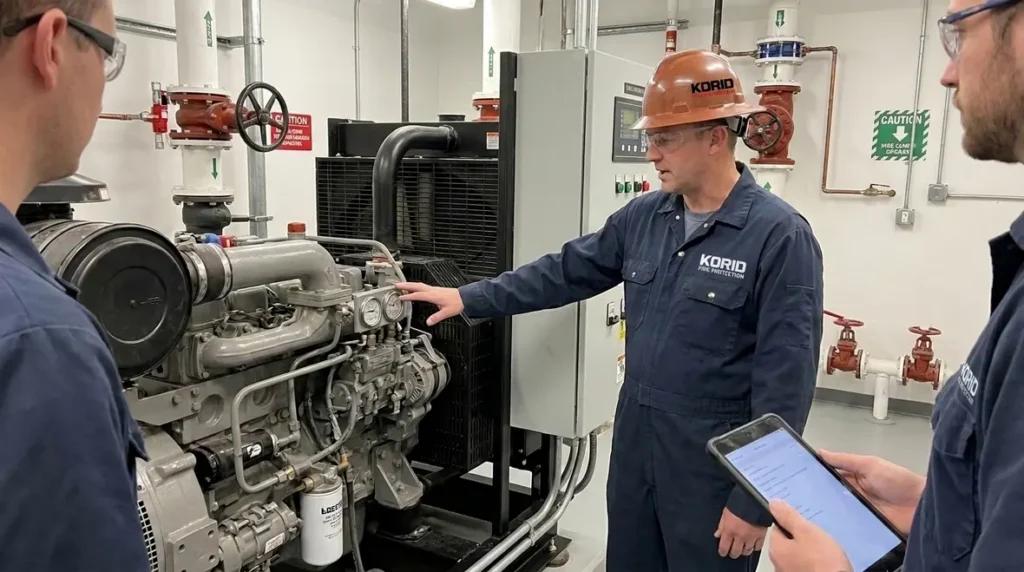
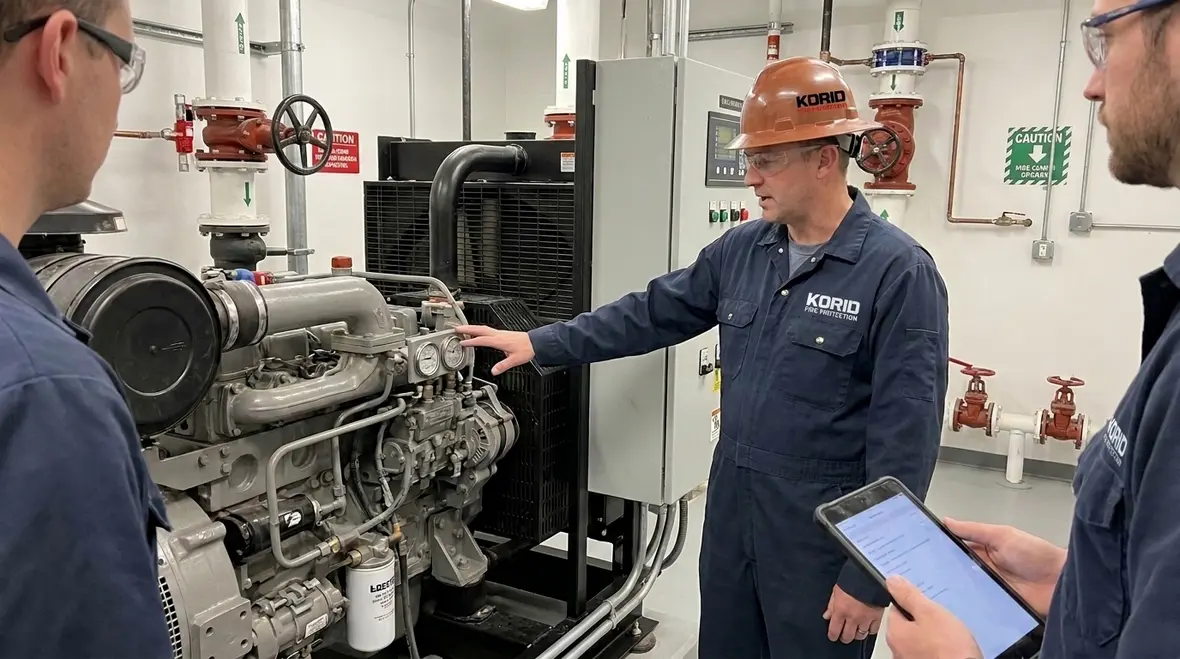
NFPA 37 engine operator training requirements under Section 10.3 aim to ensure that personnel can operate fire protection engines and related starting, control, and monitoring equipment correctly when an emergency occurs. This is not generic “awareness training.” It is duty specific and aligned with the facility’s installed pump engine configuration, controls, and procedures.
Commercial sites often assume that maintenance staff can automatically operate emergency pumping equipment. NFPA 37 Section 10.3 addresses that gap by requiring that operators receive training that supports safe startup, correct control actions, and dependable performance under time pressure. The practical outcome is fewer unsafe operational assumptions, fewer missed alarms, and improved inspection outcomes during Authority Having Jurisdiction (AHJ) reviews.
Training scope under Section 10.3: knowledge and hands on competence
Section 10.3 centers on training that enables the engine operator to perform assigned tasks with competence. In real facility operations, that typically includes understanding how the engine and its fire pump controls are designed to function and what the operator must do during routine testing and emergency demand.
Core operational competencies operators must be able to demonstrate
- Starting and transferring to run mode: Operators should understand the control sequence for starting the engine, verifying run conditions, and applying any required transfer logic between normal and emergency states.
- Control and status interpretation: Operators must correctly interpret engine and pump status indicators, alarms, and supervisory signals that confirm the system is operating as intended.
- Correct response to abnormal conditions: Training must cover what to do when signals indicate faults, low fluids, overspeed protections, or failure to achieve required start parameters.
- Operational checks during testing: Operators should be able to perform and document routine startup tests within the framework of the facility’s testing plan and manufacturer requirements.
- Safe interaction with equipment: Operators must understand safe access, lockout and tagout expectations when applicable, and restrictions around guards, exhaust hazards, and electrical control components.
Why “procedure only” training fails in the field
In many commercial, industrial, and retail facilities, the most common training failure is a reliance on checklists without understanding the equipment behavior. Engine based fire pumps include control logic and protective functions that respond to sensors and limit switches. If operators do not understand what those protections do, they can misinterpret alarms, delay corrective action, or inadvertently reset conditions that affect readiness.
How facilities implement engine operator training for compliance and reliability
Compliance improves when training is implemented as a controlled program rather than an ad hoc activity. NFPA 37 Section 10.3 is best met through documented instruction, competency validation, and a repeatable method for keeping operators prepared as equipment or procedures change.
Recommended implementation practices
- Role definition: Facilities should define which employees qualify as engine operators and which tasks each operator performs during tests and emergencies.
- Training plan tied to installed systems: Training content should reflect the specific engine, controller type, controller menus, wiring arrangements, and alarm and supervisory features present on site.
- Competency verification: Operators should demonstrate required actions during controlled training scenarios that mirror actual operations.
- Documentation: Training records should identify the topics covered, dates, and who conducted or verified training, supporting audit readiness.
- Change management: Any modification to controllers, sensors, instrumentation, engine governor behavior, or operating procedures should trigger retraining or competency refreshers.
Common compliance challenges in commercial settings
Facilities frequently encounter obstacles that undermine readiness even when training is attempted:
- Turnover and mixed responsibility: Operators rotate, and training records become stale while responsibilities remain active.
- Controller upgrades: New control panels introduce different alarms and operating sequences that operators have not been trained to handle.
- Inconsistent test participation: The same individuals do not witness periodic startups, so interpretation skills degrade.
- Deferred maintenance: Equipment that slowly drifts out of readiness can produce nuisance faults, confusing operators during tests.
Maintenance readiness and training: the connection AHJs expect
Training supports safe and correct operation, but operational confidence depends on equipment readiness. If the engine and fire pump system cannot meet performance requirements during routine tests, operator training alone will not resolve the root issue. Commercial fire protection compliance typically expects that maintenance practices align with training outcomes.
Where operators get tripped up most often
- Start failure due to system readiness issues: Low battery capacity, weak starting circuit performance, air system issues, or sensor faults can cause nonstart conditions.
- Fuel supply readiness and quality: Operators should understand how fuel availability and quality can affect starting behavior, run stability, and fault indicators.
- Cooling and lubrication limits: Overheat or low lubrication protections create lockout conditions that operators must respond to using correct procedures.
- Alarm interpretation: Supervisory and fault alarms may indicate a true system condition or a degraded component that needs maintenance attention.
How Kord Fire Protection helps keep training effective
Kord Fire Protection supports facilities by pairing compliance centered inspection, testing, and maintenance with practical field readiness. This approach reduces operator confusion during startup events because equipment performance remains stable, alarms remain meaningful, and documentation stays current for audits. For facilities looking to strengthen the operating baseline that training depends on, Kord Fire Protection provides ongoing technical support aligned with real world operation and inspection expectations.
Learn more about fire pump acceptance testing requirements and how commercial facilities manage reliable readiness for fire protection systems.
Operational procedures and inspection readiness for engine operators
NFPA 37 Section 10.3 training aligns with how facilities conduct periodic checks and how they demonstrate readiness during inspections. Engine operators should be trained to support both routine operational testing and emergency response posture.
What to expect during routine testing and what operators should document
- Pre test readiness: Operators and responsible personnel verify that the engine room or pump area is safe, accessible, and that required protective covers and safety systems remain in place.
- Controlled startup actions: Operators execute the startup sequence consistent with the controller’s design and the facility’s testing plan.
- Observed system response: Operators confirm stable run conditions, normal operating parameters, and that alarm states clear appropriately when conditions normalize.
- Documentation: Operators record results according to the facility’s log requirements so trends can be reviewed and defects can be corrected before they become failures.
How inspection conversations typically go
During AHJ or insurance review, inspectors commonly ask about who operates the system, what training they completed, and whether training remains relevant after equipment changes. They also look for evidence that maintenance is performed to keep the system in a test able and dependable state. Facilities benefit when training records and maintenance documentation support a continuous readiness story.
Frequently Asked Questions
Conclusion and call to action
NFPA 37 Section 10.3 engine operator training requirements protect life safety by ensuring trained personnel can start, monitor, and respond correctly to fire pump engine equipment. Facilities should treat training as a controlled program tied to installed equipment, documented procedures, and ongoing maintenance readiness. Kord Fire Protection can help strengthen the compliance foundation through inspection, testing, and maintenance that supports reliable operation and reduces troubleshooting confusion. Contact Kord Fire Protection to align your training and readiness program with inspection expectations.

Join Our Newsletter!
Get the latest fire safety tips delivered straight to your inbox From our Newsletter.