
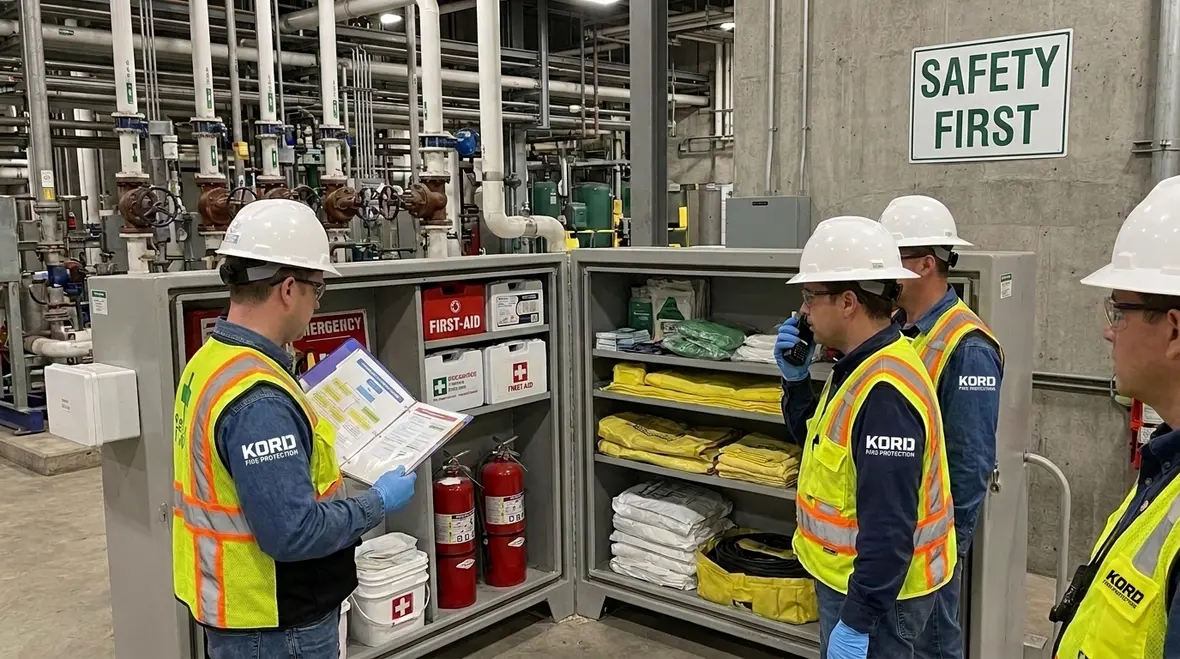
NFPA 35 Section 12.2: Emergency Planning
Quick Answer
NFPA 35 Section 12.2 requires chemical emergency planning that is actionable, maintained, and aligned with facility operations. A complete plan includes written procedures, trained personnel, emergency communications, drills, and coordination with local responders to ensure safe, rapid response.
For facilities tightening readiness around emergency planning, it helps to connect the plan with a broader inspection, testing, and maintenance program so procedures, drills, records, and supporting systems stay aligned instead of wandering off in different directions.
Why NFPA 35 emergency planning requirements plant expectations drive real-world readiness
For facilities that handle processes regulated by NFPA 35, emergency planning cannot remain a document. NFPA 35 emergency planning requirements plant expectations focus on preparedness that works during the first minutes of an incident, including clear roles, effective communications, and procedures that match the hazards on site. Commercial industrial and retail operations with regulated chemical processes must translate written plans into routine training, testing, and equipment readiness.
In practice, most compliance gaps appear when plans are not updated after process changes, training is not verified, or emergency systems are not inspected on schedule. Kord Fire Protection supports ongoing readiness with inspections, functional testing support, and maintenance planning that aligns with commercial facility standards.
What Section 12.2 requires in an emergency plan that works on day one
NFPA 35 Section 12.2 centers on an emergency plan that enables personnel to take coordinated action in response to foreseeable emergencies associated with chemical processes. A compliant plan typically addresses at least these operational elements:
- Written emergency procedures tailored to the facility’s process hazards, including release control actions and protective measures.
- Roles and responsibilities for staff during emergencies, with authority and decision pathways defined.
- Emergency communications methods that remain reliable under incident conditions, including internal notification and coordination with external responders.
- Incident response coordination with fire departments, emergency medical services, and any required mutual aid resources.
- Training and competency to ensure responders can perform their specific tasks without improvisation.
- Drills and exercises to validate the plan, expose weaknesses, and confirm that critical equipment performs as intended.
Commercial facilities often fail these expectations when the plan does not reflect the current configuration of equipment, new chemicals, updated process flow, or revised staffing patterns. Kord Fire Protection can help commercial sites structure maintenance and verification steps that reduce the chance of paper compliance.
Operational procedures: from alarm receipt to controlled response
A strong emergency plan defines procedural steps that a trained team can execute quickly. The plan should align with the facility’s actual detection, alarm, and emergency operating systems so personnel know what to do when notifications occur.
1) Immediate actions and personnel protection
The plan should specify initial actions based on hazard type and severity, including actions that protect personnel and prevent escalation. Typical procedure components include:
- Emergency shutdown steps where applicable, aligned with process controls and safe operating states.
- Evacuation or shelter-in-place criteria that are consistent with the hazard and physical layout.
- Accountability and headcount methods to support safe evacuation and reduce missing-person risk.
- Use of personal protective equipment, with procedures that define who has access and when to use it.
2) Communications that maintain clarity under stress
Emergency communications must function even during power interruptions, abnormal operating conditions, or high noise environments. Plans should define:
- Who initiates external notification and what information they must provide.
- How critical details are conveyed, such as chemical identity, estimated quantities, and location of release.
- How internal alerts are managed so affected teams receive consistent instructions.
3) Coordination with local responders and technical support
Coordination is not a one-time activity. Plants typically need recurring information exchange to ensure responders understand process hazards. This includes:
- Providing current site information such as facility layout, hazard identification, and emergency access routes.
- Ensuring responder guidance aligns with how the site actually operates.
- Incorporating lessons learned from drills into updated procedures.
Kord Fire Protection works with commercial facilities to align emergency readiness practices with real equipment and inspection cycles, helping teams avoid common failure points such as outdated contact lists, mismatched alarm sequences, and deferred maintenance on critical life safety systems.
Inspection and maintenance reality: common compliance failure points
Even when an emergency plan is well written, the facility can still fail during an incident if critical components do not perform as intended. NFPA 35 emergency planning is tightly connected to verification of supporting systems and readiness practices.
Common failure points seen during commercial readiness reviews
- Outdated procedures after process changes, new chemicals, revised equipment locations, or staffing model updates.
- Training gaps where staff turnover or contractor work is not included in required instruction and verification.
- Drills that do not validate equipment because they focus on tabletop discussion only, not operational response.
- Communication breakdowns such as inaccurate muster points, non working notification methods, or unclear escalation authority.
- Deferred maintenance on supporting fire protection and life safety components that indirectly impact emergency response.
Why functional verification matters
Emergency response depends on predictable performance. Facilities should ensure that alarms, emergency operating interfaces, and any relevant protective actions are verified. Maintenance records and inspection results support the plan’s credibility and support regulatory confidence.
For internal documentation and facility planning support, many commercial teams use structured guidance similar to what is found in Kord Fire Protection resources. See Kord Fire Protection for service options that support ongoing compliance, testing, and maintenance planning.
How to build an emergency plan cycle that survives audits and operational changes
NFPA 35 Section 12.2 compliance improves when the plan operates as a management system. A practical emergency planning cycle connects procedures, people, equipment, and documentation.
Recommended continuous improvement workflow
- Hazard and process review to confirm the plan matches current operations, chemical inventory, and process changes.
- Training plan alignment that includes onboarding, role specific drills, and verification of understanding.
- Drill and exercise schedule with scenarios that challenge real conditions and confirm communications and protective actions.
- Documentation update process so drill findings trigger plan revisions quickly and consistently.
- Maintenance integration that ensures supporting equipment and interfaces remain ready and tested.
Commercial facilities including warehouses, mixed use industrial sites, and retail operations with regulated chemical processes should expect frequent change triggers: seasonal staffing, contractor replacements, and equipment retrofits. A resilient emergency planning program treats these changes as events that require documentation updates and readiness verification.
Frequently Asked Questions
Conclusion and Call to Action
NFPA 35 Section 12.2 emergency planning requirements plant expectations succeed when the plan stays current, staff training is verified, and supporting systems are maintained and tested. If your procedures have not been refreshed after process changes, or if drills have not validated operational performance, now is the time to tighten the cycle. Contact Kord Fire Protection to align your emergency readiness and maintenance program with commercial compliance expectations.

Join Our Newsletter!
Get the latest fire safety tips delivered straight to your inbox From our Newsletter.



