
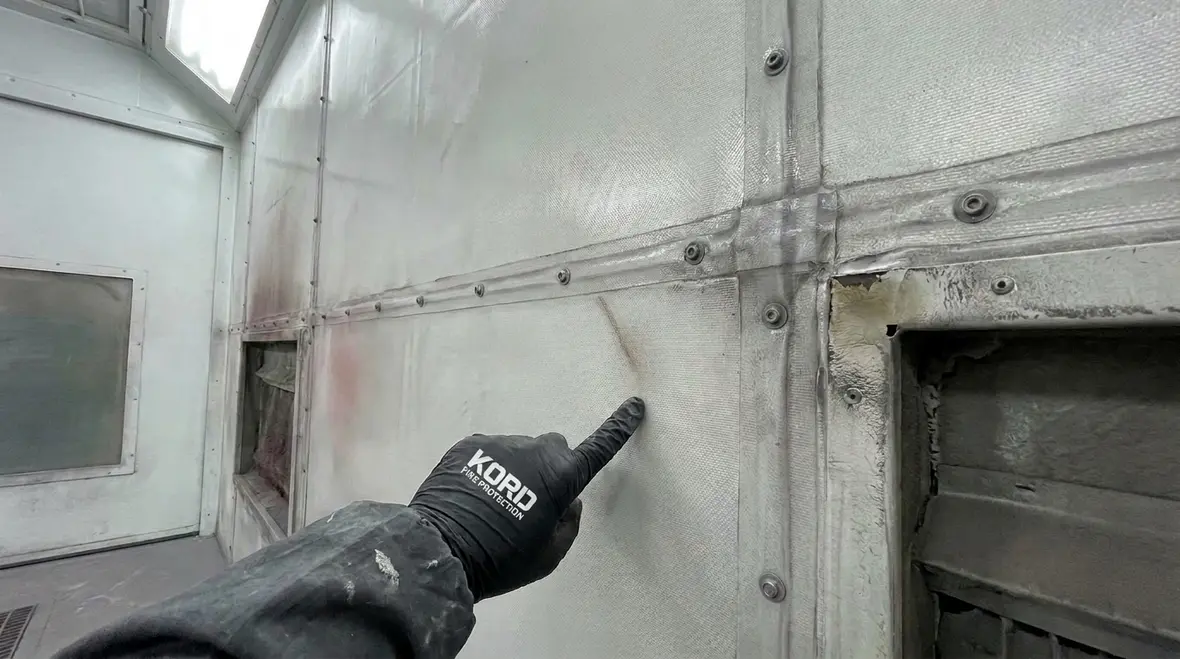
NFPA 33 Section 18.3: Membrane Material Requirements for Spray Enclosures
Quick Answer: NFPA 33 Section 18.3 sets performance and construction expectations for membrane materials used in spray enclosures. It aims to control ignition hazards, maintain containment effectiveness, and support safe, inspectable operation. Compliance depends on correct material selection, installation, and ongoing inspection.
What NFPA 33 membrane material spray enclosure requirements actually control
Facilities that use spray applications must manage flammable vapor, overspray, and ignition sources as a single system. The NFPA 33 membrane material spray enclosure requirements in Section 18.3 focus on the membrane itself because it forms the physical barrier that directs airflow patterns, contains overspray, and supports safe enclosure performance when the system operates continuously and during maintenance.
In practice, compliance fails most often when the membrane material is substituted without verifying suitability, installed with gaps, damaged during filter changes, or not maintained to preserve expected barrier and mechanical integrity.
If your team is tightening its inspection process, a commercial fire safety audit is a practical companion to membrane enclosure review because it brings documentation, site conditions, and corrective action discipline into the same conversation.
Where Section 18.3 fits in the enclosure risk pathway
Section 18.3 does not stand alone. Membrane material requirements connect to upstream and downstream design decisions, including airflow control, filtration strategy, and ventilation interlocks. In a commercial and industrial environment, that means membrane compliance must align with:
- Enclosure airflow and containment intent: The membrane supports predictable air movement and overspray containment.
- Hazard control strategy: The enclosure relies on correct boundary performance to reduce the spread of flammable atmospheres beyond the spray area.
- Inspection and maintenance access: Facilities must be able to inspect seams, attachment points, and surface condition on a scheduled basis.
This linkage matters for retail finishing areas and light industrial workshops as much as it does for large manufacturing lines. The membrane often becomes the most visible wear component, so it should receive the same discipline as filters and ductwork.
That same logic shows up in ventilation control planning too. For facilities coordinating enclosure performance with electrical safety and access, Kord Electric’s guidance on ventilation system control locations helps connect the membrane boundary to the controls people actually need to reach when conditions go sideways.
Key membrane material requirements under Section 18.3: what to verify on-site
Section 18.3 addresses membrane material used in spray enclosures and requires that the membrane perform as intended for safe enclosure operation. Compliance verification typically centers on material identity, installation integrity, and condition over time. A practical inspection workflow should verify the following.
1) Correct membrane material selection and documentation
Facilities should confirm that the membrane material matches the enclosure design basis and that the selected material supports the intended use for spray operations. Correct selection means:
- Material identification: The membrane type used in the enclosure must match the approved configuration or documented design specification.
- Vendor and product documentation: The facility should retain installation and product information used for the original acceptance.
- Change control: Any substitute membrane requires a documented review before installation.
Common failure point: a membrane is replaced during downtime with a “similar” product that does not preserve expected fire performance, mechanical properties, or barrier behavior.
2) Installation quality: seams, attachments, and boundary continuity
Membrane performance depends on boundary integrity. Inspectors and facility teams should verify:
- Attachment method: The membrane must be secured as designed with appropriate fasteners or clamps, without overstressing or tearing.
- Seam continuity: Seams and overlaps must not create persistent gaps or openings where overspray and vapors can escape.
- Penetrations and transitions: Interfaces at doors, curtains, lighting, booth openings, and duct connections must remain sealed and stable.
Common failure point: during installation or later service, fasteners loosen and create small openings that expand over time due to airflow vibration and operational handling.
3) Condition and wear management over the enclosure lifecycle
Membranes degrade with exposure to overspray, cleaning cycles, abrasion from movement, and heat or localized ignition events. A strong program verifies condition against risk:
- Tears, punctures, and abrasion: Any damage that compromises barrier continuity requires prompt repair or replacement.
- Surface buildup and contamination: Overspray accumulation can alter airflow resistance and may indicate ineffective cleaning practices.
- Stiffening, embrittlement, or distortion: Material aging can reduce the membrane’s ability to maintain intended boundary geometry.
Commercial operations often discover this late because membranes appear intact from a distance. Close inspection of edges, seams, and service points should remain a priority.
How to inspect membrane enclosures for compliance: a practical checklist
Inspections should translate NFPA 33 Section 18.3 expectations into field actions that are repeatable. The goal is to confirm the membrane continues to support containment and safe enclosure performance.
Pre-inspection preparation
- Coordinate with production to confirm safe conditions for inspection and access.
- Verify that ventilation and system controls can be observed without bypassing safety features.
- Gather prior maintenance records and any documentation related to membrane replacement events.
On-site inspection steps
- Visual barrier assessment: Examine entire membrane surface, including corners, edges, and overlap regions.
- Attachment verification: Check fasteners, clamps, and anchor points for looseness, deformation, or tearing.
- Integrity checks at transitions: Inspect door interfaces, viewing windows, cable pass throughs, and any penetrations.
- Operational observation: Observe enclosure air movement conditions as the system runs, focusing on signs of bypass or leakage paths.
- Documentation: Record photos, measurements where needed, and specific defect locations to support targeted corrective action.
For facilities that want a disciplined compliance program, Kord Fire Protection can support ongoing inspection planning, maintenance verification, and documentation needed for audits and internal safety reviews. For related guidance on commercial fire protection services, see fire protection services in Southern California.
Common noncompliance drivers in membrane replacement and maintenance
In many facilities, the highest risk period occurs during maintenance and rework. The following issues commonly undermine membrane compliance and safe enclosure behavior.
- Unauthorized membrane substitution: A different membrane product replaces the original without documentation or suitability review.
- Inadequate sealing after service: Crews remove sections for access and fail to restore continuity at seams and transitions.
- Overtightening or improper fastening: Incorrect attachment methods can create stress points that tear the membrane during normal vibration.
- Delayed defect response: Small tears grow, and contaminants build up, reducing containment performance.
- Insufficient training: Maintenance staff may not recognize early failure indicators such as edge lift, fluttering, or localized thinning.
Facilities that treat membranes like a consumable component with clear replacement criteria usually maintain better enclosure performance and reduce unplanned downtime.
Frequently Asked Questions
Call to action: keep Section 18.3 performance defensible
Membrane compliance only holds if the enclosure stays intact from install through ongoing maintenance. Kord Fire Protection helps commercial facilities manage inspections, documentation, and corrective actions so your spray enclosure remains aligned with NFPA 33 expectations. Contact Kord Fire Protection to schedule a membrane enclosure assessment and build a maintenance plan your team can execute confidently.

Join Our Newsletter!
Get the latest fire safety tips delivered straight to your inbox From our Newsletter.



