
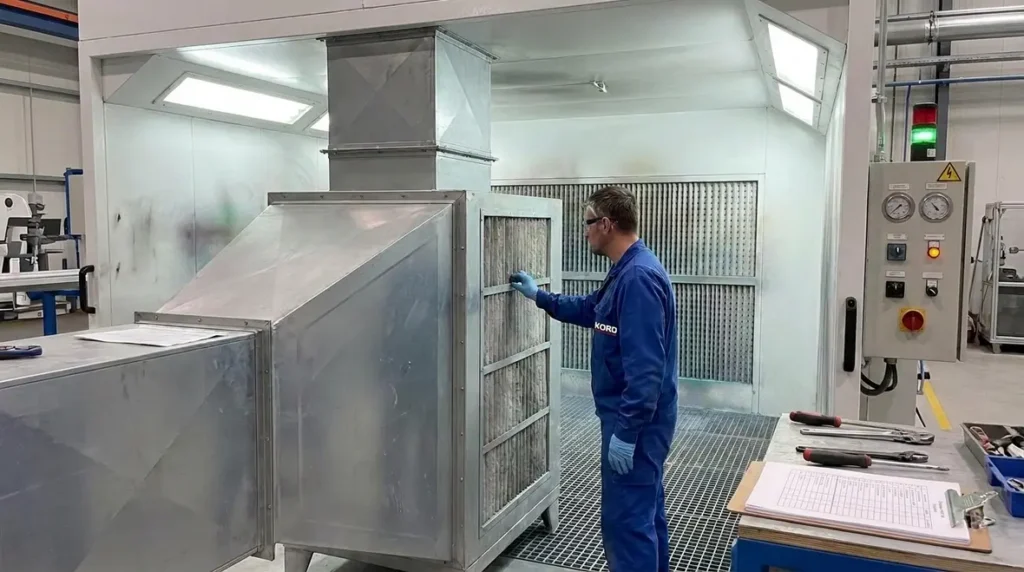
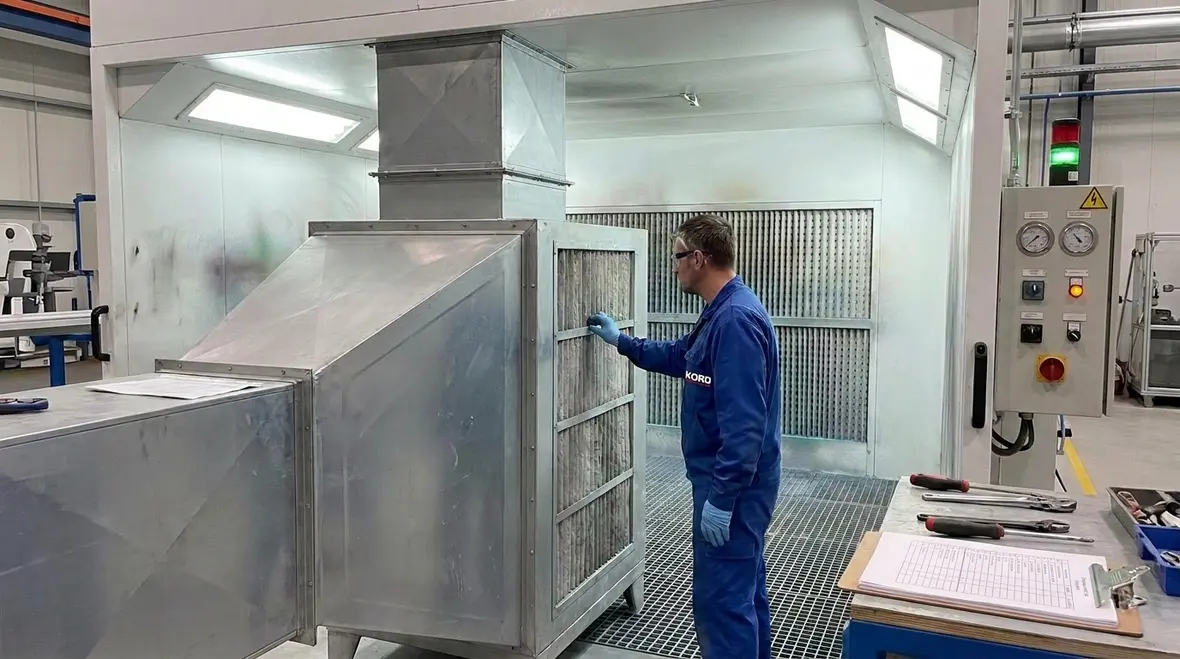
NFPA 33 Section 7.1 General: Ventilation Chapter Overview
Quick Answer: NFPA 33 Section 7.1 sets the purpose, scope, and high level ventilation principles used to control hazardous vapors and residues from spray and related processes. This NFPA 33 ventilation chapter general overview explains what facilities must plan, maintain, and verify to stay compliant.
For a related look at how Kord Fire approaches code-compliant inspections, testing, and preventive maintenance, review their fire protection services near the start of your planning process.
Why Section 7.1 Matters in the NFPA 33 Ventilation Chapter
NFPA 33 ventilation requirements are built on one core objective: controlling ignitable concentrations of flammable vapors and combustible residues produced by spraying operations, handling, and process use. Section 7.1 General establishes the foundation for the ventilation provisions that follow in the chapter. It ties ventilation design, installation, operation, and maintenance to the hazards present in commercial, industrial, and retail facilities that use paints, coatings, solvents, adhesives, or similar materials.
In practical terms, Section 7.1 helps ensure ventilation is not treated as a one time project. It drives ongoing operational control, verification, and corrective actions so that engineered protection remains effective as materials, production schedules, and equipment condition change.
The NFPA 33 ventilation chapter general overview starts with the expectation that facilities will manage ventilation as a safety system, not as a comfort feature. That perspective influences how contractors document commissioning, how maintenance teams schedule inspections, and how safety managers evaluate changes in production.
What NFPA 33 Section 7.1 Covers: Scope, Goals, and Expectations
Section 7.1 General frames the ventilation chapter by clarifying what the ventilation system must accomplish and how it must support safe operation. While the later sections focus on specific methods and performance expectations, Section 7.1 emphasizes planning and controls that ensure ventilation effectiveness during normal use and upset conditions.
Core ventilation goals
- Control vapors and aerosols by removing contaminated air and preventing accumulation in occupied or operating areas.
- Reduce residue hazards by capturing and managing overspray, mist, and deposits that can contribute to ignition sources or persistent fuel loads.
- Support safe operating practices by aligning ventilation operation with process operation, equipment status, and facility layout.
System level expectations
Section 7.1 generally directs facilities to treat ventilation provisions as part of a broader fire and explosion prevention strategy. This includes proper selection and operation of ventilation components, ensuring intended airflow patterns and capture effectiveness, and maintaining the system so it continues to perform as designed throughout the service life.
How Ventilation Systems Are Typically Designed to Meet NFPA 33 Principles
Commercial facilities often face a recurring compliance challenge: ventilation systems look correct at installation but lose effectiveness due to configuration changes, service gaps, and component degradation. A Section 7.1 focused review helps teams anticipate where ventilation engineering intent commonly breaks down.
Common ventilation system components
- Exhaust and air movers that create negative pressure or directed airflow.
- Capture devices such as booths, enclosures, ducted guns, and local exhaust points that pull contaminants at the source.
- Ductwork and dampers that route and balance airflows to maintain required capture.
- Filters and separators that manage overspray and protect downstream components.
- Makeup air strategies that avoid unintended turbulence or vapor distribution issues.
- Controls and interlocks that link ventilation operation to process operation.
Where designers and operators must pay attention
- Airflow balance and capture effectiveness in real production conditions, not just during initial testing.
- Overspray management to prevent residue buildup inside ductwork, plenums, and filter assemblies.
- Operational alignment between spray start, spray stop, and ventilation response times.
- Maintenance access and cleanability for filters, collectors, and duct runs.
For facilities implementing or updating ventilation, a strong commissioning process and documented acceptance criteria reduce future drift. That same discipline also improves ongoing compliance readiness during inspection cycles.
Installation, Operation, and Maintenance: The Compliance Triangle
Section 7.1 General reinforces that ventilation must remain effective over time. In real commercial operations, the most frequent ventilation compliance failures involve maintenance gaps, control issues, and unverified airflow performance after changes.
Installation and acceptance concerns
When duct routes are modified, filters are substituted, or fans are throttled to manage noise, the system can fall out of balance. Installations must ensure airflow paths match the design intent and that components are compatible with the dust, mist, and solvent vapors handled by the process.
Operational controls that commonly cause failures
- Ventilation running without process control can lead to ineffective timing and accumulation at the source.
- Interlocks bypassed for convenience or due to nuisance trips.
- Setpoint drift from control system upgrades or sensor recalibration issues.
Maintenance and inspection priorities
Ventilation performance changes when filters load, ductwork accumulates residue, and fan efficiency declines. Maintenance programs should include:
- Scheduled filter inspections and documented replacements based on loading and performance indicators.
- Residue and buildup checks in ductwork, plenums, and collection components.
- Verification of airflow and functional performance using appropriate test methods for the system type.
- Control and interlock function testing to confirm ventilation response aligns with spray activity.
For practical help aligning ventilation maintenance with commercial facility realities, Kord Fire Protection supports ongoing compliance through inspections, testing coordination, and documentation readiness for industrial and retail settings.
To explore related fire protection services, review Kord Fire Protection for support planning and compliance services.
Common Commercial Failure Points That a Section 7.1 Review Identifies
Many facilities do not fail due to a lack of equipment. They fail due to small, cumulative changes that erode ventilation effectiveness. A focused NFPA 33 ventilation chapter general overview review helps teams locate issues early.
1) Overspray and residue accumulation
Residue buildup can reduce capture performance, increase fire load, and impair downstream separation. Duct systems and collector housings commonly collect material that never gets fully cleaned during routine maintenance.
2) Filter mismatch or extended service life
Substituting filter media without verifying compatibility or extending change intervals beyond loading assumptions can lead to reduced airflow and altered separation efficiency.
3) Duct modifications without performance verification
When facilities reroute ductwork to accommodate layout changes, the system can lose designed flow distribution. Without test based confirmation, capture effectiveness degrades.
4) Control sequence drift
Small changes to timers, setpoints, or interlock logic can create gaps in ventilation response. Those gaps become significant when spraying begins or changes in production introduce new solvent loading.
5) Lack of documented performance evidence
Even properly operating systems can become non compliant from a documentation standpoint during inspections. Clear records of maintenance, testing, filter change history, and corrective actions help establish compliance defensibility.
Inspection Readiness: What Teams Should Document
Facilities preparing for inspections should approach ventilation documentation as a structured system. Section 7.1 General supports the concept that ventilation effectiveness must be demonstrable over time. The most defensible programs show evidence of both physical condition and operational performance.
Recommended records for ventilation compliance
- System description and current configuration including duct routes, capture points, and control logic overview.
- Maintenance logs for fans, filters, collectors, and any cleaning performed on ducting or housings.
- Testing and verification reports that confirm performance after commissioning and after major changes.
- Interlock and control checks showing that ventilation operates as intended with spray activity.
- Corrective action documentation for deficiencies, including root cause and re verification steps.
For many commercial facilities, the simplest path to inspection readiness comes from pairing internal maintenance capability with a service partner that understands fire and life safety documentation expectations. Kord Fire Protection can help coordinate ventilation related compliance tasks and keep programs current across busy production schedules.
Frequently Asked Questions
Next Step: Get Your Ventilation Program Aligned
If your facility uses spraying processes and relies on ventilation as a key safety control, now is the time to confirm system configuration, maintenance effectiveness, and inspection documentation. Kord Fire Protection helps commercial organizations stay compliant through inspection support, testing coordination, and actionable remediation planning. Contact Kord Fire Protection to schedule a ventilation compliance readiness review and reduce last minute inspection risk.
You can also explore related reading on NFPA 33 Section 1.2 purpose and fire explosion prevention in spray operations for added context around how ventilation fits into the larger hazard control strategy.

Join Our Newsletter!
Get the latest fire safety tips delivered straight to your inbox From our Newsletter.



