
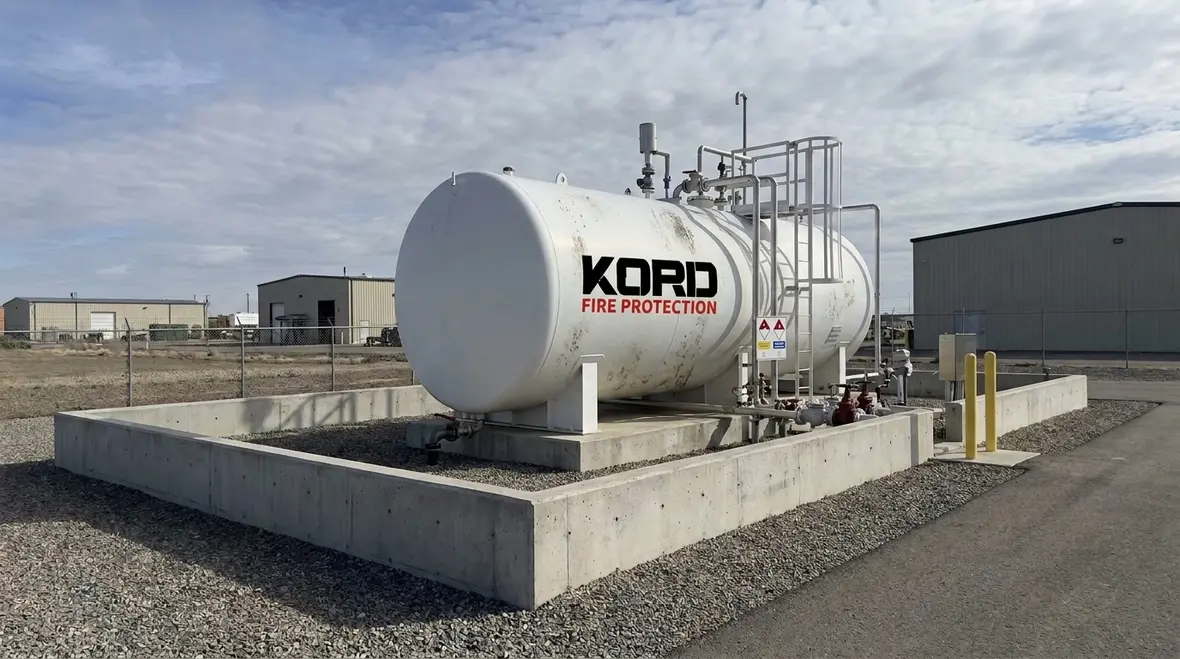
NFPA 30 Section 22.2: Definitions for Aboveground Tanks
Quick Answer
NFPA 30 Section 22.2 definitions aboveground tanks establish how the standard classifies tanks based on location relative to grade and site boundaries. These definitions drive permitting, design, inspection, and emergency response requirements for flammable and combustible liquid storage across commercial and industrial facilities.
If you want a broader practical look at protection strategy for liquid hazards, Kord Fire Protection’s layered fire protection system for flammable liquids is a useful companion near the start of this conversation.
What NFPA 30 Section 22.2 covers in plain terms
NFPA 30 is the foundational safety standard for flammable and combustible liquids. Section 22.2 focuses on definitions, and those definitions matter because they determine which rules a facility must follow for tank construction, siting, safeguards, and ongoing compliance.
In practice, facilities often misclassify storage equipment during upgrades or maintenance planning, especially when tanks are installed on slabs, inside secondary containment areas, or partially elevated. The NFPA 30 Section 22.2 definitions aboveground tanks address these classifications so the rest of the code applies correctly.
For commercial operators, correct classification reduces the risk of nonconforming installations, costly stop works, and repeated inspections. For fire safety teams, it also clarifies what inspection scope, sampling expectations, and impairment controls apply to the tank system.
Where “aboveground” matters for compliance
Once a tank meets the NFPA 30 Section 22.2 definitions aboveground tanks classification, the facility typically must align with a broader set of requirements than it would for other tank types. Those requirements often affect three operational categories:
- Siting and installation: How the tank is placed relative to property lines, buildings, drains, and fire access. Even small changes to elevation, grade, or berm configuration can alter how a tank is treated.
- Protection and safeguards: Fire protection design intent, alarm and detection considerations, venting, and any required suppression or exposure protection elements for the tank area.
- Inspection and impairment management: The facility’s testing frequency, internal and external inspection approaches, and how it documents maintenance to preserve safety features.
Commercial, industrial, and retail sites frequently have shared constraints, such as limited laydown space, ongoing operations during maintenance windows, and strict environmental permit conditions. Those constraints can create “gray zones” during tank modifications, making the definitions critical for safe project scoping.
How facilities typically classify aboveground tanks
NFPA 30 Section 22.2 definitions aboveground tanks hinge on the relationship between the tank and the surrounding grade. Fire safety and compliance teams should treat the classification as a documentation and verification task, not a one time assumption.
Key classification inputs to verify
- Actual installed elevation: Measure tank shell and appurtenance elevations relative to grade at multiple points, not just one location. Uneven ground and settlement can change the practical classification.
- Foundation and containment configuration: Confirm whether any berms, curbs, or containment walls effectively change the “aboveground” condition for code application.
- Construction and assembly details: Verify whether the tank is a true aboveground installation with fittings and piping designed for that service, including venting and spill control components.
- As built documentation: Cross check contractor drawings against site reality. If the as built drawings conflict with the installation, the site configuration usually drives safety outcomes.
Common failure points seen during compliance reviews
- Site changes after installation: Grade changes from landscaping, civil works, or drainage improvements can alter how the tank relates to grade over time.
- “Partial burial” misconceptions: Tanks positioned within containment structures or around grade elevations often get assumed to be non aboveground. A careful field verification typically resolves this.
- Unverified modifications: Retrofitted piping, reworked skirts, or new insulation can affect how a tank presents to inspectors and how safeguards perform.
Operational implications for fire safety management
The practical impact of NFPA 30 Section 22.2 definitions aboveground tanks shows up in day to day controls. Facilities treat aboveground tank areas as active risk zones requiring structured inspection, impairment tracking, and disciplined operating procedures.
Inspection and testing alignment
Compliance is not limited to periodic inspections. A mature program coordinates:
- External condition checks: Look for corrosion indicators, coating breakdown, leaks at flanges, and damaged vent components.
- System interface verification: Confirm that piping supports, valves, caps, and spill containment interfaces match the as designed configuration.
- Fire protection component readiness: Ensure relevant devices for the tank area are accessible, unobstructed, and maintained per the facility’s fire system requirements.
Maintenance and work planning
Maintenance activities often introduce the highest risk of nonconformance. A robust work permit and pre job checklist should include:
- Verification of tank status before isolation and hot work.
- Control of ignition sources and confirmation of compatible equipment.
- Post maintenance verification of leak tightness and restoration of safeguards.
Many commercial facilities also need to coordinate with environmental compliance constraints. That coordination should include the protection of secondary containment effectiveness and spill response readiness.
How to connect definitions to the rest of NFPA 30
Tank definitions serve as the entry point for the rest of NFPA 30’s regulatory logic. A facility should not stop at Section 22.2 labeling. Instead, it should map the aboveground classification to the applicable design and operational chapters.
For broader context on how NFPA 30 regulates flammable liquids, Kord Fire Protection provides practical guidance here: how NFPA 30 regulates flammable liquids.
That mapping improves plan review accuracy, reduces contractor confusion, and supports more consistent inspection outcomes across audits and renewals.
Why commercial sites choose Kord Fire Protection for ongoing compliance
Commercial facility teams often manage multiple risk portfolios, from retail fuel dispensing areas to industrial solvent storage. Kord Fire Protection supports these environments with field based verification, documentation discipline, and practical maintenance coordination.
In aboveground tank programs, Kord helps reduce common compliance friction by focusing on:
- Verification support: Confirming installation details that affect whether a tank meets the NFPA 30 Section 22.2 definitions aboveground tanks criteria.
- Inspection readiness: Ensuring work areas remain accessible, safeguards remain functional, and records support inspection scope.
- Maintenance continuity: Helping teams preserve integrity through change management so upgrades do not create hidden definition conflicts.
When teams align the definition stage with inspection and maintenance workflows, they typically reduce repeat findings and schedule disruptions during regulatory visits.
Facilities that also need broader suppression support can explore Kord Fire Protection’s commercial fire suppression systems and services for design, inspection, testing, repair, and maintenance support.
Frequently Asked Questions
Next step: confirm your aboveground tank classification
If your facility has aboveground tank storage or is planning modifications, Kord Fire Protection can help verify installation details that align with NFPA 30 Section 22.2 definitions aboveground tanks and streamline your inspection readiness. Contact the team to schedule a compliance focused review, identify definition related risks early, and build a maintenance plan that preserves safety features through ongoing operations.

Join Our Newsletter!
Get the latest fire safety tips delivered straight to your inbox From our Newsletter.



