
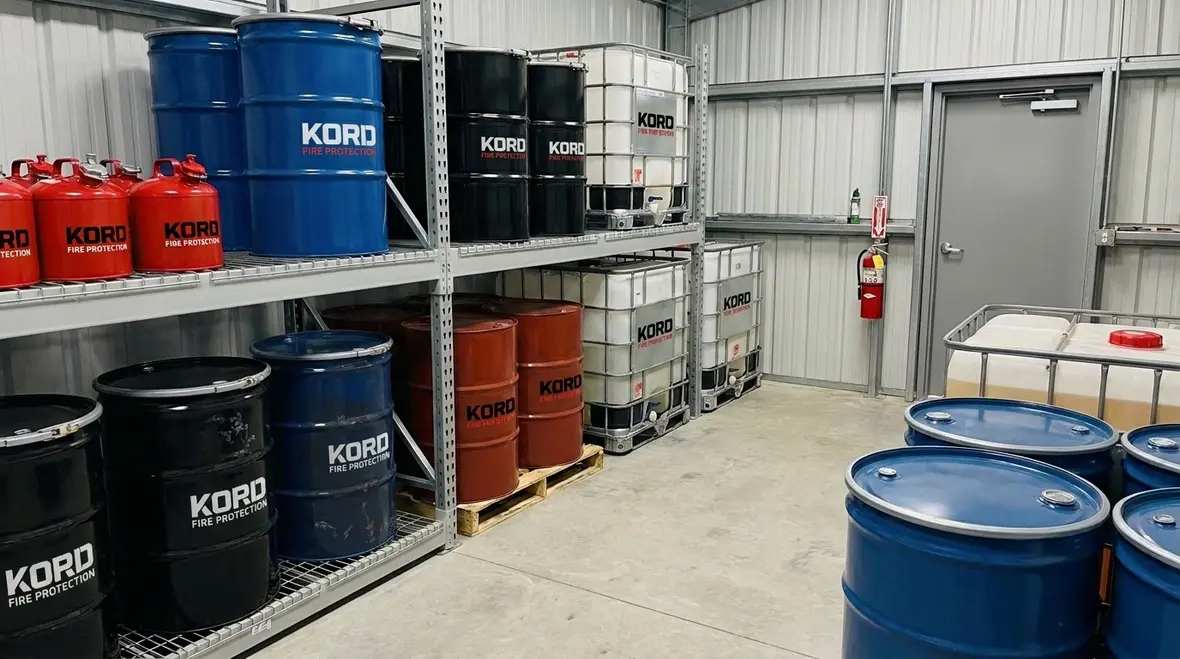
NFPA 30 Section 13.5: Acceptable Containers in Detached Buildings
Quick Answer
NFPA 30 Section 13.5 governs what container types and arrangements are allowed for flammable and combustible liquids stored in detached buildings. Compliance focuses on container suitability, labeling, closure integrity, secure placement, and inspection readiness to reduce ignition and leakage risk.
What NFPA 30 Section 13.5 is really trying to prevent
NFPA 30 addresses flammable and combustible liquid storage as a systems problem. NFPA 30 Section 13.5 acceptable containers detached requirements exist because detached buildings often operate under different access patterns, maintenance cycles, and supervision levels than main production areas. That increases the chance of containers being substituted, improperly stored, poorly maintained, or left with compromised closures.
From a practical compliance perspective, Section 13.5 is not only about the container itself. It also drives how facilities manage container inspection, spill control readiness, and continuity of container integrity over time. Commercial, industrial, and retail sites typically fail compliance when they treat container acceptance as a one time purchasing decision rather than an ongoing inspection and maintenance program.
If your team is also reviewing broader storage practices, it helps to compare this topic with general rules for storing flammable liquids so container condition, placement, and housekeeping stay aligned from day one.
NFPA 30 Section 13.5 acceptable containers detached: key container expectations
Facilities should implement a documented standard that ties procurement to the applicable code language and manufacturer information. In day to day operations, the most important acceptance checks tend to fall into these categories:
1) Suitability of container design for the product
Containers must be compatible with the specific liquid being stored. Compatibility failures often appear gradually as coating degradation, gasket swelling, corrosion, or vapor permeability that increases leakage risk. A container may look intact externally yet fail compatibility internally.
2) Closure integrity and leak prevention
Closures must maintain tightness throughout expected thermal cycles, handling events, and transport within the site. Common failure points include damaged caps, mismatched seals, worn gaskets, and loose closures following routine decanting or temporary transfers. Inspections should include verification that closures remain properly seated after any handling activity.
3) Condition and structural integrity
NFPA 30 Section 13.5 acceptable containers detached expectations align with good container condition management. Facilities should treat dents, bulges, corrosion pitting, rust-through, and cracked or brittle components as immediate nonconformities. A container that passes a visual check once may still fail after additional heat exposure or after minor impact during routine operations.
4) Labeling, identification, and traceability
Detached storage frequently involves transfer from receiving areas. If labeling is missing, illegible, or inconsistent with inventory records, inspections and emergency response become unreliable. In practice, the fastest route to noncompliance is poor traceability. Every container should carry clear identification that matches what the facility stores and what the emergency plan assumes is present.
For a broader overview of how NFPA 30 regulates flammable liquid hazards and storage controls, review: How NFPA 30 regulates flammable liquids.
Operational procedures that keep detached storage compliant
Even when the container type is acceptable, compliance depends on how the containers are handled, inspected, and maintained. Facilities that do not standardize procedures in detached buildings often introduce failures during routine activities such as replenishment, sampling, and housekeeping.
Handling and transfer controls
- Use defined transfer methods that minimize impacts, overfilling, and spillage. Document what “allowed” transfer equipment looks like on site.
- Control decanting and repacking workflows so closures do not remain loosely secured between shifts.
- Prevent cross contamination of containers by enforcing container reservation practices for each liquid type.
Inspection and documentation cadence
A strong inspection program should include:
- Routine container condition checks (corrosion, dents, deformation, cracked components).
- Closure verification (gasket condition, cap condition, tightness, correct seal installation).
- Label and inventory matching checks (quantity, product identity, date where applicable).
- Record retention practices that support audits and incident investigations.
The compliance value is in consistency. Detached storage tends to accumulate “small deviations” over time because fewer people visit the building. A scheduled inspection cadence that includes weekends or shift handovers can reduce this drift.
Housekeeping and spill readiness
Detached buildings often emphasize ventilation and spacing, but failures commonly begin with housekeeping. Small leaks and residue deposits can create ignition and exposure points. Facilities should:
- Maintain spill control materials appropriate for the stored liquids.
- Ensure floors and drainage paths do not collect residues.
- Remove damaged containers from service promptly and isolate them for disposition.
Common noncompliance patterns seen in commercial and industrial sites
Specialist review repeatedly identifies a few recurring gaps. These patterns help facilities focus corrective actions quickly.
Container substitutions without code review
Procurement teams may substitute container suppliers, sizes, or cap styles. If the new container assembly changes gasket material or closure design, compatibility and leak resistance can degrade. Code compliance depends on continuity of the container arrangement, not only the container label.
Deferred closure replacement
Closures often get replaced “later” after minor damage is noticed. The risk rises rapidly once a closure no longer holds seal integrity under temperature variation or vibration from handling.
Inspection fatigue in detached buildings
Detached areas experience fewer daily walk-throughs. That makes them vulnerable to slow, unnoticed deterioration and poor recordkeeping. Facilities should schedule inspections for the detached location as rigorously as for the main operating areas.
Unclear responsibility during maintenance outages
When maintenance takes place, containers may be moved temporarily. Without a documented method for temporary placement and return to compliant storage conditions, containers can end up outside acceptable arrangements. This often leads to noncompliance even though the container itself remains suitable.
How Kord Fire Protection supports ongoing compliance
NFPA 30 Section 13.5 acceptable containers detached compliance works best as a managed program, not a one time checklist. Kord Fire Protection helps commercial and industrial facilities keep detached flammable liquid storage aligned with code intent through practical inspections, documentation support, and maintenance coordination.
Typical value includes:
- Reviewing container acceptance practices against site workflows and operational handling.
- Supporting inspection programs that capture the failure points that show up after routine handling.
- Helping facilities maintain consistent labeling, traceability, and readiness for audit and emergency response.
- Coordinating corrective actions so nonconforming containers do not remain in service longer than necessary.
For commercial sites, these activities reduce downtime risk, improve audit defensibility, and strengthen safety outcomes for staff and contractors working around detached storage.
Frequently Asked Questions
Call to action
Review your detached flammable and combustible liquid container program against NFPA 30 Section 13.5 acceptable containers detached requirements, focusing on closure integrity, compatibility, labeling, and inspection discipline. If you want a defensible compliance baseline and a practical maintenance pathway, contact Kord Fire Protection through kordfire.com.au to schedule a site review and strengthen your ongoing audit readiness.

Join Our Newsletter!
Get the latest fire safety tips delivered straight to your inbox From our Newsletter.



