NFPA 13 Section 26.2 Sprinkler Protection for Plastic Motor Vehicle Components
Quick Answer: NFPA 13 plastic motor vehicle components sprinkler protection is addressed in Section 26.2 to manage heat exposure and water impact on plastic parts in commercial spaces. The section sets when additional shielding or selective sprinkler coverage is required and how design, testing, and documentation flow into ongoing maintenance programs.
Facilities reviewing sprinkler layouts for vehicle-related plastic components should also understand the broader NFPA 13 automatic fire sprinkler system installation overview, since Section 26.2 decisions work best when they are coordinated with the larger system design from the start.
What Section 26.2 Covers
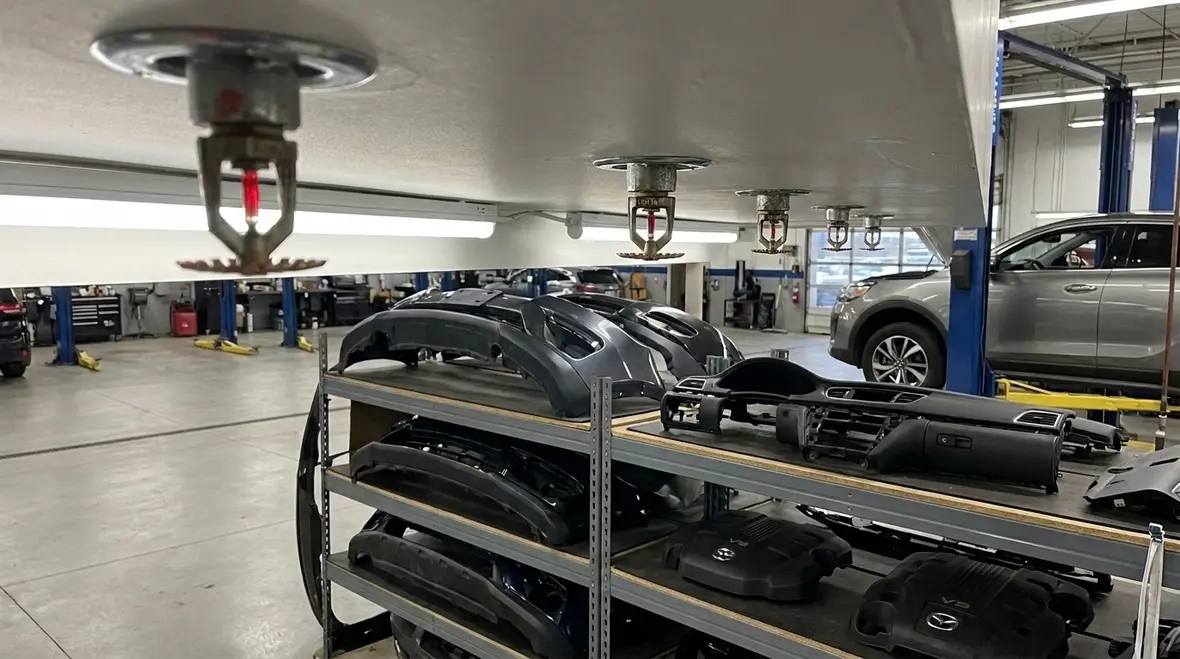
Section 26.2 of NFPA 13 focuses on protecting plastic motor vehicle components from sprinkler heat and spray in commercial facilities such as automotive showrooms, service bays, and parking structures. It outlines when standard protection is sufficient and when enhanced measures are needed to prevent damage to plastic parts while preserving overall fire protection performance. The clause also guides documentation, approvals, and coordination with other code requirements related to plastics in occupied spaces.
Why this section matters in real facilities
On paper, Section 26.2 sounds tidy. In the real world, it lives inside busy buildings where vehicles move, displays change, and plastic components somehow end up exactly where nobody wanted them. That is why clear layout review, hazard evaluation, and documentation matter so much before a small oversight becomes a very expensive surprise.
Design Considerations for Plastic Components
- Identify plastic components most at risk in the protected space, including interior vehicle parts and plastic assemblies in service areas.
- Evaluate ignition risk and heat transfer from sprinkler discharge to plastics and adjacent substrates.
- Select sprinkler types and discharge patterns that minimize direct exposure to vulnerable plastics while maintaining adequate shielding of the hazard.
- Plan for shielding, enclosures, or separation strategies that align with Section 26.2 and existing vehicle handling operations.
- Ensure compatibility with listed protection devices, deflectors, and any required barriers while preserving maintainability.
Coordinating the design with long-term maintenance
A good design is not just about getting through plan review. It also needs to remain serviceable after the ribbon cutting, the tenant fit-out, and the inevitable moment when someone stores something in the exact place the plans hoped would stay clear forever. Maintainability should be part of the design conversation from day one.
Protection Strategies and Installation Approaches
- Implement shielding or enclosure methods around sensitive plastic components to limit direct sprinkler spray in critical zones.
- Use properly oriented deflectors and compatible sprinkler heads to control spray patterns without compromising coverage elsewhere.
- Apply zoning or physical separation to reduce exposure of plastics in high heat areas while keeping egress and access clear.
- In retrofit scenarios, align protection strategies with existing sprinkler infrastructure and verify that new measures do not impede maintenance access.
- Document all protection measures and ensure they are supported by listing, labeling, and supplier data for ongoing verification.
If retrofit work touches pump-supported portions of the system, it is wise to coordinate those changes with a documented inspection and testing plan. That kind of planning pairs nicely with NFPA 25 fire pump testing requirements, especially where water delivery reliability needs to stay sharp during phased upgrades.
Inspection, Testing and Maintenance Implications
Maintenance programs must address the unique challenges of plastic component protection. Regular inspections should verify shielding integrity, absence of obstructions, and proper clearance around protected areas. Functional testing of sprinklers should confirm that coverage remains effective, and hydrostatic or other required tests should be scheduled in accordance with NFPA 25 and project documentation. Thorough recordkeeping supports traceability during audits and future retrofits.
What teams tend to miss first
In many commercial facilities, the first problems are not dramatic failures. They are smaller issues like shifted displays, blocked spray paths, missing documentation, or shielding that looked great on day one and less great after a few busy quarters. Fire protection systems are patient. They wait quietly and then judge everyone at once.
Compliance Challenges for Commercial Facilities
Commercial facilities face practical hurdles such as dynamic occupancy, frequent reconfiguration of showrooms, and variable storage of plastic components. Retrofit projects must balance code requirements with operational needs, tenant turnover, and budget constraints. Coordinating between design professionals, fire protection contractors, and building management is essential to maintain compliance without interrupting business operations.
Partnering with Kord Fire Protection
Kord Fire Protection serves as a critical commercial partner for NFPA 13 26.2 compliance. The team provides design reviews, site assessments, and installation of protection strategies for plastic motor vehicle components. They also deliver ongoing testing, maintenance plans, and documentation updates to support facilities in the commercial, industrial, and retail sectors.
Frequently Asked Questions
Protecting plastic motor vehicle components within NFPA 13 26.2 frameworks requires disciplined design, precise installation, and rigorous maintenance. By integrating shielding strategies with reliable testing and documentation, facilities can uphold safe, code-compliant environments that balance protection needs with operational realities.
Conclusion and call to action: For a comprehensive assessment, design review, and ongoing maintenance plan tailored to your facility, contact Kord Fire Protection. Our team evaluates space use, equipment types, and regulatory requirements to deliver compliant, reliable sprinkler protection for plastic motor vehicle components. Schedule a consultation today to safeguard your commercial, industrial, or retail site and optimize your fire protection program.

Join Our Newsletter!
Get the latest fire safety tips delivered straight to your inbox From our Newsletter.