NFPA 1 Section 12.6 Contents and Furnishings Fire Safety
Quick Answer
NFPA 1 Section 12.6 guides how commercial and industrial sites manage contents and furnishings fire safety. It helps reduce ignition risk, slow fire spread, and protect business operations. For Australian facilities, it also supports stronger planning, testing, and upkeep. Kord Fire Protection can help turn those rules into practical, site ready fire protection.
For sites that want a broader compliance partner near the start of that process, full fire protection services can fit naturally into day to day risk control by connecting inspections, maintenance, testing, and follow up into one practical plan.
What NFPA 1 Section 12.6 means for business sites
NFPA 1 Section 12.6 focuses on how contents and furnishings can affect fire risk inside a building. In plain terms, it looks at what sits inside the space, how it burns, and how quickly it can help a fire grow. That matters a great deal in offices, warehouses, retail stores, plant rooms, and other busy sites where people, stock, and equipment share the same air.
For many teams, the furnishings fire safety NFPA guidance is not just a code note. It is a practical way to lower risk before trouble starts. After all, fire does not care whether the fuel is a pallet, a chair, a display unit, or a stack of archive boxes. It simply takes what it can get.
That is why this section matters beyond paperwork. It asks facilities to think about the real personality of the space. A polished office can still hide a surprising fire load. A tidy warehouse can still build risk if stock, furnishings, and temporary storage begin creeping into the wrong zones. Fire rarely arrives with a drumroll. More often, it finds ordinary materials doing ordinary things in very inconvenient places.
Why the inside of a building changes the risk story
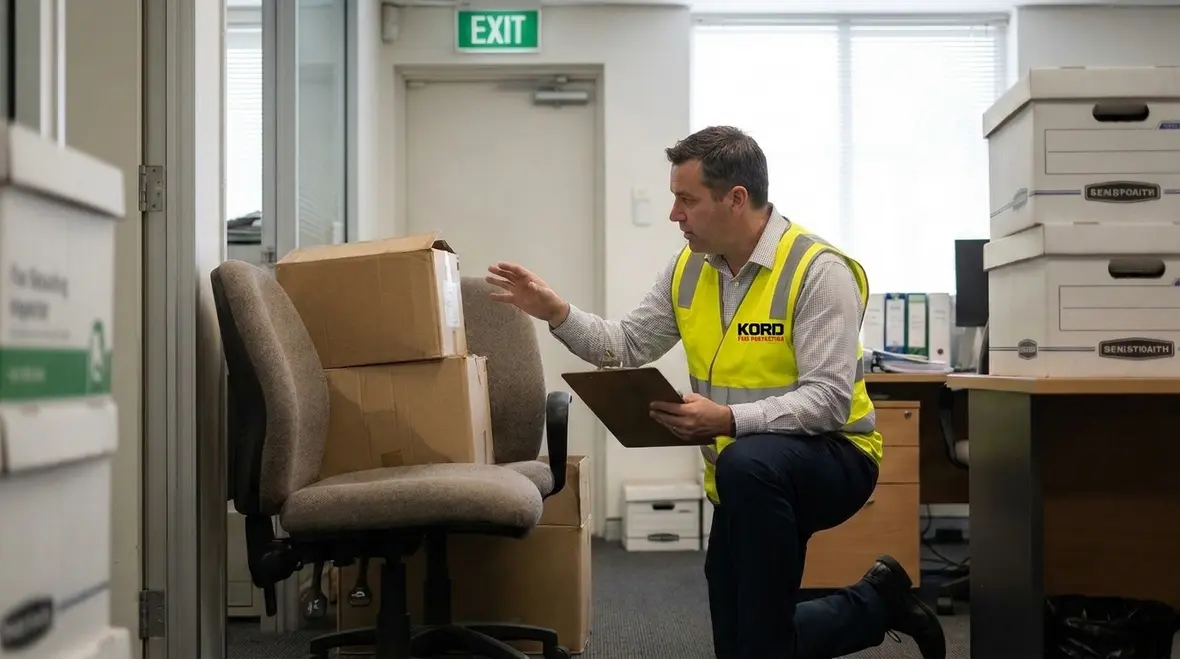
A building shell may meet structural requirements, yet the everyday items inside can still decide how a fire behaves. Contents shape fuel load, smoke production, flame spread, and evacuation conditions. In other words, the room is only as forgiving as the materials people place in it. That makes Section 12.6 less about theory and more about the practical reality of business life.
Why contents control matters in industrial and commercial buildings
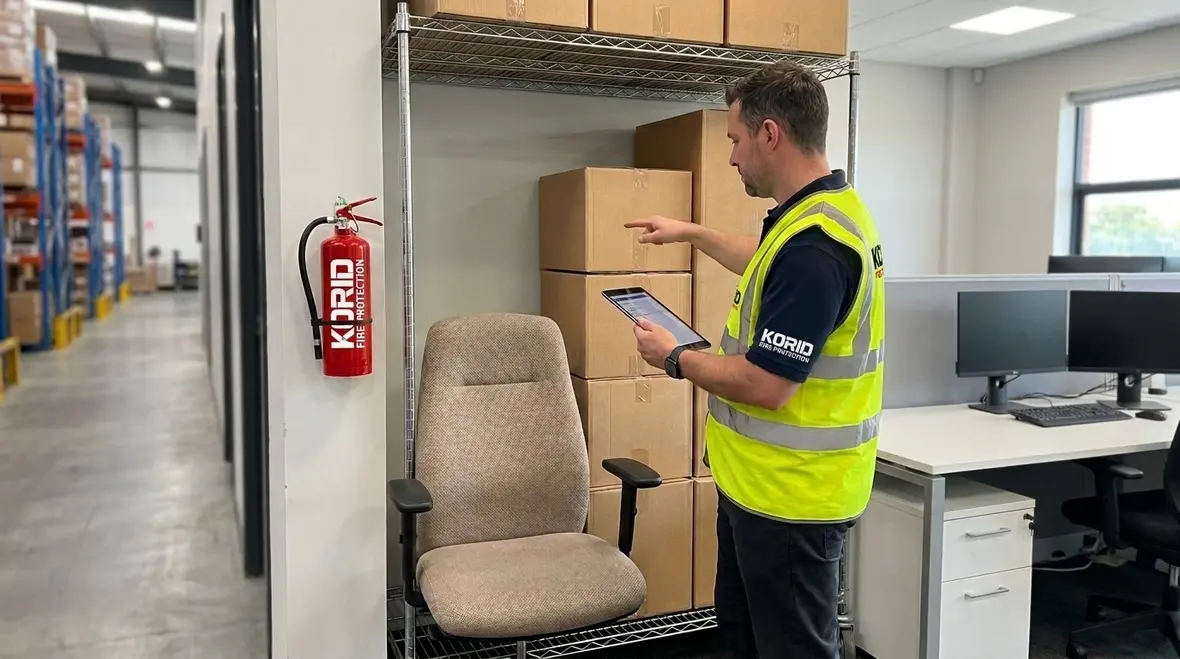
In a commercial space, the real fire load often comes from everyday items. Cardboard packaging, plastics, textiles, upholstered chairs, and stored goods can all feed a fire. Therefore, the building contents fire code approach helps teams look beyond the structure itself and focus on what fills it.
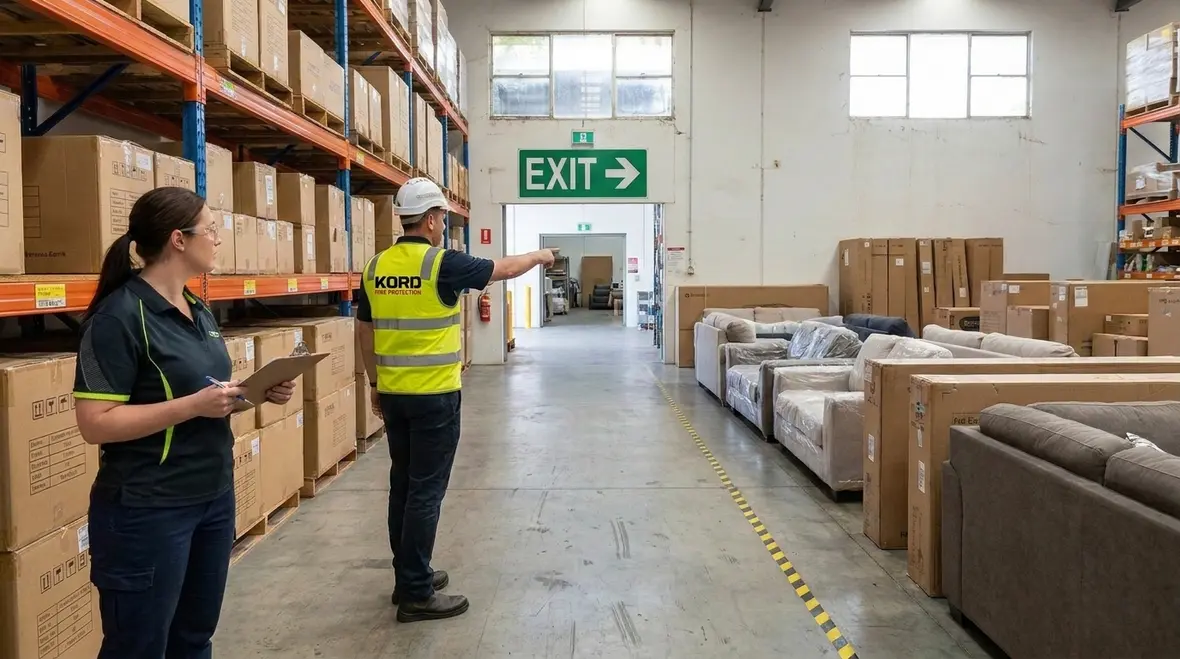
This matters even more in high traffic Australian sites. Retail stores may have seasonal stock surges. Industrial facilities may hold raw materials near production lines. Meanwhile, offices may pack in soft furnishings, decor, and cable runs that add to the load. Each of these can influence how fast a small incident becomes a major event. No one wants a paper tray doing a dramatic cameo in a fire scene.
Contents control also protects continuity. A site may survive a minor ignition event structurally, yet still suffer major downtime if smoke, flame, or heat moves quickly through stored goods and furnishing heavy areas. The smarter approach is to reduce the chance of rapid spread before any alarm has to prove itself.
Common trouble spots teams tend to miss
Overflow stock near exits or switchboards
Temporary displays that quietly become permanent
Soft seating added to waiting areas without risk review
Cardboard and plastic packaging collecting near plant rooms
Stored items pushed closer and closer to heat producing equipment
What Section 12.6 asks facilities to manage
Section 12.6 pushes a site to think about placement, selection, and control of contents. It is not only about buying fire resistant items. It also includes how items are arranged, stored, and maintained. As a result, the safest product can still become a problem if it sits too close to a heat source or blocks a path.
Key areas usually include:
Managing combustible contents so they do not build up without control
Choosing furnishings that reduce flame spread where suitable
Keeping exit paths clear and usable
Maintaining safe storage around electrical and hot work areas
Reviewing fit out changes that may alter fire risk
Because risk changes over time, a once safe layout can drift into trouble. A new tenant fit out, a fresh storage rack, or a clever new display can quietly rewrite the fire story. The building never forgets; it just waits for someone to notice.
A practical way to review the space
A useful review starts with simple questions. What in this room burns easily. What has been added since the last layout check. What sits near power, heat, or access routes. What would happen if staff had to move through this space in low visibility. That kind of review keeps fire safety anchored in reality rather than buried in forms.
Teams can also connect this thinking to broader prevention planning by reviewing NFPA 1 fire prevention and safety guidance as part of a more complete site strategy.
How upholstered furniture fire protection reduces spread
Soft seating and upholstered items need close attention because they can ignite and spread flame faster than many hard surfaces. That is why upholstered furniture fire protection plays such a strong role in public areas, staff rooms, waiting spaces, and hospitality linked facilities.
When a site uses suitable products and keeps them in good condition, it can slow flame growth and protect escape time. However, the real win comes from pairing good product choice with good placement and routine checks. A fire safe lounge chair still needs room to breathe, not a stack of brochures, a charging cable, and a random box of mystery parts.
Wear and tear matters too. Torn fabric, exposed foam, after market covers, and poorly placed chargers can all undermine the benefit of a better furnishing choice. In many businesses, these little changes arrive slowly enough to feel harmless. Then one day the area is carrying far more risk than anyone remembers approving.

Small placement choices that make a big difference
Keep soft seating clear of heaters and high load electrical points
Avoid letting brochures, cartons, or bins gather around lounge areas
Inspect upholstery condition during routine site walks
Review waiting and break areas after refurbishments or tenant changes
How Kord Fire Protection supports compliance and safety
Kord Fire Protection can become a vital partner because it helps facilities move from rule reading to real world action. Many teams know the standard in theory, yet daily work gets busy and details slip. That is where expert support makes the difference.
Kord Fire Protection can assist with:
Site reviews for contents and furnishings fire risk
Practical guidance for safer material selection
Checks on storage and layout that affect fire spread
Ongoing maintenance support for fire protection measures
Advice that aligns safety goals with business operations
For industrial, retail, and commercial sites across Australia, this support helps reduce guesswork. It also helps facility teams avoid costly delays, compliance gaps, and the sort of fire risk that turns a normal Monday into a very expensive plot twist.
The value is not just technical. It is operational. A strong fire protection partner helps teams keep inspections, layouts, maintenance, and documentation moving together so one weak link does not undo the whole effort. That kind of coordination is usually much cheaper than learning the lesson the dramatic way.
Dual column view: simple risk focus and action focus
Risk focus
High fuel load from stock and furnishings
Upholstered items can spread flame quickly
Blocked paths slow evacuation
Fit out changes can raise danger
Action focus
Set limits on storage and review layout often
Choose safer products and keep them away from heat
Keep exits, aisles, and access routes clear
Review changes before they go live
How Australian facilities can apply the standard day to day
Facilities across Australia can use the ideas behind NFPA 1 Section 12.6 to build stronger fire plans without making operations clunky. First, they can review what materials sit in each area. Then, they can check whether any item increases the fire load or blocks safe movement. After that, they can add checks into routine inspections so the plan stays alive, not just filed away in a folder nobody opens until something goes wrong.
Training also matters. Staff should know why contents control matters, where risks hide, and who to contact when a layout changes. In addition, managers should review fit outs, refurbishments, and seasonal display changes before they become permanent hazards. That is how good fire safety becomes part of the workflow instead of a last minute scramble.
The strongest sites tend to build simple habits rather than heroic one time cleanups. Weekly walks, clear ownership of storage zones, sensible purchasing choices, and regular review of furnishing heavy spaces go a long way. Fire prevention usually looks boring right up until the day boring turns out to be brilliant.
FAQ
Final take on contents and furnishings fire safety
NFPA 1 Section 12.6 gives facilities a clear path to lower fire risk through smarter control of contents and furnishings. For Australian businesses, that means safer people, better operations, and fewer surprises. Kord Fire Protection can help turn those requirements into action, with support that keeps safety practical, compliant, and ready for the real world.
If the site wants stronger protection, now is the time to act. Better storage control, smarter furnishing choices, and consistent review habits can make a real difference long before an emergency ever tests the building. That is the kind of quiet win every facility should be happy to keep.

Join Our Newsletter!
Get the latest fire safety tips delivered straight to your inbox From our Newsletter.