NFPA 1 Section 1.14 and Certificate of Fitness Fire Safety
Quick Answer
NFPA 1 Section 1.14 sets the stage for certificates of fitness for fire safety by requiring people in key fire protection roles to show proper training and competence. In plain terms, it helps prove that the right person is handling the right job. For facilities across Australia, this can support safer operations, cleaner compliance, and fewer surprises when auditors show up.
Fire safety is never just about alarms, hoses, and well placed exit signs. It also depends on people who know what to do when a system needs testing, a fire watch must be kept, or a shutdown could affect life safety. That is where certificate of fitness fire safety, NFPA fire competency certification, and fire safety operator certification come into play. These credentials help show that workers can handle fire related tasks with care and control. For industrial, retail, commercial, and facilities teams across Australia, that matters more than a tidy clipboard and a confident nod.
When a site needs broader support with compliance, training, and fire system oversight, Australia fire protection support from Kord Fire Protection can become a vital partner. Their role can help businesses align people, process, and fire safety duties so the site does not rely on guesswork. After all, fire compliance is not the place for improv theatre.
Understanding NFPA 1 Section 1.14 in Practical Terms
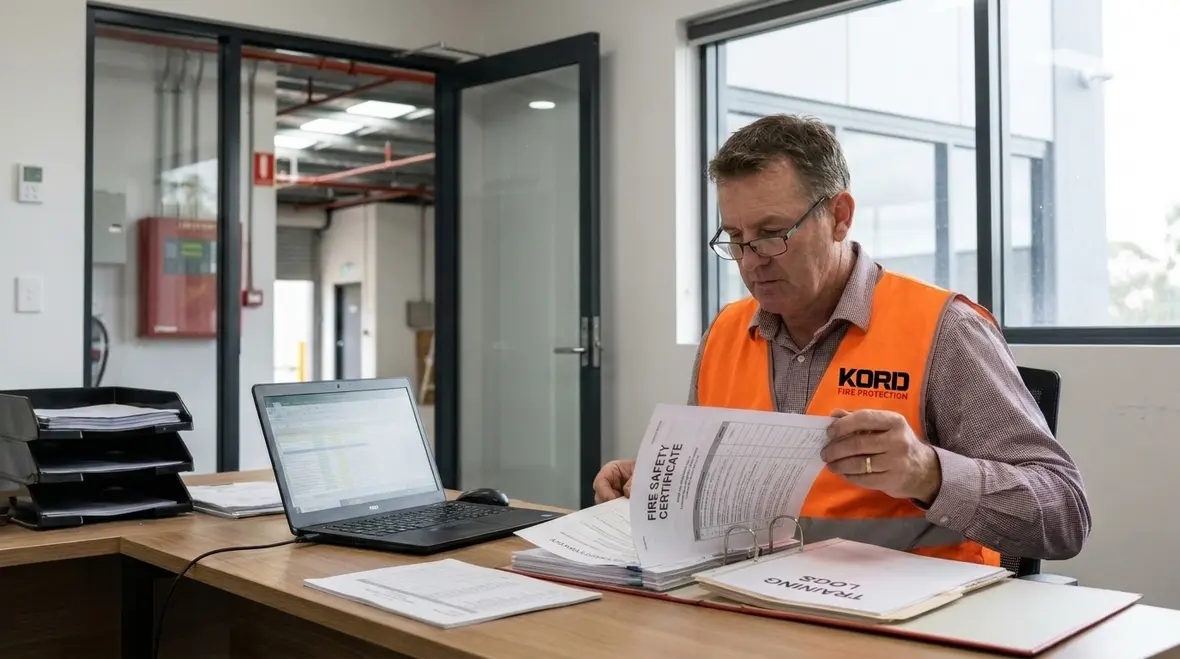
NFPA 1 Section 1.14 focuses on certificates of fitness for fire safety by linking fire duties to proven competence. In simple language, it says a person should not perform certain fire safety work unless they have the right knowledge, training, and approval. This approach protects people, property, and business continuity. It also reduces the chance that a minor issue becomes a major incident with a very bad day attached.
For facility leaders, the main idea is clear. If a task affects fire protection, then the worker handling it should understand the system, the risk, and the correct response. That applies to high risk maintenance, emergency procedures, and activities that need a trained operator. As a result, the site gains stronger control and better proof of due diligence.
Why this matters on real sites
A fire system can be technically sound and still be poorly managed if the person touching it does not understand what they are doing. That gap is where problems begin. A missed impairment notice, a delayed response to a panel fault, or a poorly managed shutdown can turn an ordinary maintenance issue into a full blown operational mess. Section 1.14 pushes against that risk by tying responsibility to capability, not optimism.
That is also why articles like NFPA 1: A Comprehensive Guide to Fire Prevention and Safety are useful references. They help frame the broader code intent around prevention, readiness, and practical control instead of treating compliance like a paperwork scavenger hunt.
Why Certificates of Fitness Matter for Australian Facilities
Across Australia, compliance teams often deal with a mix of local codes, insurer expectations, and internal safety rules. Therefore, a certificate of fitness fire safety system can help bring order to that mix. It shows that staff are not just assigned a duty because they were available that morning. They are qualified to do the job.
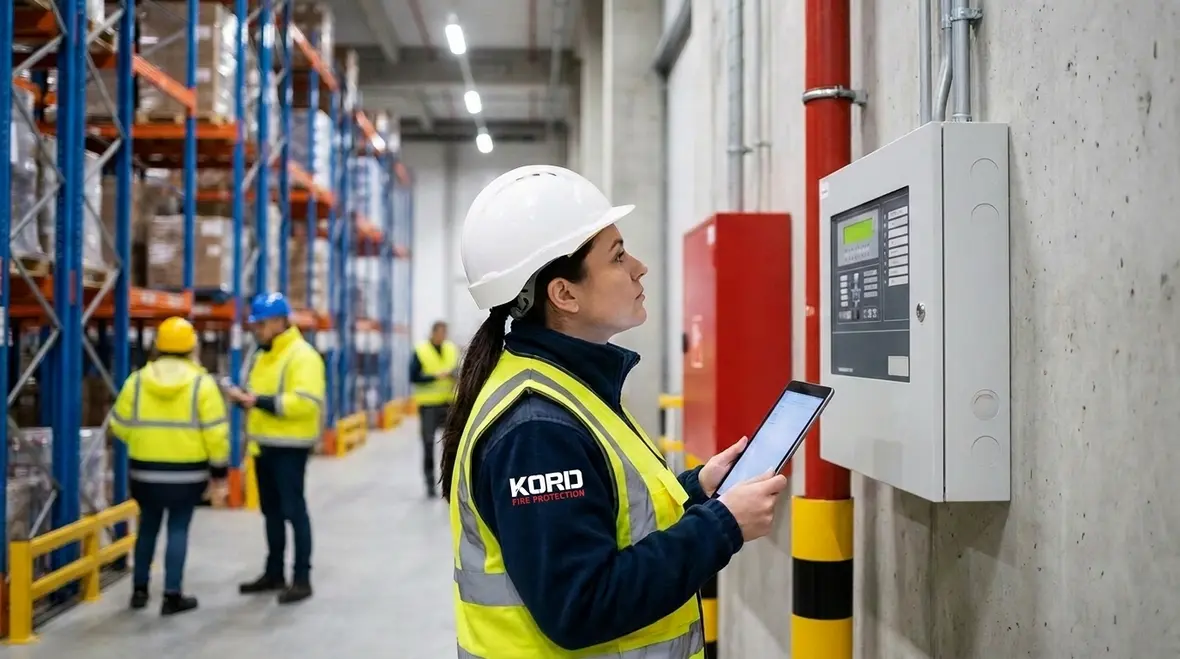
For industrial plants, retail centres, warehouses, hospitals, and office sites, the value is direct. Trained people can respond faster, spot problems sooner, and avoid unsafe work around critical fire assets. In addition, a fire safety operator certification can support smoother inspections, better records, and less disruption during planned maintenance or emergency drills.
There is also a quiet operational benefit that does not always get enough attention. Competent fire safety operators usually communicate better across teams. Maintenance, operations, contractors, and management all get clearer information when the person in the middle knows the language of the system and the seriousness of the risk. That saves time, reduces confusion, and keeps unnecessary panic from spreading faster than the actual problem.
Not every facility has the same risk profile
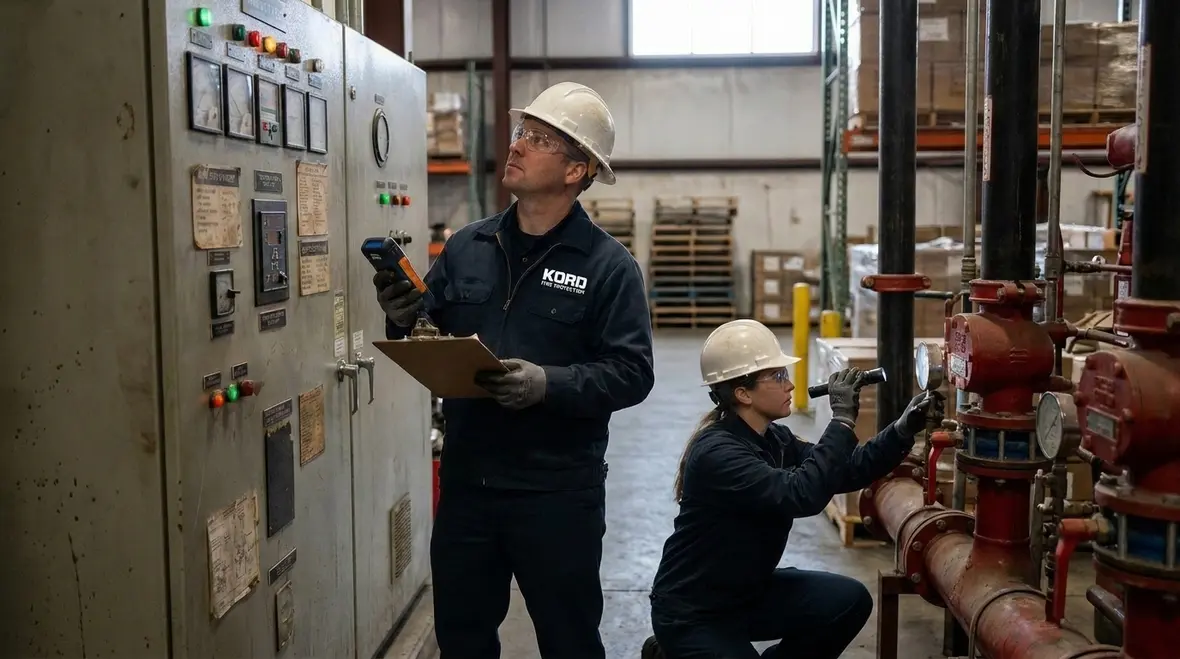
A distribution centre with high rack storage, a shopping centre with public occupancy, and a hospital with life dependent systems do not face the same fire challenges. Yet each still needs competent people in roles that affect alarms, suppression, emergency procedures, and system availability. A good certification pathway recognises that real world difference and supports duties that match the site, not a generic fantasy version of it.
How the Qualification Process Supports Compliance
A strong fire competency program usually includes training, assessment, refresher learning, and documentation. Moreover, it should match the real duties on site. A person who manages fire pumps, fire panels, or hot work controls needs more than theory. They need hands on understanding and a clear process to follow when conditions change.
The qualification process also makes compliance easier to defend. If an auditor, insurer, or internal reviewer asks who was responsible for a task, what they were trained to do, and how the site verified competence, the records should answer without drama. Good documentation is not glamorous, but neither is explaining preventable gaps after the fact.
| Site Need | What Certification Helps Prove |
| Fire system operation | The person can manage equipment safely and respond to faults |
| Emergency support | The person understands site procedures and life safety steps |
| Maintenance oversight | The person knows when a system needs service, isolation, or escalation |
| Audit readiness | The site has records that show competence and training |
As a result, the site does more than meet a rule. It builds a safer day to day routine.
What a better process usually includes
Role specific training tied to actual fire safety duties
Practical assessment instead of theory alone
Refresher intervals that keep knowledge current
Clear records that support inspections and audits
Escalation procedures for impairments, faults, and shutdowns
Each of those pieces strengthens the site’s ability to act predictably under pressure. That is the whole point. Fire safety should not depend on memory, luck, or whoever happens to be near the panel when it starts beeping like it has opinions.
Where Kord Fire Protection Adds Real Value
Kord Fire Protection can support facilities by connecting technical fire safety knowledge with practical site needs. That matters because compliance often breaks down in the middle, where policy meets reality. A site might have good equipment but weak training. Or it may have trained staff but poor records. Kord can help bridge that gap.
They can become a vital partner by assisting with fire system awareness, maintenance planning, competency support, and compliance guidance. In addition, they can help businesses build a clearer path for staff who need certificate of fitness fire safety support or related fire safety operator certification. That kind of help keeps the site calmer, safer, and easier to manage. And calm, in fire safety, is worth its weight in gold.
For facilities working through broader modernization, compliance handoffs, or system coordination issues, related planning around fire protection system upgrades for modernized facilities can also support the same outcome: the right systems, the right documentation, and the right people operating them with confidence.
Why Competency Is More Than a Checkbox
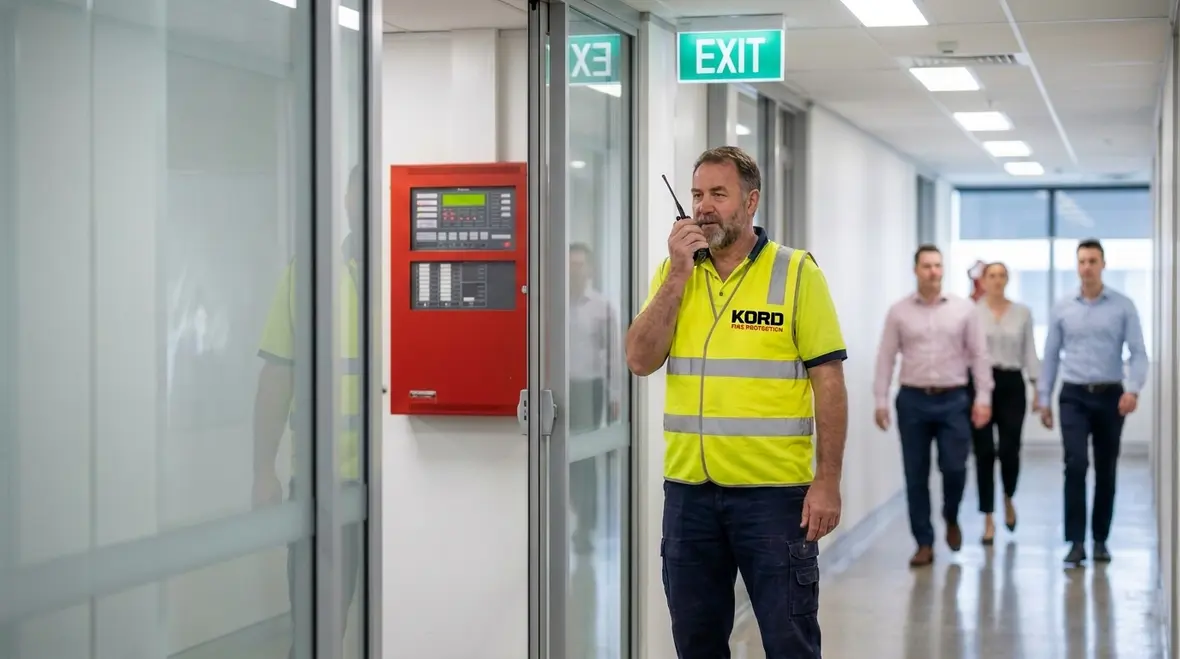
Some businesses treat certification like a badge for the wall. However, real competency should change how a person works. It should affect how they inspect equipment, report faults, and act during an emergency. Therefore, the goal is not paperwork for its own sake. The goal is safer performance under pressure.
When a team understands NFPA fire competency certification principles, it can reduce confusion during critical moments. That means less delay, fewer errors, and better control when the pressure rises. And yes, fire safety rarely sends a calendar invite before it turns up.
Competency also shapes culture. When teams know that fire related roles are assigned intentionally and supported properly, the site tends to take those roles more seriously. People ask better questions. Faults get reported sooner. Handover notes improve. The overall result is not just compliance on paper but steadier behaviour across the operation.
The human factor behind fire protection
Fire systems are built hardware, but fire safety is lived by people. Someone has to recognise an issue, follow procedure, make a decision, and communicate clearly when time matters. That human layer is exactly why certificates of fitness and operator certification matter. They help prove the person in the role is there for a reason, not because they once found the right cupboard key.
What Leaders Should Ask Before Choosing Support
Facility managers should ask a few simple questions before choosing fire safety support. First, does the provider understand the site type and its risks? Second, can they help with both equipment and people? Third, do they offer practical guidance that fits operations instead of forcing a one size fits all plan?
For multi site businesses, those questions matter even more. A distribution centre, shopping complex, and office tower do not share the same fire profile. Therefore, the support model should adapt to the site, not the other way around. That is where Kord Fire Protection can stand out as a reliable partner with both technical depth and practical follow through.
A short decision checklist
Does the provider understand your occupancy and operational risk?
Can they support training, records, and system related responsibilities together?
Will their advice fit your workflows, contractors, and maintenance reality?
Can they help create a repeatable process instead of a one off fix?
If the answer to those questions is yes, the site is usually in a much better position to build a competency framework that survives staff changes, inspections, and the occasional unexpected curveball.
FAQ
Conclusion
NFPA 1 Section 1.14 reminds facilities that fire safety depends on capable people, not just equipment. For Australian businesses, the right certification supports safer operations and stronger compliance. Kord Fire Protection can help guide that process with practical support and technical know how.
For sites ready to tighten control and improve fire readiness, the next step is clear: speak with a trusted fire safety partner and build competence that stands up when it counts. It is a smarter way to protect people, property, and the kind of Monday no one wants to remember forever.

Join Our Newsletter!
Get the latest fire safety tips delivered straight to your inbox From our Newsletter.