NFPA 16 Section 7.6 Foam Water Sprinkler Spacing
Quick Answer
NFPA 16 Section 7.6 sets the rules for sprinkler spacing and location in foam water sprinkler systems so foam reaches the hazard fast and evenly. The right layout helps control fire spread, reduce loss, and keep compliance on track. If your facility needs a system review or a tailored upgrade, fire suppression system services can help turn spacing rules into practical protection that actually works when it matters most.
NFPA 16 Section 7.6 matters because foam does not work well when sprinklers sit in the wrong place. In simple terms, NFPA 16 sprinkler spacing, foam water sprinkler placement, and the fire suppression sprinkler layout all shape how well the system performs when a fire starts. In warehouses, plants, fuel areas, and busy commercial sites, the spacing must support even foam discharge across the full hazard area. If the layout misses the mark, the system may look ready on paper but fall short in a real event. And that is one problem nobody wants to meet before morning tea.
This section of the standard gives a clear path for placing sprinklers so foam can blanket the hazard with speed and balance. It covers where sprinklers should sit, how far apart they should be, and how their location affects coverage. These details matter every day in storage, processing, retail back of house, and high risk service areas. The right spacing supports fire control, limits waste, and helps the system do what it was born to do.
What NFPA 16 Section 7.6 Means in Practice
Section 7.6 focuses on the physical arrangement of foam water sprinklers. It asks a simple question with serious weight: can the system place foam where the fire will grow? To answer that, designers must look at hazard size, ceiling height, obstructions, and the type of fuel in the space. As a result, the sprinkler pattern must suit the room, not just fill a page in a drawing set.
In many industrial and commercial settings, the fire load changes from one area to the next. A loading dock may need a different layout from a packaging room. Likewise, a retail stock zone may need different coverage from a plant room. Therefore, the spacing rules help prevent dead zones where foam cannot reach well. That is where good design earns its keep.
Why the arrangement matters more than people think
Many people hear the word spacing and picture a tape measure, a ceiling grid, and someone squinting at a set of plans. That is part of it, but Section 7.6 is really about performance. A foam water system only earns its place if the discharge reaches the hazard quickly, spreads evenly, and supports control before the fire gets ideas above its station. A poor arrangement can create gaps, uneven application, or delayed coverage exactly where the system should be strongest.
That is also why this topic pairs naturally with broader NFPA 16 standard guidance. Spacing is not an isolated rule floating in space. It works with discharge criteria, hazard analysis, inspection routines, and the practical realities of the protected area. When the layout is handled properly, the rest of the system has a much better chance of doing its job without theatrics.
How to Understand Foam Water Sprinkler Placement for Your Site
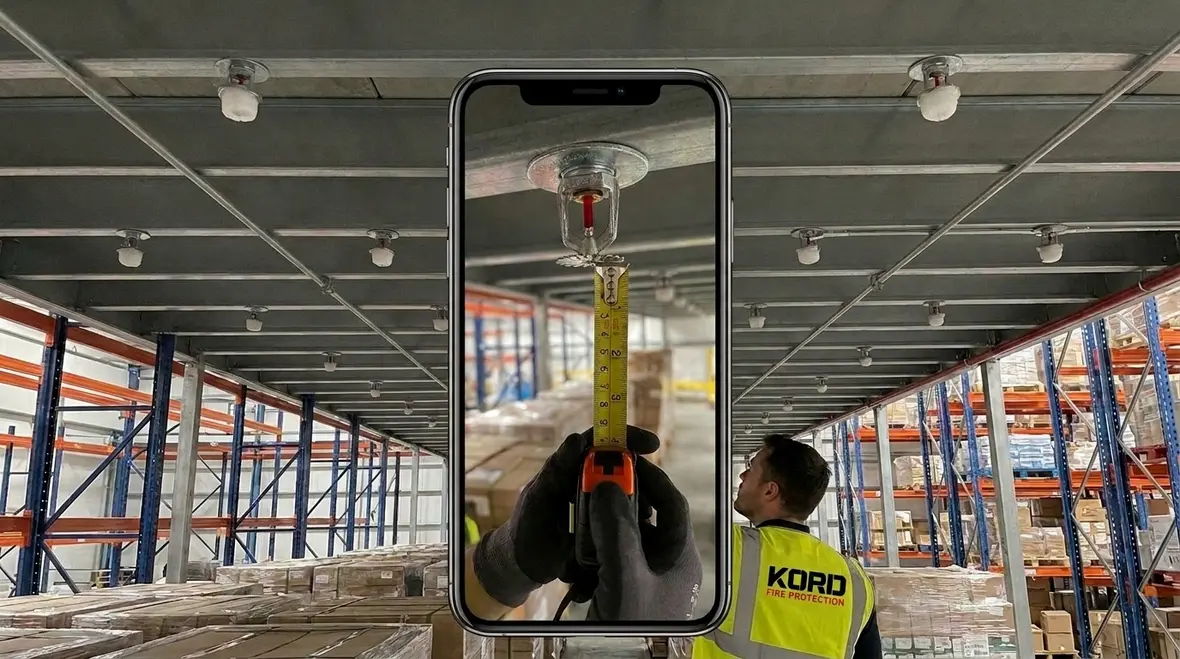
Foam water sprinkler placement starts with the hazard, not the hardware. First, the designer studies the floor plan and the fuel type. Then the sprinkler heads are placed to give clean and even coverage across the area. The goal is not to crowd the ceiling with fittings. Instead, the goal is to create a layout that delivers foam with steady reach and proper overlap.
- Coverage must match the hazard area so foam does not miss key zones.
- Spacing must support even discharge so one part of the room does not get more foam than another.
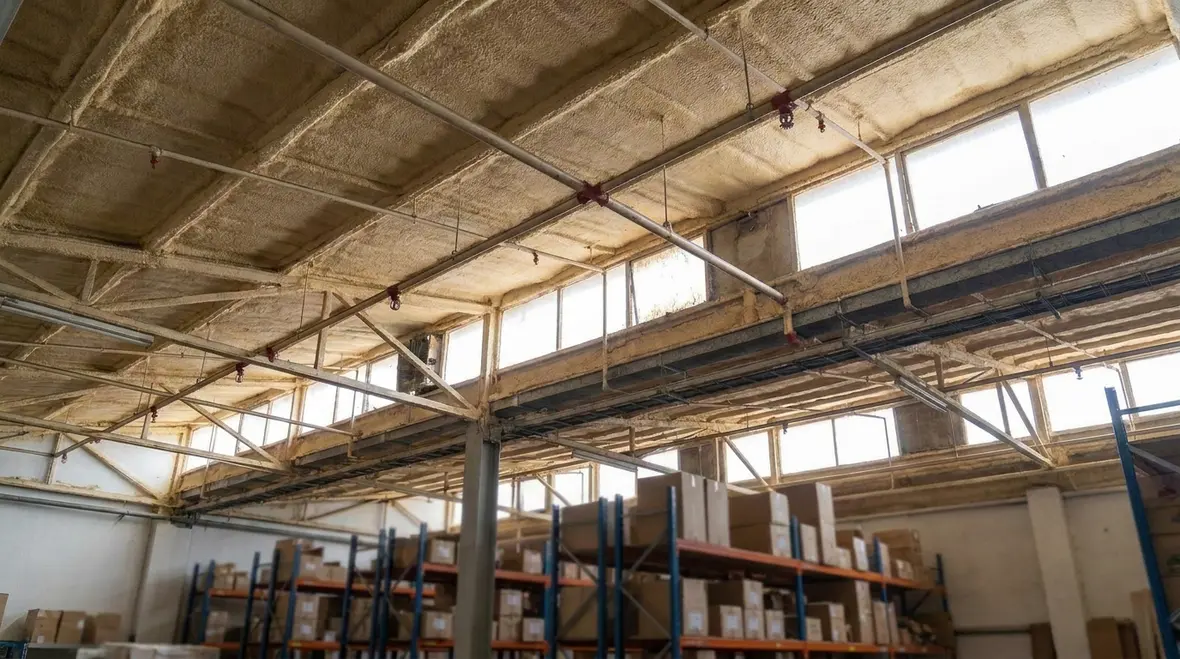
- Obstructions must be managed because beams, ducts, and services can break the spray pattern.
- Sprinkler location must suit the ceiling shape so the foam reaches the fire zone without delay.
In other words, the layout must act like a well rehearsed band, not a garage jam session. When each head sits in the right place, the system responds with calm, even coverage. When placement is rushed or based on assumptions, performance can turn patchy in a hurry, and that is a lousy time to discover that neat looking drawings do not automatically equal good protection.
Design point
- Hazard size
- Ceiling and roof shape
- Obstructions
- System purpose
Why it matters
- It sets the area that needs foam coverage.
- It changes how foam spreads below.
- They can block discharge and leave gaps.
- It determines the needed discharge pattern.

Common Layout Checks That Save Trouble Later
Before anyone signs off on a foam water sprinkler layout, a few checks deserve real attention. One is whether the hazard has changed since the original design. Storage height creeps upward. Equipment moves. New services appear overhead. A room that once had clear spray paths can slowly become a maze of obstructions with all the charm of a traffic jam.
Another check is whether the protected area has mixed uses. A facility might contain storage, light processing, maintenance space, and loading activity all in one footprint. If so, the layout may need a more careful review than a simple one-size-fits-all approach. The smartest systems usually come from people who take the room seriously instead of trying to bully it into a standard pattern.
Questions worth asking during review
- Have racking, stock levels, or fuel loads changed since installation?
- Are ducts, beams, cable trays, or lights interfering with spray distribution?
- Does the ceiling shape help or hinder even foam application?
- Is the current layout still aligned with how the space is actually used?
- Have inspections identified recurring issues that point to weak coverage?
Those questions are not there to make meetings longer for sport. They help reveal whether the system still matches the risk. In many cases, the answer is yes. In some cases, the answer is a long thoughtful silence followed by a site walk. Better that silence now than panic later.
Why Spacing Affects Fire Control and Compliance
Spacing affects more than performance. It also affects compliance, inspection results, and long term reliability. If sprinklers sit too far apart, the foam blanket may break up before it covers the hazard. If they sit too close, the system may use parts in a way that does not match the standard or the design intent. Therefore, correct spacing supports both safety and code alignment.
For busy commercial and industrial spaces, this matters because downtime has a nasty habit of becoming expensive very quickly. A warehouse fire does not care about business hours, and it certainly does not wait for a convenient Friday. A properly spaced foam system helps protect stock, equipment, and operations with less drama and more control. It also helps teams approach inspections with confidence instead of crossed fingers and a brave face.
There is also a maintenance angle. When a layout is sensible, inspections tend to be clearer, deficiencies are easier to spot, and future modifications can be made with less guesswork. When the arrangement is messy or poorly matched to the hazard, every change becomes a small detective story. Nobody asked for that subplot.
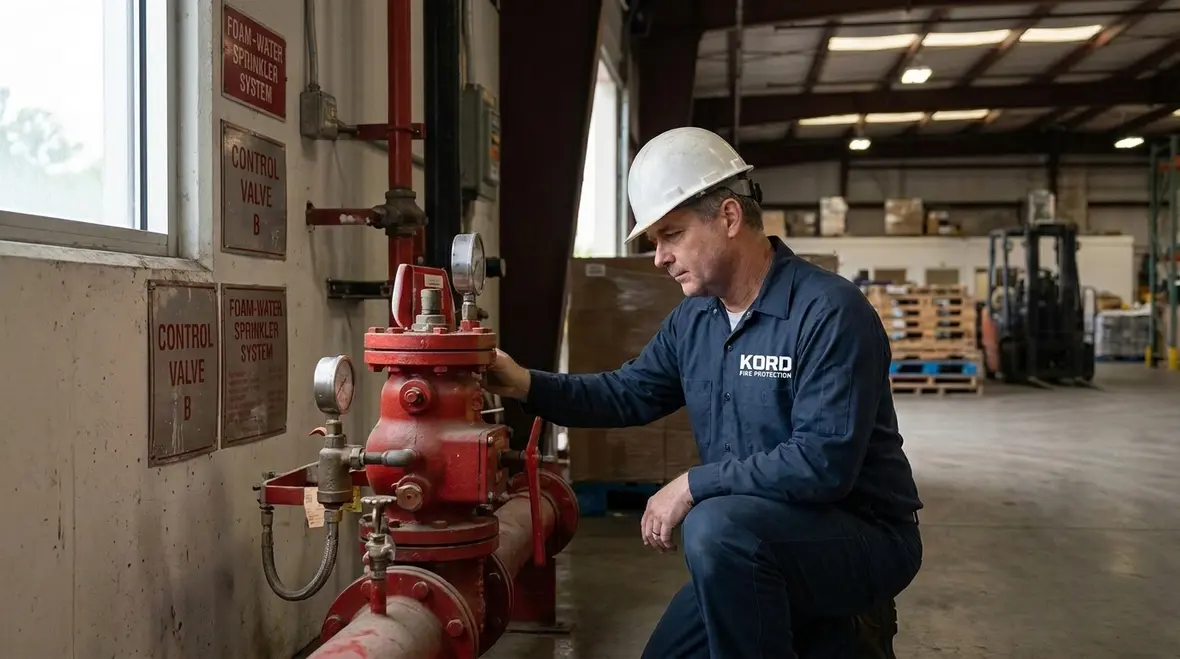
Where Kord Fire Protection Becomes a Vital Partner
Kord Fire Protection can become a vital partner by helping sites turn NFPA 16 guidance into a practical system that works in the real world. Their team supports design, installation, testing, inspection, and maintenance for suppression and sprinkler systems, including foam related hazards and specialty protection needs. That matters because every site has its own quirks, and some of those quirks are surprisingly determined to make life difficult.
This support matters most when a site has complex floor plans, mixed use spaces, or changing operations. A facility may expand storage, move equipment, add services, or shift products over time. As a result, the original foam water sprinkler placement may no longer fit the risk. A professional review can identify weak points, verify whether the layout still serves the hazard, and guide upgrades before those weak points become expensive headlines in the incident log.
If you want extra context around the difference between foam protection and standard sprinkler approaches, it is also worth exploring foam fire suppression vs water sprinklers. That comparison helps clarify why spacing and discharge considerations carry so much weight in higher risk environments where water alone may not be the whole answer.
What Industrial and Commercial Teams Should Check Next
Site teams should review the full fire suppression sprinkler layout whenever they plan a change to the building or the stored material. They should also check for blocked heads, ceiling changes, added racking, and service work near sprinkler lines. Moreover, they should keep records of inspections and repairs so the system stays ready and traceable.
In retail and commercial sites, this kind of review is often overlooked until a permit, project, or audit drags it into the spotlight. Still, a steady review habit can save time, money, and stress. A good layout today may still need a good eye tomorrow. Buildings change. Operations change. Risks change. Standards do not appreciate being guessed at.
A sensible next-step checklist
- Review hazard classifications and current fuel loads.
- Confirm ceiling conditions and note anything that blocks discharge.
- Inspect sprinkler head condition and clearances.
- Compare the present layout to any facility modifications.
- Schedule a professional assessment if anything looks out of step.
FAQ
Conclusion
NFPA 16 Section 7.6 gives facilities a clear path to better foam system performance through smart sprinkler spacing and location. The right layout protects people, assets, and operations by helping foam reach the hazard evenly and without delay. It is one of those details that seems technical until the day it becomes absolutely essential.
Kord Fire Protection can help turn that standard into a working solution through practical review, system support, and experienced service. For sites that want confidence, compliance, and calm under pressure, the next step is simple: get expert eyes on the system now and make sure the layout still matches the risk.

Join Our Newsletter!
Get the latest fire safety tips delivered straight to your inbox From our Newsletter.