NFPA 16 Section 7.5 Strainer Requirements for Foam Water
Quick Answer
NFPA 16 Section 7.5 requires foam water sprinkler systems to use proper strainers so debris does not block nozzles, pumps, or control parts. In practice, strong fire suppression system filtration helps keep foam systems ready, reliable, and compliant. Kord Fire Protection can inspect, service, and support these systems with steady, expert care.
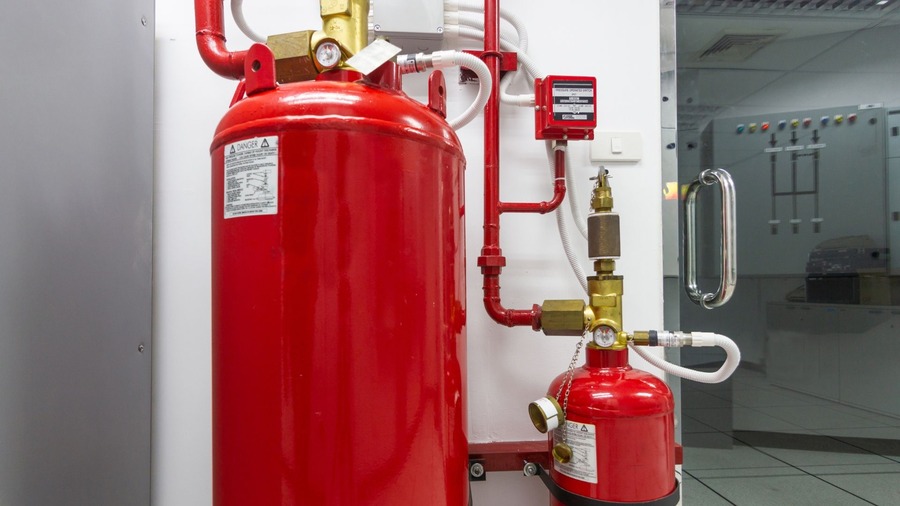
For facilities that need broader system support, Kord Fire Protection also provides foam fire suppression system service that fits naturally with inspection, testing, maintenance, and readiness planning.
What NFPA 16 Section 7.5 Means for Foam Water Sprinkler Systems
NFPA 16 Section 7.5 focuses on a simple but vital point: foam water sprinkler systems must stay clean inside so they can work when needed. That sounds obvious, yet many industrial and commercial sites learn the hard way that dirt, scale, rust, and leftover pipe debris can travel through the system and cause trouble. This is where NFPA 16 strainer requirements matter. They help protect the system from blockages that could weaken foam discharge during a fire event.
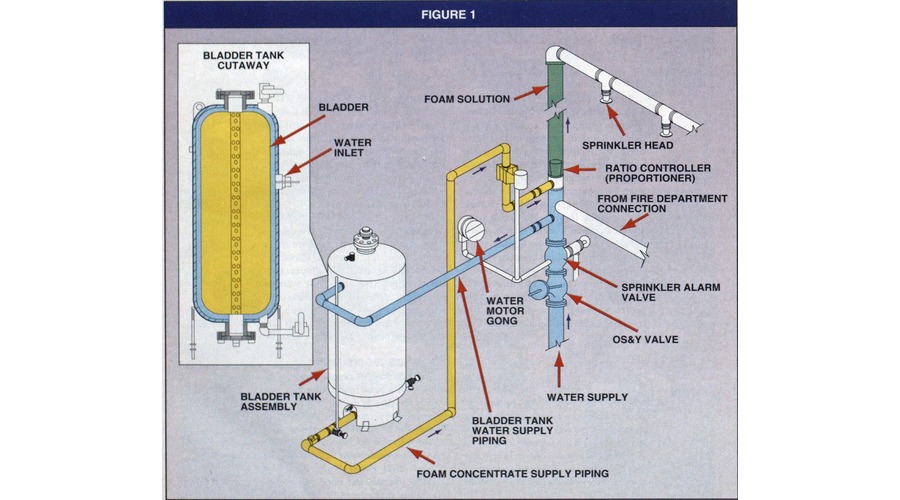
In plain terms, strainers act like gatekeepers. They catch unwanted material before it reaches critical parts of the system. Without that level of fire suppression system filtration, a foam water system may not spread foam evenly, and that can slow fire control. For facilities protecting fuel handling areas, chemical storage, flammable liquids, loading zones, or large asset spaces, that risk is far too expensive to ignore. Even the best system can stumble if it swallows a bolt, scale chip, or rust flake. The hero suit matters, but so does the clean laundry.
This section also supports a bigger reliability mindset. Foam systems do not just need enough water and concentrate. They also need clean flow, stable pressure, and protected components from the point of supply to the point of discharge. If debris gets loose inside the line, it tends to travel to the exact parts you do not want it visiting. That can mean restricted nozzles, sticky valves, poor proportioning, or test results that make everybody in the room suddenly very interested in paperwork.
Why Strainers Matter in Foam Water Sprinkler Systems
Foam water sprinkler systems work under pressure and must deliver the right mix at the right time. However, if debris enters the line, it can clog valves, reduce flow, and damage discharge devices. Therefore, strainers support system reliability from the first day of operation and through routine use.
These systems often protect high value spaces such as warehouses, processing plants, tank farms, loading areas, and retail back of house zones. Because those areas can run hard every day, pipework can collect particles over time. As a result, regular checks on foam water system strainers become part of good asset care, not just a compliance box.
In many cases, a small obstruction leads to a much larger problem. A clogged line may not show itself until an emergency, which is exactly when nobody wants a surprise guest. That is why proactive filtration and inspection support both safety and uptime.
More Than A Small Accessory
A strainer can look like one of those components people walk past without much thought. That is usually a mistake. In a foam water system, it helps protect the parts that actually control performance. If sediment damages a proportioner or narrows the path to a discharge point, the whole system can suffer. The humble strainer is doing the kind of quiet work that only gets appreciated when it is missing.
- Helps reduce the chance of blocked nozzles and restricted flow
- Protects pumps, valves, and proportioning equipment from avoidable wear
- Supports more consistent foam discharge during testing or real events
- Improves confidence that the system will respond the way it was designed to
How Foam Water System Strainers Work
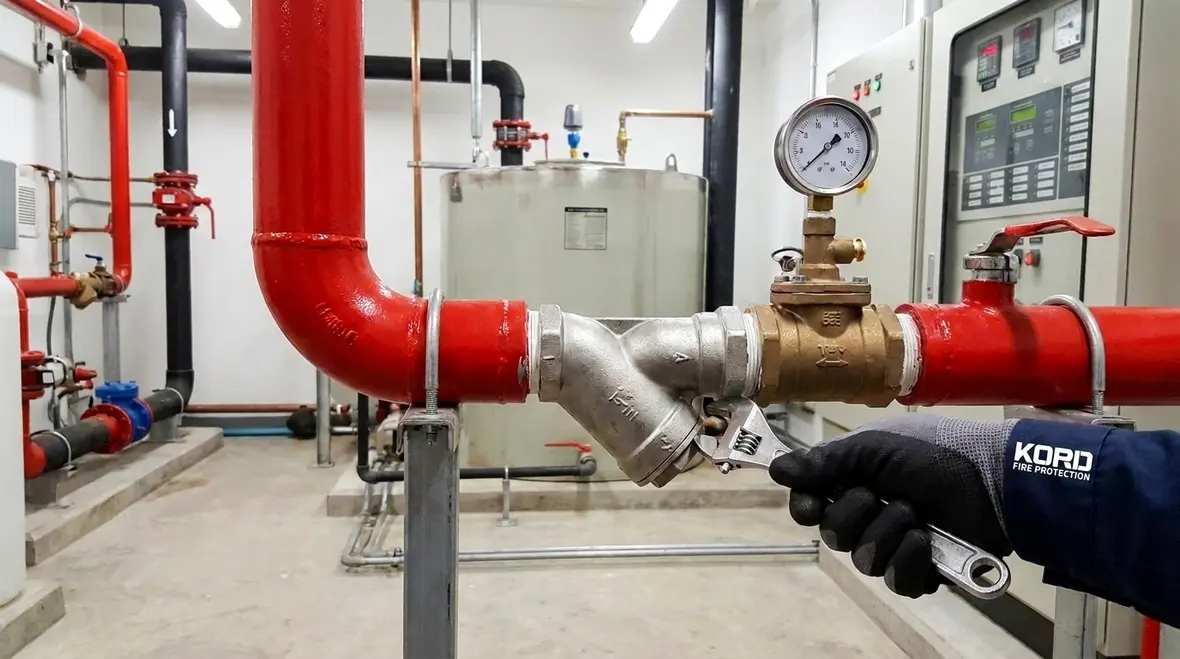
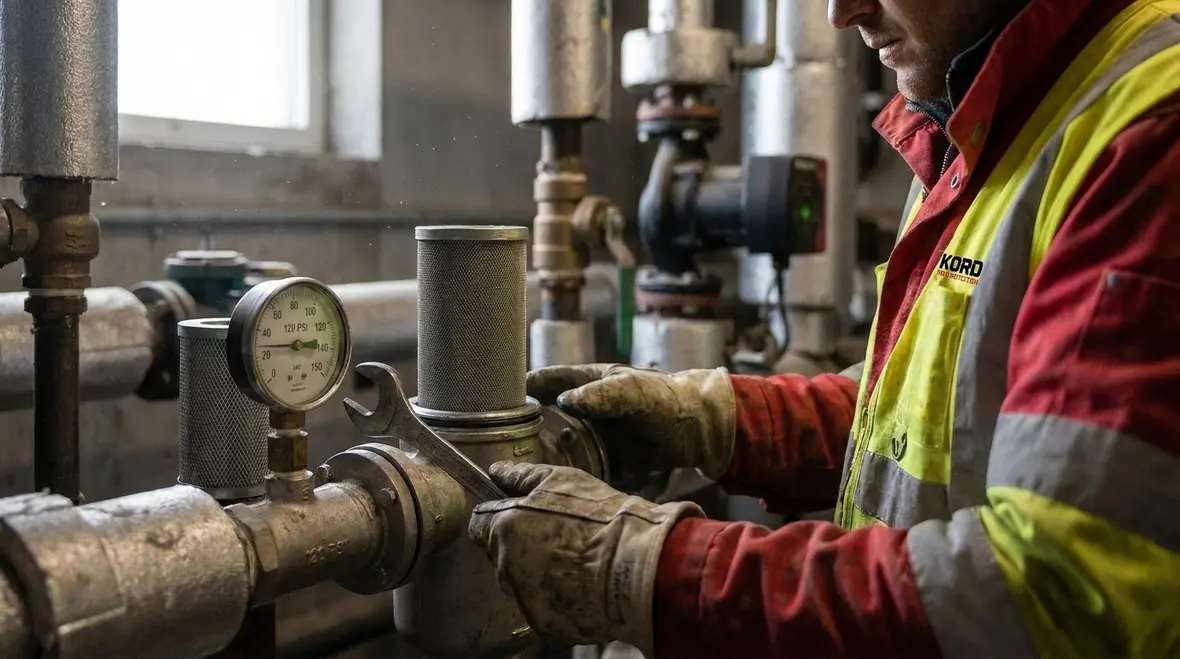
Foam water system strainers sit in the flow path and remove debris before it reaches sensitive components. They often protect pumps, proportioners, control valves, and sprinkler outlets. Because foam systems depend on clean, stable flow, these strainers need correct sizing, proper placement, and routine cleaning.
Common Functions Of A Strainer
- Capturing rust, scale, and pipe residue
- Protecting nozzles and outlets from blockage
- Supporting steady foam solution delivery
- Reducing wear on downstream components
- Helping the system stay ready for inspection and testing
Although the parts are simple, the job is not small. In fact, the whole system can only perform as intended when filtration stays effective. The logic is classic engineering: keep junk out, keep performance up.
It also helps to think about system cleanliness as an ongoing condition rather than a one-time installation detail. A newly installed system can start clean and still collect debris later through corrosion, repairs, modifications, or supply disturbances. That is why filtration has to remain part of the service conversation long after commissioning day is over and the ribbon cutting photos are forgotten.
Where NFPA 16 Strainer Requirements Apply in the Field
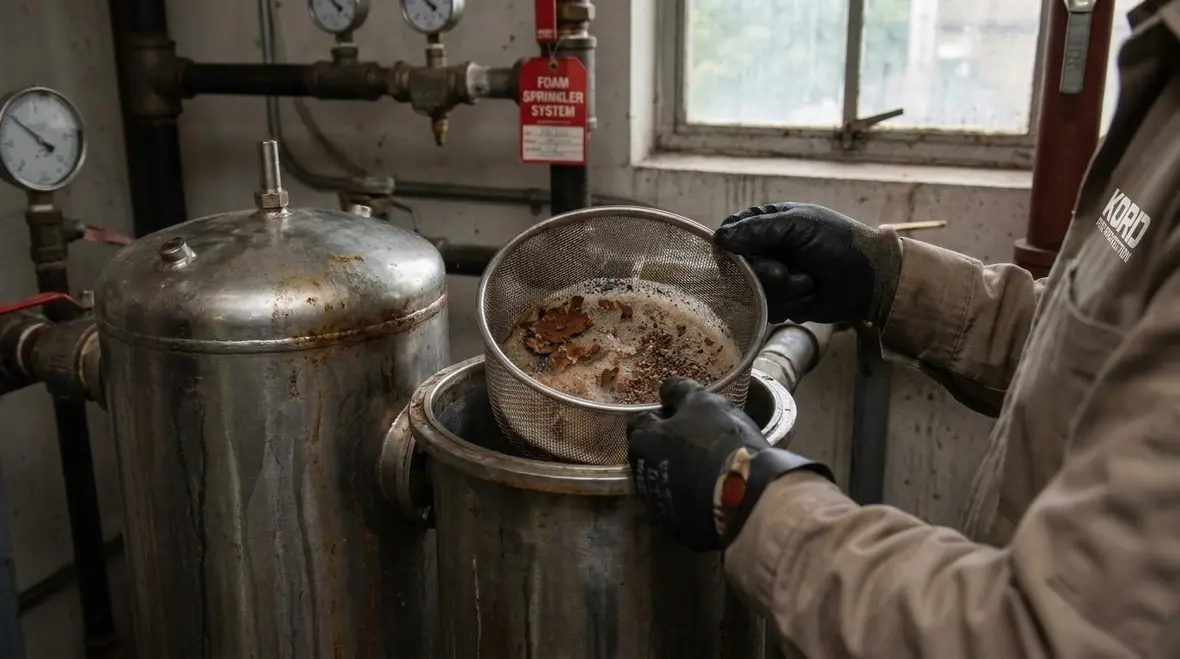
NFPA 16 strainer requirements matter most where foam water systems face harsh conditions, older pipework, or frequent maintenance activity. Industrial sites often deal with scale and sediment. Commercial buildings may face remodeling debris, water supply contamination, or neglected maintenance access. Meanwhile, facilities with long pipe runs can gather residue in low flow sections over time.
| Site condition | Why strainers matter |
| Older or modified pipework | Loose debris can break free and travel into foam discharge points |
| High use industrial environments | Scale, dirt, and corrosion can build up and restrict flow |
Because each site presents different risks, the right service plan should match the system design, usage, and local conditions. A one size approach rarely works well, especially when fire protection is on the line.
Common Trouble Spots
In the field, trouble often shows up where systems have been expanded, where older piping has internal corrosion, or where maintenance access has been treated like an optional hobby. Any location with harsh operating conditions or frequent system disturbance deserves extra attention. The goal is not to panic over every speck of rust. The goal is to prevent one speck from becoming the reason a suppression system underperforms at the worst possible moment.
Sites reviewing the broader code framework may also want to look at NFPA 16 standard requirements to understand how strainer care fits within foam-water sprinkler and spray system performance as a whole.
Inspection and Maintenance That Keep Systems Ready
Good filtration is not a set and forget task. Instead, teams should inspect strainers during planned service visits and after any system work that may introduce debris. This includes pipe modifications, pump repairs, water supply issues, or any event that could loosen buildup inside the line.
A Strong Maintenance Approach Should Include
- Checking strainers for blockage or damage
- Cleaning or replacing parts as needed
- Verifying flow is not restricted
- Confirming system access stays clear
- Recording service results for compliance history
Furthermore, service teams should watch for signs like pressure changes, poor test results, or uneven discharge. Those signs often point to hidden filtration problems. Since foam systems protect valuable sites, maintenance should stay steady and well documented. It is not glamorous work, but then again, neither is mopping up after a fire.
Documentation matters here for another reason too. When inspections are recorded clearly, site managers can spot recurring debris issues, compare test performance over time, and decide whether a deeper repair is needed. Good records turn maintenance from a guessing game into a pattern you can actually act on.
How Kord Fire Protection Becomes a Vital Partner
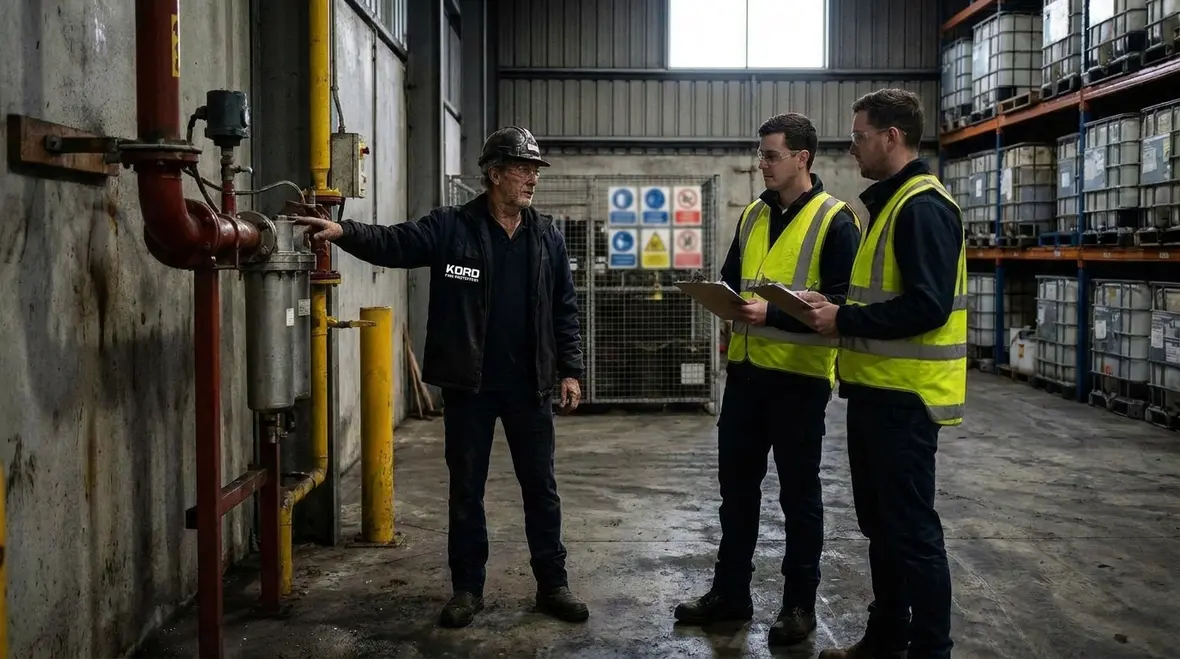
Kord Fire Protection can play a vital role by helping facilities meet NFPA 16 strainer requirements with confidence. Their support can cover inspection, maintenance, cleaning, testing, and practical advice that fits the site rather than forcing the site to fit the service.
Because foam systems sit at the heart of high risk protection, Kord Fire Protection can help reduce the chance of blockage, improve long term system readiness, and support compliance goals. In addition, their team can work with site managers, asset teams, and contractors to keep fire suppression system filtration in good shape without disrupting daily operations more than needed.
That partnership matters. A reliable provider does more than tick boxes. It helps protect stock, plant, people, and business continuity. In a world where downtime can cost more than a small nation’s coffee budget, that kind of support is worth its weight in gold.
FAQ
Keep Foam Systems Clean, Ready, and Compliant
NFPA 16 Section 7.5 is not just a rule on paper. It is a practical safeguard for system performance, safety, and peace of mind. For sites that rely on foam water sprinkler systems, proper filtration and strainer care can make the difference between smooth operation and costly failure.
Kord Fire Protection can help keep that protection strong with expert service and dependable support. If the system matters, the strainers matter too. Reach out and keep the protection sharp.

Join Our Newsletter!
Get the latest fire safety tips delivered straight to your inbox From our Newsletter.