NFPA 1900 Section 7.23 for Electric Fire Apparatus
Quick Answer
NFPA 1900 Section 7.23 sets the baseline for electric powered fire apparatus and their engine equipped systems, helping departments and facilities protect crews, assets, and uptime. It supports safer design, cleaner operation, and better readiness, while giving teams a clearer framework for performance, charging, controls, and operational reliability. For organizations that want stronger system support across related fire protection needs, Kord Fire Protection also offers full fire protection services that fit naturally alongside compliance minded maintenance and inspections.
NFPA 1900 Section 7.23 matters because electric fire apparatus bring new risks, new systems, and new testing needs. In the world of electric fire apparatus NFPA 1900 standards, Section 7.23 helps define how engine equipped units must perform, how they should be built, and how teams can keep them ready for duty. That matters a great deal because when a response vehicle is part fire truck, part high voltage machine, and part “please do not fail today,” the details count.
Modern facilities face tighter safety demands, more asset value, and stronger expectations for clean, reliable response. Therefore, organizations need a partner who understands fire equipment, compliance, and practical service. That is where Kord Fire Protection becomes a vital ally, especially for teams that want their readiness plan to be more than a clipboard, a calendar reminder, and crossed fingers.
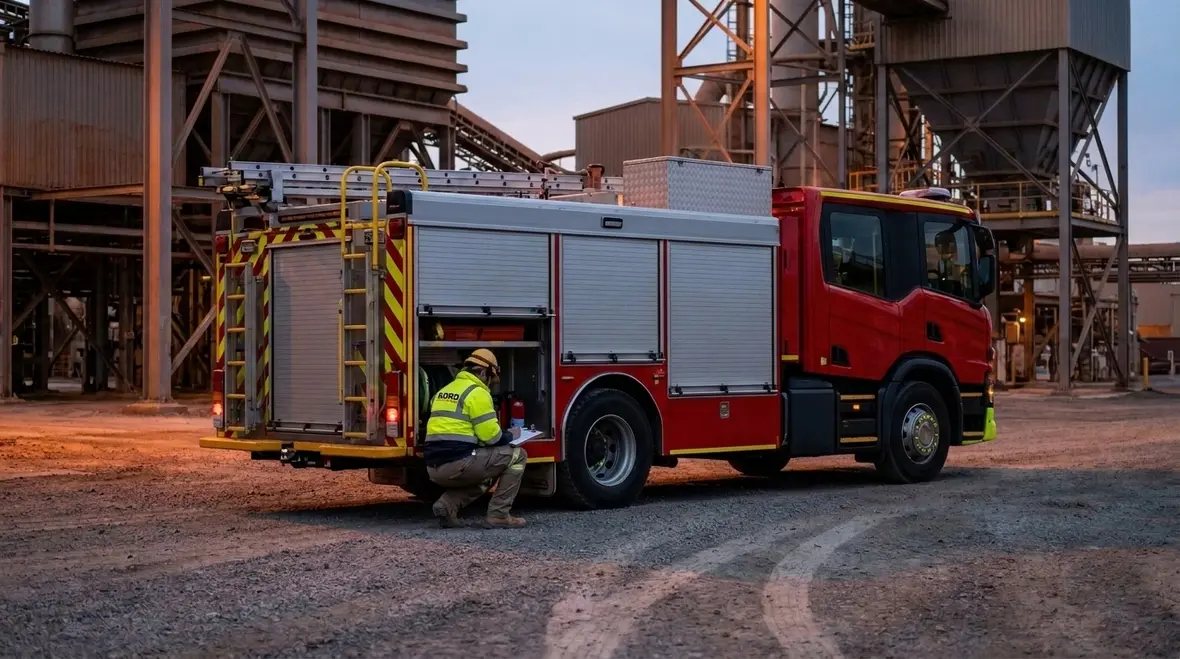
What Section 7.23 Covers in Plain Language
Section 7.23 focuses on electric powered fire apparatus with engine equipped systems and the needs that come with them. It addresses how these units must support safe operation, proper power delivery, and dependable fire response. In simple terms, it asks one important question: can the apparatus do the job without drama? The answer must be yes, because “we tried our best” is not a compliance strategy.
This section also helps guide how manufacturers and service partners approach battery systems, charging, controls, and emergency readiness. As a result, the vehicle can stay reliable in demanding settings where delays, weak charging habits, or vague operator feedback can quickly turn into operational headaches. The standard exists to reduce that uncertainty and replace guesswork with consistent expectations.
That plain language view matters because standards can sound intimidating on paper. Yet for the people who actually manage equipment, schedule inspections, and answer for downtime, the issue is simple. The apparatus needs to be safe to operate, clear to understand, and ready when called on. If any one of those pieces slips, the value of the vehicle starts looking a lot less impressive and a lot more expensive.
Why this section deserves attention
Electric powered units are not just conventional rigs with a different fuel source. They introduce different operating conditions, different support equipment, and different failure points. That means maintenance teams and facility leaders cannot simply copy the old playbook and hope the new truck politely adapts. Section 7.23 helps make sure the apparatus, the support systems, and the people around them all work from the same expectations.
Why Electric Fire Apparatus Standards Matter
Many facilities operate around the clock, and any response asset must be ready when alarms sound. Electric apparatus can bring lower emissions, quieter operation, and strong performance, which may help in enclosed areas, campuses, and sites where noise and air quality matter. However, those benefits only work when the equipment meets the right standard and receives proper care. Otherwise, the shiny future of fleet technology starts acting like a very moody extension cord.
Electric fire apparatus NFPA 1900 standards also help reduce confusion for teams that manage mixed fleets. Traditional units and electric units may share a mission, yet they do not share the same service needs. Because of that, managers need clear rules for testing, maintenance, and inspection. Without those rules, small assumptions can pile up into bigger risks, and the equipment becomes a very expensive decoration with sirens.
There is also a planning advantage here. When teams understand the standard, they can make better decisions about charging arrangements, operator training, service intervals, spare parts, and readiness checks. Compliance is part of the picture, but smooth operations matter too. Standards are useful not just because they tell you what to avoid, but because they help shape a practical routine that keeps the apparatus available for real work.
The operational reality behind the standard
In day to day use, readiness depends on more than battery capacity or the appearance of modern controls. Operators need confidence, maintenance staff need documentation, and leadership needs proof that the asset is dependable. Section 7.23 supports that chain by pushing structure into the process. It is far easier to maintain confidence in the field when the unit has already been tested, reviewed, and supported with records that make sense.
Key Requirements Facilities Should Watch
When reviewing Section 7.23, facilities and fire protection teams should focus on the practical areas that affect safety and uptime. The standard is most useful when translated into routine questions, clear checklists, and real service actions that support daily readiness rather than last minute scrambling.
- Power system readiness and safe energy storage
- Charging setup and connection reliability
- Engine equipped support systems and their performance
- Controls, displays, and operator clarity
- Routine inspection and maintenance planning
- Documentation that proves service and testing took place
These areas matter because a fire apparatus must work fast, under pressure, and without hesitation. Moreover, if one part fails, the whole response can slow down. That is why the standard pushes a disciplined approach rather than guesswork. A dependable unit is rarely the result of luck. It is usually the result of design discipline, careful inspection, and service habits that people actually follow.
Turning requirements into a service routine
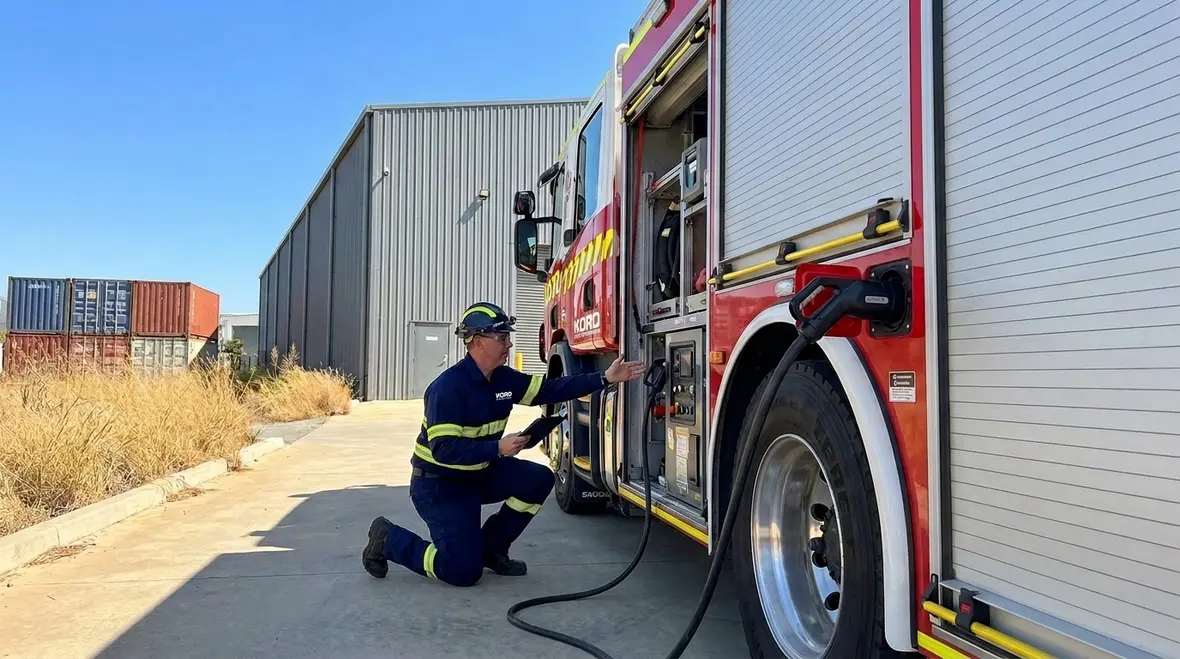
Facilities get the most benefit when these requirements become part of a living maintenance program. That means inspections are scheduled, charging issues are tracked, operator concerns are reported, and any change in performance gets attention before it becomes a bigger problem. In practice, the most successful teams do not wait for dramatic failure. They listen for small warning signs first, which is far cheaper than letting a component announce itself at the worst possible moment.
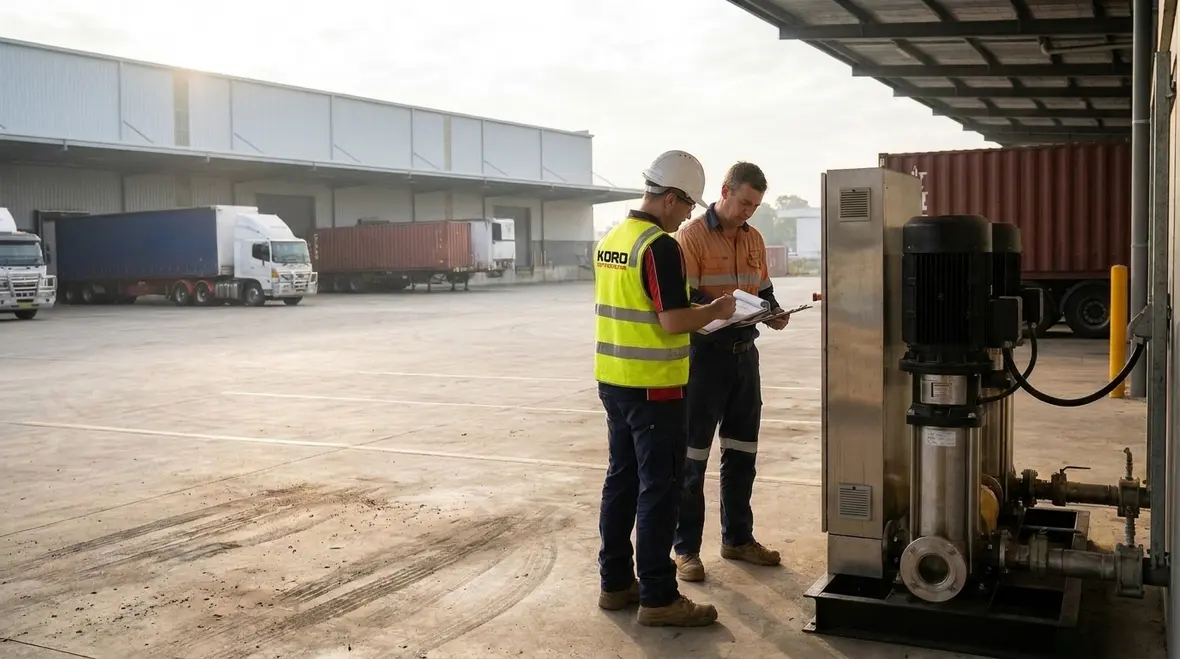
Dual View: Compliance Needs and Service Needs
Below is a simple way to look at how the standard supports both compliance and day to day service. One side keeps the apparatus aligned with expectations. The other keeps it ready to perform in the field. Treating one side as optional usually creates trouble for the other.
Compliance focus
Clear rules for electric systems, equipment safety, and operational readiness help reduce ambiguity. This side of the equation gives teams a benchmark for how the apparatus should be designed, supported, and documented so there is less room for assumptions or missed obligations.
Service focus
Regular testing, maintenance, records, and field support keep the apparatus available. This is where plans become habits, and where reliability is built through inspections, corrections, and repeatable routines rather than optimism and motivational speeches.
This dual view matters because compliance alone does not keep a vehicle ready. Likewise, service alone cannot fix a weak compliance plan. Together, they create a stronger system that supports industrial, commercial, and mixed use operations. A site may have great intentions, but readiness is won in the details, not in the meeting minutes.
For teams wanting broader context, Kord Fire also has a related article on the NFPA 1900 standard, which helps frame how electric fire apparatus requirements fit into the larger conversation around emergency response vehicles and support expectations.
How Kord Fire Protection Adds Real Value
Kord Fire Protection can become a vital partner in this service and job because electric apparatus need more than a check box. They need a team that understands the full fire protection picture. Kord can help with inspections, maintenance planning, compliance support, and practical service that fits the pace of large facilities and demanding operations.
That support matters for several reasons. First, it helps reduce downtime. Second, it helps identify issues before they grow teeth and start chewing on budgets. Third, it gives site leaders confidence that the apparatus meets the demands of the operation. For busy properties, that is not a small thing. It is peace of mind with a service truck attached.
Kord’s broader service model also makes this easier to manage because teams do not have to juggle disconnected vendors for every protection need. When support is organized, communication improves, documentation is cleaner, and recurring inspection work is less likely to fall through the cracks. That kind of order is not glamorous, but it is incredibly useful when safety, uptime, and accountability all need to coexist in the same week.
What Maintenance Teams Should Ask
Facilities should ask simple but smart questions when reviewing an electric apparatus program. Good maintenance planning is rarely built on one heroic inspection. It comes from repeated, useful questions that expose weak spots before they become downtime, compliance issues, or field performance surprises.
- Is the electric apparatus tested to the right standard?
- Are service intervals documented and followed?
- Do operators understand the system limits and controls?
- Can the unit charge and deploy as expected?
- Is the support partner quick, clear, and experienced?
These questions help teams avoid surprises. Moreover, they support better planning for commercial properties, industrial plants, campuses, retail centers, and logistics environments where delays can quickly become expensive. The more clearly a team can answer these questions, the more likely it is that the apparatus will stay dependable when the pressure is on.
There is a cultural benefit too. Asking better questions encourages better ownership. Operators pay attention to what they use, maintenance teams notice patterns faster, and management gains a clearer picture of risk. When everyone understands what readiness requires, the apparatus stops being a mysterious specialty asset and becomes a properly supported part of the fire protection strategy.
FAQ
Conclusion
NFPA 1900 Section 7.23 gives electric fire apparatus a clearer path to safe, reliable service. That means stronger readiness, fewer surprises, and a better framework for handling the unique demands that come with electric powered emergency vehicles. When facilities understand the standard and build their routines around it, they improve both compliance and practical performance.
Kord Fire Protection can help keep systems on track with expert support, practical maintenance, and compliance minded service. For organizations that value uptime, safety, and calm under pressure, that partnership can make all the difference. Reach out to Kord and keep readiness working like it should, not like a last minute science project with warning lights.

Join Our Newsletter!
Get the latest fire safety tips delivered straight to your inbox From our Newsletter.