Process Hazard Analysis PHA Evaluating Consequences of Deviations
Quick answer: Process Hazard Analysis, or PHA, helps teams predict what happens when conditions drift from the plan. It evaluates the consequences of deviations in operations, utilities, and protective systems so companies can prevent serious incidents before they occur. When done right, it also lines up safety upgrades, costs, and timelines.
In Australia, industrial and commercial sites run on tight schedules and even tighter rules. So when a process strays from its normal operating window, the consequences can cascade fast. That is exactly where Process Hazard Analysis (PHA): evaluating the consequences of deviations earns its keep. A solid PHA follows a disciplined process, uses reliable data, and ranks scenarios by severity and likelihood, then recommends actions that reduce risk in a practical way. Additionally, it makes sure people do not rely on “she’ll be right” thinking, which works about as well as a fire extinguisher on a swimming pool.
Near the top of the conversation, it helps to connect hazard analysis with real world protection work. That is why many sites pair PHA planning with broader fire protection services that support inspection, testing, maintenance, and corrective action across the systems most likely to matter when a deviation becomes more than a theory. It is not the quick answer, but it is the practical bridge between a meeting room risk ranking and what actually happens on site. California Title 19 PDF
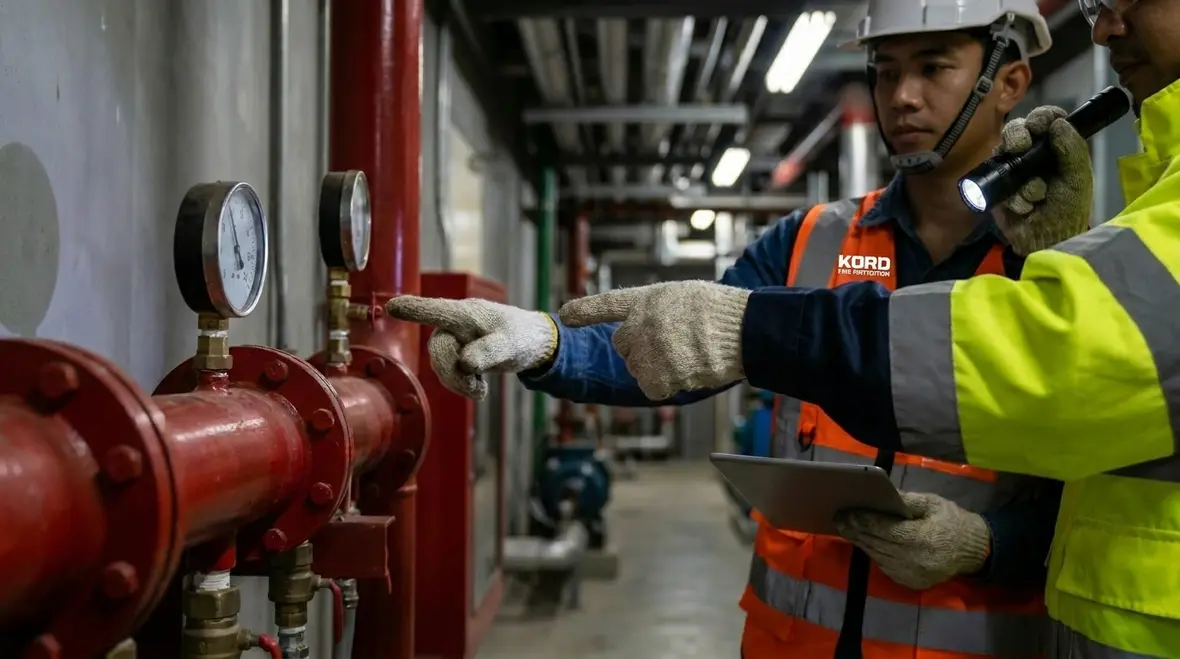
Why deviations deserve respect, not guesses
At a facility, deviations rarely arrive with a dramatic soundtrack. They show up as small changes that stack together: a valve that sticks slightly, an operator who switches modes, a sensor that drifts, or a batch that runs a little too hot. Then the real trouble begins, because many hazards do not care that the plan was followed last Tuesday. They care about conditions.
PHA requirements focus on structured thinking about what can go wrong and what the outcomes might be. Teams evaluate consequences such as fire, explosion, toxic release, loss of containment, equipment damage, and escalation to nearby areas. They also consider how barriers hold up over time, during start up and shutdown, or when maintenance creates temporary vulnerabilities.
Small drifts, big outcomes
That is one of the reasons a disciplined PHA works so well. It stops teams from brushing off minor changes as harmless background noise. Instead, it asks the annoying but necessary questions. What if the valve sticks again during high demand? What if the drifted instrument is the one the operator trusts most? What if the process is already running near the edge when a utility upset joins the party? Once those questions are asked in a structured way, sites can replace assumptions with evidence and defensive design.
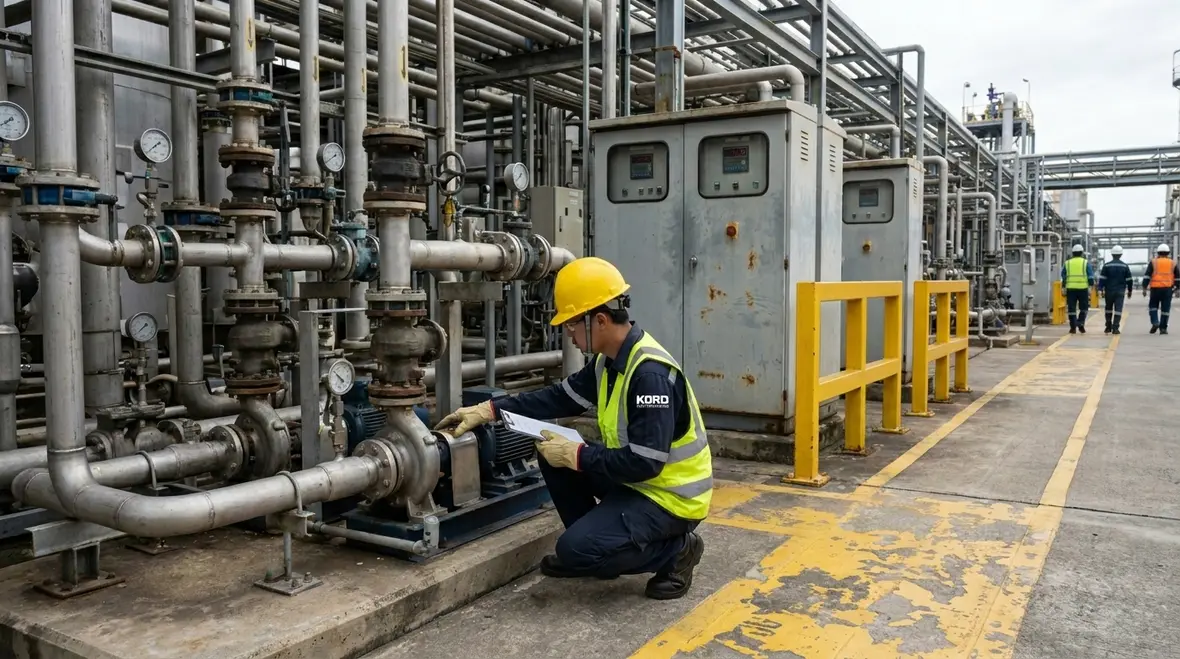
How teams evaluate consequences of deviations step by step
To evaluate consequences properly, a PHA team breaks scenarios into clear cause and effect paths. First, it identifies credible deviations for each step in the process, including operating, control, and mechanical states. Next, it determines the potential hazard, and then traces what could happen if the hazard is not contained. After that, it ranks the severity based on realistic worst case outcomes, the size of the potential release, and the vulnerability of people and assets nearby.
In most Australian facilities, teams then add layers that make the analysis actionable. They ask whether the deviation happens under normal demand, abnormal weather, power instability, or concurrent work. They also consider how alarms, interlocks, shutdown logic, and emergency systems perform under stress. In other words, the team does not just predict the disaster, it also checks whether the safety net exists and still works when it matters.
Following the cause and effect chain
This step by step method matters because vague concerns rarely produce useful actions. A team may know that overheating is bad, but a PHA forces the discussion into specifics: what initiates the heat buildup, which controls are supposed to respond, what happens if they fail, how quickly the event develops, and where escalation could land next. That level of detail is what turns hazard analysis into something engineers, operators, and leadership can all use without pretending that “be careful” is a proper control strategy.
Severity, likelihood, and risk ranking that people actually use
After scenario identification, the PHA process converts the story into decision support. It typically uses risk ranking methods based on likelihood and consequence severity. However, the key is not the tool itself. The key is consistency and transparency. If the site leadership cannot explain why one scenario ranks higher than another, the ranking will not drive action, and the plan becomes decorative.
Therefore, teams should base ratings on evidence such as prior incident data, equipment reliability information, inspection history, maintenance records, and realistic operating practices. Then they assign recommended actions with ownership and due dates. That way, the PHA turns from a document into a management system.
Making rankings useful instead of ornamental
A good ranking system helps leaders spend money where it actually matters, not where the loudest conversation happened last week. It should show why a low frequency event with catastrophic impact may outrank a frequent nuisance issue, while still addressing both with sensible actions. The point is clarity. When teams can see the logic, they are more likely to fund upgrades, tighten procedures, and move quickly on overdue fixes. When they cannot, the matrix ends up looking official while achieving almost nothing, which is a very fancy way to waste everyone’s time.
Where protection systems fit into the hazard story
Many organizations treat protective systems like an insurance policy. It exists, so hopefully no one needs it. In a good PHA, protective systems take center stage. The team evaluates whether safeguards prevent the deviation from escalating, or at least reduce impact. That includes detection, suppression, isolation, ventilation, emergency response interfaces, and restart controls.
For example, if a process deviation leads to heat buildup, the PHA should examine how fire detection responds, how suppression agents discharge, and whether isolation dampens the spread. If a release risk rises, the team should review whether containment strategies and emergency procedures work at the speed required. And when safeguards depend on power, utilities, or trained response, the PHA must treat that as part of the scenario, not as an afterthought.
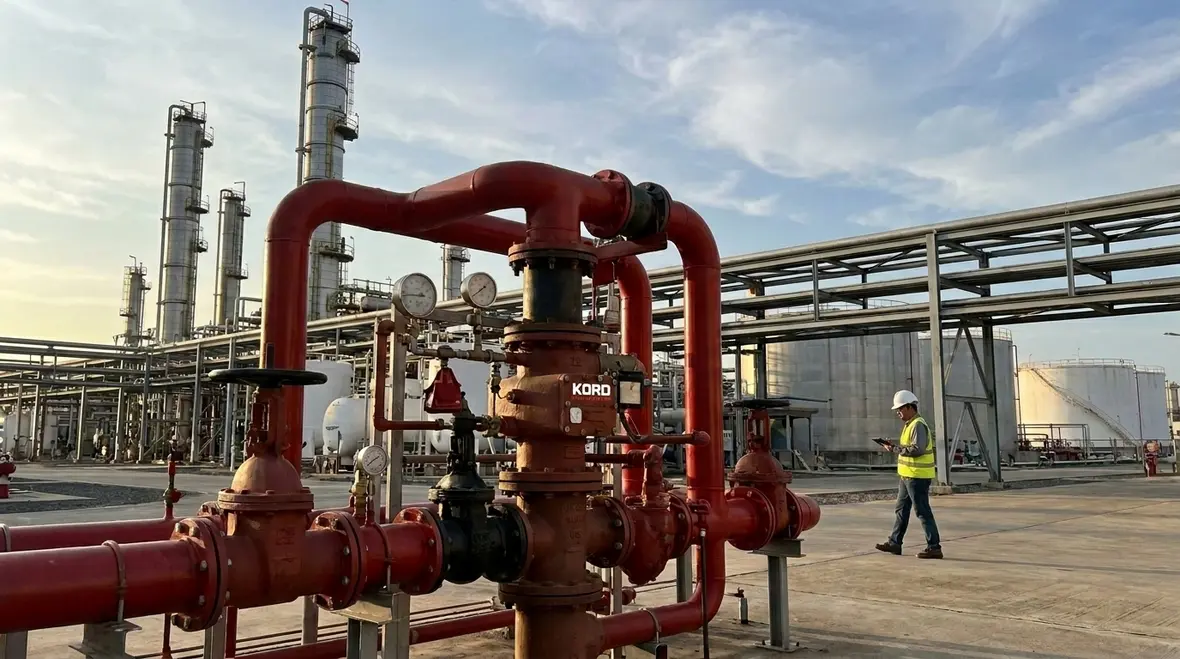
This is also where fire protection can become a vital partner to the PHA effort. Kord Fire Protection can help align fire protection design, inspection outcomes, and impairment management with the specific deviation scenarios the PHA identifies. In short, when the PHA highlights where escalation could happen, fire protection brings the practical “how we stop it” reality, and it does so with testable checks, compliance awareness, and real site context.
For sites that want more context around reduced system readiness, Kord’s Fire Protection Impairment Management Guide is a natural companion read. It fits neatly with PHA work because consequence analysis is only half the story. The other half is knowing what happens when a needed safeguard is temporarily unavailable, underperforming, or quietly out of service while everyone assumes it is fine.
Making the actions clear, funded, and fast
The best analysis fails if it lands in a folder and gathers dust like an old training manual. So teams should translate recommendations into implementation steps that work for industrial and retail environments, not just ideal labs.
Effective PHA recommendations usually include the following
- Specific safeguard improvements tied to a named deviation scenario, such as updated interlock logic, tightened control limits, revised shutdown sequences, or verified alarm coverage
- Maintenance and inspection changes that address known degradation paths like sensor drift, valve wear, pump cavitation, or clogged lines
- Procedure upgrades for start up, shutdown, bypass conditions, and temporary operating states, with clear stop points and escalation triggers
- Training and competency updates so the people who execute the procedure can do it when stress shows up, not only during calm classroom sessions
- Validation and verification steps that confirm the safeguard performs as intended, including impairment and test frequency
Then the project schedule follows risk. High consequence scenarios get addressed first, because the timeline is part of risk control. And when fire protection is brought into the conversation early, improvements line up with detection coverage, suppression intent, and maintenance realities, rather than being bolted on after approvals and budget cycles.
Closing the loop on recommendations
Recommendations should not float around as noble intentions with no owner. Each action needs a responsible person, a due date, a verification method, and a clear definition of done. That discipline keeps high risk issues from being buried under ordinary workload. It also helps sites show that the PHA is not a one time workshop but an operating tool that drives change, verifies results, and stays relevant after the meeting snacks are long gone.
PHA, compliance, and site readiness across Australia
Industrial, retail, and commercial facilities across Australia often face the same challenge. They must manage complex hazards while working within local compliance expectations, insurance requirements, and operational constraints. A strong PHA supports that work by showing how the site understands risk and what it does to reduce it.
However, the PHA also needs site readiness. That includes ensuring equipment status, documentation accuracy, and clear handover between operations, maintenance, and contractors. It also includes making sure emergency systems remain functional through normal operations, not just during commissioning.
When Kord Fire Protection participates as a vital partner, the site gains a practical bridge between hazard analysis and real fire protection performance. They can help confirm that protective measures align with the scenarios PHA teams flag, and they can support ongoing verification so safeguards stay credible. Because a “we checked it once” approach is about as reliable as a trivia answer from ten years ago.
FAQ
Call Kord Fire Protection to strengthen the safeguards
A PHA can only protect what it models, and it only reduces risk when safeguards stay credible. If a facility wants clearer deviation consequences, stronger barrier alignment, and practical verification of fire protection measures, Kord Fire Protection can help connect the dots. Reach out to discuss your PHA goals and fire protection integration, then move from analysis to actions that actually work on site.
That is the real value of Process Hazard Analysis: not just spotting what could go wrong, but building a safer and more organized response before trouble arrives. When teams evaluate consequences properly, fund the right actions, and verify the safeguards that matter most, they give the site a much better chance of staying safe, compliant, and operational without relying on luck to do heavy lifting.

Join Our Newsletter!
Get the latest fire safety tips delivered straight to your inbox From our Newsletter.