Standpipe System Maintenance Electrical For Monitoring
Quick Answer: Maintaining electronic monitoring components in standpipe networks keeps pressure, valve status, and alarm signals accurate. Technicians inspect sensors, wiring, panels, and control logic, then test flows and communications. When the job touches fire protection, Kord Fire Protection can help ensure compliance, reliability, and fast support when issues show up mid shift.
In industrial and commercial facilities across Australia, Standpipe System Maintenance Electrical does not just “keep things working.” It protects people, reduces downtime, and helps teams prove compliance when auditors ask the kind of questions that feel like a pop quiz you never studied for. This article walks through how electronic monitoring components in standpipe networks get maintained, what should be checked, and how the right partner makes the whole system calmer, safer, and more predictable. Kord Fire Protection can become a vital partner when the monitoring system intersects with detection, notification, and fire safety routines. And yes, nobody wants surprises, especially not the kind that trigger alarms at 2 a m like a horror movie that could have been avoided.
When those monitored signals connect into broader life safety workflows, it helps to understand how fire alarm service and system support fits into the bigger picture. For facilities that need direct signal oversight and response coordination, Kord Fire also provides fire alarm service systems support that naturally complements standpipe monitoring maintenance.
How standpipe electronic monitoring works in real facilities
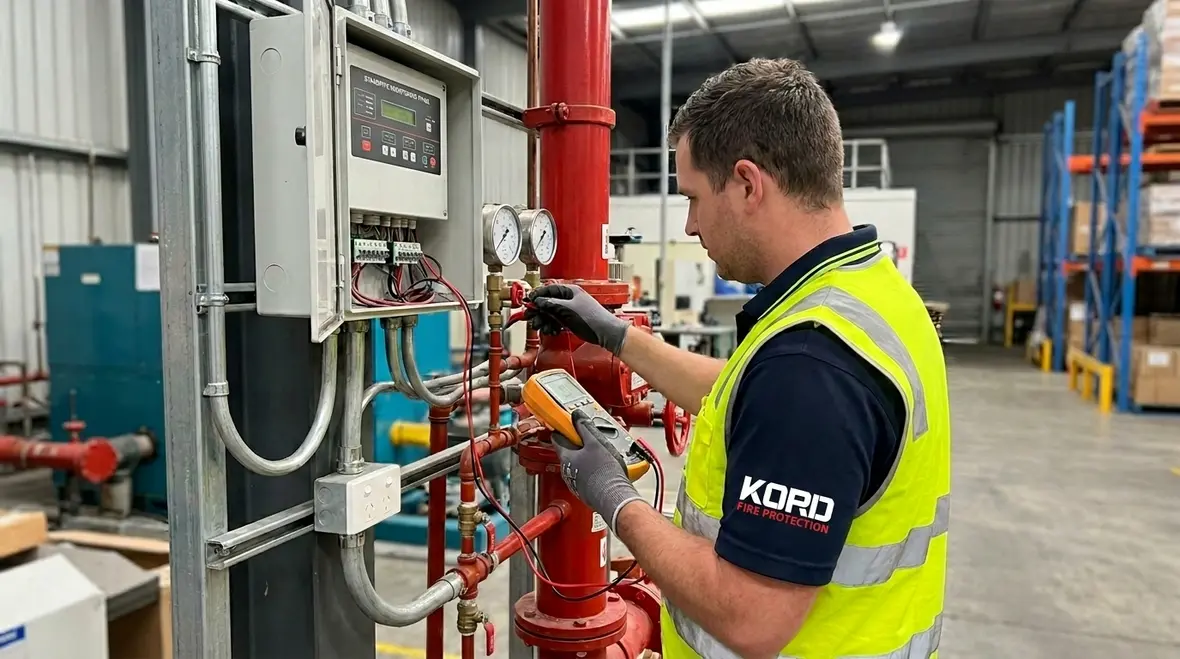
Electronic monitoring typically tracks key conditions in a standpipe network. It may include pressure switches, flow indication, valve position feedback, tamper supervision, and alarm inputs tied into a control panel. Then it sends status signals to a fire control system or a local monitoring unit. Because these devices live in electrically active and often harsh plant environments, their performance slowly changes over time. Moisture, vibration, dust, and temperature swings can weaken contacts, shift calibration, or cause intermittent faults that appear only when nobody is watching.
To manage that, facilities teams treat monitoring as a living system. First, they establish baseline readings. Next, they verify signal health and alarm logic during planned maintenance. Finally, they document findings so future checks compare apples to apples, not oranges to a mysterious fruit salad. This approach supports industrial, retail, and facilities operations where uptime matters and downtime costs real money.
Why these signals matter more than they look
A monitoring point can look simple on a drawing, but in the real world it is part sensor, part wiring path, part logic decision, and part communication chain. If one section drifts, the entire status picture can become unreliable. That is why maintenance is not just about whether a light turns on at a panel. It is about whether the information reaching operators still reflects what the standpipe system is actually doing out in the field.
What to inspect during Standpipe System Maintenance Electrical
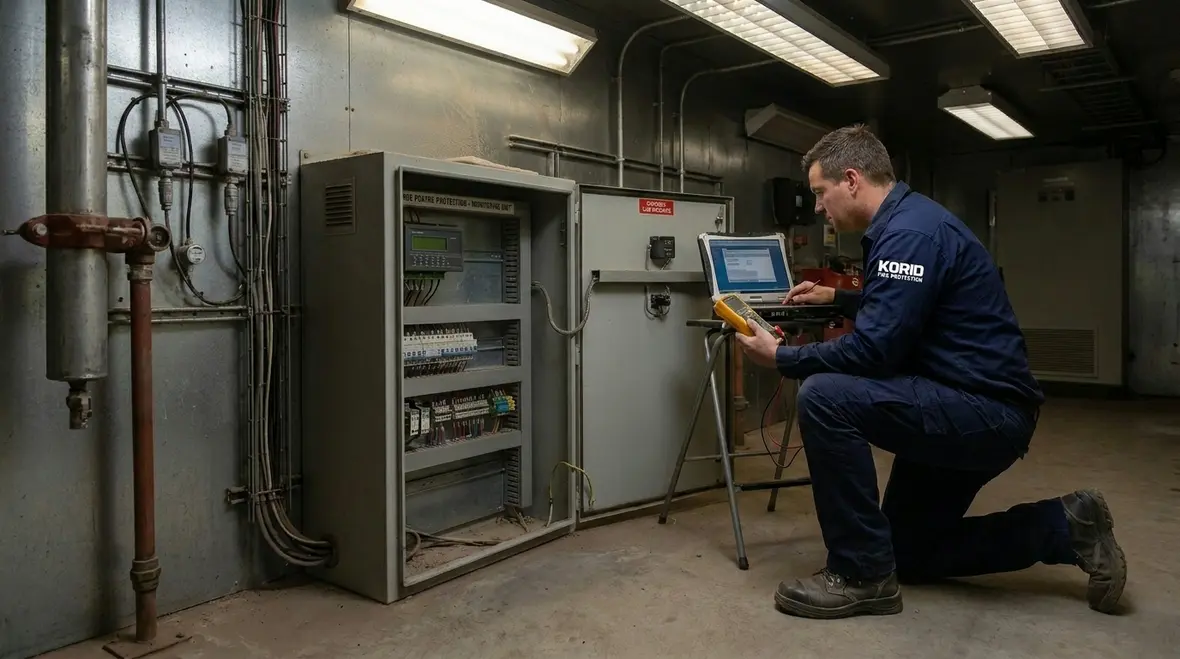
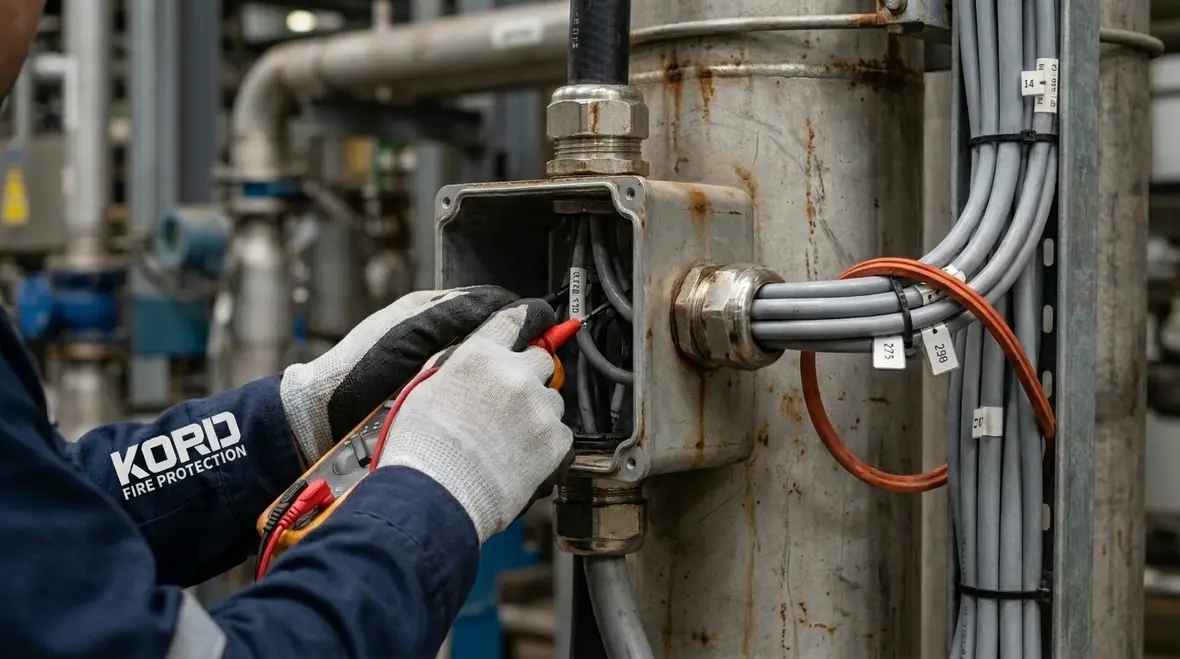
Maintenance needs structure. Teams should follow a checklist that addresses both the hardware and the electrical paths that feed it. They also need to confirm the system still “speaks the same language” it used during commissioning. For example, a sensor may still function, but the wiring may drift in insulation resistance and create a weak signal that fails only under certain conditions.
Core components that usually need attention
- Field sensors such as pressure and flow devices, including physical mounting, seals, and signal stability
- Valve position switches and other feedback contacts to confirm correct status reporting
- Control panels and terminal blocks, including cleanliness, labeling, and secure connections
- Cabling and conduit, checking for damage, water ingress, and signs of movement or abrasion
- Power supplies and backup, so monitoring does not fail during brief outages
Then, technicians should verify that monitoring aligns with how the standpipe network actually performs. After all, electronic status that looks healthy but does not match real-world pressure or valve positions is like reading a fuel gauge in a different car. It might show something, but it still will not help when the vehicle needs to move.
Testing methods that catch faults before alarms do
Some failures announce themselves with a siren. Others hide until a test day. A strong maintenance plan uses checks that find early issues while the system still behaves normally. Technicians commonly combine electrical verification with functional verification, because one without the other leaves blind spots.
Practical testing steps
- Insulation resistance checks to identify insulation breakdown risks before they create false alarms
- Continuity and termination verification to confirm signal paths stay intact, even after vibration or building works
- Sensor output verification to confirm readings match expected pressure or condition ranges
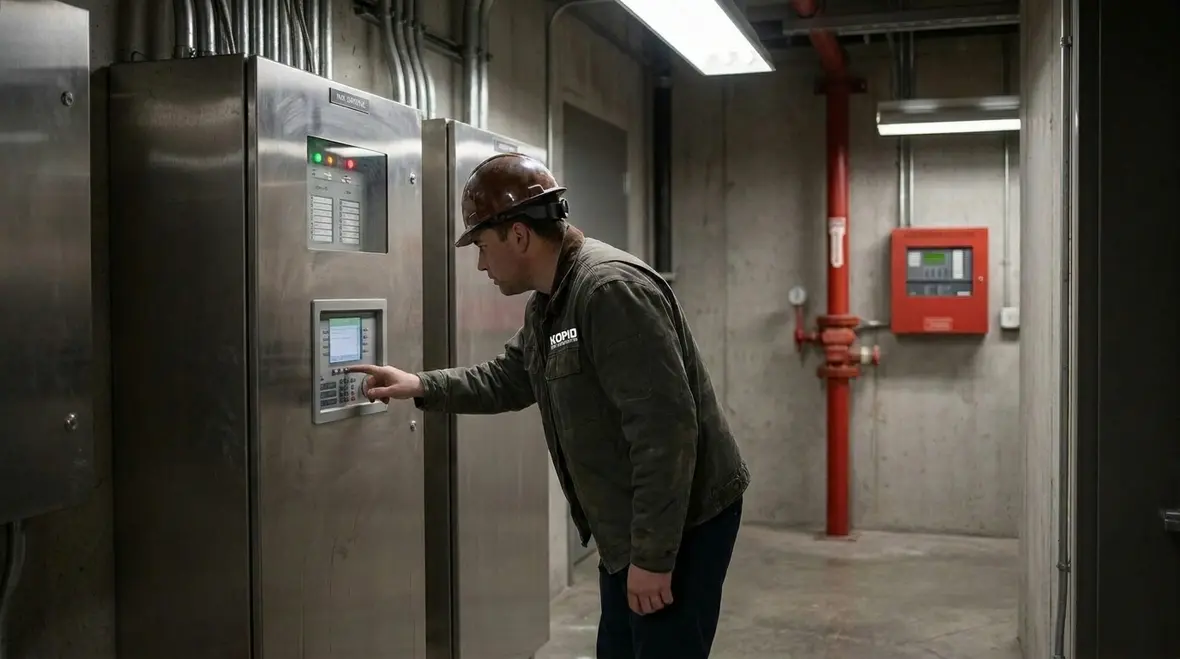
- Alarm and supervision tests to validate that the monitoring system triggers the right alerts
- Functional checks tied to standpipe operation so status changes reflect actual hydraulic behavior
Additionally, teams should test under the right conditions. If a sensor sits in a location with heat load or steam exposure, testing only at a quiet time can mask a problem. Therefore, good scheduling aligns maintenance windows with operating patterns, so faults show up when they realistically occur.
Common failure points in standpipe monitoring circuits
Even well designed systems can drift. Over time, the “small stuff” creates big problems. A loose terminal, a degraded cable gland, or a minor corrosion point can turn a reliable network into a generator of nuisance alarms. And nuisance alarms are like a smoke detector that hates you. Eventually, people stop trusting it, which defeats the entire purpose.
Typical issues facilities see
- Moisture ingress into enclosures, cable glands, and junction boxes
- Contact wear at valve switch mechanisms that cycle frequently
- Grounding and bonding drift that changes reference levels for sensors
- Loose or oxidized terminations causing intermittent signals and unstable readings
- Cable abrasion from installation stress, construction activity, or maintenance access
To reduce these risks, teams should also review site changes. New air handling equipment, scaffold work, and renovations can disturb routes and create movement in wiring. Instead of assuming nothing changed, facilities teams should treat standpipe monitoring like a living installation and recheck where work affects the system.
How Kord Fire Protection strengthens monitoring maintenance
Electronic monitoring rarely lives alone. It ties into fire protection workflows, alarm arrangements, and compliance reporting. That is where Kord Fire Protection becomes a vital partner. They support standpipe network maintenance by coordinating the electrical monitoring checks with the broader fire safety system needs, so teams do not bounce between vendors like they are swapping controllers mid game.
In practical terms, Kord Fire Protection can help align monitoring signals with the notification and protection layers that matter during an emergency. For example, if the monitoring system indicates a valve condition or pressure change, the fire alarm response must match the site’s fire strategy. Therefore, integrated service helps ensure the entire chain of action stays accurate, not just the individual components.
Where the partnership helps most
- Clear compliance documentation across monitoring and fire alarm related assets
- Faster troubleshooting when faults connect to detection, reporting, or control interfaces
- More consistent testing because the fire protection team understands how the system should respond
- Service continuity that reduces handoff delays and missed context
In short, when Kord Fire Protection supports the job, facilities teams gain a calmer process. They spend less time chasing who owns which part, and more time verifying that every signal reflects reality. Like Batman with the right gadgets, the system works better when it has the full toolkit.
Building a maintenance plan that fits industrial operations
Facilities in Australia often operate with tight schedules. Therefore, maintenance plans must protect uptime while still meeting testing requirements. The goal is to create a routine that teams can actually follow, not a perfect plan that collapses the moment production ramps up.
Recommended approach for scheduled reliability
- Set a baseline for sensor readings, alarm behavior, and inspection findings
- Use risk based frequencies by device location, duty cycle, and environmental exposure
- Coordinate with site work so cable routes and enclosures remain protected during renovations
- Standardize documentation so reports are comparable across years and sites
- Train maintenance staff on basic red flags like recurring tamper indications and unstable sensor outputs
Additionally, teams should track trends. A gradually drifting pressure switch might still “work,” but it signals that calibration or mechanical condition needs attention. Trend data helps facilities plan repairs at convenient times instead of reacting during peak operations. This is where a quality Standpipe System Maintenance Electrical routine earns its keep.
FAQ
CTA: schedule support before small faults become big disruptions
Facilities across Australia can keep standpipe monitoring stable by maintaining sensors, wiring, panels, and alarm logic with a clear plan and documented results. When the job connects to fire safety response, partnering with Kord Fire Protection helps teams coordinate testing and reduce handoff delays.
Contact Kord Fire Protection to plan a maintenance schedule, review monitoring performance, and keep your systems ready when it matters most. It is a lot easier to solve a drifting signal on a calm weekday than during the kind of emergency nobody wants on the calendar.

Join Our Newsletter!
Get the latest fire safety tips delivered straight to your inbox From our Newsletter.