NICET Level 2 Fire Alarm Certification for Fire Safety
If a technician only memorizes basics, fire alarm work stays stuck in the training wheels stage. The NICET Level 2 Fire Alarm Certification is where that changes. In the first place, it builds stronger judgment, deeper inspection habits, and better system problem solving. Then it pushes technicians to move beyond “it works on the test bench” toward “it will protect people in the real world.” That is exactly why kord fire protection technicians explain concepts in a grounded, no hype way. They don’t treat certification like a trophy, but like a safety standard that must hold up under stress, audits, and the kind of day where everything seems to go wrong at once.
What the NICET Level 2 Fire Alarm Certification demands
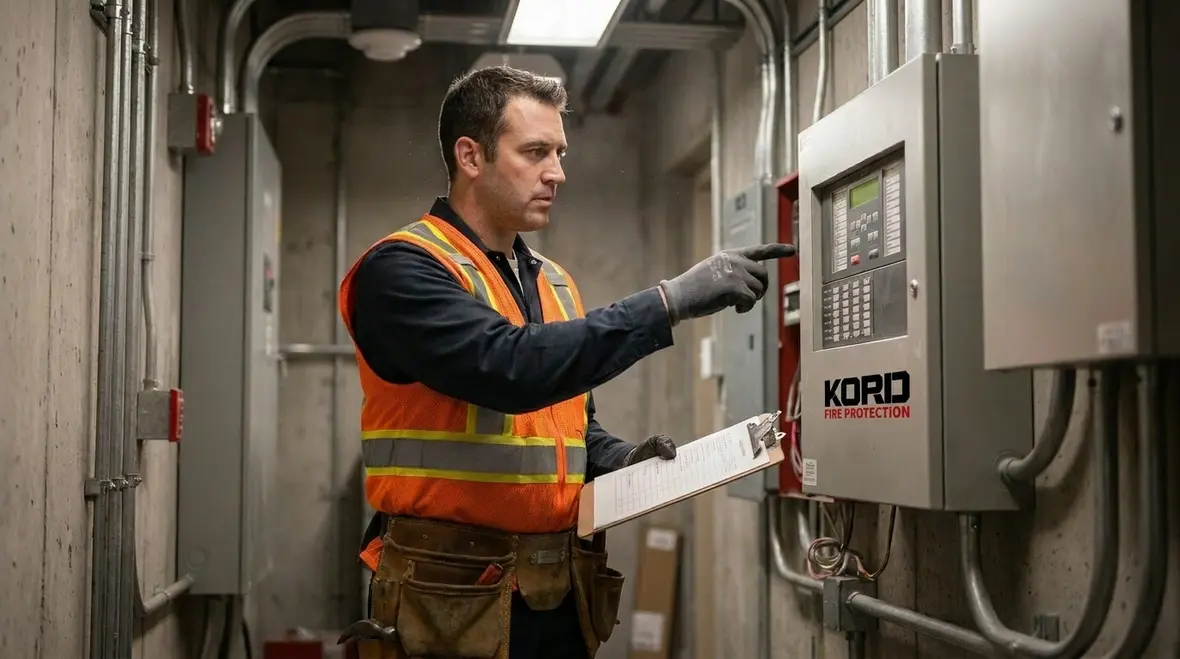
At Level 2, the work shifts from simple install and basic checkout into tasks that require real understanding. Technicians must show they can read system layouts, interpret device functions, and apply code rules with care. More importantly, they must think like the system designer and the field troubleshooter at the same time.
In practical terms, kord fire protection technicians often stress three areas. First, technicians learn how to verify that the system behavior matches the plans. Next, they learn to document results clearly, so others can trust the record. Finally, they build skills to find the cause, not just the symptom, when trouble alerts show up like an unwanted pop up ad.
Why Level 2 feels different in the field
The jump to Level 2 matters because the questions change. Instead of asking whether a device turns on, technicians start asking whether the entire system responds the way the building actually needs. That includes sequence, timing, reporting, and documentation. It is a more mature way to work, and frankly, a much more useful one when things get messy in real life.
Moving beyond basic skills with field based thinking
Basic skills get a system installed. However, good field thinking keeps it reliable. And reliability comes from habits, not luck. A technician with Level 2 mindset checks more than the quick box on the checklist. He or she confirms wiring paths, checks signal routes, and verifies that device placement supports the intended detection strategy.
To make that concrete, kord fire protection technicians explain how to connect inspection notes to system performance. For example, a technician might see a trouble condition that looks minor. Yet if the inspection record shows repeated sensor issues in the same zone, that detail becomes a clue. Then the technician can plan targeted steps, such as checking for environmental factors or verifying that device signaling levels stay within limits. That is how the job stops feeling like detective work in a bad TV series and starts feeling like controlled problem solving.
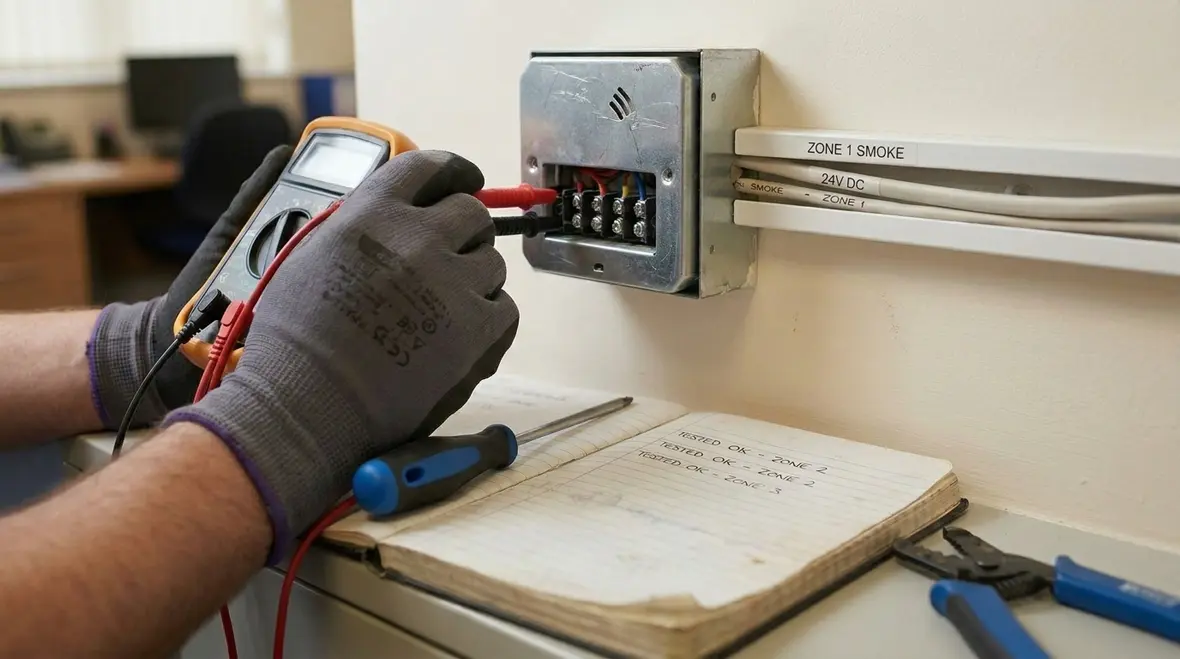
Habits that turn skill into reliability
- Review drawings before touching devices or panels.
- Compare actual field conditions against intended detection coverage.
- Track recurring trouble history instead of treating every alert like an isolated event.
- Retest after corrections so the fix is confirmed, not assumed.
Reading system design like a pro, not a tourist
Many people can follow a plan. Fewer people can read it with purpose. Level 2 pushes technicians to interpret how design choices impact operations. This means understanding how circuits and zones connect, how notification works with control functions, and how the panel logic drives responses.
When kord fire protection technicians teach this, they focus on cause and effect. If a plan shows a certain device type, the technician needs to understand what that device reports, what the panel does with that report, and what the building occupants experience. Then the technician checks the installed system to make sure the real behavior matches the intended behavior. It is like matching a song to the album track list. Skip one detail, and the sound comes out wrong.
This is also where communication gets sharper. A strong Level 2 technician can explain why a circuit matters, why a reporting path matters, and why a mismatch between plans and panel behavior is not “close enough.” In fire safety, close enough is usually just a polite way to describe future problems.
Inspection, testing, and documentation that holds up
Certification is not only about passing. It is about showing the ability to deliver quality work that survives scrutiny. Therefore, inspection and testing must align with standards, and documentation must be complete. A good record is not busywork. It acts like a map for the next person who touches that system, which might be years later.
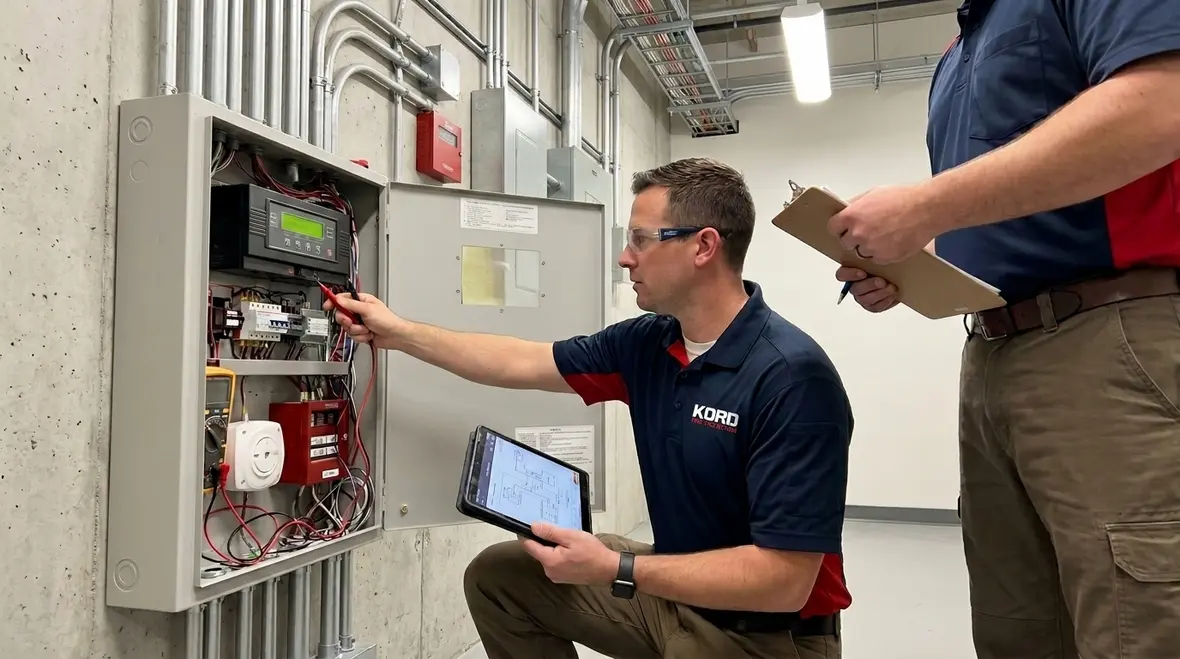
In a typical Level 2 workflow, technicians plan the test sequence, confirm access needs, and record device status in a clear way. Then they verify that all results match what the system should do. If a reading falls outside a normal range, they do not just shrug and move on. Instead, they identify the probable reason, test again as needed, and document the final resolution.
Here is a simple dual column view of what this looks like in practice.
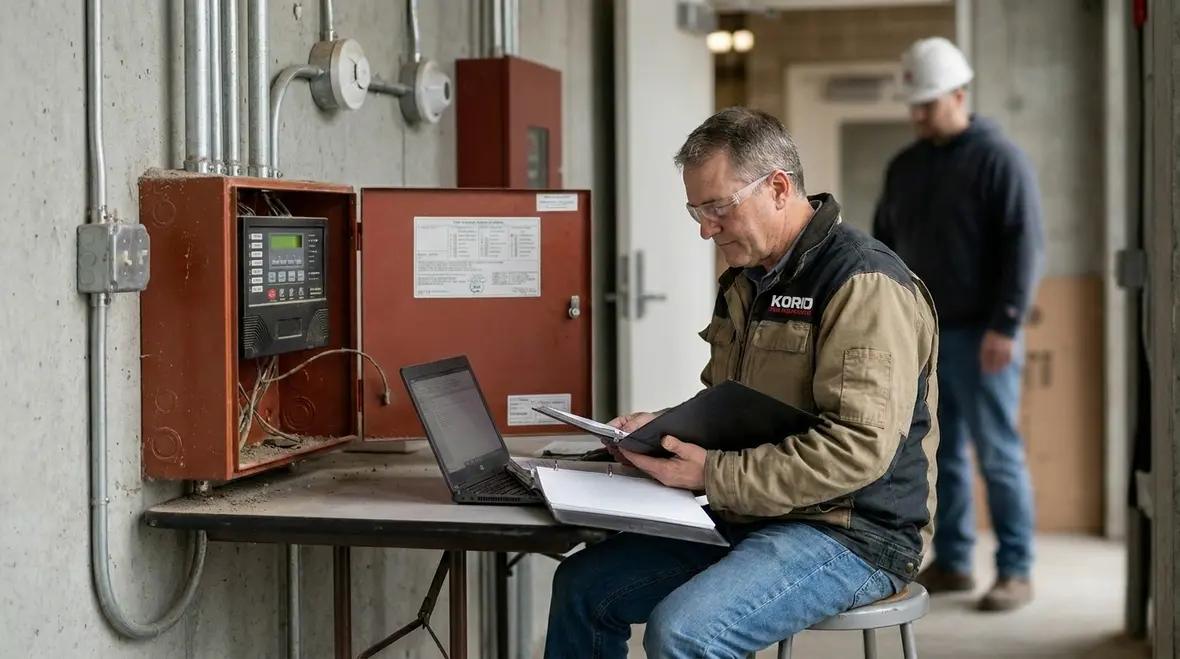
What solid documentation actually does
Clear records help future technicians trace decisions, help managers verify compliance activity, and help owners understand what was tested versus what was repaired. In other words, documentation is not the annoying paperwork sitting at the edge of the job. It is part of the job. If the record is weak, confidence in the work gets weak right along with it.
Common trouble scenarios and how a Level 2 mindset handles them
Trouble conditions happen. The question is how a technician responds. A Level 2 mindset treats trouble like a structured problem, not a random nuisance. First, the technician confirms the exact message, time stamps, and zone or circuit data. Next, the technician checks wiring continuity and device status in a way that matches the system design.
Then the technician uses a step by step approach to isolate the cause. That might involve verifying device power, confirming device compatibility, or checking for a wiring fault. Finally, he or she re tests the system to confirm the fix took and that no new issues surfaced. Kord fire protection technicians often say the best techs act like calm air traffic controllers. They do not panic. They follow process. And yes, they keep the jokes to a minimum during critical moments, because even comedy cannot fix an unsafe system.
A simple troubleshooting sequence
- Read the trouble message fully, including zone, address, or circuit detail.
- Check the plan and recent inspection history before assuming the cause.
- Verify wiring, power, and device condition methodically.
- Confirm compatibility and expected panel response.
- Retest and document the correction clearly.
How certification supports better career outcomes
Technicians earn the Level 2 Fire Alarm Certification not just to add a line to a resume. They earn it to grow credibility with employers, inspectors, and clients. In addition, the certification helps technicians gain the confidence to lead a project, train others, and make sound decisions when plans do not match reality.
When kord fire protection technicians explain the journey, they often focus on mentorship and accountability. A technician who understands Level 2 skills can spot risk earlier. That reduces rework and improves customer trust. Meanwhile, the technician gains a clearer path to higher responsibility, because strong documentation and solid testing habits translate upward across system types.
That is one reason ongoing service work matters so much. Field exposure sharpens judgment faster than theory alone. Teams that regularly perform fire alarm services see the patterns that turn book knowledge into dependable action, whether the task is testing, diagnostics, repair, or system verification.
Building confidence through repeatable process
Confidence in this trade is not swagger. It is repeatability. A technician becomes trusted by showing the same steady process on easy jobs, hard jobs, and the jobs where three different people already guessed wrong before lunch. Level 2 supports that kind of consistency. It encourages technicians to think carefully, test methodically, and write things down in a way that another trained person can follow later without decoding mystery notes.
That same process mindset fits into broader compliance work as well. Kord’s broader full fire protection services approach reflects the same principle: inspect carefully, maintain what matters, and keep systems ready instead of hoping they behave when the pressure is on.
FAQ about NICET Level 2 Fire Alarm Certification
Ready to level up the way systems stay safe
Technicians who pursue the Level 2 Fire Alarm Certification gain more than exam readiness. They gain a disciplined way to inspect, test, and document that protects people and reduces repeat problems. And when a real trouble event shows up, they respond with calm steps instead of rushed guesses. If that is the path this year, kord fire protection technicians can help guide the next moves.
For teams that need practical support in the field, explore Kord’s fire alarm systems services near the end of your planning process and use that as the next action step. Contact your team today to review requirements, strengthen inspection habits, and build a study plan that fits real work schedules.


Join Our Newsletter!
Get the latest fire safety tips delivered straight to your inbox From our Newsletter.